Content

Quick Answer: Premium breathable bamboo women’s boxer boyshorts are a practical underwear choice for customers who want fuller coverage, a smooth fit, and better comfort under skirts, dresses, loungewear, and everyday clothing. This design combines 92% viscose made from bamboo with 8% spandex, a high-rise wide waistband, a 6–7 inch inseam, tagless construction, and all-over coverage. Compared with shorter briefs or less stable underwear styles, the longer boyshort shape helps reduce thigh chafing and provides more dependable coverage. For buyers seeking private-label, OEM, or ODM production, a specialized textile manufacturer with experience in bamboo fabrics, traceable sourcing, quality certifications, and customized product development can support a more reliable supply program.
Women’s underwear buyers are paying closer attention to comfort, fiber content, fit security, and responsible production. They want underwear that feels soft against the skin but does not lose its shape during a long day. Retailers also need products that are easy to position in the market, simple to explain to customers, and suitable for repeat purchasing. Women’s Boxer Boyshorts answer these needs by combining the coverage of shorts with the flexible fit of modern underwear.
This product is designed for women who prefer a higher waist, longer leg coverage, and a smooth under-clothing profile. Its bamboo viscose fabric supports a lightweight, breathable hand feel, while the spandex content adds stretch and recovery. The result is an underwear style intended to stay in place without creating the exposed feeling associated with very short-cut briefs.
The main product advantage is balance. Many underwear designs emphasize only one benefit: minimal coverage, maximum stretch, low cost, or a decorative appearance. These boxer boyshorts combine several practical features in one construction. The high-rise waistband supports the natural waist, the longer inseam offers additional thigh coverage, and the bamboo viscose blend gives the fabric a soft, breathable character.
The product is especially suitable for customers who wear dresses and skirts but want more confidence while moving, sitting, commuting, or participating in daily activities. The extended leg length creates a layer between the thighs, which may help reduce friction compared with traditional brief shapes. It also provides additional modesty under loose or flowing garments.
The design has a clean, uncomplicated appearance. A tagless finish removes the irritation that can come from sewn-in labels. The seamless construction described for the product reduces unnecessary friction and helps create a smoother feel against the skin. These details are important because underwear is worn for extended periods, often in warm conditions and under multiple clothing layers.
Soft fiber blend: 92% viscose made from bamboo and 8% spandex provide a soft hand feel with flexible stretch.
Higher waist coverage: The wide waistband is designed to sit at the natural waist rather than below the hip.
Longer leg profile: A 6–7 inch inseam gives more coverage and can help limit inner-thigh friction.
Comfort-focused finish: Tagless and seamless features reduce points of irritation.
Daily versatility: The style works under skirts, dresses, relaxed clothing, sleepwear, and casual outfits.
Responsible material positioning: FSC certification supports a more traceable bamboo-based fiber story when presented accurately.
Fabric composition strongly influences how underwear feels, stretches, breathes, and performs after repeated wear. These boxer boyshorts use 92% viscose made from bamboo and 8% spandex. The high viscose percentage gives the fabric a soft, lightweight base, while the spandex content provides elasticity for movement and fit retention.
Bamboo viscose is valued in underwear because it can produce a smooth, fluid fabric with a comfortable surface. The material is well suited to garments worn next to the skin, where roughness, stiffness, or excessive weight can quickly become uncomfortable. A lightweight fabric can also reduce the heavy or restrictive feeling sometimes associated with thicker cotton underwear.
The 8% spandex component is important for a close but flexible fit. Underwear needs to move with the body when the wearer walks, bends, sits, or changes position. Stretch fibers allow the garment to accommodate these movements while helping it return toward its original shape. The precise fit will still depend on pattern dimensions, sewing or bonding methods, waistband construction, and size grading, but the fiber blend provides an appropriate foundation for a flexible boxer silhouette.
For product descriptions, sellers should distinguish between bamboo-derived viscose and raw bamboo fiber. Bamboo viscose is a regenerated cellulose fiber made from bamboo-derived pulp through a manufacturing process. It should not automatically be described as raw bamboo fabric, bamboo linen, or untreated natural bamboo. Accurate wording builds customer trust and reduces confusion in wholesale and retail communication.
The material story also needs careful certification language. The product information identifies FSC certification, which can support responsible forestry and chain-of-custody claims when the applicable certification scope covers the relevant material and supply chain. FSC certification should not be presented as proof that the garment is organic unless the product has a separate organic textile certification. Precise claims are more credible for retailers, importers, and consumers.
| Product Element | Practical Function | Customer Value |
|---|---|---|
| 92% viscose made from bamboo | Creates a soft, lightweight fabric base | Comfortable next-to-skin wear and a smooth hand feel |
| 8% spandex | Adds stretch and fit flexibility | Supports movement and a closer, more adaptable fit |
| High-rise wide waistband | Sits at the natural waist and distributes pressure | More secure coverage and less rolling compared with narrow waistbands |
| 6–7 inch inseam | Extends coverage over the upper thigh | Helps reduce rubbing and improves confidence under dresses |
| Tagless design | Removes a sewn-in label area | Less potential irritation at the waist or back |
| Seamless design | Reduces visible or abrasive construction points | Smoother comfort under clothing |
| FSC certification reference | Supports responsible fiber-sourcing communication where applicable | Gives buyers a clearer sustainability story |
Women’s boxer boyshorts occupy a useful position between briefs and shorts. Traditional briefs may leave more of the upper thigh exposed, while full shorts can feel too long or bulky for some outfits. A 6–7 inch inseam gives this product a defined boxer profile without turning it into a heavy base layer.
The longer leg is particularly relevant for customers who experience discomfort from inner-thigh contact. When skin rubs against skin or fabric during walking, heat and moisture can increase the sensation of chafing. A boxer-style garment creates a smooth textile layer between the thighs. Individual results vary according to body shape, activity level, climate, and clothing fit, but the construction addresses a common everyday concern.
The high-rise waistband is designed to sit at the natural waist. This positioning can provide a more secure sensation than a low-rise cut, especially under dresses or skirts with a higher waistline. A wide waistband also spreads contact over a larger area instead of concentrating pressure on a narrow elastic strip. This may help reduce digging and improve comfort during prolonged wear.
Fit remains dependent on accurate measurement. Wholesale buyers should request a complete size chart that includes waist, hip, front rise, back rise, thigh opening, inseam, and garment stretch. A product can have a comfortable design but still generate returns if the size grading does not match the target market. Measurements should be reviewed on both a relaxed and stretched basis where appropriate.
First, compare the garment’s relaxed waist and hip measurements with the intended size chart. Next, check the stretch range to confirm that the fabric can accommodate normal movement without excessive tension. Review the thigh opening separately because a comfortable waist does not guarantee a comfortable leg opening. Finally, test the sample under the types of skirts, dresses, or trousers that the target customer is most likely to wear.
Retailers can also explain the fit in simple, useful terms: high-rise, longer-leg, full-coverage, and flexible. These terms are more helpful than vague descriptions such as “luxury comfort” because they tell shoppers what to expect from the product.
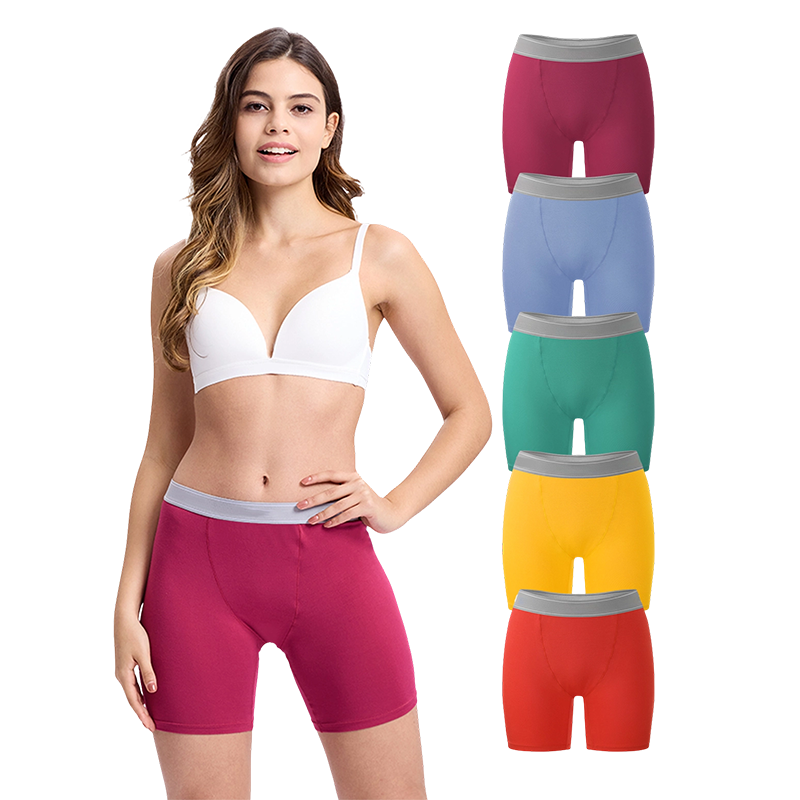
Women’s Boxer Boyshorts
Breathability is one of the strongest reasons to position bamboo viscose underwear for everyday use. The supplied product information describes bamboo viscose as offering lightweight breathability and up to 4.5 times more airflow than cotton. Any numerical comparison should be supported by the applicable test method and conditions before it is used in packaging or advertising. For general product communication, sellers can safely emphasize the fabric’s lightweight, breathable feel while keeping performance claims tied to verified documentation.
Underwear is worn close to the body, so heat and moisture management affect comfort. A fabric that feels light and smooth can make a noticeable difference during commuting, office work, travel, household activities, or warm-weather wear. The boxer length also supports ventilation by avoiding unnecessary bulk while still covering the upper thigh.
Breathability does not mean the garment prevents sweating or replaces hygiene practices. It means the fabric construction may support a more comfortable microclimate than a dense, poorly ventilated material. Product care, garment fit, climate, activity, and personal sensitivity all influence the final experience.
The design is also relevant for layering. Under a skirt or dress, a smooth boxer short can provide coverage without the need for a separate slip short in some outfits. Under loose trousers or sleepwear, it can serve as a comfortable base layer. Customers who dislike the exposed feeling of brief underwear may appreciate the added coverage without needing a full-length short.
Product comparisons should focus on use case rather than claiming that one underwear category is universally better. Different customers prefer different silhouettes. The advantage of these boxer boyshorts is the combination of coverage, softness, and a stable waist-to-thigh fit.
Traditional briefs generally provide less thigh coverage. They may be appropriate for customers who want minimal fabric, but they do not create the same protective layer between the thighs. The boxer boyshort format is better suited to shoppers who prioritize coverage and chafing support over a minimal silhouette.
Low-rise styles sit below the natural waist and may work well with low-rise trousers. The high-rise boxer design targets customers who want the waistband closer to the natural waist, especially under dresses, skirts, high-rise bottoms, or relaxed clothing. A wide waistband may also feel more stable than a narrow low-rise elastic edge.
Cotton underwear is familiar and widely available, but fabric weight, surface feel, and moisture behavior vary by construction. Bamboo viscose offers a soft, smooth alternative with a lightweight character. The inclusion of spandex supports stretch, which may improve the garment’s ability to follow body movement. Customers who prefer a softer drape or less bulky feel may find this blend more appealing.
Some synthetic performance fabrics are designed for high-output exercise and rapid moisture movement. These boxer boyshorts are positioned more broadly for daily comfort, coverage, and breathable softness. They may be a better fit for customers who prefer plant-derived cellulose content and a softer hand feel rather than a technical athletic sensation.
These boyshorts should not be marketed as compression shapewear unless the product has been specifically engineered and tested for that purpose. Their purpose is comfortable coverage and support, not body reshaping. This distinction helps customers choose the right garment and prevents unrealistic expectations.
| Alternative | Typical Strength | Potential Limitation | Why Choose the Boxer Boyshort |
|---|---|---|---|
| Brief underwear | Minimal coverage and less fabric | More upper-thigh exposure | Provides a longer protective layer |
| Low-rise underwear | Works with low-rise clothing | May feel less secure at the waist | High-rise coverage sits at the natural waist |
| Cotton shorts | Familiar natural-fiber positioning | May feel heavier depending on fabric weight | Offers a soft, lightweight bamboo viscose blend |
| Technical synthetic underwear | Often targeted at intense activity | May feel less soft or less natural to some users | Balances daily breathability with a smooth hand feel |
| Compression shapewear | Firm shaping and control | Can feel restrictive for everyday wear | Prioritizes comfort and movement rather than compression |
Retailers can position this product around specific customer problems instead of using broad comfort language. The strongest messages are easy to understand and connected to visible product features.
Highlight the 6–7 inch inseam, full coverage, and stable fit. Explain that the longer leg creates a comfortable layer under dresses and skirts.
Emphasize the boxer silhouette and extended thigh coverage. Avoid promising a guaranteed medical or therapeutic result.
Lead with the 92% bamboo viscose composition and smooth next-to-skin feel.
Use the FSC certification information accurately and provide supporting documentation for the specific product and supply chain.
Search-focused product pages should include the terms “women’s boxer boyshorts,” “women’s boxer briefs,” “bamboo underwear,” “breathable underwear,” and “high-rise women’s underwear” where they fit naturally. The page should also describe the material composition, inseam, waistband, coverage, and intended use. These details help shoppers compare products without needing to contact customer service for basic information.
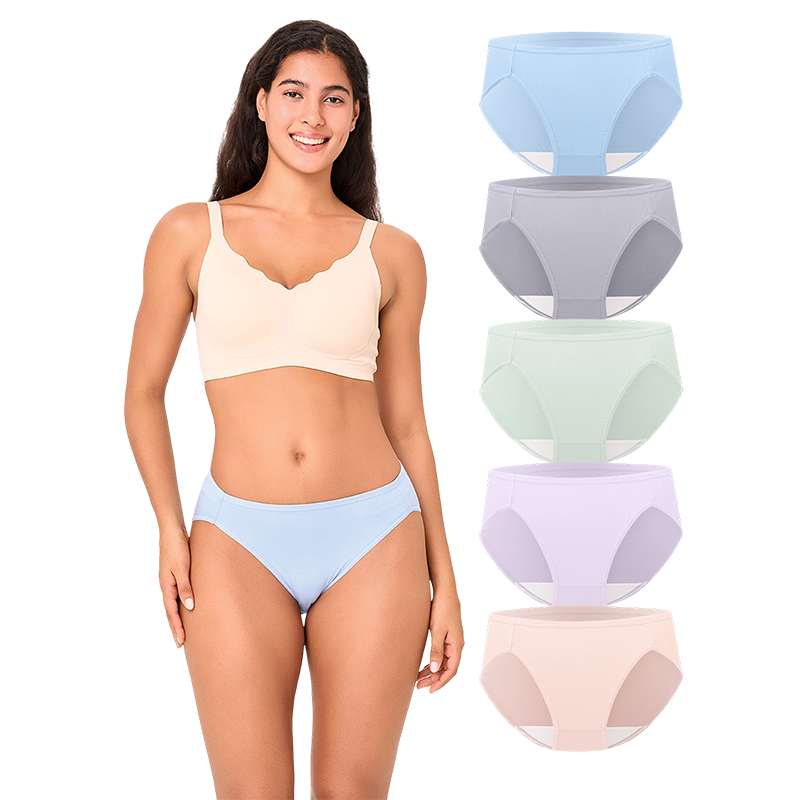
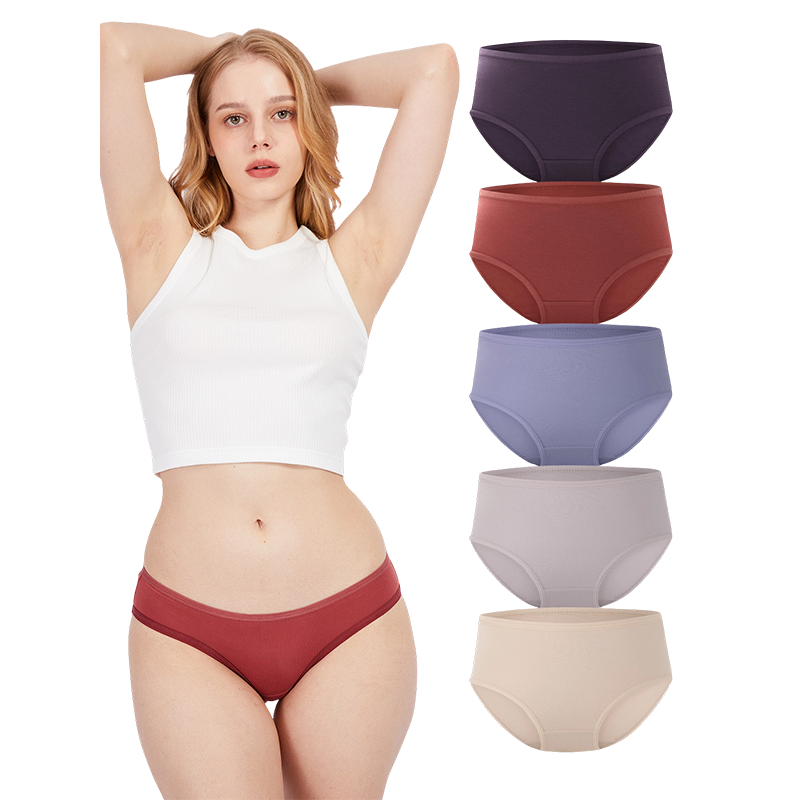
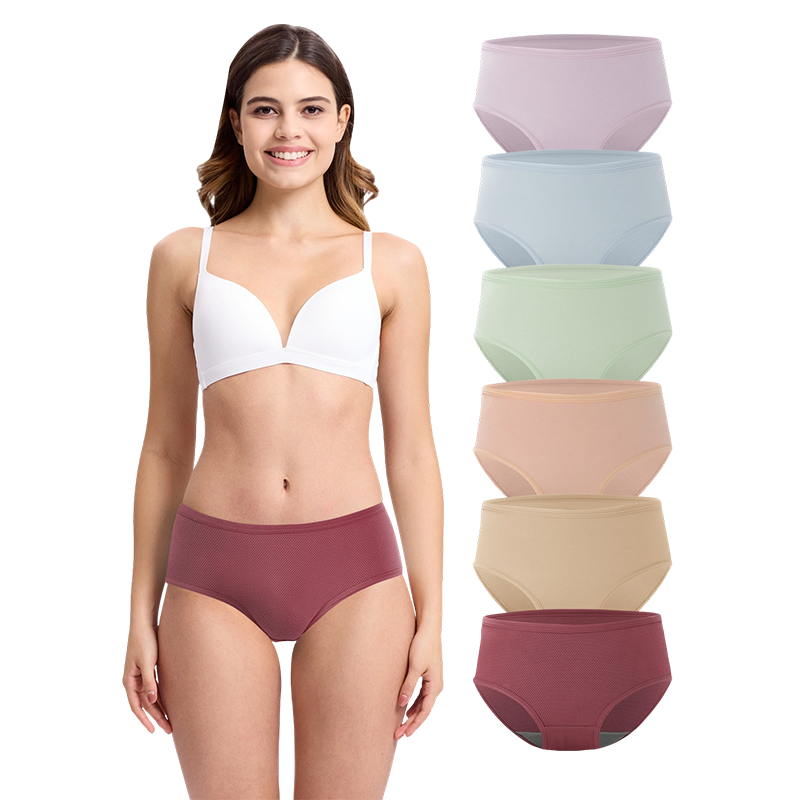
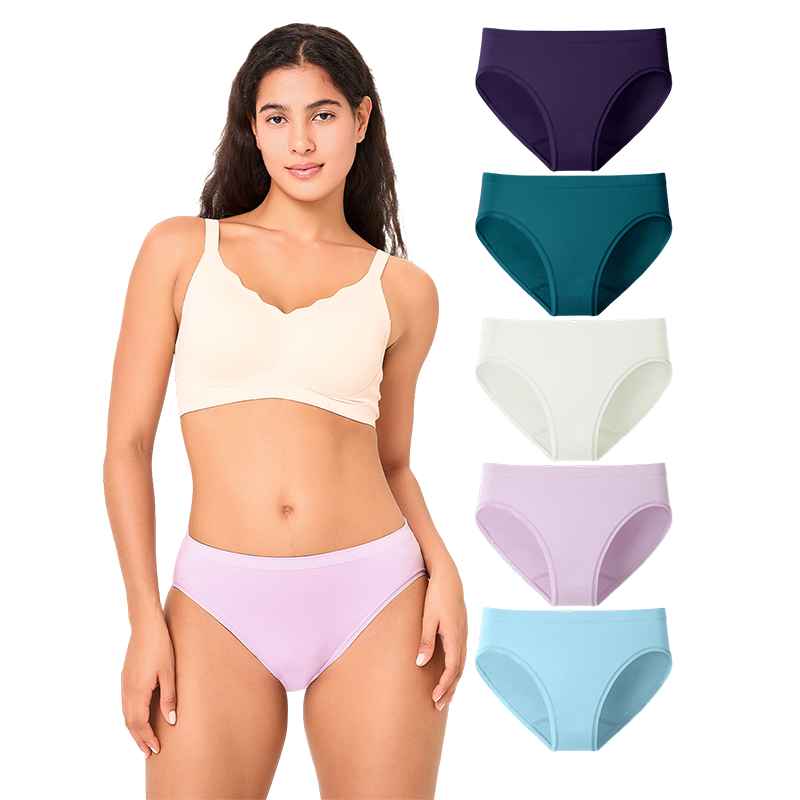
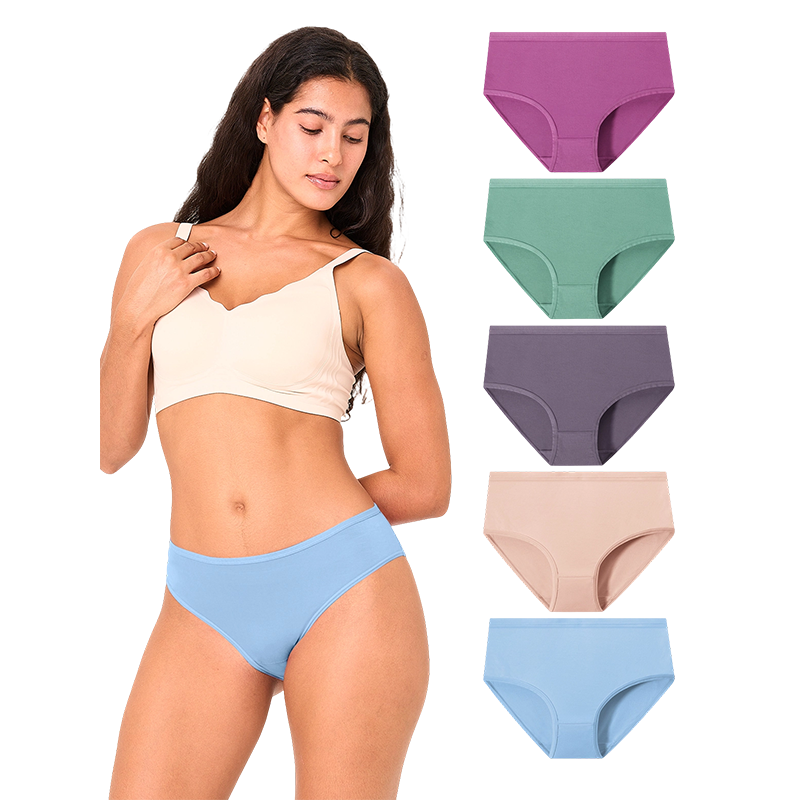
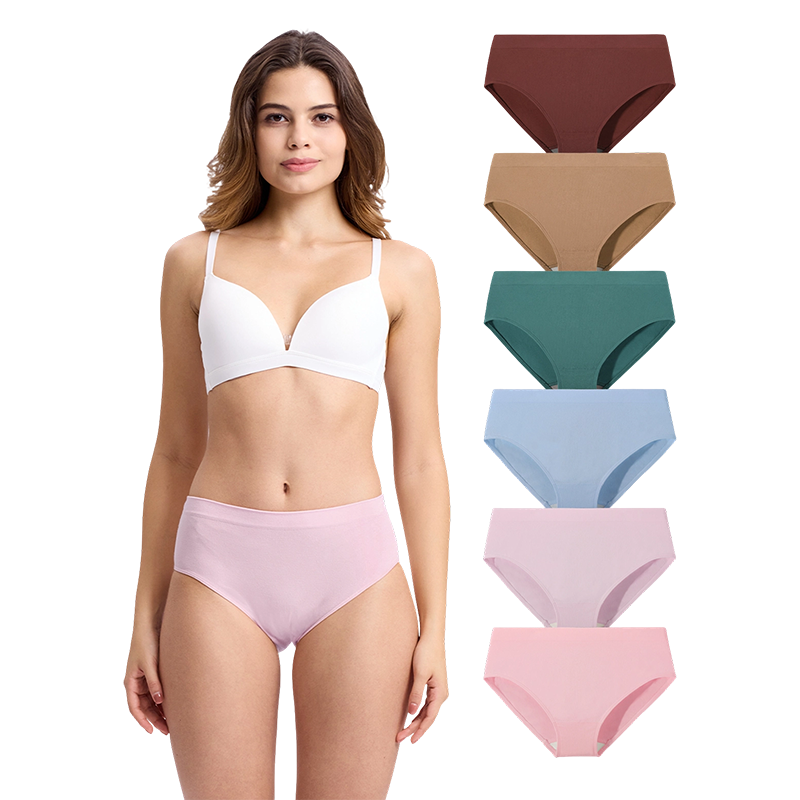
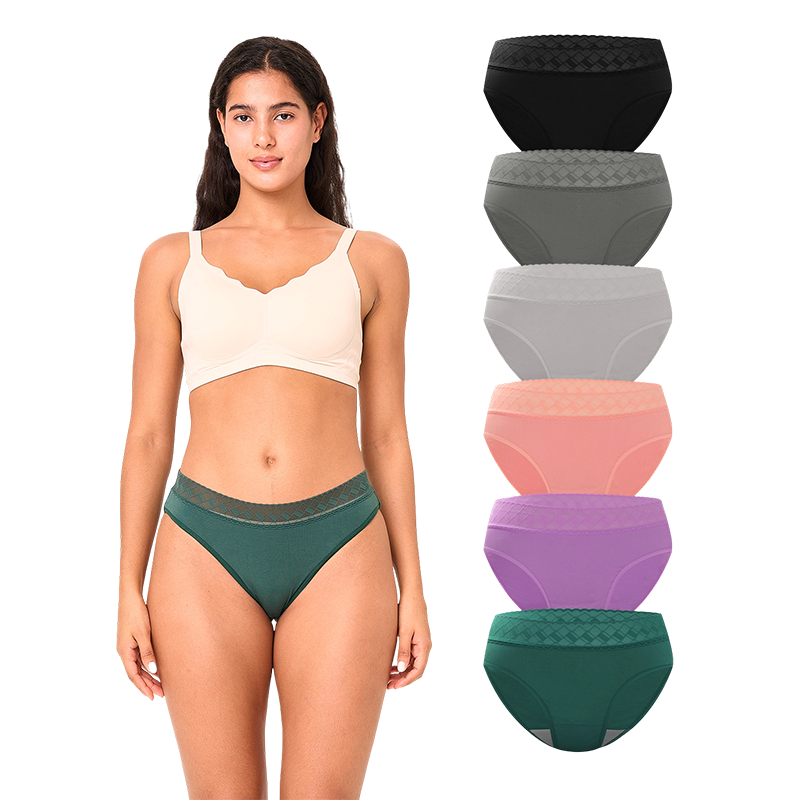
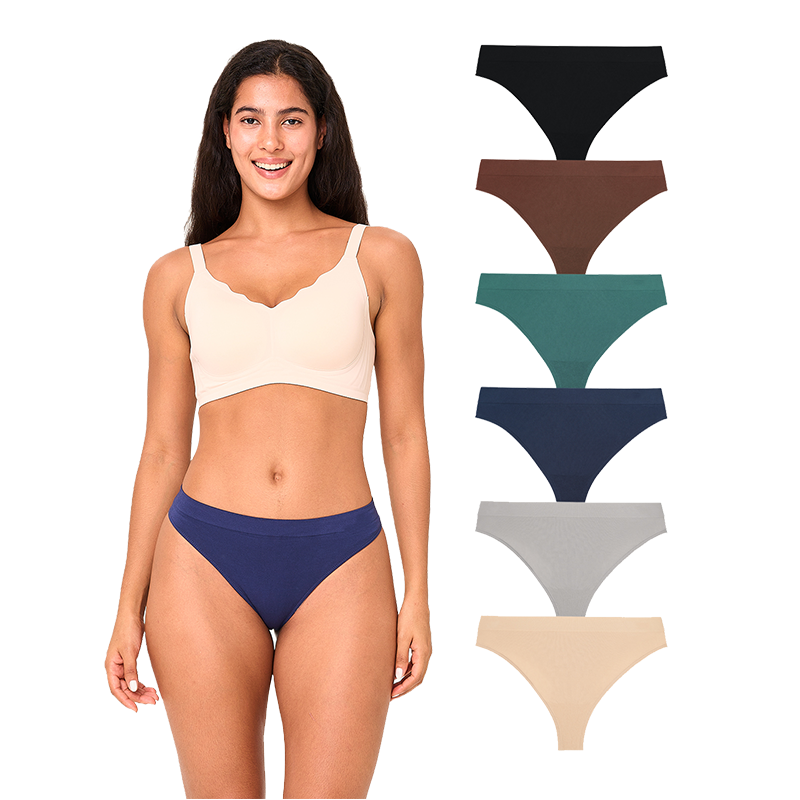
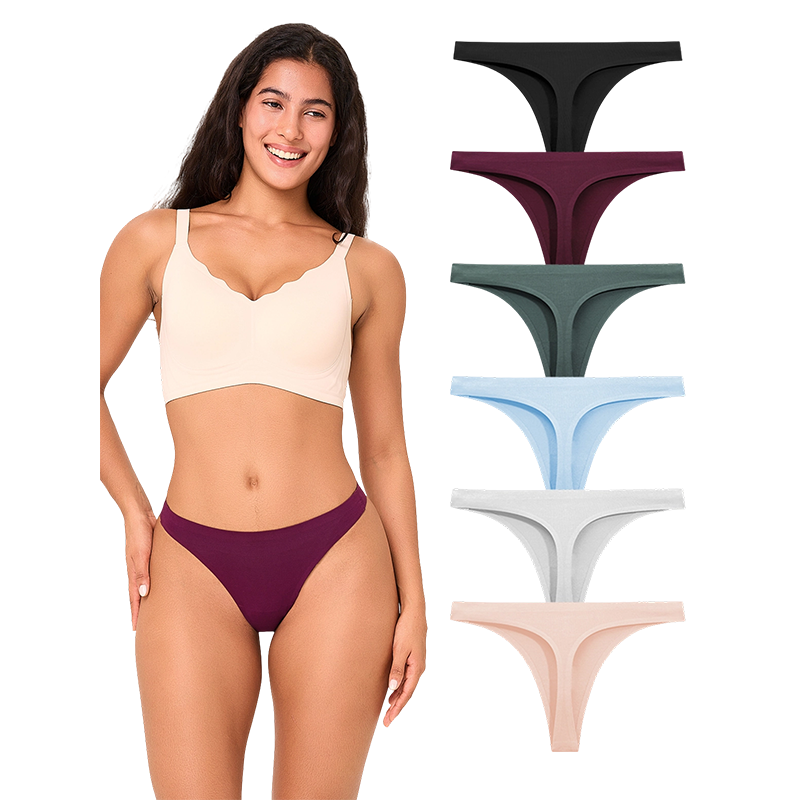
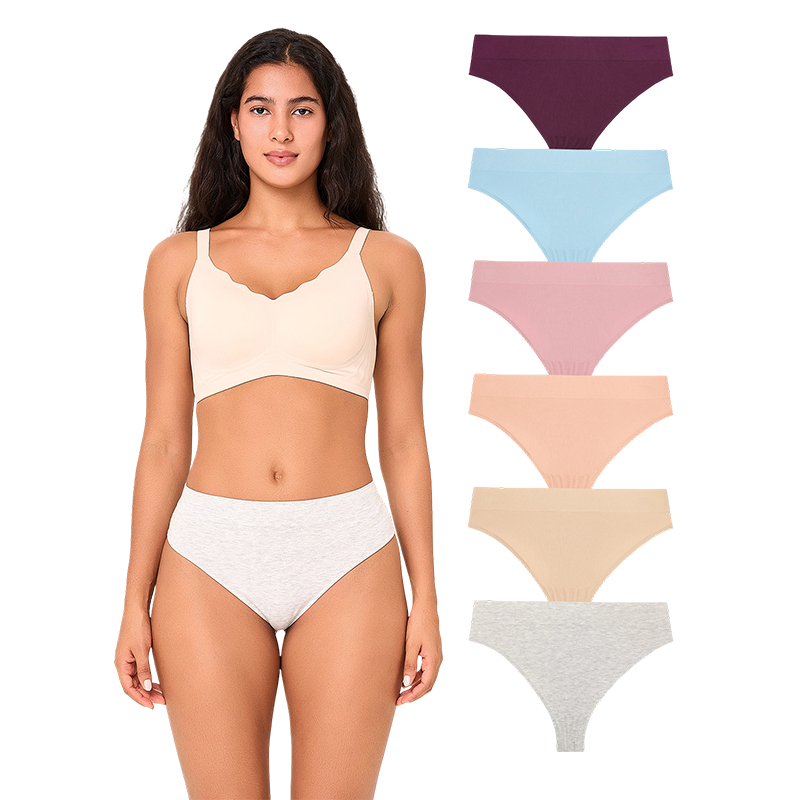
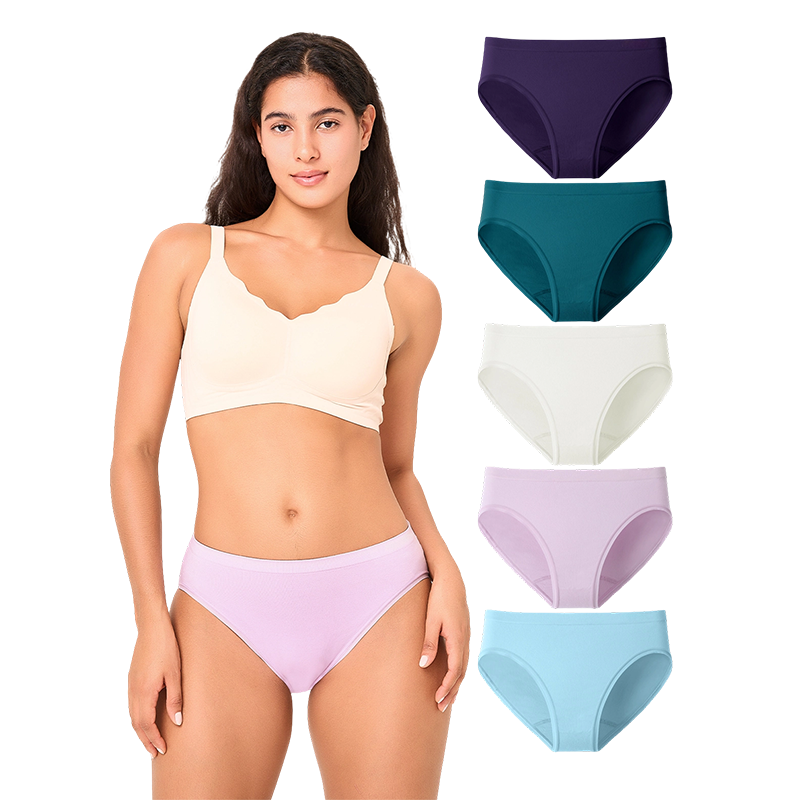
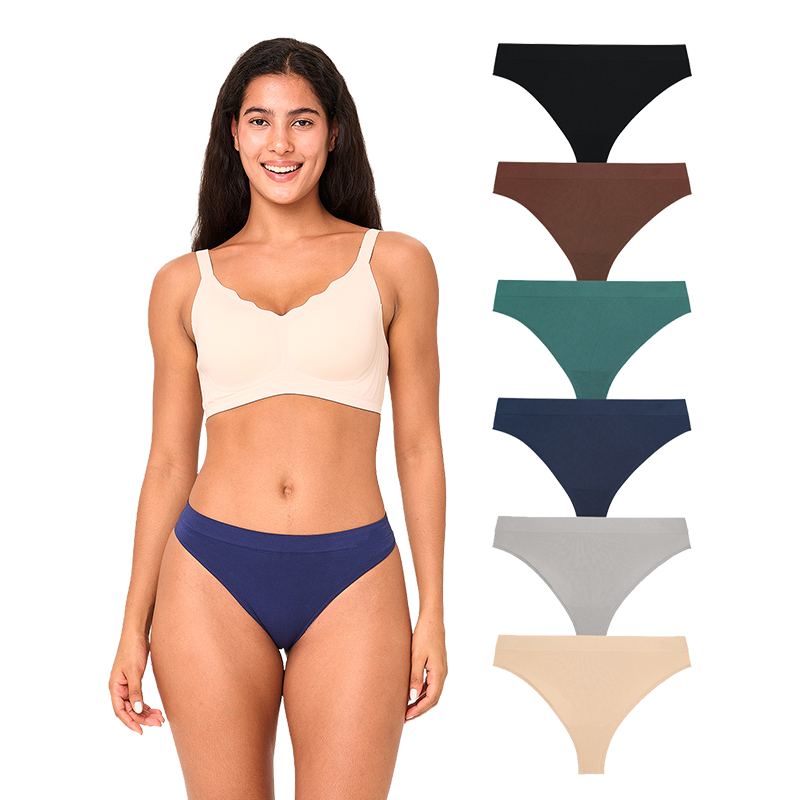
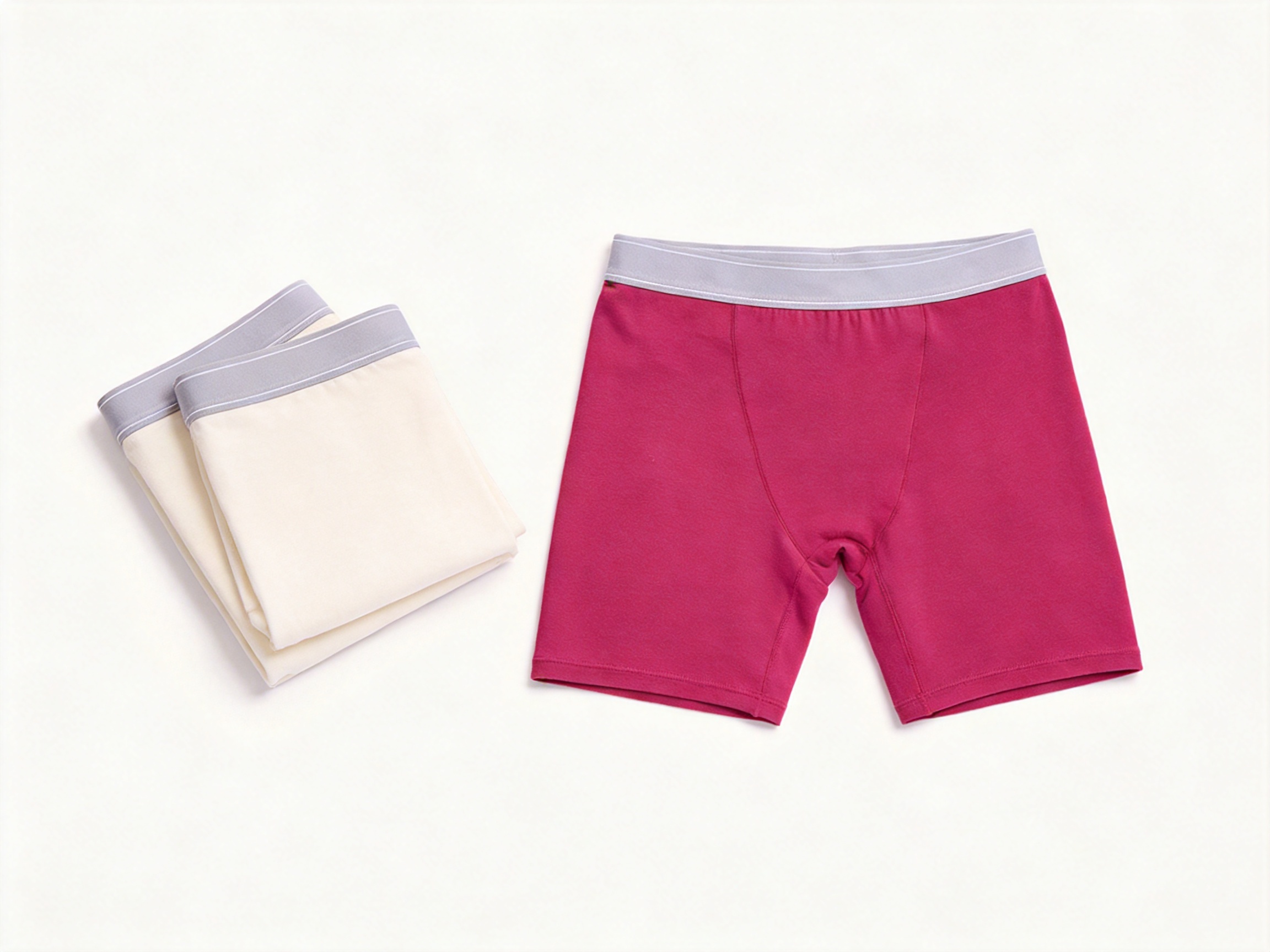
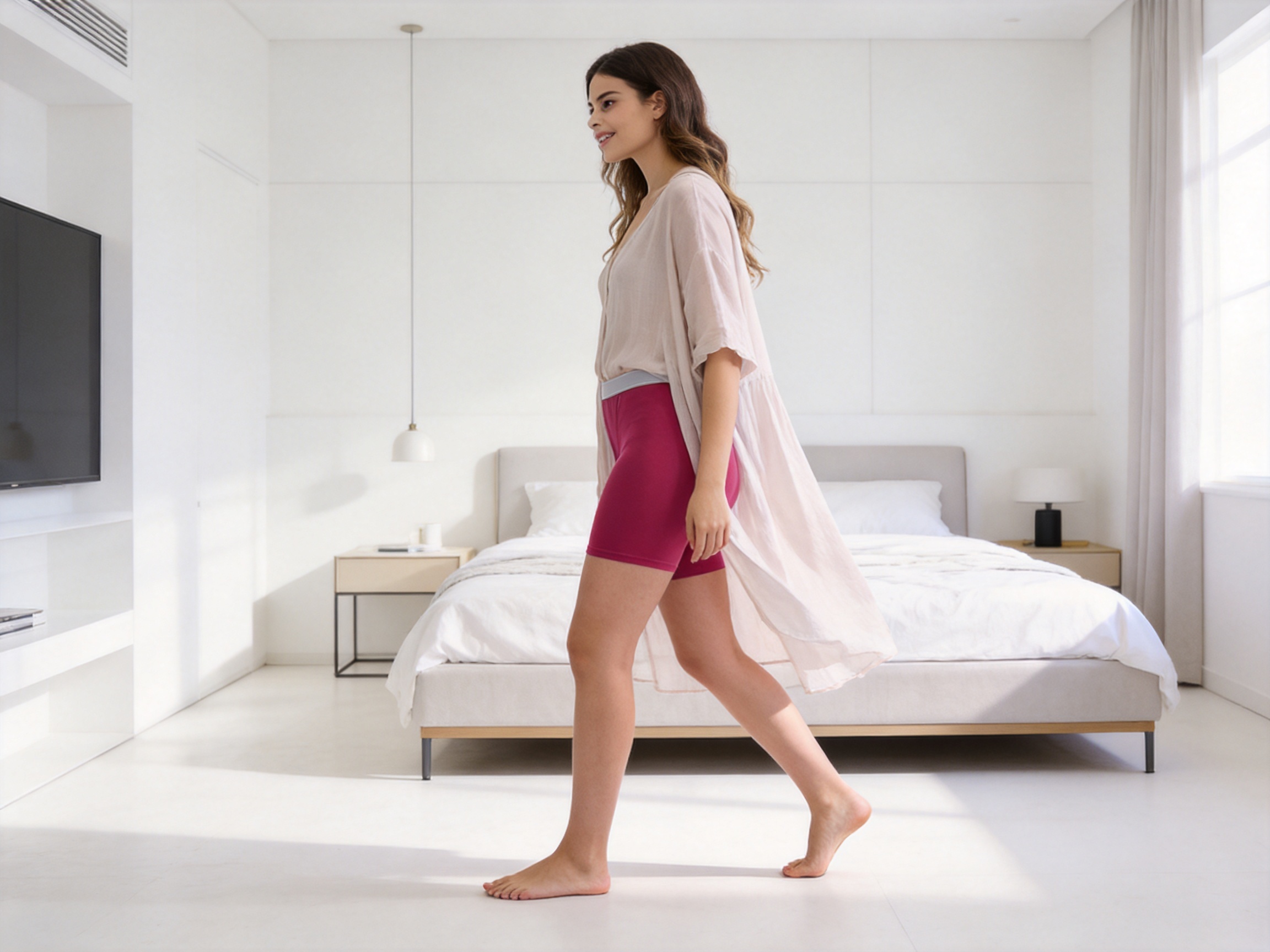
Product photography should show the front, side, back, waistband, leg opening, fabric surface, and garment scale. The four available product images can support a visual gallery that answers common fit questions. Buyers want to see how high the waistband sits, how far the leg extends, and whether the fabric appears smooth or bulky.
A successful underwear program depends on more than the fabric specification. Pattern development, sample approval, fabric inspection, cutting accuracy, assembly consistency, finishing, packaging, and shipment coordination all influence the final product. Nantong Tianhong Textile Technology Co., Ltd. has operated in Nantong since 2001 and specializes in the research, manufacturing, and sales of underwear products.
Nantong is recognized as a major textile industry center in China. Operating within this supply environment can support access to textile expertise, material suppliers, production services, and industry knowledge. A manufacturer’s location alone does not guarantee quality, but an established textile ecosystem can make communication and sourcing more efficient when supported by disciplined internal procedures.
The company provides OEM and ODM products and services for recognized labels in Europe, North America, and China. This experience is relevant to buyers that need more than a standard catalog item. OEM customers may provide their own specifications, branding, packaging requirements, and size standards. ODM customers may prefer to adapt an existing product concept or develop a product with support from the manufacturer’s technical team.
Underwear development requires careful coordination between fiber selection and garment engineering. A fabric may feel soft but still need adjustment in waistband tension, leg opening dimensions, rise length, or seam placement. Product research should evaluate how these elements work together rather than treating fabric composition as the only quality factor.
For this boxer boyshort design, development priorities include the natural-waist position, the relationship between the waistband and rise, the 6–7 inch inseam, stretch recovery, and comfort during movement. Sample evaluation should include sitting, walking, bending, and wearing the garment beneath representative clothing. These checks help identify rolling, riding up, excessive compression, or visible lines before bulk production.
OEM and ODM manufacturing gives buyers room to adapt the product for different market segments. Possible development areas include color, size range, packaging, logo application, care labeling, waistband treatment, and fabric weight. Any change should be reviewed for its effect on fit, hand feel, production stability, and testing requirements.
A retailer targeting the everyday basics market may choose neutral colors and simple packaging. A fashion-oriented label may request seasonal colors or coordinated collections. A sustainability-focused brand may require detailed fiber documentation and supply-chain evidence. A large distributor may prioritize repeatable bulk production, carton efficiency, and consistent size grading.
The company identifies traceable supply chain management as part of its operating focus. Traceability is useful for confirming material origin, production stages, certification scope, and batch information. For bamboo viscose products, buyers should request documentation that connects the fiber claim to the actual product and approved material source.
Traceability also supports problem solving. If a quality issue appears after delivery, batch records, fabric inspection information, production dates, and inspection reports can help identify where corrective action is needed. This is more effective than relying only on a finished-product visual check.
The company’s stated certifications and compliance framework include FSC, OCS, OEKO-TEX Standard 100, GOTS, WRAP, and BSCI. The relevance of each certification depends on the specific facility, product, material, certificate validity, and scope. Buyers should verify current documents and confirm that the certificate covers the intended production arrangement.
OEKO-TEX Standard 100 is commonly associated with testing for harmful substances in textile products. FSC relates to responsible forest-based material sourcing and chain of custody where applicable. OCS and GOTS concern organic content and related processing requirements, but a product should not be labeled organic solely because it contains bamboo viscose or has an FSC reference. WRAP and BSCI relate to social compliance and responsible workplace practices under their respective programs.
These certifications can strengthen a sourcing program when they are matched to the correct product and supported by current documentation. Buyers should maintain a compliance file containing certificates, test reports, approved material specifications, labeling records, and inspection results.
The following workflow illustrates how a professional underwear project can move from concept to shipment. Exact steps vary by customer, product complexity, and order quantity, but the sequence helps buyers organize their development process.
The buyer defines the target wearer, intended retail price, size range, color assortment, packaging format, compliance requirements, and launch date. For these boxer boyshorts, the brief should specify the bamboo viscose blend, high-rise waistband, 6–7 inch inseam, tagless design, coverage expectation, and intended use under skirts and dresses.
The manufacturer confirms the fabric composition, color options, weight, stretch, recovery, waistband components, thread, labels, packaging, and applicable certifications. Material samples should be approved before final pattern work whenever possible because fabric behavior affects dimensions and comfort.
The pattern is adjusted for the intended market and size range. Key points include front rise, back rise, hip ease, waistband height, thigh opening, inseam, and crotch construction. Grading should preserve the intended fit across sizes rather than simply increasing every measurement by the same amount.
Prototype samples should be reviewed on appropriate fit models or through a controlled fitting process. Buyers should check whether the waistband stays at the natural waist, whether the legs ride up, whether the fabric stretches comfortably, and whether the garment remains discreet beneath clothing.
Testing may include fiber composition verification, colorfastness, dimensional stability, seam strength, stretch recovery, harmful-substance testing, and wash performance. The exact test list should reflect the destination market and customer requirements. The approved sample should become the reference standard for bulk production.
Production teams cut approved fabric according to the graded pattern, assemble panels or knitted sections, attach the waistband, complete the leg openings, remove or avoid irritating labels, and perform finishing operations. Attention to alignment and tension is especially important for stretch underwear because small inconsistencies can affect fit.
Finished garments should be checked for measurements, fabric defects, stains, loose threads, construction issues, labeling accuracy, color consistency, and packaging requirements. Inspection can take place during production and before shipment. The final packing method should protect the garments from moisture, contamination, and compression damage.
This workflow gives buyers a practical framework for discussing production with a supplier. It also shows why low-cost quotations should be evaluated carefully. A product price that excludes testing, accurate grading, inspection, compliant labeling, or proper packaging may create greater costs later through returns, delays, or rework.
Boxer boyshorts require checks that reflect their longer shape and high-rise construction. A brief-style inspection checklist is not enough. Buyers should confirm the following areas during sample approval and production.
| Inspection Area | What to Check | Why It Matters |
|---|---|---|
| Waistband height | Confirm the finished width and natural-waist position | Controls comfort, coverage, and the risk of rolling |
| Waistband tension | Check stretch, recovery, and pressure on the body | Prevents excessive tightness or poor support |
| Inseam | Measure the 6–7 inch target according to the approved method | Maintains intended thigh coverage and product identity |
| Thigh opening | Review circumference, stretch, and edge comfort | Helps prevent digging or riding up |
| Rise | Measure front and back rise across sizes | Ensures the garment sits correctly during movement |
| Fabric recovery | Stretch and release the fabric repeatedly | Supports shape retention during wear |
| Seam and finish | Check smoothness, strength, loose threads, and irritation points | Improves durability and next-to-skin comfort |
| Color and appearance | Compare production goods with the approved standard | Protects consistency across repeat orders |
Retailers should provide care instructions that match the final fabric, dye, construction, and testing results. Bamboo viscose and spandex garments commonly benefit from gentle washing, moderate water temperatures, mild detergent, and avoidance of excessive heat. The exact label should be approved by the manufacturer and aligned with destination-market regulations.
Customers should avoid treating a delicate stretch garment like a heavy-duty outerwear item. Overheating, harsh chemicals, rough machine cycles, and high-tension drying can affect softness, elasticity, color, and shape. A care label helps customers preserve the fit and extends the useful life of the underwear.
Retailers should also explain that “breathable” does not mean maintenance-free. The garment should be washed after use according to the care instructions and stored in a clean, dry place. Clear guidance supports customer satisfaction and reduces complaints caused by incorrect laundering.
These women’s boxer boyshorts are a strong match for several customer groups:
Customers who wear skirts and dresses: The longer leg provides an extra layer of coverage and may improve confidence during movement.
Customers who experience inner-thigh friction: The boxer silhouette creates fabric coverage over the upper thigh, which can help reduce skin-on-skin rubbing.
Customers who prefer high-rise underwear: The wide waistband is designed to sit at the natural waist.
Customers who dislike tags: The tagless design removes a common source of irritation.
Customers who prefer soft plant-derived fibers: Bamboo viscose offers a smooth alternative to conventional underwear fabrics.
Private-label brands: OEM and ODM support allows buyers to adapt the product for their own brand identity and market requirements.
The product may be less suitable for customers who specifically want a low-rise fit, minimal coverage, high-compression shaping, or specialized high-performance sports underwear. Honest positioning helps prevent mismatched expectations.
Before approving a production project, buyers should request the current material specification, size chart, sample measurement sheet, available color standards, packaging options, minimum order quantity, lead-time estimate, test reports, certification documents, and inspection procedure. They should also clarify whether the quoted price includes labels, packaging, testing, and export preparation.
For bamboo viscose products, ask how the fiber claim is documented and whether the FSC reference applies to the exact material used in the product. If the product will be promoted as organic, ask for the relevant organic certification rather than relying on general bamboo language.
For fit, request samples in more than one size when the product will launch across a broad size range. A single sample may not reveal grading problems. Buyers should also test the garment beneath the intended clothing categories and conduct a basic wash evaluation before approving bulk production.
Women’s boxer boyshorts are underwear with a higher waist and extended leg coverage compared with traditional briefs. This product has a 6–7 inch inseam, giving it a longer boxer-style profile suited to customers who want additional upper-thigh coverage.
The composition is 92% viscose made from bamboo and 8% spandex. The viscose provides a soft, lightweight base, while the spandex adds stretch and flexibility.
No. Bamboo viscose identifies the regenerated cellulose fiber used in the garment. “Organic” requires a separate certification and should only be used when the product and supply chain meet the applicable organic textile standard. FSC certification and organic certification are different claims.
The longer leg creates a fabric layer between the thighs, which may help reduce friction for some wearers. Results depend on body shape, activity, heat, moisture, and fit. The garment should not be marketed as a medical treatment.
Yes. The design uses a high-rise, wide waistband intended to sit at the natural waist. Buyers should still review the size chart because the final position depends on body proportions and selected size.
They are designed for that use. The longer inseam provides extra coverage and can help customers feel more secure while wearing dresses and skirts. Clothing fit and fabric weight will determine how visible the garment is underneath.
A tagless design removes the traditional sewn-in label area, reducing a potential source of rubbing or itching at the waist or back.
The seamless construction is intended to reduce unnecessary friction and create a smooth feel. The exact appearance and degree of line reduction should be confirmed through product samples and garment testing.
Yes. An OEM or ODM project may include customized colors, size ranges, labels, packaging, branding, and selected construction details, subject to technical review, minimum quantities, and material availability.
Buyers should request current certificates and confirm their scope. Relevant programs may include FSC, OCS, OEKO-TEX Standard 100, GOTS, WRAP, and BSCI. The correct certificate depends on the material, facility, product, and intended claim.
Useful terms include women’s boxer boyshorts, women’s boxer briefs, high-rise underwear, breathable bamboo underwear, longer-leg underwear, tagless underwear, and full-coverage women’s underwear. Product copy should include the composition, inseam, waistband, fit, and care information.
Approve the material, color, measurements, stretch, recovery, waistband tension, leg opening, labeling, packaging, test requirements, and inspection standard. Keep an approved reference sample for comparison during production and before shipment.
Women’s Boxer Boyshorts offer a focused solution for shoppers who want more than minimal underwear coverage but do not want bulky shorts. The 92% bamboo viscose and 8% spandex blend supports softness, lightness, and flexibility. The high-rise wide waistband provides a secure natural-waist fit, while the 6–7 inch inseam adds useful thigh coverage. Tagless and seamless features further support a smooth next-to-skin experience.
The product is also well suited to modern private-label strategies. Its benefits are easy to communicate, its construction answers common comfort concerns, and its bamboo-based fiber composition gives retailers a differentiated material story. Buyers can strengthen that story by using certification language accurately and maintaining documentation for each relevant claim.
The manufacturing partner adds value through long-term underwear experience, OEM and ODM capability, product research, sustainable-material focus, and a stated certification and traceability framework. A disciplined development process remains essential: approve the fabric, confirm the fit, test the construction, verify claims, and inspect production. When those steps are followed, this boxer boyshort design can serve as a dependable addition to breathable women’s underwear collections.
1. Product specification provided for Women’s Boxer Boyshorts, including fiber composition, waistband design, inseam, tagless construction, coverage, and bamboo viscose performance information.
2. Nantong Tianhong Textile Technology Co., Ltd. company information concerning underwear research, manufacturing, sales, OEM and ODM services, textile sourcing, and international customer partnerships.
3. Forest Stewardship Council, principles for responsible forest management and chain-of-custody certification.
4. OEKO-TEX Association, Standard 100 framework for testing textiles for harmful substances.
5. Global Organic Textile Standard, requirements for certified organic fibers and responsible textile processing.
6. Organic Content Standard, principles for verifying organic material content in textile products.
7. Worldwide Responsible Accredited Production, workplace compliance principles for responsible manufacturing.
8. Business Social Compliance Initiative, guidance for responsible supply-chain and workplace assessment.

Copyright © Nantong Tianhong Textile Technology Co., Ltd. All Rights Reserved.
 Room 806, Building D, Jingyang Plaza, Chongchuan District, Nantong City, Jiangsu Province,china

 English
 Español
 русский
 عربى