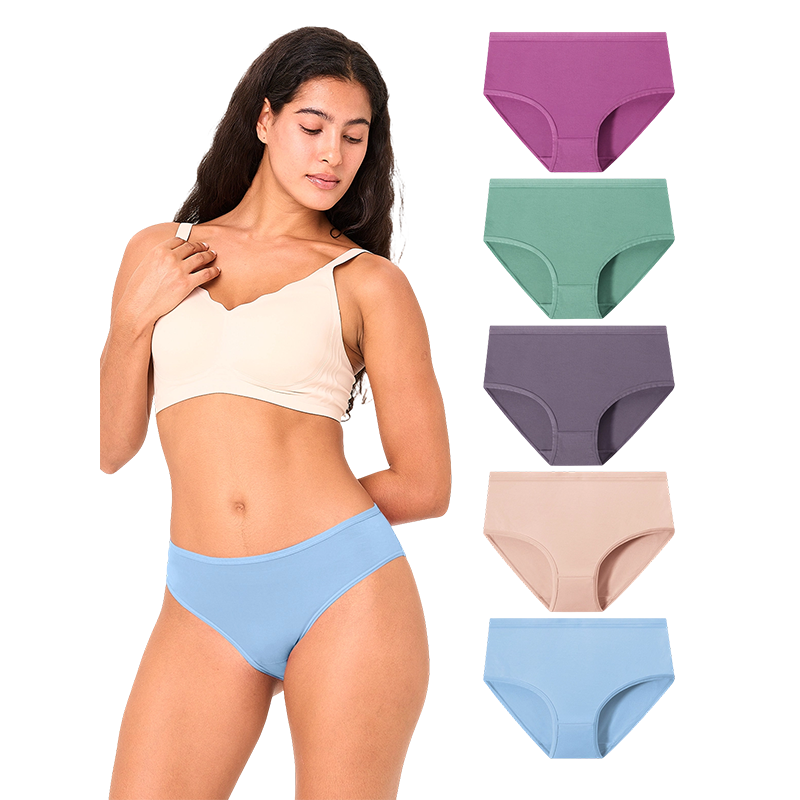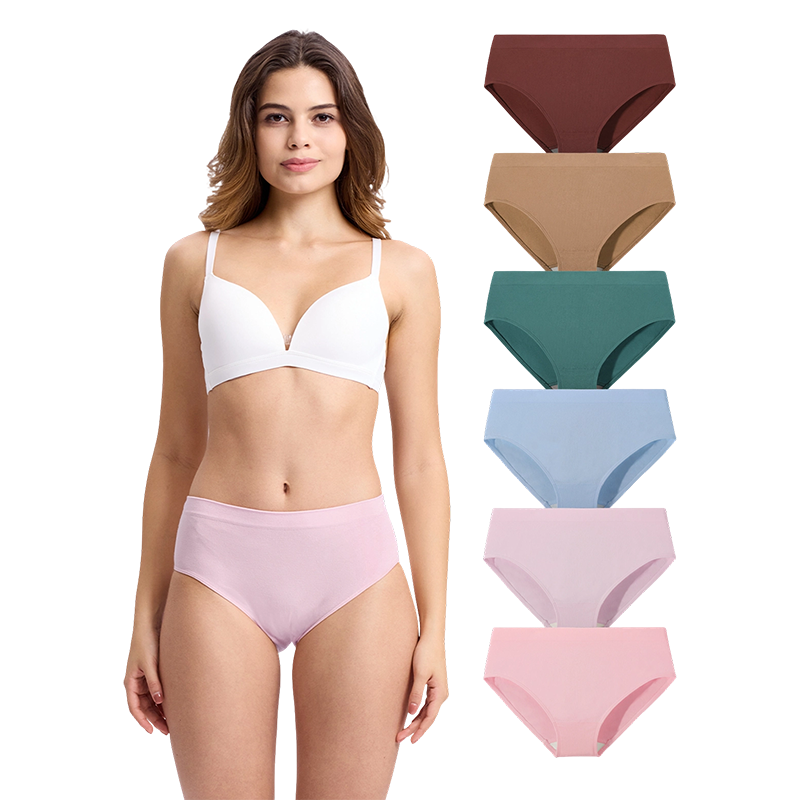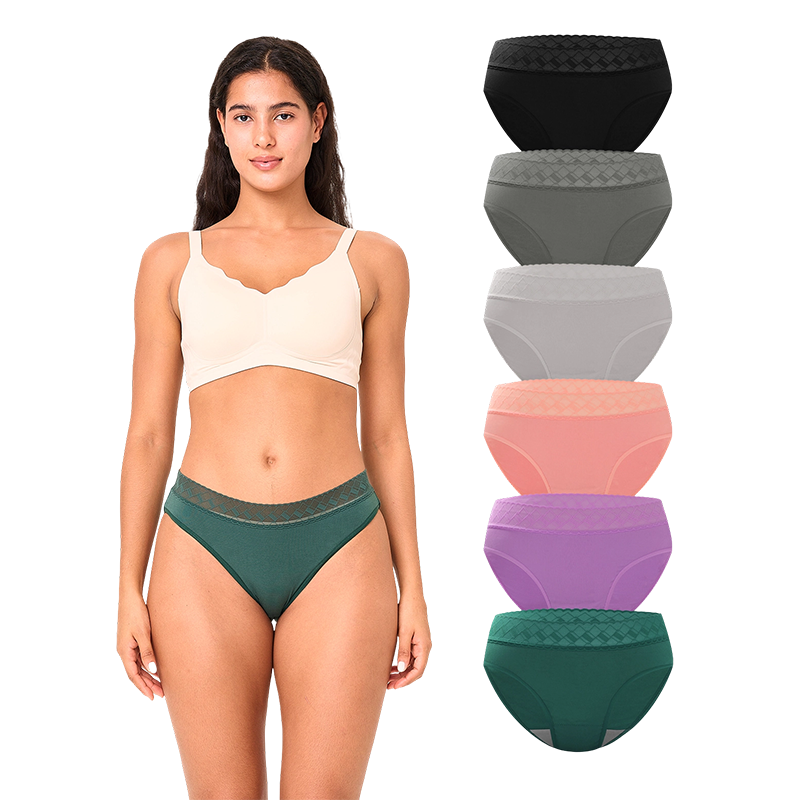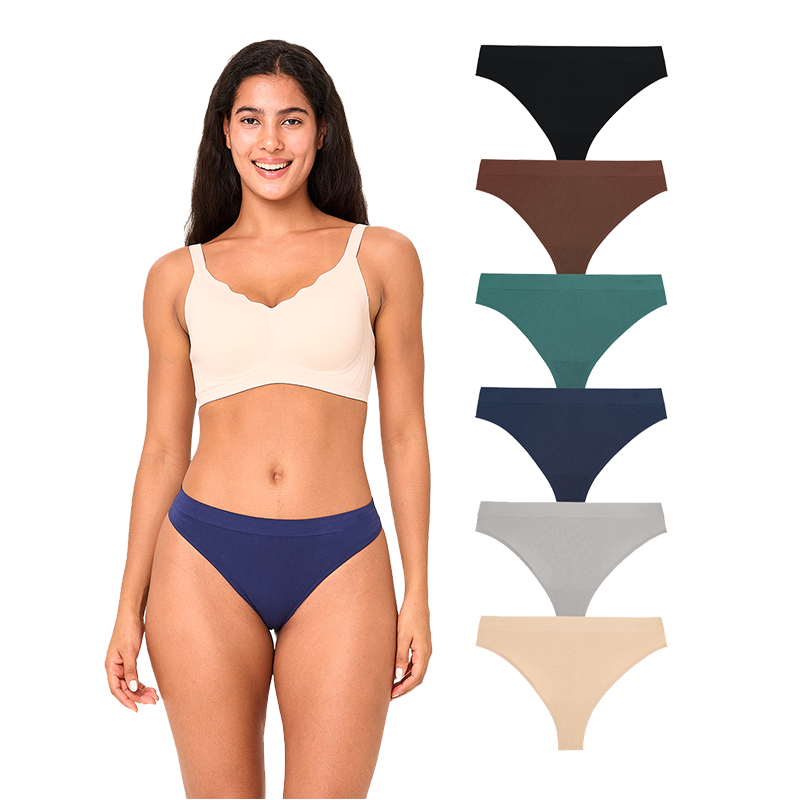
Content
The spaghetti straps camisole is one of the most adaptable pieces in a contemporary women’s wardrobe. Designed with a clean silhouette, delicate shoulder straps, and a subtly flattering neckline, it offers the comfort of an everyday base layer while retaining the polished appearance of a standalone fashion item. It can be worn beneath a blazer, layered under knitwear, paired with denim, or styled with a high-waisted skirt for a more refined look.
Modern consumers expect more from intimate apparel than basic coverage. They want softness, breathability, freedom of movement, attractive design, reliable construction, and responsible production. The right camisole must be comfortable against the skin, easy to coordinate with other garments, and durable enough to withstand repeated washing and regular use. It should also support a more sustainable approach to clothing through carefully selected fibers, responsible manufacturing, and transparent supply-chain practices.
The spaghetti straps camisole presented here is developed for these expectations. Its minimalist design makes it suitable for multiple occasions, while its luxurious blended fabric provides a soft touch and a comfortable wearing experience. As a product within the women’s seamless bra category, it is positioned between an intimate foundation garment and a light fashion top. This dual-purpose character gives it a competitive advantage over products that are designed only for sleepwear, only for layering, or only for visible styling.
Manufactured by Nantong Tianhong Textile Technology Co., Ltd., the product benefits from the company’s long-standing experience in textile research, underwear manufacturing, OEM/ODM development, and international cooperation. Established in 2001 in Nantong, one of China’s important textile centers, the company combines product development with production knowledge, quality management, sustainable material research, and customized service.
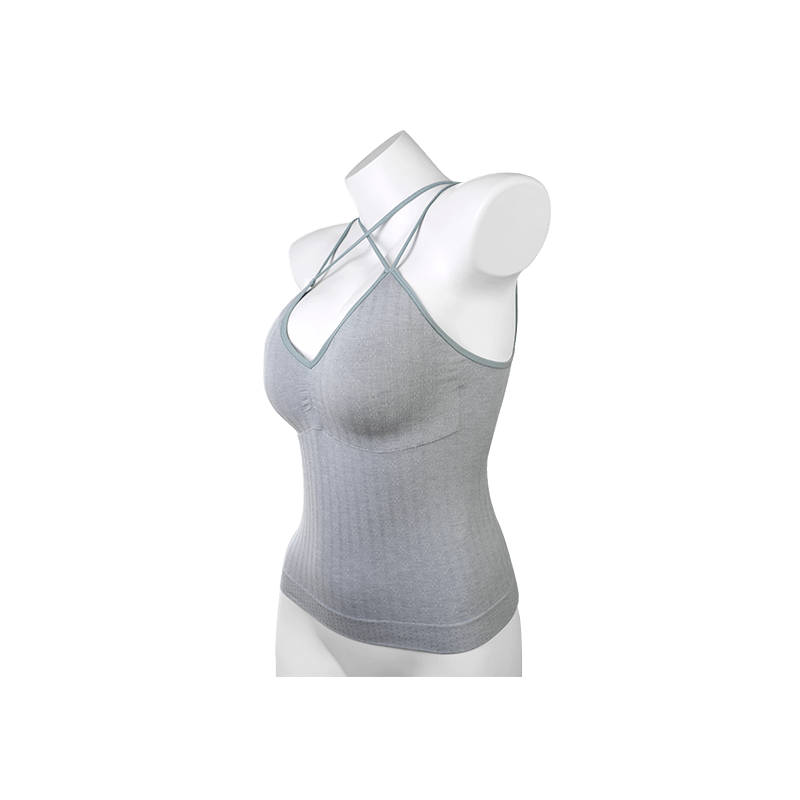
Spaghetti Straps Camisole
A camisole is traditionally recognized as a lightweight sleeveless garment with narrow shoulder straps. In modern underwear and apparel collections, the camisole has evolved into a highly flexible product. It may function as a base layer, a sleepwear item, a casual top, a modesty layer, or a soft alternative to a structured bra. The spaghetti straps camisole takes this flexibility further through a simple cut that emphasizes comfort and easy layering.
The product’s narrow straps create a discreet profile beneath shirts, cardigans, jackets, and dresses. Compared with wider-strap tank tops, the spaghetti strap structure is less visually prominent and can be easier to coordinate with garments featuring narrow shoulder openings. The design is particularly suitable for consumers who prefer a lightweight foundation without excessive bulk.
The neckline is described as subtly flattering rather than aggressively low or heavily decorative. This balance is important. A neckline that is too high may feel restrictive or appear beneath outer garments, while a neckline that is too low may reduce versatility. A moderate, carefully shaped neckline can provide a feminine appearance while preserving practical coverage for everyday wear.
As a seamless bra category product, the camisole is also suited to consumers who dislike stiff underwires, thick seams, or heavily structured cups. Seamless-inspired construction can help create a smoother visual effect beneath clothing and reduce the sensation of raised edges against the body. The result is a garment that prioritizes a soft, natural fit and broad usability.
| Product element | Practical benefit | Consumer value |
|---|---|---|
| Spaghetti straps | Creates a light, discreet shoulder profile | Easy to wear beneath a wide range of clothing |
| Minimalist silhouette | Reduces unnecessary bulk and decoration | Suitable for layering and everyday styling |
| Soft blended fabric | Provides a smooth, gentle hand feel | Improves comfort during extended wear |
| Subtly flattering neckline | Combines coverage with a feminine appearance | Works as both an inner layer and visible top |
| Versatile styling | Transitions from casual to polished outfits | Increases wardrobe value and usage frequency |
| Women’s seamless bra positioning | Supports a clean, low-profile foundation | Offers an alternative to more structured intimate apparel |
The apparel market contains many camisoles, but not all products offer the same combination of comfort, adaptability, and manufacturing support. Some low-cost camisoles use rough or unstable fabrics, weak strap attachments, excessive decoration, or cuts that limit use to a single type of outfit. Others may be attractive in photographs but uncomfortable during extended wear because of poor moisture management, insufficient stretch recovery, or imprecise pattern development.
The spaghetti straps camisole is designed around a more balanced product concept. It is not intended to compete only on appearance or only on price. Its value comes from the interaction between fabric selection, simple styling, versatile construction, and an experienced manufacturing system.
Because a camisole is frequently worn next to the skin, tactile comfort is one of its most important performance criteria. A luxurious blended fabric can provide a smoother hand feel than many basic synthetic materials. When the fabric is properly knitted, finished, and inspected, it can help reduce the roughness and friction that often make inexpensive intimate apparel uncomfortable.
Softness is especially valuable for consumers who wear camisoles for long periods, including during commuting, office work, travel, leisure, and sleep. A comfortable surface can make the garment feel less intrusive and can encourage more frequent use. This supports the product’s role as a practical wardrobe essential rather than an occasional fashion purchase.
Breathability is another important consideration in underwear and base-layer design. A breathable fabric allows heat and moisture to move away from the skin more effectively than a dense, poorly ventilated material. This can contribute to a fresher feeling during daily activity and in warmer climates.
The company’s broader focus on natural-fiber fabrics and environmentally friendly functional materials creates a strong foundation for developing breathable underwear products. Organic bamboo and other natural-fiber options may be considered within the company’s material portfolio, depending on the specific product specification, blend, and customer requirements. For buyers, this offers the possibility of combining the camisole silhouette with a fiber strategy focused on softness, comfort, and responsible sourcing.
Many camisoles are purchased because they solve a layering problem. A wearer may want additional coverage under a translucent blouse, protection from direct contact with a jacket, or a smooth layer beneath a knitted garment. The spaghetti straps camisole addresses these needs without creating a visually heavy foundation.
Its narrow straps and simple shape can be concealed under many styles of clothing. At the same time, the garment’s polished appearance allows it to be shown intentionally when worn with an open shirt, cardigan, tailored jacket, or low-coverage outer layer. This dual function gives the product a stronger competitive position than a basic undergarment that is not designed for visible styling.
The camisole can be styled with jeans for a relaxed weekend outfit, layered beneath a blazer for a professional appearance, or paired with a high-waisted skirt for a more elegant ensemble. It can also be combined with wide-leg trousers, denim jackets, lightweight cardigans, tailored shirts, and seasonal knitwear.
This versatility is commercially valuable. Consumers increasingly prefer garments that can be worn in several contexts rather than items reserved for one occasion. Retailers and private-label buyers also benefit from products with broad positioning because the same basic design can be presented through different colorways, fabric blends, trims, packaging concepts, and seasonal collections.

Fabric is central to the performance of any camisole. A successful material must balance softness, stretch, recovery, breathability, opacity, color retention, dimensional stability, and cost. These requirements can sometimes conflict. A very soft fabric may lack durability, while a highly resilient fabric may feel less natural. A lightweight fabric may be comfortable but require careful control to avoid transparency or distortion.
The product is described as being crafted from a luxurious blend. A blended construction can be useful because it allows different fibers to contribute specific performance characteristics. One fiber may provide softness, another may improve strength or recovery, and another may help stabilize the structure. The final specification can be adjusted according to the target market, price range, season, and customer preferences.
Nantong Tianhong Textile Technology Co., Ltd. emphasizes natural-fiber fabrics, environmentally friendly functional materials, and sustainable development. This is particularly relevant to underwear buyers seeking alternatives to conventional fabric programs. Organic bamboo-based materials, when properly processed and blended, can offer a soft hand feel and a comfortable wearing experience that suits intimate apparel.
For a private-label program, fabric composition should be confirmed during sampling and technical approval. Buyers may request a particular percentage of bamboo-derived fiber, organic cotton, recycled content, elastane, or other performance fibers. The most appropriate blend depends on the required stretch, weight, recovery, color range, care instructions, and target retail positioning.
Responsible material selection also requires attention to the full supply chain. Fiber origin, processing methods, dyeing, finishing, testing, and certification documentation all influence the sustainability profile of the finished garment. A manufacturer with experience in traceable supply-chain management can help customers make more informed product decisions and support claims with appropriate documentation.
A camisole must move with the body without becoming loose or misshapen. Stretch enables comfort, but recovery determines whether the garment returns to its intended dimensions after movement and washing. Poor recovery can lead to sagging straps, distorted side seams, loose openings, and a generally untidy appearance.
Proper fiber selection, knitting parameters, pattern engineering, and finishing processes work together to support shape retention. During product development, a manufacturer can assess the fabric’s stretch direction, recovery behavior, resistance to deformation, and response to repeated laundering. These checks are especially important for camisoles because the garment’s simple shape leaves little room for construction errors to be hidden.
Fabric weight influences how a camisole feels and how it performs in different climates. A lighter material may be ideal for summer, travel, and layering beneath fitted clothing. A slightly heavier fabric can provide additional coverage and warmth during transitional seasons. Buyers may therefore develop several weights from the same base silhouette to create a more complete product range.
The company’s OEM/ODM capability allows the design to be adapted for different market needs. Adjustments may include fabric weight, neckline height, strap width, length, color, finishing, labeling, and packaging. This flexibility helps brands respond to regional preferences without having to create an entirely new product concept for every collection.
The quality of a camisole depends not only on the design but also on the manufacturing system behind it. A strong factory must convert a product concept into a repeatable garment specification. This requires coordinated work across fabric development, pattern making, sample production, cutting or knitting preparation, sewing, finishing, inspection, packing, and shipment.
Nantong Tianhong Textile Technology Co., Ltd. has specialized in underwear research, manufacturing, and sales since 2001. Its long presence in the textile industry provides experience in the practical requirements of intimate apparel production. The company serves OEM and ODM customers, including established labels in Europe, North America, and China. This international experience is relevant because different markets may have distinct expectations for fit, labeling, quality, packaging, compliance, and delivery.
Product development begins with understanding the intended wearer and sales channel. A camisole for an everyday basics collection may require a different fabric and fit from a premium lounge collection or a sustainable underwear line. The manufacturer can evaluate the customer’s design drawings, reference samples, target measurements, fabric preferences, and packaging requirements before preparing a technical proposal.
During the sample stage, the design can be assessed for neckline shape, strap placement, body length, side fit, stretch, opacity, and overall balance. The simplicity of the camisole does not eliminate the need for detailed development. Small changes in strap angle, armhole depth, or neckline width can substantially affect comfort and appearance.
Pattern engineering is essential for ensuring that the camisole lies smoothly on the body. The pattern must account for fabric stretch, intended ease, bust coverage, torso length, and the relationship between the front and back sections. A pattern that is too tight may create pressure and rolling, while a pattern that is too loose may fail to provide a clean foundation under clothing.
Fit evaluation should be performed across the intended size range rather than on a single base size only. Grading must preserve the design’s proportions as the garment moves from smaller to larger sizes. For international customers, fit blocks may be adjusted according to regional measurements and target-market preferences.
In a seamless or low-profile intimate apparel product, seam and edge management are especially important. Bulky seams can become visible beneath clothing and may cause discomfort during prolonged wear. Excessive tension can create puckering, while insufficient control may result in open or unstable edges.
Manufacturing specifications should define seam type, stitch density, thread selection, edge treatment, strap attachment, and reinforcement requirements. These details help ensure that the finished garment is comfortable and durable while preserving the clean appearance expected from a modern camisole.
Color is an important part of product presentation. Neutral shades such as black, white, beige, and soft gray support broad wardrobe coordination, while seasonal colors can create interest in fashion-oriented collections. A reliable color-development process helps ensure consistency between fabric lots, production batches, trims, labels, and packaging.
Finishing processes should support softness, dimensional stability, and visual quality. The garment should be inspected for unwanted marks, loose threads, uneven edges, color variation, fabric defects, and measurement deviations. A professional finishing and inspection system reduces the risk that minor production issues will reach the customer.

Trust is particularly important in intimate apparel because the product is worn close to the body. Buyers need confidence that the fabric, dyes, trims, workmanship, and production environment meet the agreed specification. Quality assurance should therefore begin with material control and continue through final inspection.
Nantong Tianhong Textile Technology Co., Ltd. reports certifications and compliance credentials associated with FSC, OCS, OEKO-TEX 100, GOTS, WRAP, and BSCI. The specific applicability of each certification depends on the product, facility, material, and current documentation. Nevertheless, the company’s certification-oriented approach demonstrates an understanding of the standards often required by international buyers.
Testing may cover fiber composition, colorfastness, pH value, restricted substances, dimensional change, fabric strength, stretch recovery, and laundering performance. For underwear, chemical safety is particularly important because the fabric may remain in direct contact with the skin for many hours.
OEKO-TEX 100-related product requirements, where applicable to the approved article, can support buyer confidence regarding harmful-substance testing. Organic-content standards such as OCS or GOTS may be relevant when the product is developed with certified organic fibers and the required chain-of-custody conditions are met. FSC-related credentials may apply to certain forest-based fibers or supply-chain materials, subject to the relevant certification scope.
Modern apparel sourcing increasingly evaluates not only the product but also the conditions under which it is made. WRAP and BSCI-related frameworks can be relevant to workplace practices, ethical employment, health and safety, working hours, and management systems. Responsible production helps protect workers and reduces operational risks for international customers.
For a brand purchasing private-label camisoles, social compliance can also contribute to a stronger market position. Consumers and retailers are increasingly attentive to where garments are made and how workers are treated. A manufacturer that integrates compliance into its production culture is better positioned to support buyers with responsible sourcing objectives.
Traceable supply-chain management helps connect the finished product with its materials, production stages, inspection records, and shipment documentation. This is useful when buyers need to verify fiber claims, manage repeat orders, investigate quality issues, or prepare product information for retailers.
Traceability is especially valuable for sustainable underwear programs. Environmental claims should be based on documented material information rather than general marketing language. By discussing fiber sources, certification scope, processing stages, and testing requirements at the start of development, customers can create more accurate product descriptions and reduce the risk of unsupported claims.
The spaghetti straps camisole is suitable for both OEM and ODM cooperation. In an OEM arrangement, a customer may provide a detailed design, fabric requirement, measurement chart, logo specification, and packaging concept. In an ODM arrangement, the manufacturer may contribute design suggestions, material options, sample development, and technical recommendations based on its product experience.
This distinction is important for brands at different stages of development. An established label may already have a strong visual identity and require precise execution. A growing retailer may need assistance selecting fabrics, defining the fit, creating color ranges, and preparing a commercially attractive collection. An experienced manufacturer can support both approaches.
| Customization category | Potential options | Why it matters |
|---|---|---|
| Fabric | Organic bamboo blends, cotton blends, functional fibers, different weights | Defines softness, breathability, stretch, and market positioning |
| Fit | Body length, neckline, armhole, ease, size range | Adapts the product to target consumers and regions |
| Straps | Width, adjustability, color, attachment method | Influences comfort, visibility, and support |
| Color | Core neutrals, seasonal shades, custom dye colors | Supports brand identity and collection planning |
| Branding | Printed labels, woven labels, heat transfers, packaging marks | Creates a consistent private-label presentation |
| Packaging | Folding method, paper cards, boxes, recyclable bags | Improves shelf presentation and shipping organization |
| Compliance | Testing, labeling, audit, and documentation requirements | Supports entry into different markets and retail channels |
A single camisole can serve as the foundation for a broader women’s underwear collection. The same fabric program may be extended into briefs, bralettes, slips, tank tops, long camisoles, sleepwear, or layering pieces. Using coordinated materials and colors creates a unified assortment and can simplify purchasing for brands.
Retailers may also position the camisole at different price levels. A core everyday version can focus on practical colors and efficient packaging. A premium version may use a certified organic or bamboo-focused blend, elevated finishing, refined packaging, and expanded color choices. The underlying design remains recognizable while the material and presentation change according to the intended customer.
The product’s commercial appeal is strengthened by its ability to serve different styling needs. Consumers can wear it privately as an intimate foundation or visibly as part of an outfit. This flexibility helps the camisole respond to changing lifestyles, where the boundaries between underwear, loungewear, and everyday fashion are increasingly fluid.
For a casual outfit, the camisole can be paired with jeans, denim shorts, relaxed trousers, or a lightweight overshirt. Its simple shape allows accessories and outerwear to define the appearance. Sneakers, sandals, crossbody bags, and casual jackets can create an easy daytime look without making the garment feel overly formal.
When combined with a high-waisted skirt, tailored trousers, or a fitted blazer, the camisole can become part of a more refined outfit. The high-waisted silhouette visually lengthens the lower body and creates a clean transition between the camisole and the bottom garment. This makes the product useful for evening occasions, office layering, dinners, and travel wardrobes.
During spring and autumn, a camisole can be worn beneath a cardigan, shirt, lightweight sweater, or jacket. It provides an additional layer without the weight of a long-sleeved base garment. In cooler conditions, it can be combined with thermal layers or knitwear, while in warmer weather it may be worn alone or under an open shirt.
Travelers often value garments that are lightweight, easy to fold, and compatible with multiple outfits. A camisole can occupy relatively little luggage space and may be worn repeatedly with different outer layers. Its simple styling makes it a practical addition to a capsule wardrobe built around a limited number of coordinated pieces.
Sustainability in underwear requires more than selecting a fiber with an environmentally positive image. It involves material sourcing, manufacturing efficiency, chemical management, durability, packaging, labor practices, and the expected life of the garment. A soft and durable camisole may create value by remaining useful for a longer period, reducing the need for frequent replacement.
Nantong Tianhong Textile Technology Co., Ltd. identifies sustainable development as an important part of its business direction. The company focuses on environmentally friendly functional fabrics and traceable supply-chain management while serving international OEM/ODM customers. These capabilities can help buyers develop products that align more closely with responsible sourcing requirements.
A garment that loses its shape quickly is less sustainable, even if its original fabric has favorable environmental characteristics. Durability should therefore be considered during product development. Fabric recovery, seam strength, colorfastness, washing performance, and resistance to pilling all influence how long the camisole remains wearable.
Manufacturers and buyers can work together to define realistic performance targets. For example, they may agree on laundering methods, acceptable dimensional change, colorfastness levels, and inspection standards. Clear targets make quality easier to manage and help ensure that sustainability claims are supported by practical product life.
Packaging can also be reviewed as part of a responsible product program. Buyers may request reduced packaging, recyclable paper components, or packaging formats that improve carton efficiency. Better packing methods can reduce material use and support more efficient transportation, although the final packaging must still protect the garment from moisture, contamination, and damage.
Traceability can improve planning as well. Accurate production records help buyers manage repeat orders, avoid unnecessary overproduction, and coordinate inventory more efficiently. These operational improvements can complement fiber-focused sustainability initiatives.

Nantong is widely recognized as an important textile and garment production center in China. Its industrial environment provides access to textile knowledge, material resources, skilled labor, supporting suppliers, and logistics connections. A company located within this ecosystem can draw on a broad manufacturing network while maintaining specialized expertise in underwear products.
Nantong Tianhong Textile Technology Co., Ltd. has operated in this sector since 2001. Its experience covers research, manufacturing, and sales, which creates a more integrated understanding of the product life cycle. Rather than treating production as an isolated sewing task, the company can approach the camisole as a complete product involving design, material engineering, fit, quality, compliance, and customer service.
The company’s long-term partnerships with clients in Europe, North America, and China also indicate experience in serving different business environments. International customers often require detailed specifications, production approvals, testing documents, inspection reports, and shipment coordination. Familiarity with these requirements can reduce communication gaps and improve the efficiency of product development.
An underwear manufacturer’s value is measured not only by its equipment but also by its understanding of how garments behave in real use. Product knowledge includes knowing how fabric tension affects comfort, how strap placement influences fit, how laundering affects recovery, and how small changes can alter the visual appearance beneath clothing.
This knowledge is particularly important for minimalist products. A camisole has fewer decorative elements than many fashion garments, so the quality of its fabric, fit, seams, and finishing is immediately visible and noticeable to the wearer. Experienced technical teams can identify potential problems early and recommend adjustments before bulk production.
OEM/ODM cooperation depends on clear communication. Buyers should provide target measurements, reference images, fabric expectations, color standards, packaging requirements, labeling information, expected order quantities, and delivery objectives. The manufacturer can then respond with sample recommendations, material alternatives, development timelines, and production considerations.
A structured approval process may include design confirmation, fabric approval, fit sample approval, pre-production sample approval, testing, inline inspection, final inspection, and packing confirmation. This sequence helps both sides maintain a shared understanding of the product and reduces avoidable changes during production.
When comparing camisole suppliers, buyers should evaluate more than the catalog image or quoted unit price. The most competitive supplier is often the one that can deliver consistent quality, responsive development, reliable documentation, and stable repeat production.
First, assess the manufacturer’s experience with women’s underwear and seamless or low-profile products. A factory may produce general apparel but lack the technical knowledge required for intimate garments. Second, review the company’s material capabilities and determine whether it can support the desired bamboo, organic, recycled, or blended fabric strategy. Third, confirm which certifications and testing documents apply to the specific product rather than assuming that a company-level credential covers every item.
Buyers should also examine sample quality carefully. Important points include the softness of the fabric, evenness of the neckline, strap security, side fit, transparency, stretch recovery, stitching, label placement, and appearance after laundering. A professional manufacturer should be willing to discuss these details and make reasonable technical adjustments.
| Evaluation area | Questions for buyers |
|---|---|
| Product expertise | Does the supplier regularly manufacture women’s underwear and camisoles? |
| Material capability | Can the supplier provide the required blended, bamboo-focused, organic, or functional fabrics? |
| Fit development | Can the supplier create samples and grading based on the target market’s measurements? |
| Quality control | Are inspection procedures, testing plans, and acceptance standards clearly defined? |
| Certification | Which certifications apply to the actual factory, material, and finished product? |
| Customization | Can the supplier adapt color, labeling, packaging, fabric weight, and design details? |
| Communication | Is technical information presented clearly and followed consistently? |
| Repeat-order stability | Can the supplier maintain fabric, color, fit, and workmanship consistency over time? |
The spaghetti straps camisole can be positioned in several market segments. In a basic underwear collection, it offers a clean and practical alternative to heavier tank-style foundations. In a sustainable collection, it can be developed with an appropriate organic bamboo or natural-fiber blend supported by relevant documentation. In a fashion basics range, its neckline and layering potential can make it suitable for visible styling.
Its competitive advantage is not based on a single feature. Instead, it combines a soft touch, a low-profile design, breathable material possibilities, flexible styling, and a manufacturer capable of customized development. This combination creates stronger value than a product that competes only through low pricing or decorative appearance.
For retailers, the camisole can support cross-selling with coordinated underwear and apparel. Customers who purchase one color may be interested in additional neutrals or matching bottoms. Seasonal color releases can refresh the product without changing the fundamental pattern. Premium packaging and sustainability documentation can further distinguish the product in online and specialty retail environments.
For wholesale and private-label buyers, the design also offers collection efficiency. A single base style can be adapted across multiple materials, colors, and price points. This reduces the complexity of presenting an entire range while preserving a coherent brand identity. The product’s broad appeal makes it suitable for online stores, department stores, lifestyle retailers, underwear specialists, and sustainable fashion labels.
Even a well-manufactured camisole requires appropriate care. Care instructions should be determined according to the final fabric composition and finishing process. In general, gentle washing, moderate water temperature, and avoidance of harsh chemicals can help protect softness, color, and stretch recovery. Customers should follow the care label supplied with the approved product.
Proper care improves customer satisfaction because it helps the garment retain its intended fit and appearance. Brands can support this outcome by providing clear care information through labels, packaging, product pages, or customer-service materials. Good care guidance is especially important for blended fabrics and garments containing elastane or other stretch fibers.
Long-term comfort also depends on correct sizing. A camisole that is too small may create unnecessary pressure, while one that is too large may shift during movement. Retailers should provide accurate measurement information and, where possible, explain the intended fit. A well-developed size chart can reduce returns and help customers select the appropriate garment more confidently.
A spaghetti straps camisole is a lightweight sleeveless garment with narrow shoulder straps. It can be worn as underwear, a base layer, sleepwear, or a visible fashion top. Its simple silhouette makes it suitable for layering and everyday styling.
The spaghetti straps camisole generally has narrower straps, a lighter profile, and a closer relationship to intimate apparel. It is designed to provide a smooth and discreet layer beneath clothing while also being suitable for visible styling. A conventional tank top may use wider straps and a more casual, outerwear-oriented construction.
Yes. Its minimalist silhouette and low-profile design are intended to support layering. The final result depends on the fabric weight, seam construction, neckline, and fit selected for the approved version, but a carefully developed camisole can help create a smoother foundation beneath shirts, dresses, blazers, and knitwear.
The company promotes organic bamboo underwear and natural-fiber product development, while the camisole is described as being made from a luxurious blend. The exact fiber composition should be confirmed in the product specification for each order. Buyers seeking certified organic bamboo content should request the appropriate material documentation and certification scope during development.
OEM/ODM buyers can discuss fabric customization according to the required softness, breathability, stretch, recovery, weight, color, price level, and sustainability objectives. Possible options may include bamboo-focused blends, organic cotton blends, functional fibers, or other approved materials.
Yes. The product can be adapted for private-label programs through customized labels, colors, packaging, measurements, materials, and collection specifications. The precise customization options should be confirmed with the manufacturer before sampling.
Buyers should evaluate softness, neckline shape, strap attachment, armhole comfort, body length, stretch recovery, transparency, stitching, color consistency, measurement accuracy, and laundering performance. The garment should also be checked for loose threads, fabric defects, uneven edges, and unwanted distortion.
Depending on the material and production arrangement, relevant standards may include OEKO-TEX 100, GOTS, OCS, FSC, WRAP, and BSCI-related requirements. Certification applicability varies by product, facility, material, and documentation. Buyers should request current records for the specific order.
Yes. A product program may include core neutrals such as black, white, beige, and gray, together with seasonal or brand-specific colors. Color standards, lab dips, and bulk approval procedures should be agreed upon before production.
The camisole’s versatile design can be adapted for different markets through fit, size range, fabric composition, color selection, labeling, packaging, and compliance requirements. International buyers should provide the intended sales region and technical standards at the beginning of development.
Experienced underwear manufacturers understand the relationship between fabric behavior, body fit, seam comfort, stretch recovery, durability, and production consistency. They can help identify technical risks early, develop appropriate samples, support testing, and maintain quality across repeat orders.
The spaghetti straps camisole is a highly practical product with strong potential across underwear, loungewear, layering, and fashion-basics collections. Its soft blended fabric, minimalist silhouette, discreet straps, and subtly flattering neckline create a balance between comfort and appearance. It can be styled casually with jeans, elevated with a high-waisted skirt, or used as a smooth foundation beneath outer garments.
Its advantages over less versatile camisoles come from its broad usability, low-profile construction, soft touch, and potential for breathable natural-fiber development. With suitable material selection and quality control, the design can serve consumers who value comfort, simplicity, and responsible product choices.
The manufacturing partnership behind the product is equally important. Nantong Tianhong Textile Technology Co., Ltd. brings experience dating back to 2001, a location within China’s textile manufacturing hub, OEM/ODM capabilities, international customer experience, and a stated focus on sustainable fabrics and traceable supply chains. Its certification-oriented approach and understanding of underwear production provide a strong basis for developing customized products for brands and retailers.
For buyers, the next step is to define the target market, fabric composition, size range, colors, branding, packaging, testing, and certification requirements. With those details established, the camisole can be developed into a reliable core product or expanded into a complete women’s underwear collection. It is a simple design, but its commercial value is substantial: comfortable enough for everyday use, attractive enough for visible styling, and adaptable enough for modern private-label production.
International Organization for Standardization. ISO 3758: Textiles—Care Labelling Code Using Symbols.
OEKO-TEX Association. Standard 100: Testing for Harmful Substances in Textiles.
Global Organic Textile Standard. GOTS Version 7.0: Global Organic Textile Standard.
Textile Exchange. Organic Content Standard: Materials and Chain of Custody Guidance.
Forest Stewardship Council. Chain of Custody Certification Principles for Forest-Based Materials.
Worldwide Responsible Accredited Production. Principles of Responsible Production.
Business Social Compliance Initiative. Code of Conduct and Supply-Chain Due Diligence Guidance.
Nantong Tianhong Textile Technology Co., Ltd. Company information, product development profile, certification overview, and OEM/ODM manufacturing materials supplied for this article.

Copyright © Nantong Tianhong Textile Technology Co., Ltd. All Rights Reserved.
 Room 806, Building D, Jingyang Plaza, Chongchuan District, Nantong City, Jiangsu Province,china




 English
 Español
 русский
 عربى
عربى