Content
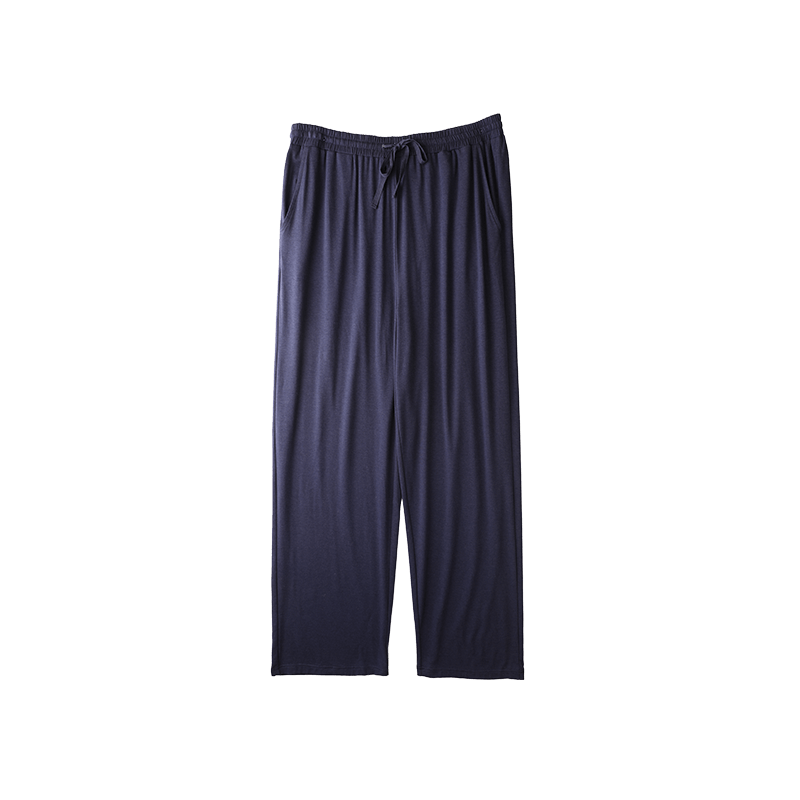
Modern sleepwear is no longer limited to garments worn only at night. For many consumers, the ideal pair of sleepwear pants must be comfortable enough for rest, flexible enough for home movement, and refined enough for casual daily moments. The sleepwear pants described here answer that demand with a loose silhouette, high-waisted comfort, breathable fabric, and an elasticated waistband designed to support the wearer through relaxed evenings, slow mornings, weekend routines, and informal home-based activities.
As a men’s loungewear product, these sleepwear pants are developed for easy mobility and daily practicality. The design focuses on softness, ventilation, durability, and a secure yet non-restrictive fit. The wearer can move comfortably while reading, cooking, working from home, stretching, relaxing after a shower, or preparing for sleep. Unlike rigid casual pants or overly thin pajama bottoms, this product aims to balance comfort, structure, and long-term usability.
The product also reflects the strengths of an experienced textile manufacturer with a background in underwear, loungewear, natural fiber development, and OEM/ODM production. Nantong Tianhong Textile Technology Co., Ltd. has built its reputation around functional fabrics, sustainable manufacturing, quality control, and customized underwear and loungewear solutions for global clients. These sleepwear pants are therefore not simply a basic homewear item; they are an example of how advanced fabric selection, pattern engineering, and responsible production can create a product that feels better, lasts longer, and fits modern consumer expectations.
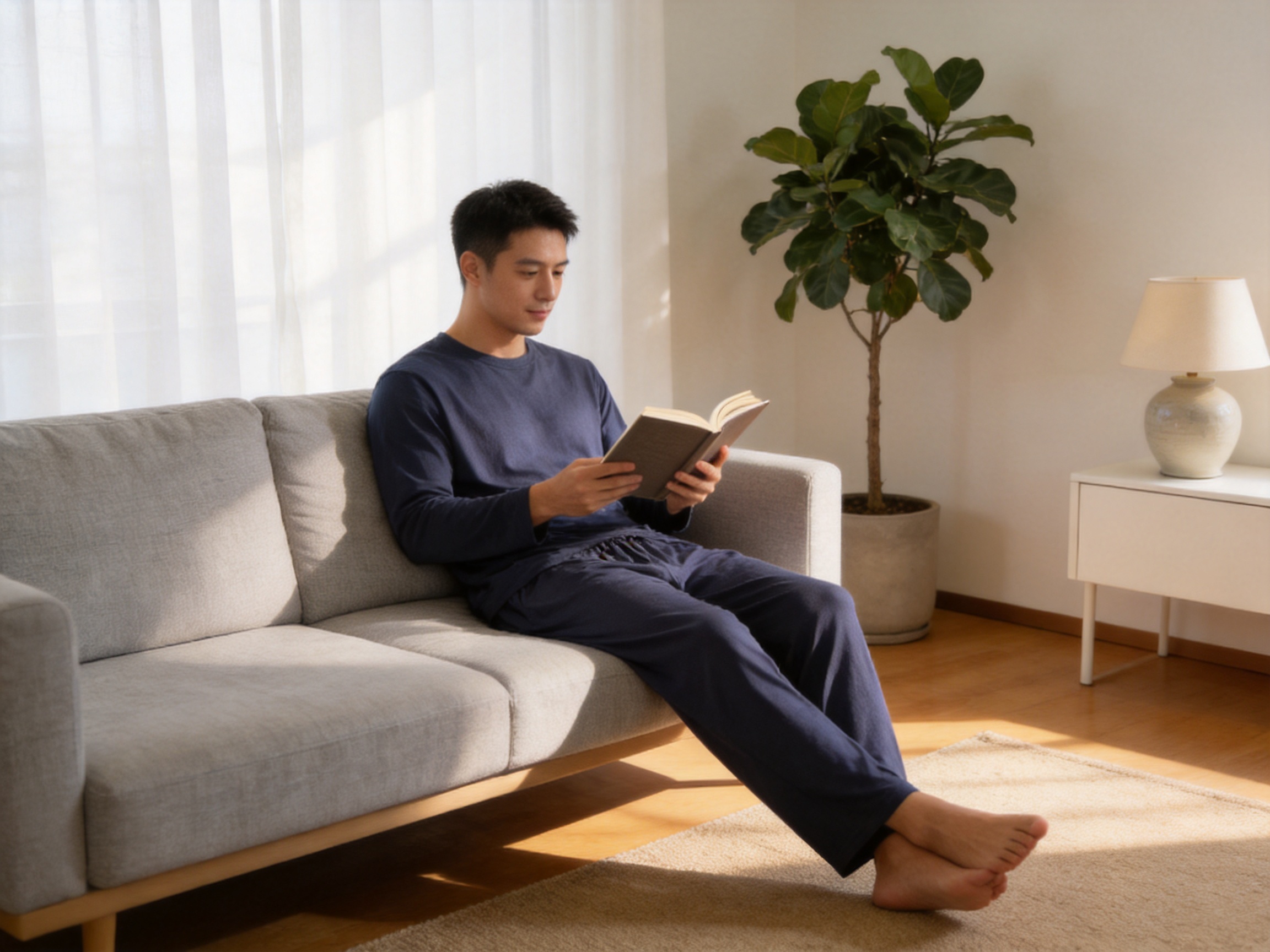
The core purpose of these sleepwear pants is to provide relaxed comfort without sacrificing fit or appearance. The loose fit gives the legs enough room to move naturally, while the high-waisted silhouette adds a sense of stability and coverage. This combination is especially important for homewear because the body moves in many different positions during daily indoor routines. A wearer may sit cross-legged on a sofa, bend to pick something up, walk around the house, or lie down to rest. The garment must adapt to each movement without pulling, twisting, or creating pressure.
The elasticated waistline is another key feature. It provides a snug fit that helps the pants remain in place, yet it does not rely on stiff hardware or restrictive closures. This makes the pants easier to wear for long periods. In sleepwear and loungewear, waistband comfort is often one of the most important details because discomfort around the waist can disturb relaxation and sleep quality. A well-designed elastic waistband supports confidence with each movement by reducing slipping and improving stability.
The fabric is described as airy and breathable, giving the pants an advantage in daily wear. Breathability helps regulate body comfort by allowing heat and moisture to escape more easily. This is important not only in warm seasons but also in climate-controlled indoor environments where heavy or poorly ventilated garments may feel uncomfortable. The breathable construction supports a cooler, fresher wearing experience.
Durability is also emphasized. Sleepwear is washed frequently, especially when used daily. A low-quality garment may lose shape, pill, shrink, or become rough after repeated laundering. These pants are made with high-quality material intended to provide cushioning comfort and lasting wear. This durability improves user satisfaction and makes the product more appealing for brands, retailers, and consumers seeking value beyond the first purchase.
A loose fit is often misunderstood as simply being oversized. In a well-developed sleepwear pant, however, looseness is controlled by pattern design, fabric behavior, and proportion. The goal is to create enough room for mobility while maintaining a clean silhouette. These pants are designed for ease rather than bulk. They support casual movement at home and provide a relaxed appearance suitable for everyday informal occasions.
Compared with tighter joggers or slim lounge pants, loose sleepwear pants reduce fabric tension around the thighs, hips, and knees. This contributes to improved comfort when sitting or lying down. For people who spend long hours indoors, especially those working from home or enjoying quiet leisure time, reduced garment pressure can make a noticeable difference. The wearer does not need to constantly adjust the pants, and the fabric can drape more naturally.
The loose fit also supports airflow. When fabric is too tight, it can trap heat and limit ventilation. A looser structure creates micro-spaces between the skin and textile, helping air circulate and allowing the body to stay cooler. This is one reason the product is well suited for daily use and casual home occasions.
From a manufacturing perspective, achieving the right loose fit requires precision. If the pattern is too wide, the pants may appear shapeless. If it is too narrow, the comfort advantage is lost. A skilled manufacturer uses body measurements, sample testing, fabric shrinkage analysis, and repeated fitting adjustments to refine the final garment. This is where Nantong Tianhong Textile Technology Co., Ltd. brings value through its experience in underwear and loungewear production.
The high-waisted silhouette provides additional comfort, coverage, and visual refinement. In sleepwear pants, the rise of the garment affects both function and appearance. A higher waist can help the pants stay positioned more securely during movement, reducing the chance of sliding down or creating gaps. This is especially beneficial when the wearer bends, stretches, or sits for extended periods.
High-waisted sleepwear pants can also provide a more balanced fit for different body types. The waistband sits at a natural point that feels stable without requiring excessive tightness. This helps reduce pressure around the lower abdomen and may improve overall comfort compared with low-rise designs that rely more heavily on compression to remain secure.
The silhouette also adds refinement. Homewear consumers increasingly want pieces that look neat enough to wear around family, answer the door, or relax in shared spaces. A high-waisted cut can make the garment appear more intentional and polished, especially when paired with a simple T-shirt, lightweight sweatshirt, robe, or casual top.
For brands, this design detail expands market appeal. A basic pajama bottom may be perceived as purely functional, while a well-shaped high-waisted sleepwear pant can belong to a lifestyle loungewear collection. It can be marketed as sleepwear, homewear, weekend wear, or casual indoor apparel. This versatility creates commercial value.
Breathability is one of the strongest product advantages. Sleepwear directly affects rest quality because the body naturally changes temperature during sleep. If a garment traps too much heat, the wearer may feel restless, sweaty, or uncomfortable. If the fabric is breathable, it supports a more balanced microclimate around the skin.
The airy fabric used in these sleepwear pants provides ideal ventilation. This means the pants are designed to reduce stuffiness and improve comfort during both rest and movement. Breathable textile construction can be achieved through fiber choice, yarn structure, knit or woven density, finishing methods, and moisture management treatments. A manufacturer with strong fabric knowledge can select or develop materials that deliver softness and airflow at the same time.
Breathable sleepwear also appeals to consumers who value hygiene and freshness. When heat and moisture are allowed to move away from the skin, the garment feels more comfortable over longer periods. This is particularly important for daily-use products that may be worn after bathing, during sleep, or throughout indoor routines.
Nantong Tianhong Textile Technology Co., Ltd. has experience in premium breathable underwear and organic bamboo underwear manufacturing. This background is highly relevant to loungewear because underwear production requires close attention to skin contact, softness, stretch, moisture comfort, and safety. The same principles can be applied to sleepwear pants to create garments that feel gentle, breathable, and dependable.
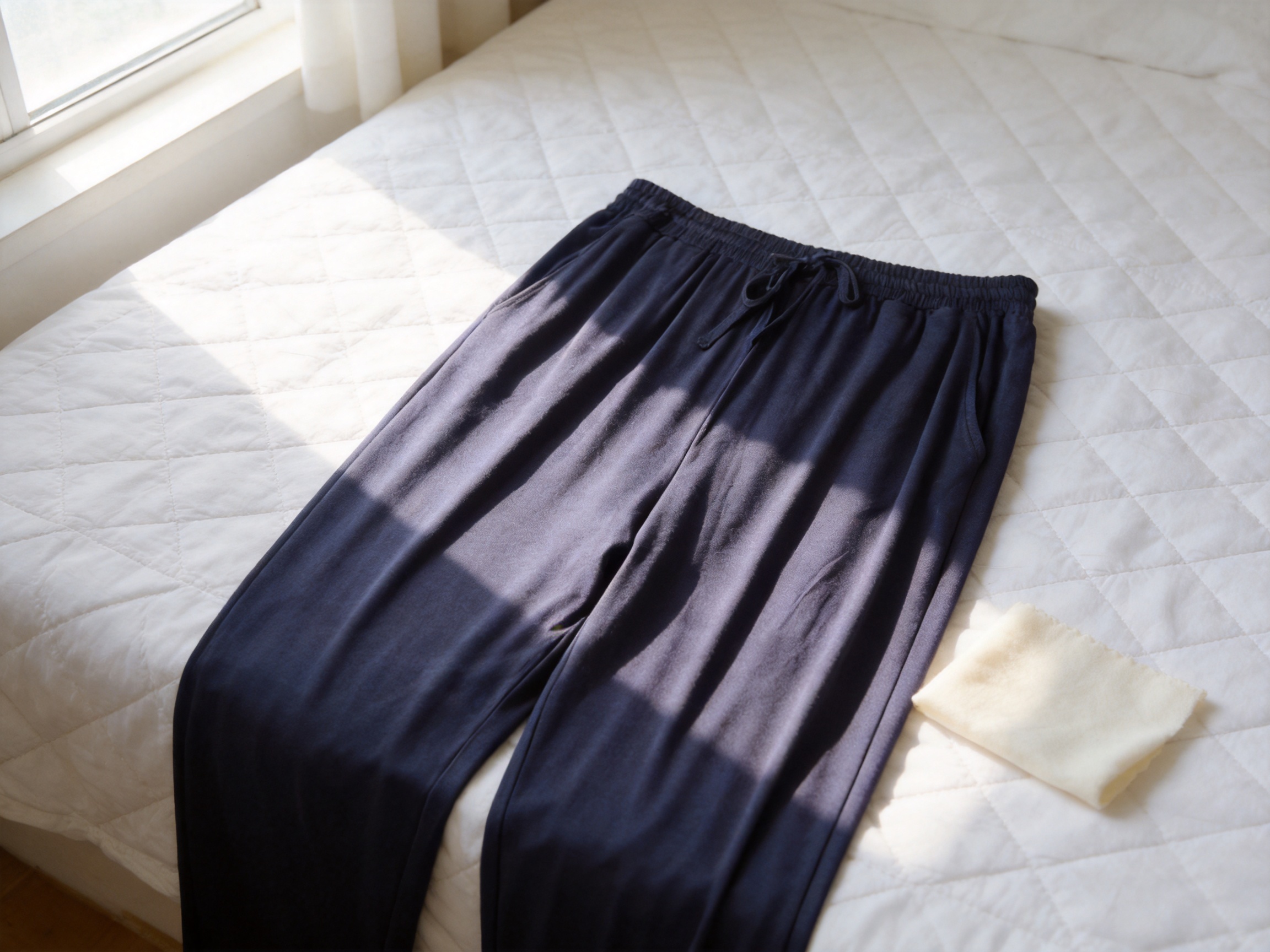
The elasticated waistline is a small detail with a large impact on user experience. A waistband that is too tight can create discomfort and leave marks. A waistband that is too loose can cause the pants to slip and require frequent adjustment. The ideal sleepwear waistband must provide enough support to stay in place while preserving the relaxed nature of the garment.
These sleepwear pants use an elasticated waistline to deliver a snug fit that moves with the body. This improves confidence during walking, stretching, sitting, and casual activity. Unlike rigid waistbands, elastic can expand and recover, adapting to natural body movement and small changes in posture.
For manufacturers, waistband quality depends on elastic selection, stitching method, tension control, and durability testing. Poorly made elastic may twist, roll, lose recovery, or deform after washing. A professional factory controls these risks through material inspection, sewing process management, and sample wash testing. The result is a waistband that supports both comfort and product longevity.
The elasticated waistline also improves size flexibility. In loungewear and sleepwear, customers often prefer a fit that allows slight variation rather than rigid tailoring. Elastic construction can accommodate different body shapes more comfortably, helping brands reduce fit complaints and improve customer satisfaction.
Sleepwear pants are among the garments most likely to be worn repeatedly. They may be used every evening, washed often, folded, packed for travel, or worn while doing light household tasks. For this reason, durability is a key measure of quality. A product that feels soft at first but quickly loses shape will not satisfy modern customers.
The sleepwear pants described here are made from high-quality material intended to be cushioning and durable. Cushioning comfort gives the fabric a pleasant hand feel, while durability ensures that the garment maintains performance through regular use. This balance is important because overly delicate materials may feel luxurious but fail in daily wear, while overly rugged materials may last but lack softness.
Durability can be evaluated through several factors: seam strength, fabric resistance to pilling, colorfastness, shrinkage control, elastic recovery, and dimensional stability. A strong manufacturer does not rely only on visual inspection. It uses standardized testing and production control to make sure garments meet expectations before shipment.
Nantong Tianhong Textile Technology Co., Ltd. has long-term experience serving clients in Europe, North America, and China. These markets often require consistent quality, reliable sizing, responsible sourcing, and compliance with international expectations. The company’s ability to build long-term partnerships demonstrates its focus on stable production and dependable garment performance.
Many sleepwear pants on the market compete primarily on price. While low-cost options may attract initial purchases, they often compromise fabric quality, fit, breathability, or durability. This product is positioned differently. It focuses on daily comfort, functional design, and manufacturing reliability.
Compared with thin, low-density pajama pants, these sleepwear pants offer a more reassuring structure and durable feel. The high-quality material helps prevent the garment from feeling flimsy. Consumers can enjoy a sense of comfort and coverage without losing breathability.
Compared with tight lounge joggers, the loose fit provides easier movement and better relaxation. Joggers can be stylish, but their tapered shape and fitted legs may not suit every sleep or home environment. Loose sleepwear pants offer less restriction and a more classic comfort experience.
Compared with heavy fleece or thick lounge bottoms, the breathable fabric helps the wearer stay cool. Heavy garments may be comfortable in cold weather but can become too warm indoors or during sleep. These pants are designed with ventilation in mind, making them more adaptable across seasons and indoor temperatures.
Compared with poorly engineered elastic waist pants, the snug elasticated waistline improves stability. This helps reduce slipping and adjustment, creating a more reliable fit during casual movement.
Compared with generic homewear products, these sleepwear pants benefit from a manufacturing background rooted in underwear and functional fabric development. Underwear manufacturing requires special attention to skin comfort, stretch, softness, and fit precision. Those competencies improve the quality of loungewear production as well.
| Feature | User Benefit | Competitive Advantage |
|---|---|---|
| Loose fit | Allows easy movement while sitting, walking, resting, or stretching | More comfortable than tight lounge pants and less restrictive during sleep |
| High-waisted silhouette | Provides stable coverage and a refined appearance | More secure and polished than low-rise pajama bottoms |
| Breathable airy fabric | Helps the wearer stay cool and comfortable | More suitable for daily use than heavy or poorly ventilated fabrics |
| Elasticated waistline | Creates a snug fit without rigid pressure | Improves fit flexibility and reduces adjustment during movement |
| Durable high-quality material | Supports frequent washing and daily wear | Offers better long-term value than low-cost, short-life alternatives |
| OEM/ODM manufacturing support | Allows customization for brands and retailers | Enables differentiated collections with reliable production control |
A strong sleepwear product begins long before final sewing. It starts with fabric development, yarn selection, pattern design, sample fitting, production planning, quality control, and packaging. Nantong Tianhong Textile Technology Co., Ltd., established in 2001, operates in Nantong, one of China’s important textile industry hubs. This location provides access to textile resources, skilled labor, supplier networks, and industry expertise.
The company specializes in the research, manufacturing, and sales of underwear products, while also offering OEM/ODM services. This means it can support customers who need either original equipment manufacturing based on existing specifications or original design manufacturing with deeper product development support. For sleepwear pants, this flexibility is valuable because different clients may require different fabrics, sizes, colors, packaging, waist constructions, labels, or sustainability claims.
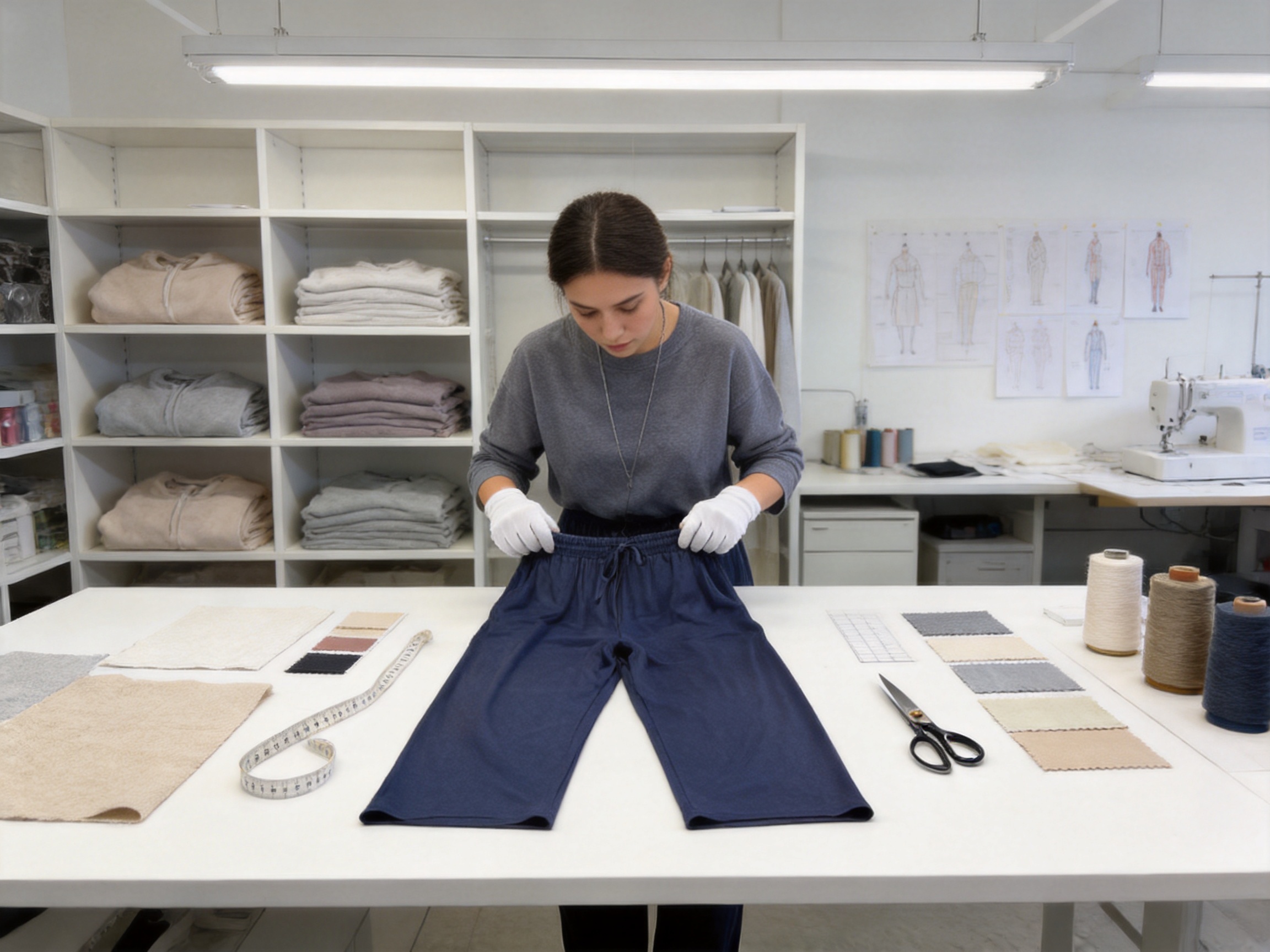
The manufacturing process typically begins with product analysis. The team reviews the target consumer, intended use, fit requirements, fabric performance, price positioning, and brand identity. For a loose high-waisted sleepwear pant, the pattern must be carefully developed to achieve comfort without unnecessary fabric bulk. Waistband tension must be calibrated. Fabric shrinkage must be considered before cutting. Seam placement must support comfort and durability.
During sample development, technicians assess how the fabric behaves after sewing and washing. They check whether the garment keeps its shape, whether the waistband recovers properly, whether the leg opening hangs correctly, and whether the overall fit matches the intended silhouette. Adjustments may be made before bulk production to ensure consistency.
In bulk manufacturing, process control becomes essential. Fabric rolls are inspected for defects, color consistency, width, and hand feel. Cutting must be accurate to maintain size consistency. Sewing operators follow defined procedures to control seam strength and appearance. Quality inspectors check measurements, construction, workmanship, and finishing. These steps reduce defects and improve customer confidence.
Underwear and loungewear share an important characteristic: both are worn close to the skin for extended periods. This makes fabric quality especially important. A manufacturer experienced in underwear understands that softness, breathability, safety, and fit are not optional details. They are central to product success.
Nantong Tianhong Textile Technology Co., Ltd. focuses on environmentally friendly functional fabrics and natural fiber development. Its expertise in organic bamboo underwear and premium breathable underwear supports the creation of garments that prioritize comfort and sustainability. Bamboo-derived fibers, organic cotton, modal, and other natural or regenerated fibers may be considered in customized product programs depending on client needs and certification requirements.
For sleepwear pants, fabric selection must consider multiple performance goals. The fabric should feel soft against the skin, allow air circulation, resist deformation, and maintain comfort after washing. It should also support the desired silhouette. A fabric that is too stiff may not feel relaxing, while a fabric that is too weak may lose shape. The manufacturer’s role is to balance these factors through material sourcing and testing.
Breathable fabrics can be further enhanced through construction choices. Knitted fabrics may provide stretch and softness, while woven fabrics may provide a crisp drape and structure. Blended yarns can combine the advantages of different fibers. Finishing processes can improve hand feel, reduce shrinkage, and enhance surface smoothness. With strong fabric knowledge, the company can help clients create sleepwear pants that meet specific market expectations.
Consumers and brands increasingly expect garments to be made responsibly. Comfort alone is no longer enough. Buyers want to know whether materials are traceable, whether workers are treated properly, and whether production meets recognized standards. Nantong Tianhong Textile Technology Co., Ltd. places importance on sustainable development, environmentally friendly functional fabrics, and traceable supply chain management.
The company’s products are associated with certifications and standards such as FSC, OCS, OEKO-TEX 100, GOTS, WRAP, and BSCI. These standards cover different aspects of responsible production, including material sourcing, organic content, harmful substance testing, social compliance, and ethical manufacturing practices. For international buyers, these certifications can simplify supplier evaluation and support brand responsibility claims.
For sleepwear pants, sustainability can be reflected in several ways. Fabric may be selected from certified or responsibly sourced fibers. Dyeing and finishing can be managed to meet safety requirements. Packaging can be customized with lower-impact options. Production planning can reduce waste through efficient marker making and accurate cutting. Quality control can reduce rejected goods, which also reduces material waste.
Responsible production also strengthens long-term business relationships. Brands that sell in Europe and North America often need suppliers who understand compliance documentation, testing procedures, and audit expectations. A manufacturer with experience in these areas can help reduce risk and improve development efficiency.
One of the major strengths behind this product is the manufacturer’s OEM/ODM capability. Sleepwear pants may appear simple at first glance, but they offer many opportunities for customization. A brand may want a minimalist men’s loungewear collection, a breathable summer sleepwear line, a natural fiber homewear capsule, or a premium pajama set. Each concept requires different design and production decisions.
Customization can include fabric composition, fabric weight, color, waistband width, drawcord options, pocket design, inseam length, leg opening, logo placement, label type, packaging, and size range. For example, a retailer targeting warmer climates may choose a lighter breathable fabric, while a premium homewear brand may request a smoother hand feel and more refined drape. A wellness-oriented brand may emphasize organic or certified materials.
OEM/ODM support also allows clients to develop coordinated collections. The sleepwear pants can be paired with matching tops, robes, underwear, or loungewear sets. Because Nantong Tianhong Textile Technology Co., Ltd. has broad experience in underwear and related apparel, it can support collection-level thinking rather than producing a single isolated item.
Customization is not only about appearance. It also includes performance. Brands may require specific shrinkage limits, colorfastness levels, elastic recovery standards, or packaging requirements. A capable manufacturer can translate these requirements into production specifications and testing procedures.
Quality control is essential in sleepwear because customers judge the product through repeated personal use. A small defect that might be overlooked on a decorative garment can become highly irritating in homewear. Scratchy seams, twisting waistbands, uneven legs, poor shrinkage control, or rough fabric can quickly lead to dissatisfaction.
A professional production process begins with incoming material inspection. Fabric is checked for defects such as holes, stains, uneven dyeing, width variation, or inconsistent texture. Elastic and trims are checked for recovery, color, and strength. These checks help prevent problems from entering the sewing line.
Cutting accuracy is another important step. If panels are cut incorrectly, garment measurements will vary. For a high-waisted loose pant, rise measurement, waist width, hip width, thigh width, inseam, and outseam must be controlled. Accurate cutting supports consistent fit across sizes.
Sewing quality affects both durability and comfort. Seams must be strong enough for movement and washing, but they should not be bulky or irritating. Waistband stitching must hold the elastic securely. Hem finishing must be neat. If pockets or drawcords are added in customized versions, they must be aligned and reinforced properly.
Finished garment inspection checks measurements, appearance, workmanship, labels, packaging, and overall presentation. Wash testing may be conducted to evaluate shrinkage, colorfastness, twisting, and post-wash hand feel. These procedures support reliable product delivery for brands and retailers.
The product description emphasizes use at home or on casual occasions. This is important because modern loungewear often crosses boundaries between sleepwear and casual home apparel. Consumers want garments that feel relaxed but do not look careless. These sleepwear pants meet that need through a combination of loose fit, high-waisted design, and clean comfort.
At home, the pants provide freedom for everyday routines. The wearer can move easily from bedroom to kitchen, from sofa to workspace, or from evening relaxation to morning preparation. The breathable fabric supports comfort during long wear, while the elastic waistband keeps the fit secure.
For casual occasions, the high-waisted silhouette and controlled loose fit help the pants appear more refined than basic pajama bottoms. They may be suitable for quiet weekends, travel lodging, dormitory life, shared apartments, or relaxed family environments. This versatility increases the garment’s usefulness and makes it more likely to become a favorite daily item.
Design refinement also improves perceived value. Consumers are more willing to repurchase or recommend sleepwear that performs well in multiple situations. Brands benefit from fewer returns, stronger reviews, and a clearer product story.
Comfort may seem simple, but in garment manufacturing it is a technical achievement. It depends on fiber properties, yarn structure, fabric construction, garment pattern, seam placement, waistband design, finishing, and washing behavior. A sleepwear pant must perform during stillness and movement, in different temperatures, and across repeated laundering.
The loose fit contributes mechanical comfort by reducing restriction. The high waist contributes positional comfort by improving stability. The breathable fabric contributes thermal comfort by supporting ventilation. The high-quality material contributes tactile comfort through softness and cushioning. The elasticated waistband contributes adaptive comfort by moving with the body.
When these elements work together, the wearer experiences ease rather than noticing the garment. This is the best measure of successful sleepwear: it should not distract, bind, overheat, or require adjustment. It should simply support relaxation.
Manufacturing expertise ensures that comfort is repeatable at scale. A sample may feel good, but bulk production must deliver the same result across hundreds or thousands of pieces. This requires disciplined sourcing, production control, and inspection. Nantong Tianhong Textile Technology Co., Ltd. provides this foundation through its long industry experience and commitment to high-quality customized products.
Sleepwear and loungewear continue to be strong categories because consumers increasingly value comfort-driven clothing. The rise of remote work, home-centered lifestyles, wellness awareness, and casual dressing has expanded demand for garments that bridge rest and daily activity. These sleepwear pants align with those trends.
For brands, the product offers a clear value proposition: breathable comfort, easy mobility, durable material, and refined homewear styling. It can be positioned as men’s loungewear, sleepwear pants, casual home pants, breathable pajama bottoms, or part of a natural fiber comfort collection. With OEM/ODM customization, the product can be adapted for different markets and price levels.
Retailers benefit from products that are easy to explain. Customers quickly understand the value of a loose fit, elastic waist, breathable fabric, and daily-use durability. These features address common pain points in sleepwear: overheating, tightness, poor fit, and short product life.
The product may also support cross-selling. It can be paired with underwear, T-shirts, tank tops, thermal layers, robes, socks, or homewear sets. Because the manufacturer has expertise in underwear and related garments, buyers can develop broader product assortments with consistent quality and fabric direction.
Although the item is categorized as men’s loungewear, it is closely connected to the broader world of underwear and skin-contact apparel. The same consumer who seeks premium breathable underwear often also wants breathable sleepwear. Both categories depend on comfort, softness, fit, and moisture-friendly performance.
Nantong Tianhong Textile Technology Co., Ltd. has positioned itself as a manufacturer and factory for organic bamboo underwear and premium breathable underwear. This expertise can support loungewear development because fabric standards and comfort expectations are similar. A brand may choose to develop a full comfort collection that includes underwear, sleepwear pants, lounge tops, and casual home garments made with compatible materials and design language.
Organic bamboo underwear and breathable underwear markets are driven by consumers who care about softness, sustainability, and body comfort. Sleepwear pants with airy fabric and a relaxed fit can appeal to the same audience. When produced with certified or responsibly sourced materials, the product can become part of a larger sustainable lifestyle offering.
This connection gives the manufacturer a strategic advantage over suppliers that only produce basic pajamas. Tianhong’s understanding of underwear-grade comfort allows it to approach loungewear with higher sensitivity to skin feel, elasticity, breathability, and safe material selection.
Fit is one of the most important factors in repeat purchase behavior. In sleepwear pants, consumers may accept a relaxed silhouette, but they still expect the size to feel intentional. The waistband should fit properly, the rise should provide comfort, the length should be appropriate, and the leg width should allow movement without looking awkward.
Fit engineering begins with measurement specifications. Each size must be graded carefully so that proportions remain consistent. High-waisted pants require special attention because rise and waist placement affect comfort and appearance. If grading is poorly managed, larger sizes may become too bulky or smaller sizes may become restrictive.
Fabric behavior also affects fit. Some fabrics stretch and recover, while others drape without much elasticity. Shrinkage after washing can change length and width. A professional manufacturer accounts for these factors before bulk production. Pre-production samples and wash tests help identify adjustments needed to maintain final measurements.
Consistent sizing supports brand trust. Customers are more likely to repurchase when they know a garment will fit as expected. For international buyers, consistent sizing also reduces returns and customer service costs.
Indoor comfort varies greatly depending on season, region, heating, air conditioning, and personal body temperature. Some people overheat easily during sleep, while others need garments that provide gentle coverage without trapping warmth. Breathable sleepwear pants help accommodate these different conditions.
Airy fabric supports heat release. When combined with a loose fit, it creates a more comfortable microclimate between the garment and the skin. This can be especially valuable during transitional seasons when heavy sleepwear feels excessive but very thin garments lack comfort and coverage.
Moisture comfort is also important. During sleep or indoor activity, the body may release small amounts of perspiration. Breathable materials help reduce dampness and discomfort. Depending on the chosen fabric composition in customized production, moisture absorption and drying behavior can be adjusted for different market needs.
For premium buyers, fabric testing can provide measurable support for breathability claims. Air permeability, moisture management, and drying performance may be evaluated according to applicable standards. A manufacturer with strong textile knowledge can guide clients toward realistic performance claims and suitable material choices.
The product description mentions cushioning durable material. In sleepwear, cushioning does not necessarily mean thick or heavy. It can refer to a pleasant softness, a gentle fabric body, and a comfortable feeling against the skin. The challenge is to provide this comfort without making the pants too warm or bulky.
High-quality fabric construction can create a soft, cushioned hand feel while preserving breathability. Yarn selection, knitting or weaving method, brushing, washing, and finishing all influence the final touch. A fabric may feel smooth, slightly plush, cool, or dry depending on the intended market position.
Compared with low-quality thin materials, a cushioned fabric can feel more premium and provide better coverage. Compared with heavy fleece, it can remain more breathable and suitable for daily indoor use. This balance helps the pants stand out in a competitive loungewear category.
For brands, tactile quality is important because customers often decide whether to buy sleepwear by touching it in-store or reading comfort-focused reviews online. A garment that feels good immediately and continues to feel good after washing has a stronger chance of building loyalty.
Traceable supply chain management is increasingly important for apparel brands. It helps verify material origin, production responsibility, and compliance with market expectations. Nantong Tianhong Textile Technology Co., Ltd. emphasizes traceability and works with recognized standards such as FSC, OCS, OEKO-TEX 100, GOTS, WRAP, and BSCI.
For sleepwear pants, certification value depends on the chosen fabric and production program. OEKO-TEX 100, for example, is widely recognized for testing textiles for harmful substances. GOTS is relevant for organic textiles under strict ecological and social criteria. OCS verifies organic content. FSC may apply to forest-based materials when appropriate. WRAP and BSCI relate to responsible manufacturing and social compliance.
These certifications help brands communicate responsibility to consumers and retail partners. They also support entry into markets with strict compliance expectations. For buyers, working with a manufacturer familiar with these systems can reduce development complexity and increase confidence.
Certification is not just a marketing tool. It reflects disciplined documentation, supplier coordination, production control, and audit readiness. These capabilities are part of the company’s broader manufacturing strength.
Nantong is known as an important textile center in China. A manufacturer located in such an environment benefits from access to fabric suppliers, trims, skilled technicians, testing resources, and logistics networks. This industrial ecosystem can improve development speed and production flexibility.
Nantong Tianhong Textile Technology Co., Ltd. has operated since 2001, giving it more than two decades of industry experience. Longevity matters in apparel manufacturing because it reflects the ability to adapt to changing customer requirements, market trends, quality standards, and compliance expectations.
The company has established long-term partnerships with clients in Europe, North America, and China. Serving different markets requires understanding diverse fit preferences, regulatory expectations, design styles, and quality benchmarks. This international experience is valuable for buyers seeking sleepwear and loungewear products that can compete globally.
The company’s mission is to become a global leader in natural fiber fabrics and underwear products through continuous research and innovation. This mission aligns with current demand for comfortable, sustainable, and customized apparel. Sleepwear pants are a natural extension of that expertise because they depend on many of the same strengths: fabric knowledge, comfort engineering, responsible sourcing, and quality production.
For a brand interested in developing these sleepwear pants, the development process can be structured in clear stages. First, the buyer defines the target market, price range, size range, fabric preference, and design details. The manufacturer then recommends suitable materials and construction options.
Second, sample development begins. A prototype is created based on the desired loose fit, high-waisted silhouette, and elasticated waistline. The sample is reviewed for comfort, measurements, appearance, and fabric behavior. Adjustments are made as needed.
Third, testing and confirmation are conducted. Depending on buyer requirements, the garment may be checked for shrinkage, colorfastness, seam strength, elastic recovery, and harmful substance compliance. If certified materials are requested, documentation is prepared.
Fourth, bulk production is planned. Fabric procurement, cutting, sewing, finishing, inspection, and packaging are scheduled. Production control ensures that the approved sample is accurately replicated.
Finally, shipment and after-sales communication complete the process. A strong supplier remains responsive after delivery, supporting future reorder planning, product improvements, and new collection development.
The first thing a consumer notices is how the pants feel when pulled on. The elasticated waist should sit securely without biting. The high-waisted rise should provide comfortable coverage. The loose leg should allow immediate ease. The fabric should feel soft and breathable against the skin.
During movement, the pants should remain stable. The wearer should be able to walk, sit, bend, and stretch without feeling restricted. The waistband should not roll or slide excessively. The fabric should not cling uncomfortably or trap heat.
During rest, the pants should support relaxation. A good sleepwear pant should not create pressure points or irritation. Breathable fabric helps prevent overheating. The loose fit supports natural sleeping positions.
After washing, the garment should continue to perform. It should maintain shape, softness, and waistband recovery. Durable material and proper construction help preserve the original comfort experience. Long-term satisfaction depends on this post-wash reliability.
Although the final care instructions depend on the selected fabric composition and client requirements, sleepwear pants generally benefit from gentle washing and proper drying. Customers should follow the garment care label to protect softness, color, shape, and elastic performance.
Washing with similar colors, avoiding harsh bleaching, and using moderate temperatures can help preserve fabric quality. Overheating during drying may damage elastic or increase shrinkage in some materials. Gentle care supports longer product life and improves customer satisfaction.
For brands, clear care labeling is important. It reduces customer confusion and helps prevent damage caused by improper laundering. A professional manufacturer can help prepare care instructions based on fabric testing and regulatory requirements.
They combine a loose fit, high-waisted silhouette, breathable fabric, durable material, and elasticated waistline. These features support comfort during sleep, relaxation, and casual home activities.
No. They are designed for sleepwear, homewear, and casual occasions. The refined high-waisted shape and comfortable loose fit make them suitable for many indoor daily routines.
The airy fabric supports ventilation, while the loose fit allows better airflow around the body. This helps reduce stuffiness and supports a cooler wearing experience.
The elasticated waistline provides a snug fit without rigid restriction. It helps keep the pants in place during movement and improves comfort during long wear.
They offer a more refined high-waisted silhouette, durable high-quality material, breathable comfort, and professional manufacturing support. Many ordinary pajama bottoms focus only on low cost and may lack fit stability or long-term durability.
Yes. Through OEM/ODM services, the manufacturer can support customization in fabric, color, size range, waistband design, labels, packaging, and other details.
Yes. Depending on the client’s requirements, the manufacturer can support development using certified or responsibly sourced materials. The company works with standards such as FSC, OCS, OEKO-TEX 100, GOTS, WRAP, and BSCI.
Underwear requires strong attention to skin comfort, breathability, stretch, softness, and safety. These same skills help create sleepwear pants that feel better and perform reliably during daily use.
The product is suitable for apparel brands, underwear labels, loungewear retailers, sustainable fashion companies, private-label buyers, and distributors seeking comfortable men’s homewear products.
The main advantage is balanced comfort: the pants are loose but not careless, breathable but still durable, snug at the waist but not restrictive, and suitable for both rest and casual home movement.
These sleepwear pants represent a practical and thoughtful approach to men’s loungewear. They are designed for easy mobility, daily comfort, and casual refinement. The loose fit supports natural movement, the high-waisted silhouette improves coverage and style, the breathable airy fabric helps the wearer stay cool, and the elasticated waistline provides secure comfort.
The product stands apart from common competitors by offering more than basic pajama functionality. It combines comfort engineering, fabric quality, durability, and professional production support. For consumers, this means a more satisfying daily garment. For brands and retailers, it means a product with strong market appeal and customization potential.
Behind the garment is the manufacturing strength of Nantong Tianhong Textile Technology Co., Ltd., a company with more than two decades of experience in underwear and textile product development. Its focus on OEM/ODM services, natural fiber fabrics, breathable materials, sustainable development, traceable supply chains, and international certifications gives buyers a reliable foundation for product development.
In a market where comfort, responsibility, and versatility increasingly define value, breathable sleepwear pants like these offer a strong opportunity. They meet the needs of modern consumers who want garments that help them relax, move freely, stay cool, and feel confident at home. With advanced manufacturing support and thoughtful design, this product sets a higher standard for everyday sleepwear and loungewear.
Textile Institute. Textile Terms and Definitions. Manchester: Textile Institute.
Kadolph, Sara J. Textiles. Pearson Education.
Collier, Billie J., and Phyllis G. Tortora. Understanding Textiles. Pearson.
Glock, Ruth E., and Grace I. Kunz. Apparel Manufacturing: Sewn Product Analysis. Pearson.
International Organization for Standardization. Textile Testing and Quality Management Standards.
OEKO-TEX Association. Standard 100 Testing Principles and Criteria.
Global Organic Textile Standard. GOTS Manual for Implementation.
Worldwide Responsible Accredited Production. Principles of Responsible Apparel Manufacturing.

Copyright © Nantong Tianhong Textile Technology Co., Ltd. All Rights Reserved.
 Room 806, Building D, Jingyang Plaza, Chongchuan District, Nantong City, Jiangsu Province,china

 English
 Español
 русский
 عربى
عربى