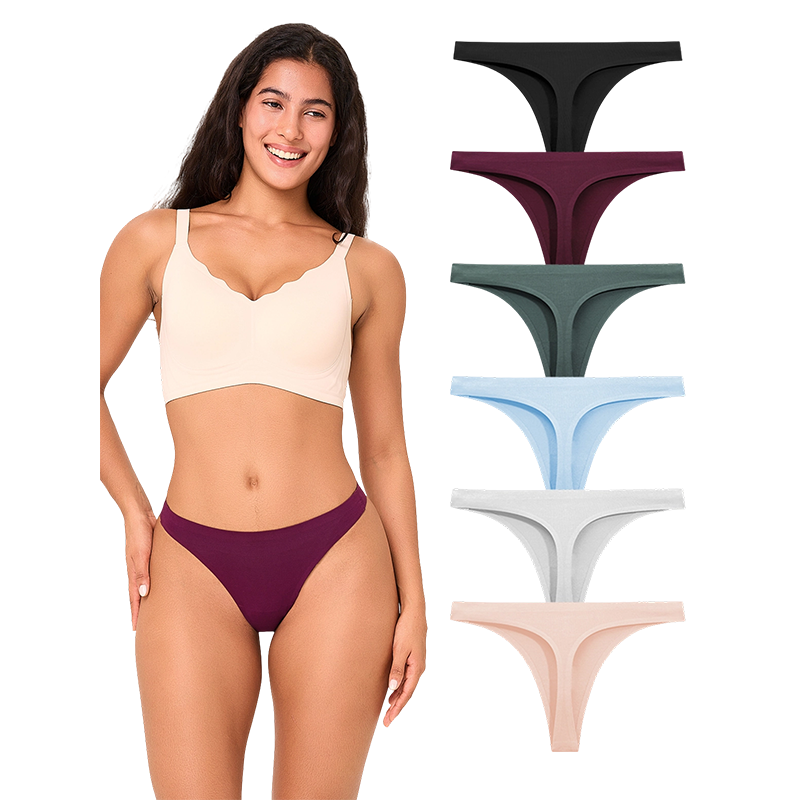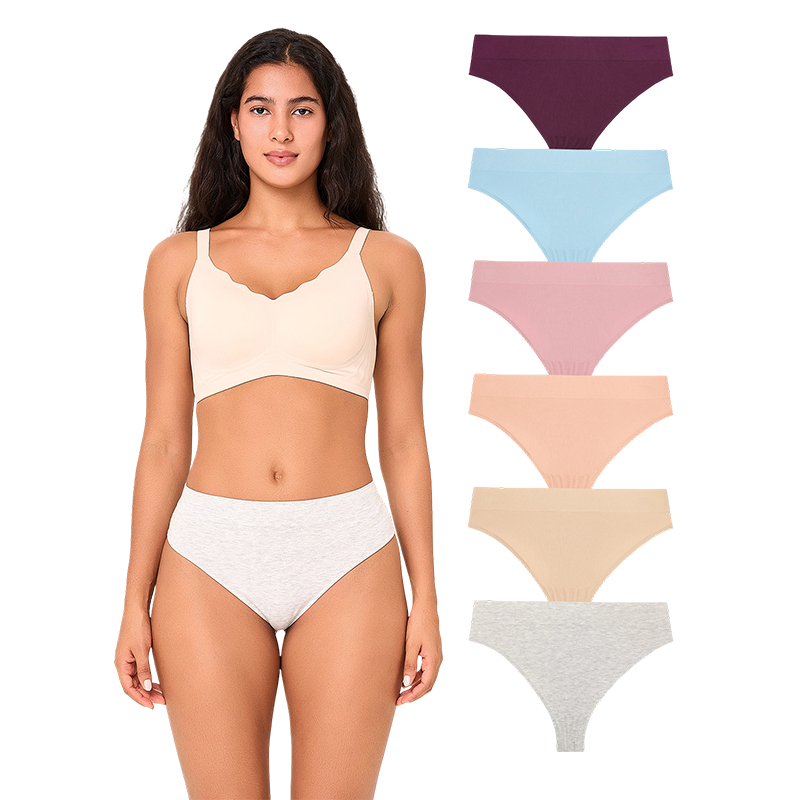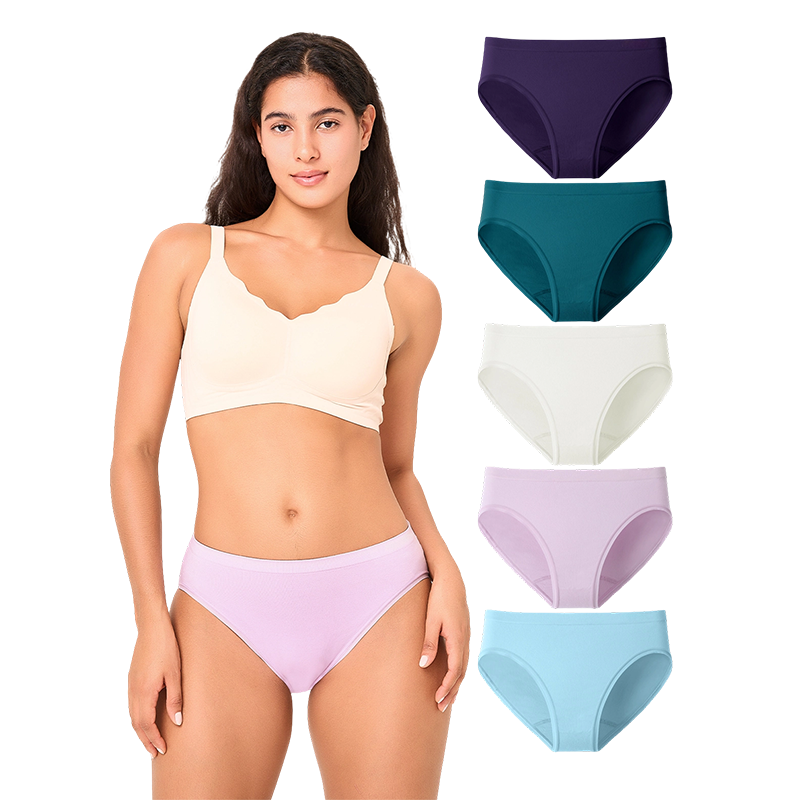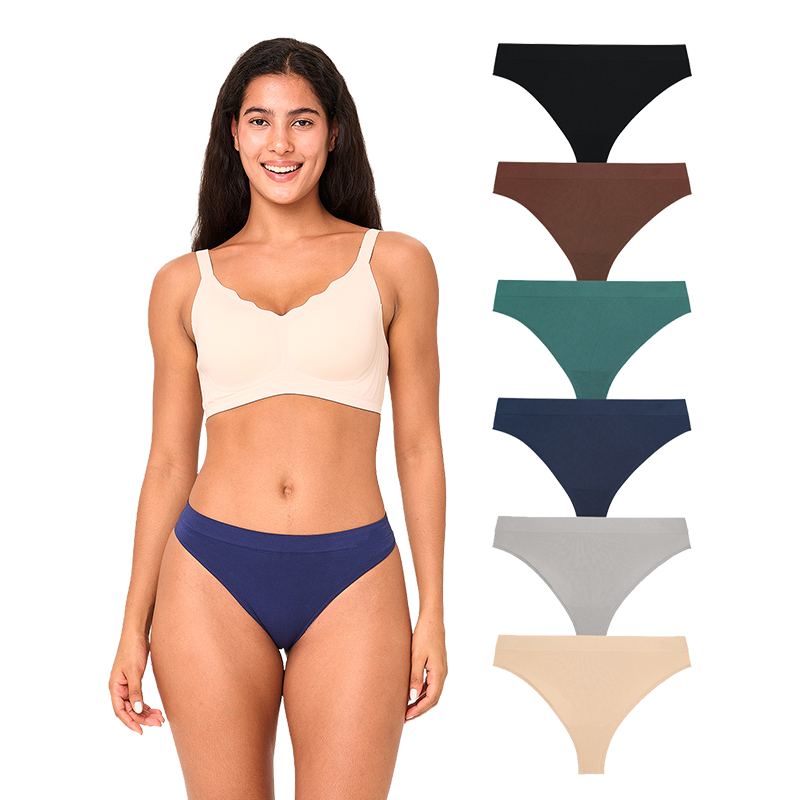
Content
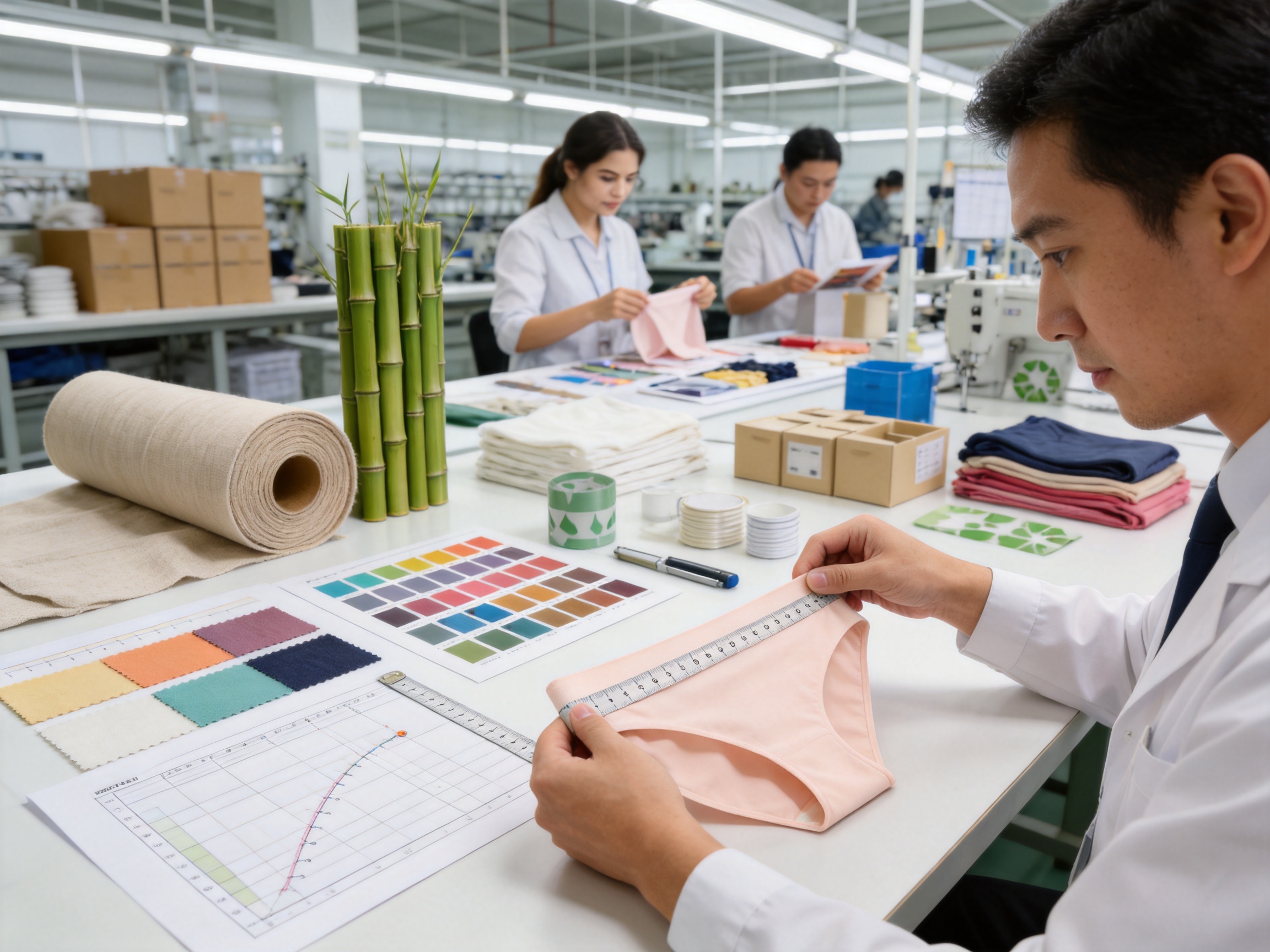
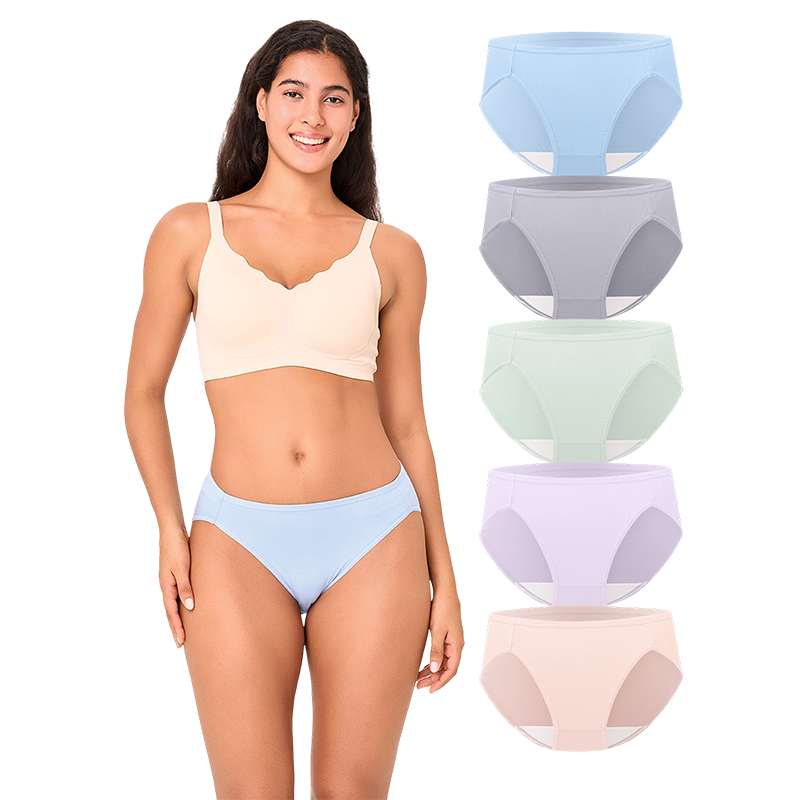
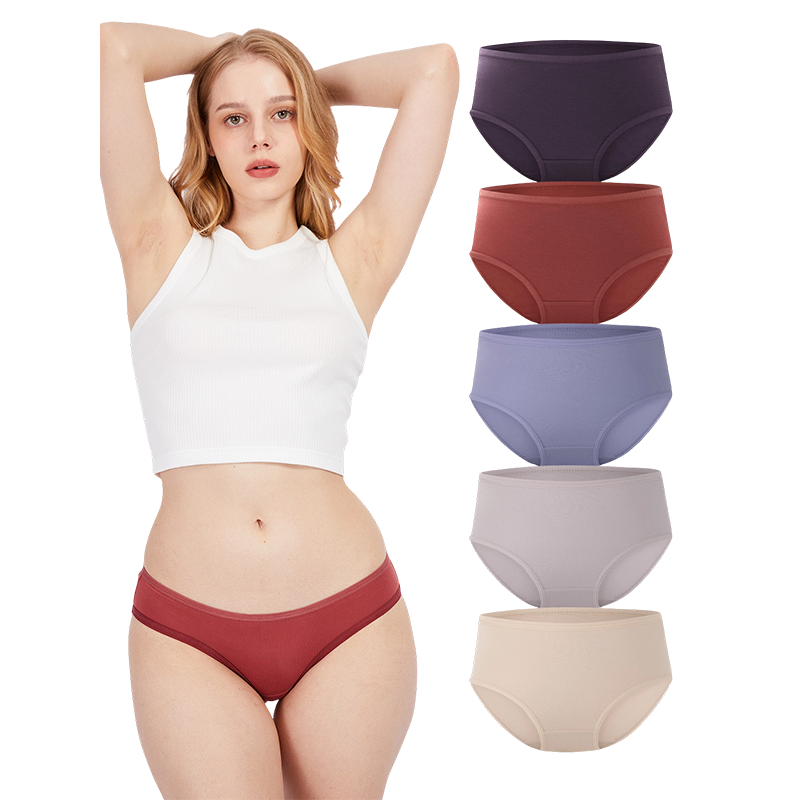
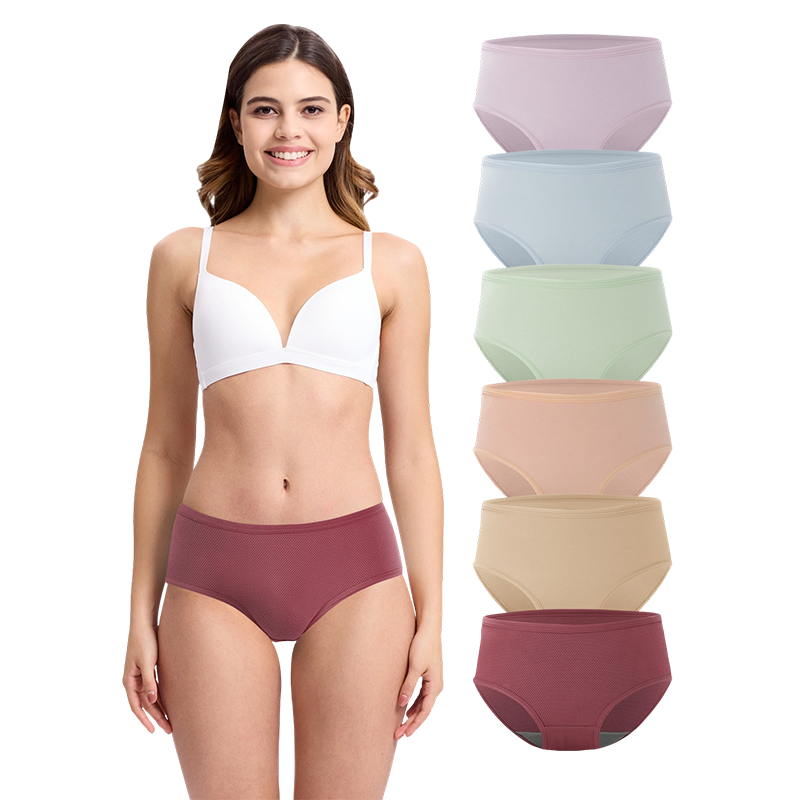
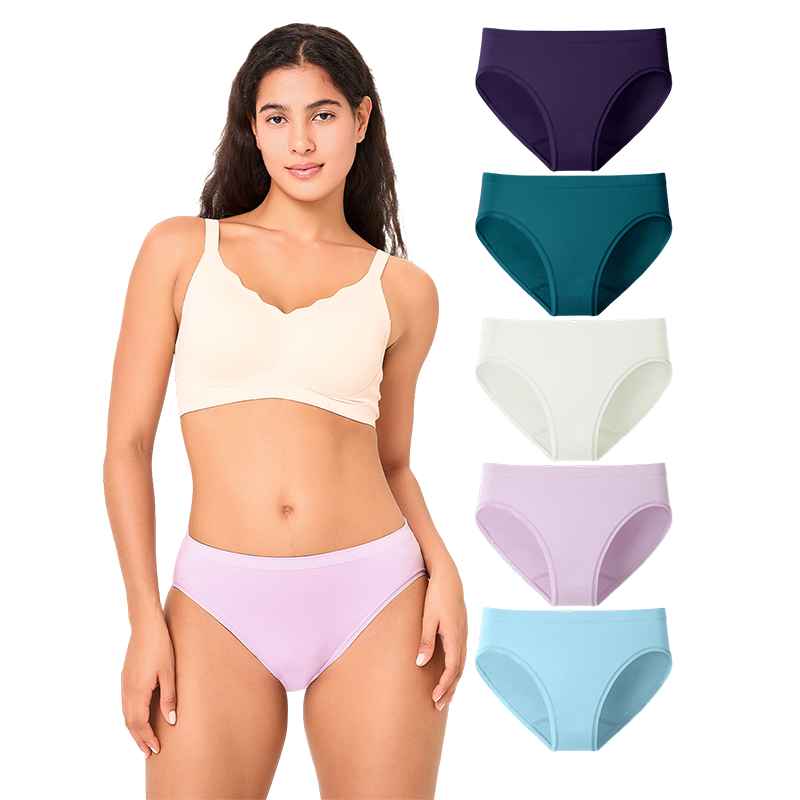
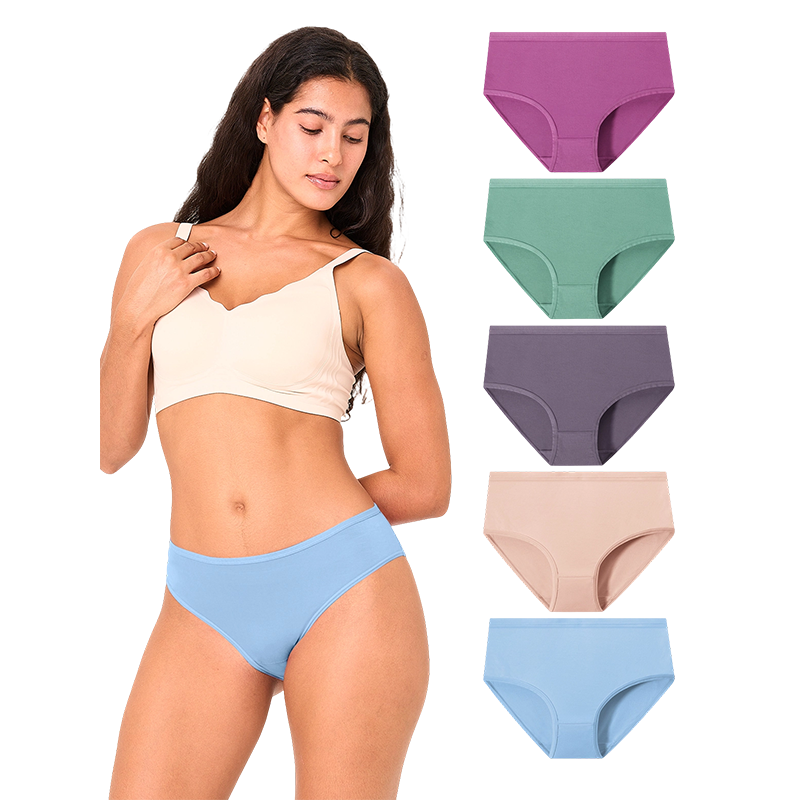
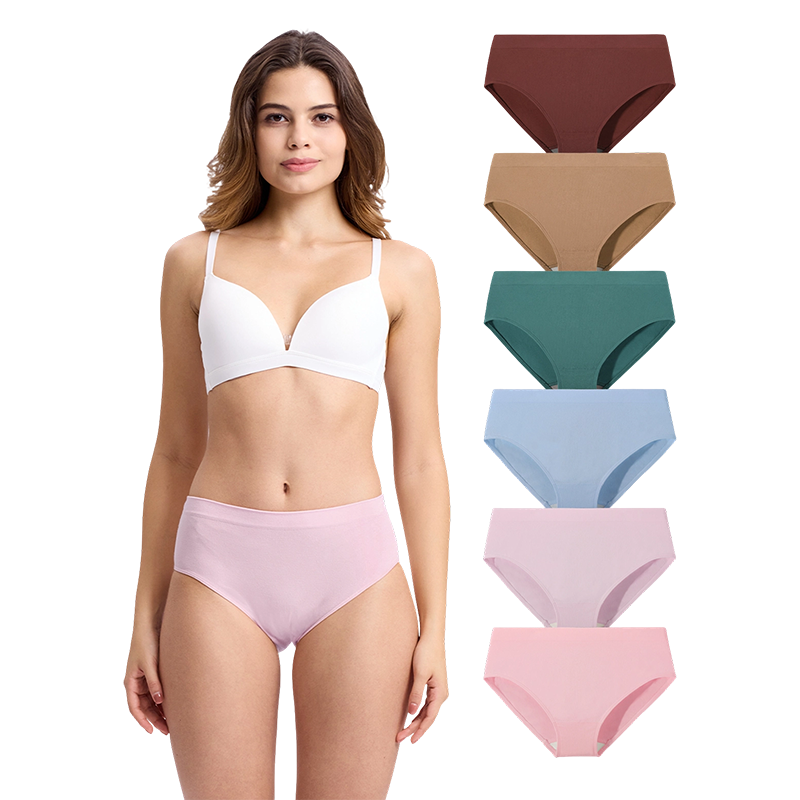
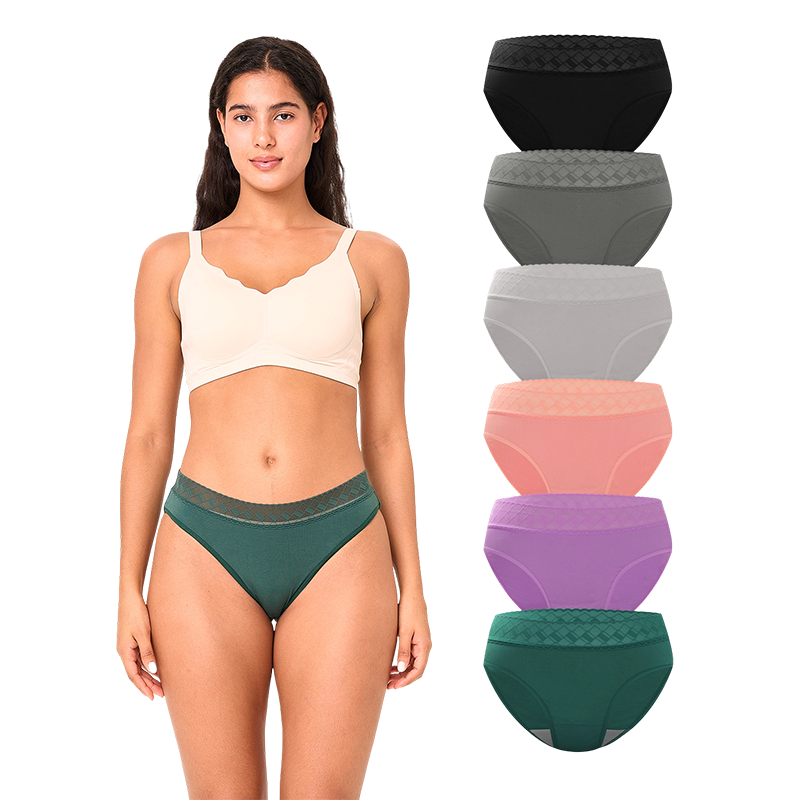
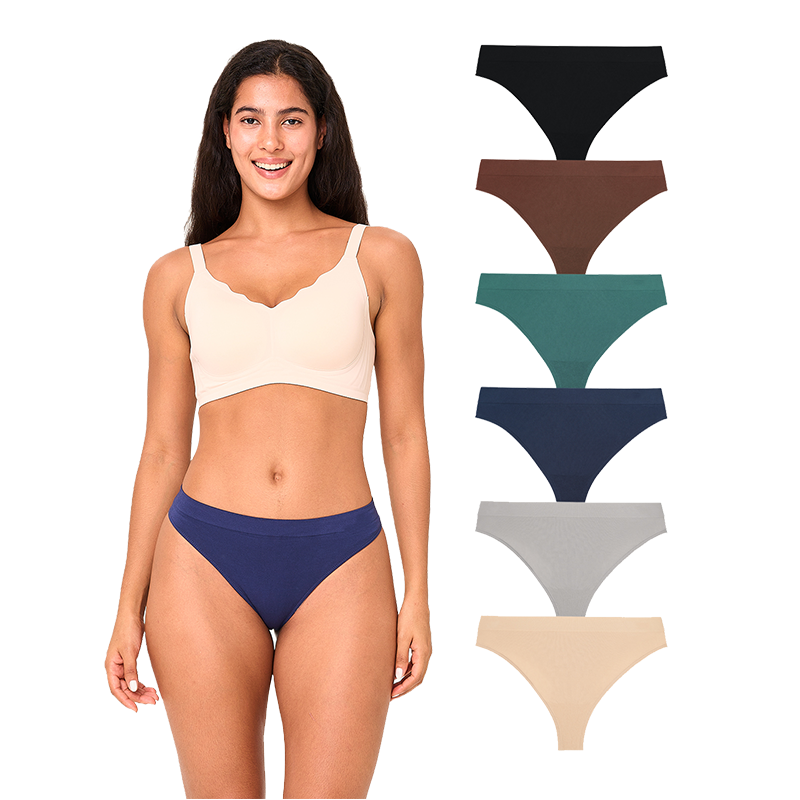
Seamless women’s bikinis made with 80% viscose from bamboo, 15% nylon, and 5% spandex offer a practical balance of softness, breathability, stretch, shape retention, and everyday coverage. They are designed for customers who want underwear that feels smooth against the skin, remains comfortable during long wear, and creates fewer visible lines under fitted clothing.
For retailers, lingerie labels, and distributors, this product is suitable for private-label, OEM, and ODM programs. Its bamboo-based fabric composition supports a soft, breathable positioning, while nylon and spandex contribute to durability, recovery, and a close fit. The manufacturer behind this product, Nantong Tianhong Textile Technology Co., Ltd., combines more than two decades of underwear experience with OEM/ODM development, sustainable material sourcing, functional fabric research, quality management, and international compliance certifications.
The strongest commercial advantages are the seamless construction, premium bamboo viscose blend, adaptable bikini silhouette, and manufacturing support for customized underwear collections. Buyers should confirm size grading, color availability, packaging, testing documentation, certification scope, minimum order quantities, and delivery schedules before placing a production order.
Women’s underwear is no longer purchased only for basic coverage. Consumers increasingly compare softness, breathability, stretch, appearance under clothing, durability, material composition, and sustainability claims. A successful bikini brief must address several of these expectations at the same time.
Seamless women’s bikinis answer this demand through a streamlined construction that minimizes bulky edges and reduces the chance of visible underwear lines. The bikini shape offers a familiar balance between coverage and a lighter, less restrictive feel than fuller brief styles. When combined with bamboo viscose and a controlled amount of stretch fiber, the result can serve customers looking for everyday underwear, travel essentials, workwear layers, and comfort-focused basics.
For brands, the style is also commercially flexible. A single base design can support multiple colors, seasonal collections, size ranges, packaging concepts, and coordinated underwear programs. It can be sold as a single pair, a multipack, or part of a broader bamboo underwear collection.
Buyer takeaway: The product is positioned between comfort underwear and premium sustainable basics. Its value comes from the interaction of fabric, fit, seamless appearance, and manufacturing customization rather than from one isolated feature.
| Product element | Details | Commercial relevance |
|---|---|---|
| Product type | Seamless women’s bikini underwear | Suitable for everyday underwear and private-label collections |
| Primary fiber | 80% viscose made from bamboo | Supports a soft, breathable, bamboo-based product position |
| Supporting fibers | 15% nylon and 5% spandex | Helps provide strength, elasticity, fit, and recovery |
| Fit direction | Classic bikini profile with a close, streamlined feel | Easy to position as a versatile core style |
| Construction direction | Seamless or reduced-seam appearance | Designed to reduce bulk and improve discretion under clothing |
| Manufacturing model | OEM and ODM underwear production | Supports custom specifications, branding, packaging, and collections |
The majority fiber in this product is viscose made from bamboo. This gives the fabric its main hand-feel and supports the product’s soft, breathable positioning. Bamboo-based viscose is frequently selected for underwear because it can provide a smooth surface and a comfortable drape when properly knitted and finished.
For a wearer, softness matters because underwear remains in direct contact with sensitive skin for many hours. A smooth, flexible textile can reduce the rough sensation associated with poorly finished fabrics. For a brand, bamboo viscose creates a recognizable material story that can distinguish a basic underwear line from conventional cotton or synthetic-only alternatives.
Material claims should be presented accurately. Bamboo viscose is a regenerated cellulosic fiber made from bamboo-derived cellulose; it is not the same as mechanically processed bamboo fiber. Retail descriptions should use the exact composition supplied by the manufacturer and should not imply that every bamboo product is automatically organic, biodegradable, antibacterial, or environmentally superior in every respect. Documentation and certification scope should support any additional claim.
Nylon contributes to the performance balance of the fabric. Compared with a fabric made mostly from a delicate cellulosic fiber, a controlled nylon component can help improve tensile strength, abrasion resistance, and dimensional stability. This is important in underwear because the garment is exposed to repeated stretching, washing, folding, and friction.
Nylon also helps the fabric maintain a compact structure. That characteristic can support a clean silhouette and improve the product’s ability to return to its intended shape after wear. The actual result depends on yarn selection, knitting parameters, finishing, garment dimensions, and quality control, so final performance should be verified through product testing.
Spandex gives the bikini fabric elastic performance. A 5% proportion is meaningful for a close-fitting underwear product because the garment needs to accommodate movement without feeling excessively loose. Spandex can support stretch around the hip and leg openings, while also helping the product recover after being worn.
Stretch is not the same as unrestricted compression. This product should be positioned as comfortable, flexible underwear rather than high-compression shapewear. A well-balanced fabric should move with the body while maintaining a secure fit. Buyers should assess stretch in both directions, recovery after repeated extension, waistband behavior, and leg-opening comfort during sample approval.
The three-fiber composition has a clear functional purpose. Bamboo viscose supplies softness and a breathable textile character. Nylon adds structural support and durability. Spandex provides elasticity and recovery. The blend is therefore more versatile than a single-fiber fabric designed around only one performance goal.
| Fiber | Share | Likely contribution | What buyers should verify |
|---|---|---|---|
| Viscose made from bamboo | 80% | Soft hand feel, smooth comfort, breathable positioning | Fiber declaration, fabric weight, finishing, colorfastness |
| Nylon | 15% | Strength, resilience, abrasion support, fabric stability | Pilling, abrasion, wash durability, dimensional stability |
| Spandex | 5% | Stretch, fit adaptation, shape recovery | Recovery, seam behavior, waistband and leg-opening comfort |
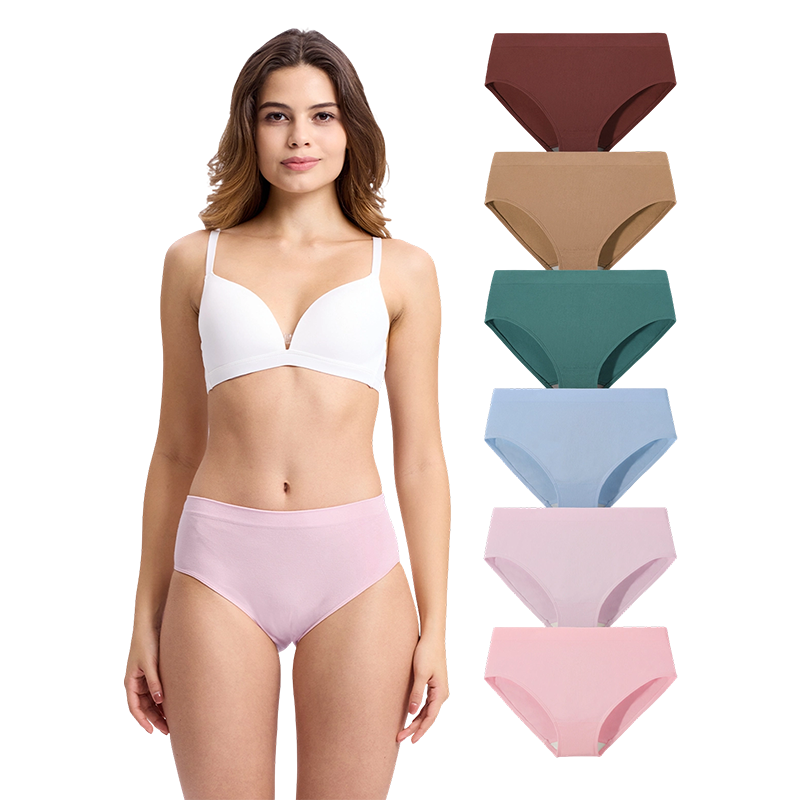
Seamless Women’s Bikinis
Underwear must balance contact comfort with movement. A fabric that feels soft but has no recovery may become loose. A fabric that has strong recovery but poor softness may feel restrictive. The bamboo, nylon, and spandex blend is intended to balance these competing requirements.
Breathability is influenced by more than fiber identity. Fabric construction, knit density, weight, moisture management, finishing, garment fit, and climate all affect how a product feels. A light, flexible fabric may be more comfortable in warm conditions, while a denser construction may offer greater coverage and opacity. Brands should avoid treating “breathable” as a universal guarantee and instead evaluate the finished product in wear trials.
The bikini silhouette is familiar across many underwear markets. It generally provides more coverage than a thong while remaining lighter and less enveloping than a full brief. This makes it useful as a core style for a broad customer base.
Coverage is determined by rise height, back coverage, gusset dimensions, leg-opening shape, waistband position, and size grading. Two products labeled “bikini” can fit very differently. A professional development process should therefore specify the front rise, back rise, side width, gusset length, leg-opening curve, and waistband construction rather than relying only on the style name.
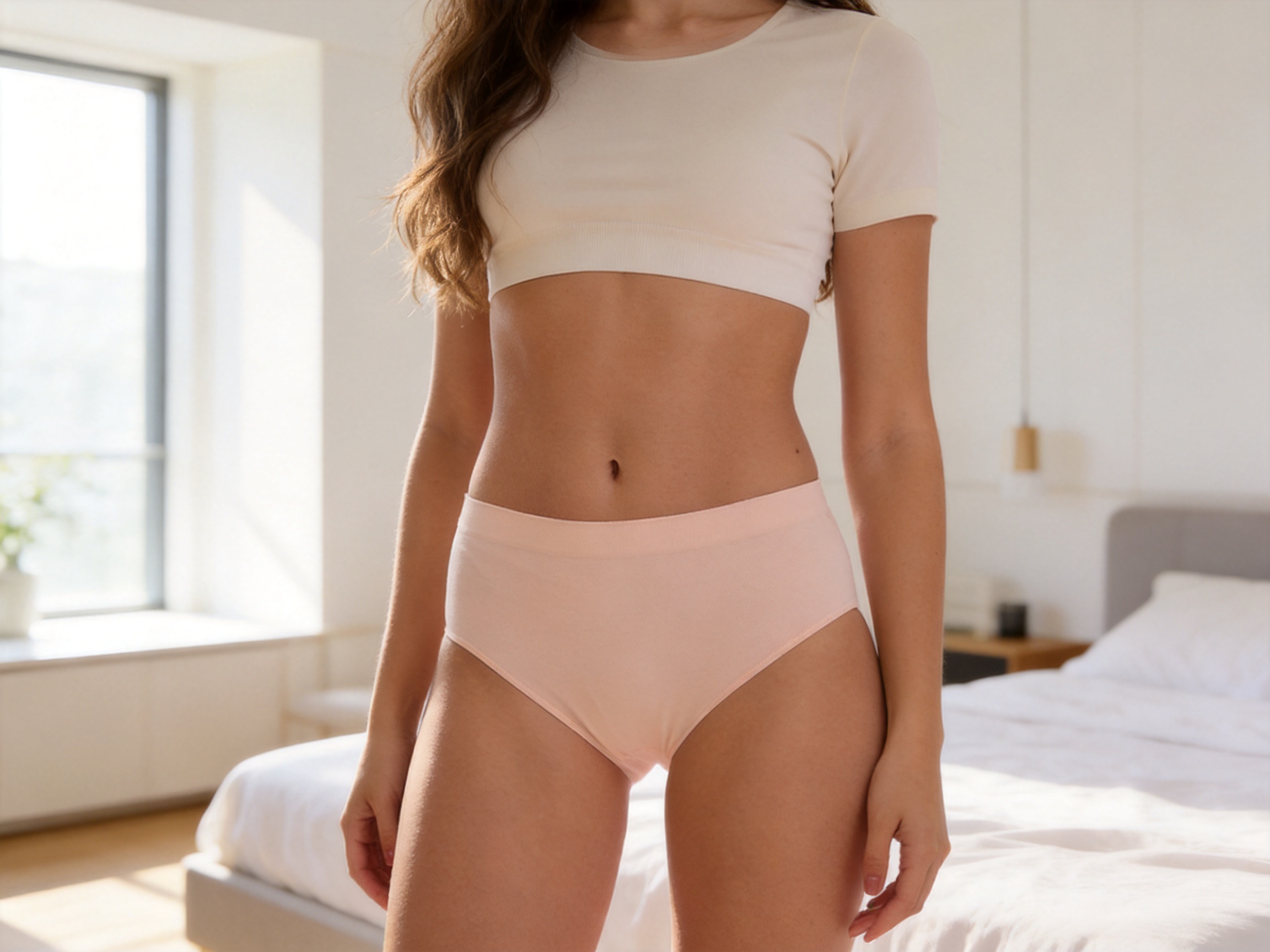
Seamless construction is especially attractive to customers who wear leggings, tailored trousers, skirts, dresses, and close-fitting activewear. Fewer prominent seams can reduce the risk of visible lines and pressure points. A clean edge can also make the product feel lighter during movement.
Seamless does not mean that every part of the garment is entirely free of joins, trims, or attachments. The gusset, care label, waistband, packaging fold, and finishing details still require careful construction. Retailers should examine the actual sample under light-colored and close-fitting garments before making claims about invisibility.
Conventional cotton briefs are widely recognized for natural comfort and easy care, but they may not provide the same smooth stretch profile or streamlined appearance as a seamless bamboo-blend bikini. The bamboo viscose composition can create a softer, more fluid hand feel, while nylon and spandex help the garment maintain fit.
This does not make one fabric universally better. Cotton may remain preferable for customers seeking a familiar, natural fiber or a heavier, more structured brief. The seamless bamboo-blend product competes by emphasizing softness, flexible fit, smooth edges, and a premium material story.
Synthetic-only underwear can offer strength, quick drying, and excellent stretch, particularly in performance categories. However, some customers prefer a softer cellulosic component against the skin. The 80% bamboo viscose content gives this product a different tactile and marketing position from nylon- or polyester-dominant underwear.
The product can therefore appeal to buyers who want performance support without the feel of a fully synthetic fabric. Brands should describe the actual blend rather than suggesting that it combines every benefit associated with every textile category.
Traditional seamed bikinis allow extensive shaping and design detail, but seams can create visible lines, friction, or pressure beneath fitted garments. Seamless construction offers a cleaner look and can simplify the visual language of a basics collection.
Traditional seams may still provide advantages for complex fit engineering, decorative panels, contrast colors, or highly structured support. Seamless underwear is strongest when the commercial objective is discreet everyday comfort and a minimal appearance.
Thongs minimize back coverage but are not preferred by every customer. A bikini gives more coverage while retaining a relatively low-profile silhouette. This makes it a practical compromise for shoppers who want fewer visible lines without sacrificing everyday comfort.
Private-label buyers typically need more than a finished garment. They need a dependable development partner that can translate a product idea into specifications, samples, approved materials, production orders, packaging, and repeat deliveries. A seamless women’s bikini is suitable for this process because its core shape can be adapted across multiple commercial concepts.
Use the bamboo-blend fabric, neutral shades, clean packaging, and a size-inclusive range to build a reliable everyday underwear collection.
Pair accurate bamboo fiber information with documented certifications and responsible packaging. Claims should match the available evidence.
Position the lightweight, smooth silhouette as a practical option for packing, long days, and versatile wardrobe use.
Emphasize hand feel, construction quality, fit consistency, color coordination, and refined presentation rather than excessive decoration.
Depending on the approved development scope, buyers can discuss adjustments to the following areas:
1. Fabric weight and hand feel.
2. Color palette and seasonal shades.
3. Size range and grading rules.
4. Front and back rise.
5. Gusset size and lining construction.
6. Waistband width and finish.
7. Leg-opening shape and edge tension.
8. Brand labeling and care information.
9. Folding method and retail packaging.
10. Multipack configuration and carton marking.
These details should be agreed through a technical pack and approved sample. A product image alone cannot communicate the complete fit or manufacturing requirement.
Nantong Tianhong Textile Technology Co., Ltd. was established in 2001 and is located in Nantong, Jiangsu, a major textile manufacturing area in China. The company specializes in the research, manufacturing, and sales of underwear products. Its operating model includes OEM and ODM services for established labels and customers in Europe, North America, and China.
This background is relevant to buyers because underwear production requires close coordination between material development, pattern engineering, knitting or fabric supply, cutting or forming, sewing or bonding, finishing, inspection, packaging, and shipment. Experience across these stages can reduce communication gaps when a buyer is developing a new product or modifying an existing style.
The company focuses on underwear research and the use of sustainable, environmentally friendly functional fabrics. For a bamboo-blend bikini, development work should connect the fabric composition with the intended fit and retail positioning. A material that performs well in a fabric roll must also be evaluated as a finished garment.
Product development may include sample iteration, fit review, color approval, construction refinement, and testing. Buyers should provide measurements, target customer information, reference garments, packaging expectations, and required market standards at the beginning of the project. Clear input helps the factory identify issues before bulk production.
OEM production is appropriate when the buyer already has a design, technical pack, or detailed specification. ODM production is useful when the buyer wants to adapt an existing product concept or develop a collection with factory support. The distinction should be clarified during quotation because design services, sample charges, tooling, testing, and intellectual property terms may differ.
For this seamless bikini, an OEM project might specify the exact composition, measurements, colors, labeling, packaging, and quality tolerances. An ODM project might begin with the base silhouette and fabric direction, then proceed through fit, trim, branding, and packaging development.
Traceability is increasingly important for brands making fiber, environmental, and social compliance claims. The company describes a focus on traceable supply chain management and holds or works with standards and certifications including FSC, OCS, OEKO-TEX 100, GOTS, WRAP, and BSCI.
Certification names should not be treated as interchangeable. Each standard has its own scope, transaction requirements, audit structure, and applicable products or facilities. Buyers should request current certificates, verify the certificate holder and scope, and confirm whether the specific fabric, factory, production order, and finished product are covered.
Underwear quality control should address both appearance and performance. Relevant checkpoints may include fiber composition, color matching, shade consistency, fabric defects, stretch and recovery, dimensions, waistband tension, leg-opening tension, gusset attachment, seam or bonding quality, label accuracy, odor, packaging, and carton quantity.
Testing requirements vary by destination market and product claim. Buyers should define requirements before production, including restricted substances, colorfastness, dimensional change after washing, pilling, tensile strength, elastic recovery, and wash-care performance where applicable.
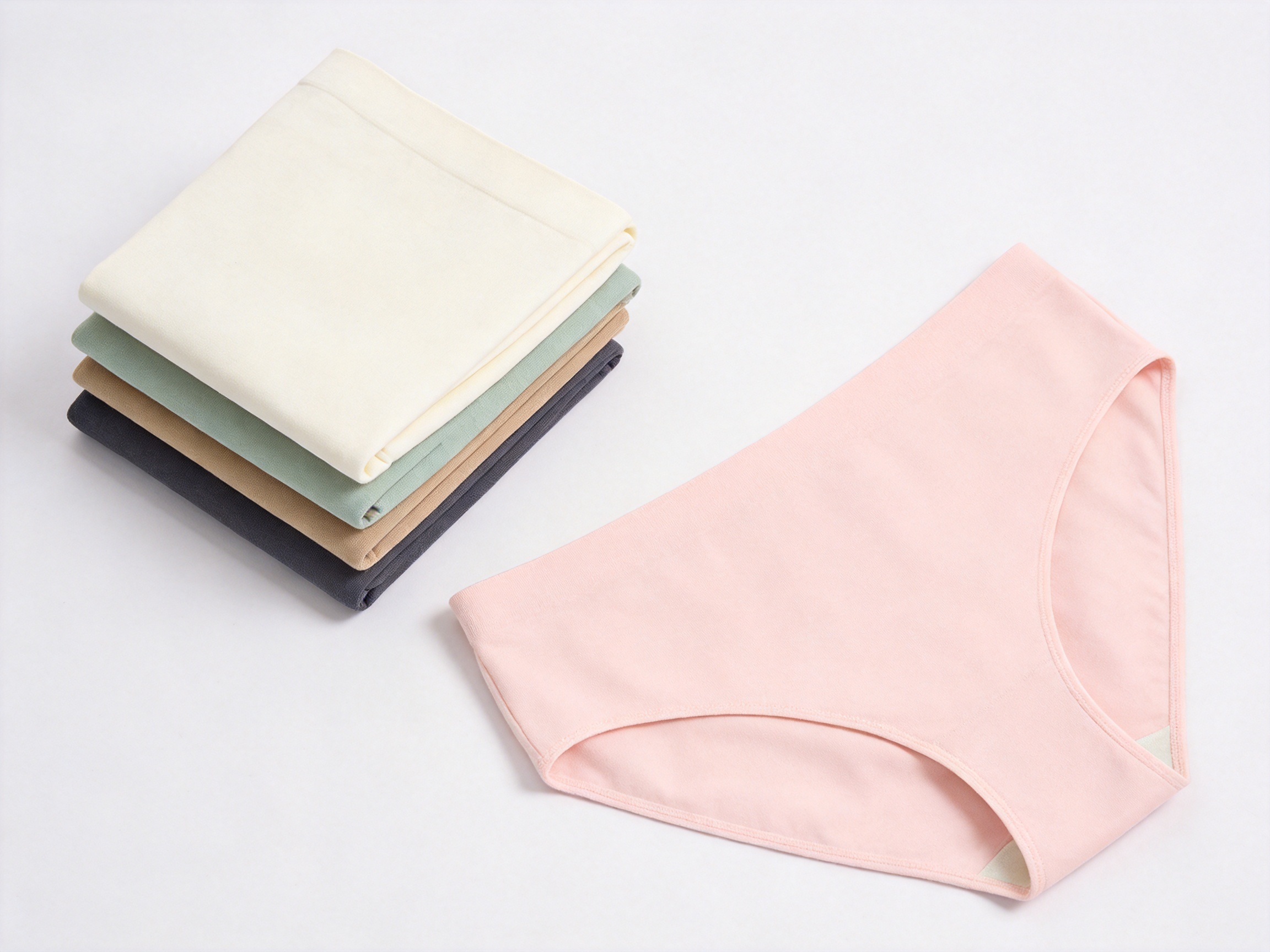
Start with a concise product brief. Identify the target customer, intended retail price, sales channel, market, size range, fit preference, fabric composition, color direction, packaging format, and expected order volume. State whether the product is intended as a basic, premium, sustainable, maternity, active, or travel style.
A vague request such as “make a soft bamboo bikini” leaves too many decisions unresolved. A stronger brief defines the exact blend, desired fabric weight, coverage, waistband, leg opening, and performance expectations.
Ask for a fabric swatch and a finished garment sample. Review the fabric under natural and indoor light, then assess softness, opacity, stretch, recovery, surface uniformity, and drape. Examine whether the fabric rolls at the leg opening or waistband and whether the gusset remains stable during movement.
Wash the sample according to the proposed care instructions. Record measurements before and after washing. Note shrinkage, twisting, color change, pilling, surface roughness, and recovery. This practical review is more useful than relying only on a specification sheet.
Use fit models or professional measurements that reflect the target market. Check the garment while standing, sitting, walking, bending, and stretching. Review front coverage, back coverage, side width, gusset placement, waistband comfort, and leg-opening pressure.
Approve a complete size set rather than only one sample size when possible. A bikini that fits well in a medium may not grade correctly into smaller or larger sizes. Size grading should preserve coverage and comfort, not simply expand every measurement by the same amount.
Color approvals should use physical standards or agreed laboratory references. Bamboo viscose and blended fabrics may respond differently to dyeing and finishing, so the final fabric shade should be checked against the approved standard under consistent lighting.
Branding elements may include woven labels, printed care labels, heat transfers, packaging cards, belly bands, pouches, or recyclable cartons. Confirm the material, dimensions, placement, artwork, language, barcode, country-of-origin information, and care instructions before bulk production.
Agree on inspection points before the order is released. A typical control plan may include incoming material review, first-piece approval, in-line inspection, final random inspection, measurement checks, and packaging verification.
The appropriate inspection level depends on the buyer’s risk tolerance, product price, market requirements, and order volume. Written tolerances are essential. Terms such as “premium quality” should be supported by measurable standards for dimensions, defects, shade variation, packaging, and workmanship.
The pre-production sample should represent the actual fabric, color, trims, labels, construction, and packaging intended for the order. If any component changes after approval, the buyer should request a new confirmation sample or written approval process.
Keeping an approved sample, measurement chart, color standard, packaging artwork, and inspection checklist creates a reference package for repeat orders. This is particularly important when a brand plans to expand the range into multiple colors or sizes.
| Inspection area | Questions to ask |
|---|---|
| Fiber content | Does the finished product match the approved 80% bamboo viscose, 15% nylon, and 5% spandex composition? |
| Hand feel | Is the surface smooth and consistent across the production lot? |
| Stretch | Does the garment stretch comfortably without excessive pressure or permanent distortion? |
| Recovery | Does the fabric return to its intended dimensions after repeated extension? |
| Gusset | Is the gusset centered, securely attached, adequately covered, and comfortable? |
| Leg openings | Do the openings lie flat without cutting into the skin or becoming loose? |
| Waistband | Does the waistband stay in place without rolling, twisting, or excessive compression? |
| Appearance | Are there visible defects, uneven edges, shade differences, holes, stains, or distorted panels? |
| Care performance | Does the garment retain acceptable size, color, softness, and shape after the recommended wash cycle? |
| Packaging | Are labels, barcodes, size marks, folding, quantities, and cartons correct? |
Searchers looking for “premium breathable underwear” usually want comfort, fabric information, fit guidance, and proof that the product is suitable for regular wear. Searchers using “organic bamboo underwear” may also be looking for sustainable materials, certification, manufacturing transparency, and private-label supply.
Product pages should answer these questions directly:
What is the fabric composition?
What does the bikini cut cover?
Why is the construction seamless or reduced-seam?
How does the product feel during daily wear?
What sizes and colors are available?
How should it be washed?
Can the style be customized?
Which certifications apply to the material or facility?
What is the minimum order quantity?
Which markets can the supplier support?
Use specific language such as “80% viscose made from bamboo,” “15% nylon,” “5% spandex,” “seamless bikini silhouette,” and “OEM/ODM women’s underwear manufacturing.” Avoid unsupported superlatives and avoid presenting a general company certification as proof that every product automatically carries that certification.
“Designed for smooth everyday comfort, these seamless women’s bikinis combine 80% viscose made from bamboo with nylon and spandex for a soft, breathable, flexible fit. The streamlined bikini shape provides practical coverage while helping reduce visible lines under fitted clothing.”
This type of description communicates the primary benefits without making medical, antibacterial, or environmental claims that require separate evidence.
Care instructions should follow the approved garment testing and the manufacturer’s final recommendation. In general, delicate underwear benefits from gentle washing, moderate water temperatures, mild detergent, and protection from rough abrasion. Excessive heat can affect elastic fibers and may accelerate shape loss.
Consumers should avoid treating the care label as a minor packaging detail. Correct instructions help protect softness, stretch recovery, color, and dimensional stability. For private-label orders, care labels should be written for the destination market and checked against applicable labeling rules.
Recommended care may include washing with similar colors, using a lingerie bag, avoiding chlorine bleach, selecting a gentle cycle, and air drying when suitable. The final instructions must be based on verified product performance rather than a generic template.
Bamboo-based underwear can support a responsible materials story, but responsible marketing depends on precise documentation. The phrase “organic bamboo underwear” should be used only when the relevant organic or chain-of-custody requirements are documented for the material and product being sold.
FSC, OCS, GOTS, OEKO-TEX 100, WRAP, and BSCI do not all certify the same thing. Some relate to fiber sourcing, some to organic content, some to harmful-substance testing, and others to social or workplace conditions. The certificate holder, site, product scope, validity period, and transaction documentation should be reviewed before a claim is published.
For a brand building a premium breathable underwear collection, transparent wording is stronger than vague sustainability language. Explain the fiber composition, identify the applicable certification, state what the certification covers, and avoid implying that one certificate verifies every environmental and social characteristic of the product.
1. Can the supplier provide a current fabric specification for the bamboo, nylon, and spandex blend?
2. Is the quoted composition measured on the fabric, finished garment, or another basis?
3. Which parts of the product can be customized?
4. Can the factory develop a size set and provide a measurement chart?
5. What are the sample, development, and bulk production lead times?
6. What minimum order quantity applies to each color and size?
7. Which testing reports are available for the fabric and finished underwear?
8. Which certifications cover the factory, material, or specific product?
9. How are shade variation, measurement tolerance, and workmanship defects controlled?
10. Can the factory support branded labels, packaging, barcodes, and carton requirements?
11. What happens if the approved fabric or trim becomes unavailable?
12. How are repeat orders matched to the approved sample?
These questions help separate a genuine production partner from a trading contact that may not control the material or manufacturing process.
The stated composition is 80% viscose made from bamboo, 15% nylon, and 5% spandex. Bamboo viscose provides the main soft, breathable textile character, nylon supports strength and stability, and spandex provides stretch and recovery.
No. Bamboo viscose is a regenerated cellulosic fiber made from bamboo-derived cellulose. “Organic” is a separate claim that requires applicable certification or documentation. Buyers should confirm the exact certification scope before using organic claims in product listings or packaging.
It is suitable for women seeking soft, flexible everyday underwear with a streamlined bikini shape. It is also appropriate for private-label brands, lingerie retailers, distributors, and apparel companies developing bamboo-based underwear collections.
No garment can guarantee invisibility under every fabric, color, size, and fit. Seamless or reduced-seam construction is designed to reduce bulk and the risk of visible lines. Retailers should test the finished product under representative clothing before making a stronger claim.
The manufacturer provides OEM and ODM services, so buyers can discuss customization of specifications, colors, sizing, labels, packaging, and collection details. Final options depend on the development brief, order quantity, materials, and production agreement.
Check fiber content, softness, opacity, stretch, recovery, waistband tension, leg-opening comfort, gusset position, coverage, measurements, color, wash performance, labels, and packaging. A sample should be evaluated while standing, sitting, walking, and moving.
Yes, the bamboo-based blend and seamless bikini construction support that positioning. The product page should explain the composition and comfort features accurately. Breathability claims should be supported by the actual material and, where necessary, testing or defined product specifications.
The company identifies certifications and standards including FSC, OCS, OEKO-TEX 100, GOTS, WRAP, and BSCI. Buyers must confirm which current certificates apply to the specific material, facility, production order, and claim being made.
Nantong Tianhong Textile Technology Co., Ltd. is located in Nantong, Jiangsu Province, China, a major textile manufacturing region. The company has operated since 2001 and serves customers in China, Europe, and North America.
Follow the final care label supplied for the approved garment. Gentle washing, controlled temperatures, mild detergent, and reduced heat are commonly used to help protect bamboo-based fabric and elastic fibers, but the manufacturer’s tested instructions should take priority.
Choosing an underwear factory is not only a question of unit price. Fabric consistency, fit repeatability, communication, testing, documentation, packaging accuracy, and delivery reliability affect the total commercial result. A lower quotation can become expensive if the sample does not match bulk production or if the product requires rework.
An experienced partner can help a buyer define realistic specifications, identify construction risks, select appropriate materials, and organize approval stages. This is particularly useful for seamless underwear because the product depends on controlled stretch, edge tension, body coverage, and dimensional stability.
Nantong Tianhong’s experience since 2001, focus on underwear products, OEM/ODM services, sustainable functional fabrics, and international customer base make it a suitable supplier to evaluate for private-label and custom underwear programs. The final decision should still be based on verified samples, documentation, commercial terms, factory communication, and inspection results.
Prepare the target market, quantity estimate, size range, colors, fabric requirements, packaging concept, certification needs, and delivery destination.
Review measurements, fit, fabric hand feel, stretch, recovery, gusset construction, leg openings, waistband comfort, opacity, color, and care performance.
Confirm the technical pack, approved sample, color standard, label artwork, packaging, inspection criteria, testing documents, payment terms, delivery schedule, and order tolerances.
Use accurate fiber and certification language, photograph the actual product, provide useful size guidance, publish care instructions, and explain the benefits without unsupported claims.
Seamless women’s bikinis made from 80% viscose made from bamboo, 15% nylon, and 5% spandex offer a strong foundation for premium everyday underwear. The product combines a soft bamboo-based hand feel with the strength and elasticity needed for repeated wear. Its streamlined bikini profile provides practical coverage, while seamless construction supports a cleaner appearance under fitted clothing.
For brands and wholesale buyers, the product’s value extends beyond the garment itself. OEM/ODM development, customization options, sustainable fabric research, traceable supply chain management, and recognized certification frameworks can support a more credible underwear program. Buyers should validate each product and claim through samples, testing, certificates, and written specifications.
When the material, fit, construction, quality controls, packaging, and marketing message are aligned, this style can serve as a dependable core product for a premium breathable underwear collection, bamboo-based essentials range, or customized private-label lingerie program.
1. ASTM International. Textile testing principles for fiber content, dimensional stability, colorfastness, and performance evaluation.
2. International Organization for Standardization. Textile care labeling, fiber identification, and quality assessment guidance.
3. Forest Stewardship Council. Chain-of-custody and responsible source certification principles for applicable cellulose-based materials.
4. Organic Content Standard. Requirements for verifying organic material content through the textile supply chain.
5. OEKO-TEX Association. Product safety and harmful-substance testing framework for textiles and apparel.
6. Global Organic Textile Standard. Processing, manufacturing, environmental, and social criteria for certified organic textiles.
7. Worldwide Responsible Accredited Production. Social compliance principles for responsible apparel manufacturing.
8. Business Social Compliance Initiative. Supply-chain social performance and workplace assessment framework.
9. Textile Exchange. Guidance on preferred fibers, material traceability, and responsible textile sourcing.
10. Manufacturer-provided product information for seamless women’s bikinis, including fiber composition, product category, OEM/ODM capability, company history, and certification statements.

Copyright © Nantong Tianhong Textile Technology Co., Ltd. All Rights Reserved.
 Room 806, Building D, Jingyang Plaza, Chongchuan District, Nantong City, Jiangsu Province,china


 English
 Español
 русский
 عربى