Content
Women's clothing is increasingly expected to perform across several parts of daily life. A garment may need to feel comfortable during a morning workout, remain presentable during errands, provide reliable support while traveling, and work equally well as a lightweight layer at home. This demand has made the camisole one of the most versatile pieces in the modern wardrobe. However, not every camisole offers the same balance of comfort, fit, moisture management, durability, and manufacturing consistency.
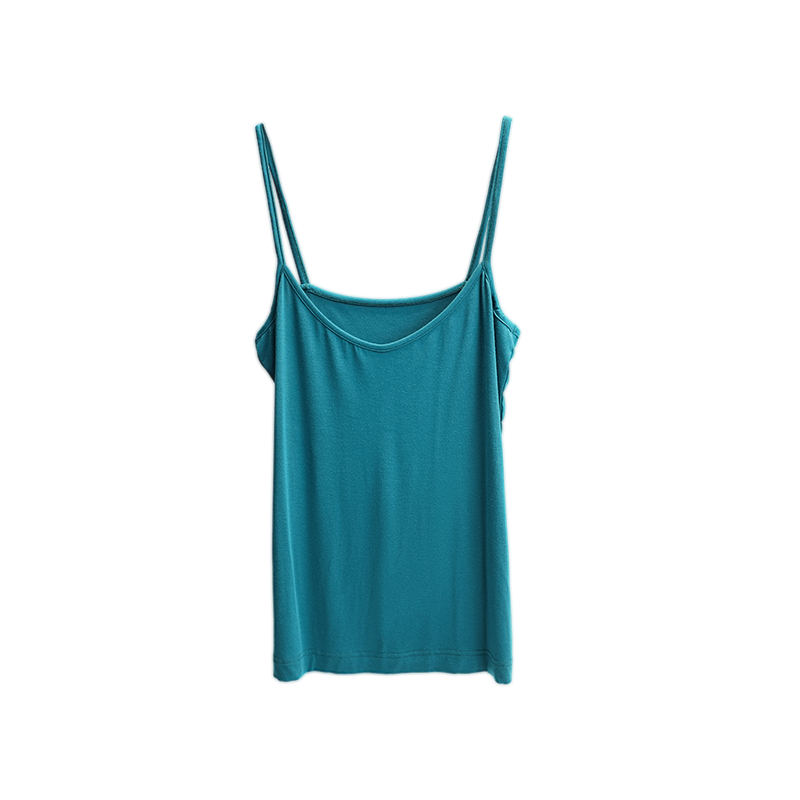
The Spandex Women's Camisole, identified as THDY-038, is designed around these exact requirements. Made from spandex jersey and developed for an active lifestyle, it combines stretch, softness, body-conscious shaping, adjustable support, and moisture-wicking performance in one adaptable garment. Its construction is intended to suit women with different body shapes while allowing freedom of movement for exercise, relaxation, casual wear, and layering.
Behind the product is Nantong Tianhong Textile Technology Co., Ltd., an established textile manufacturer based in Nantong, China. Since 2001, the company has focused on the research, manufacturing, and sales of underwear products. Its capabilities include OEM and ODM development, functional fabric application, production management, quality control, and international supply-chain cooperation. These strengths are important because a successful camisole is not defined only by its appearance. It also depends on how accurately the fabric, pattern, stitching, finishing, and quality procedures work together.
This article examines the product in detail, explains its advantages over less specialized alternatives, and explores the manufacturing strengths that support its performance. It also considers suitable applications, customization opportunities, sourcing questions, care recommendations, and the role of responsible textile production in the development of premium breathable underwear.
The Spandex Women's Camisole is a close-fitting yet flexible women's garment developed for movement and comfort. Its simple silhouette allows it to function as an independent top in suitable settings, a base layer under shirts and sweaters, sleepwear, loungewear, or part of a coordinated activewear collection. The design is deliberately versatile, helping consumers reduce the need for multiple specialized garments.
The product uses spandex jersey, a knitted fabric structure recognized for its soft hand feel, elasticity, and ability to follow the body's movement. Unlike a rigid woven material, jersey can stretch and recover as the wearer bends, reaches, walks, or exercises. This flexibility is particularly useful in a camisole because the garment must remain close to the body without creating unnecessary pressure.
Its adjustable straps allow the wearer to modify the fit according to body proportions, activity level, and personal preference. Strap adjustment is a practical feature that can improve comfort around the shoulders and neckline while helping the camisole sit correctly on different torsos. It also makes the product more adaptable for wholesale and private-label markets, where one design may need to serve a broad consumer base.
The garment is positioned for women with active lifestyles, but its use is not limited to sports. It is suitable for light gym sessions, stretching, casual outdoor activities, travel, home relaxation, warm-weather dressing, and layering. This wide application range increases its commercial value because retailers can present it as a multipurpose essential rather than a single-use item.
The product description emphasizes exceptional moisture-wicking properties. In practical terms, a moisture-managing camisole helps move perspiration away from the skin and supports faster evaporation at the fabric surface. This can reduce the clammy feeling associated with ordinary cotton or poorly engineered synthetic tops during activity. Moisture management does not eliminate sweating, but it can contribute to a cooler, drier, and more comfortable wearing experience.
The silhouette is described as flattering for diverse body shapes. A well-developed camisole should contour naturally without becoming restrictive. The combination of stretch jersey and carefully considered pattern proportions can help the garment lie smoothly over the torso, reduce unwanted pulling, and support a clean appearance beneath outer layers.
Fabric selection is one of the most important decisions in camisole development. A garment can have an attractive pattern, but if the fabric lacks recovery, feels abrasive, traps heat, or loses its shape after washing, the product will not meet consumer expectations. Spandex jersey addresses several of these common weaknesses through its combination of stretch and knitted construction.
Spandex, also known as elastane, is a highly elastic fiber commonly blended or engineered into apparel fabrics to provide stretch and recovery. The material can extend with body movement and return toward its original dimensions afterward. This property is essential for fitted garments because it helps reduce sagging, deformation, and the uncomfortable feeling of being held in place by a rigid textile.
Jersey construction adds another layer of comfort. Knitted loops create a fabric that is generally softer and more flexible than many woven alternatives. The surface can move with the body rather than resisting it. For a camisole worn next to the skin, this flexibility supports a relaxed wearing experience and allows the garment to function as a base layer without excessive bulk.
The fabric's stretch can also improve size tolerance. Although accurate sizing remains essential, a well-engineered stretch garment may accommodate small differences in body measurements more effectively than a non-stretch camisole. This can be beneficial for consumers and retailers alike. Customers gain a more forgiving fit, while retailers may reduce complaints related to minor fit variations.
Spandex jersey is also useful for pattern development. Designers can create a close-fitting shape without relying on numerous seams, darts, or rigid structural elements. A streamlined construction can improve visual appeal and reduce potential irritation points. At the same time, the fabric provides enough flexibility for adjustable straps and other fit-oriented details.
Fabric performance depends on more than the presence of spandex. Fiber quality, blend ratios, yarn construction, knitting parameters, dyeing, finishing, and garment assembly all influence the final result. This is why a manufacturer with textile research and production experience can create a more reliable product than a supplier that simply purchases generic fabric and assembles it without close process control.
Stretch makes the camisole suitable for movement, but recovery determines whether it continues to look and feel good after repeated use. A fabric with poor recovery may become loose around the neckline, straps, or torso. High-quality stretch development aims to provide sufficient extension for comfort while maintaining a stable shape during wear.
For active consumers, recovery is particularly important. Repeated reaching, bending, and torso rotation can place stress on the fabric. A balanced stretch system allows the garment to move with the body and return to its intended silhouette when the activity ends. This supports a neater appearance and may extend the useful life of the product.
A camisole is often worn directly against the skin, so tactile comfort is a major purchasing factor. Spandex jersey can provide a smooth, flexible surface suitable for long periods of wear. The final hand feel depends on yarn selection, knitting density, dyeing, washing, and finishing methods, all of which require careful evaluation.
Skin comfort also depends on garment construction. Smooth seams, properly finished edges, accurately attached straps, and appropriate elastic tension can prevent unnecessary rubbing. These details may appear small, but they influence whether a consumer reaches for the garment repeatedly.
Moisture-wicking performance is one of the clearest functional advantages of this camisole. During exercise or warm-weather activity, perspiration can accumulate between the skin and fabric. A material designed to move moisture toward the outer surface can help the garment dry more efficiently and reduce the heavy, damp feeling associated with saturated clothing.
For consumers, this means the camisole can be more comfortable during gym sessions, walks, travel, or busy daily routines. For retailers, moisture management provides a clear performance message that distinguishes the product from basic fashion camisoles that are designed only for appearance.
It is important to understand that moisture-wicking performance must be supported by appropriate finishing and fabric testing. A product should not rely solely on marketing language. Consistent production parameters, laboratory evaluation, and wear testing help confirm whether the finished garment delivers the expected experience.
A camisole may look simple, but fit development requires careful attention to proportions. The neckline, armholes, torso length, side width, hem position, and strap placement all affect how the garment sits on the body. A successful design must balance a flattering appearance with sufficient coverage and freedom of movement.
The THDY-038 silhouette is intended to suit diverse body shapes. Stretch fabric helps the garment adapt to the body, but stretch alone cannot compensate for poor pattern engineering. The pattern must be developed with realistic body measurements and tested on appropriate fit models or size forms. This process helps identify pulling, gaping, twisting, excessive compression, or inadequate coverage before bulk production.
Adjustable straps are among the most practical features of the design. Shoulder length varies from person to person, and a fixed strap can cause the neckline to sit too high, too low, or unevenly. Adjustable straps allow the wearer to personalize the position of the garment and improve comfort around the shoulders.
They also make the camisole more adaptable for different styling choices. A wearer may prefer a higher fit during exercise or a slightly lower fit beneath a particular outer garment. The ability to make small adjustments increases usability without changing the basic pattern.
From a product development perspective, strap quality deserves close attention. Hardware, attachment points, elastic strength, stitching density, and edge finishing must be selected to withstand repeated adjustment. A strap that slips easily or separates from the body of the garment can undermine the entire product experience. Advanced production inspection should therefore include checks for attachment security and adjustment function.
A body-responsive silhouette should follow natural curves without creating excessive pressure. The purpose is not merely to make the garment tight; it is to create a stable, attractive layer that remains comfortable when the wearer changes position.
For active use, the torso should maintain reasonable contact with the body so that the garment does not shift excessively. For lounging and casual wear, the fabric should remain flexible enough to avoid a restrictive sensation. This balance is achieved through the relationship between fabric stretch, pattern ease, seam placement, and finishing tension.
The clean shape of a camisole makes it suitable for layering. It can be worn beneath a cardigan, open shirt, lightweight jacket, sweater, or sports top. A good layering piece should have a smooth profile and avoid unnecessary bulk at the seams. Spandex jersey supports this role by remaining close to the body while offering enough flexibility for outer garments.
Layering also expands seasonal use. The garment can be used as a cool-weather base layer or as a lightweight warm-weather top. This versatility can increase purchase frequency because consumers may see the camisole as a wardrobe essential rather than a specialized product for one season.
The market includes many camisoles made from basic cotton jersey, low-recovery synthetics, or inexpensive blended fabrics. These alternatives may have a lower initial price, but they can present limitations in performance, fit, and durability. The Spandex Women's Camisole is differentiated by its focus on functional textile performance and adjustable comfort.
| Product Attribute | Spandex Women's Camisole | Basic Non-Stretch Camisole | Low-Recovery Stretch Camisole |
|---|---|---|---|
| Freedom of movement | High, supported by flexible jersey construction | Limited by rigid fabric behavior | Initially flexible but may become loose |
| Moisture management | Designed for moisture-wicking performance | May retain moisture during activity | Depends heavily on fabric quality |
| Fit adaptability | Stretch fabric and adjustable straps | Usually dependent on fixed measurements | May stretch but lack stable adjustment |
| Use occasions | Activewear, loungewear, layering, travel, casual wear | Primarily casual or sleepwear | Casual use with variable performance |
| Shape retention | Supported by spandex recovery and controlled construction | Can remain stable but offers little flexibility | May decline after repeated wear |
| Wholesale customization potential | Suitable for fabric, color, label, and fit development | Often limited to basic changes | Depends on supplier capability |
Cotton remains popular for its natural hand feel and familiar comfort. However, ordinary cotton camisoles can absorb perspiration without drying quickly, particularly during exercise or humid conditions. They may also become heavier when wet. The spandex jersey approach offers an alternative for consumers who prioritize stretch and moisture management.
This does not mean that spandex jersey replaces every cotton garment. Instead, it serves a different purpose. Consumers seeking a functional camisole for movement or warm conditions may prefer the faster-drying and more flexible behavior of a performance-oriented fabric.
Some fashion camisoles are developed primarily for visual styling and may use woven fabrics, decorative trims, or limited-stretch materials. These designs can be attractive but may restrict movement or require more precise sizing. A stretch jersey camisole provides a more relaxed and adaptable alternative, especially for consumers who want one garment to function across several settings.
Not all stretch products offer reliable performance. Low-quality garments may stretch easily but fail to recover, develop twisted seams, lose strap stability, or show uneven tension around the edges. The competitive advantage of a professionally developed product lies in the coordination of fabric quality, pattern engineering, stitching, finishing, and inspection.
The product is supported by the manufacturing experience of Nantong Tianhong Textile Technology Co., Ltd. Established in 2001, the company operates from Nantong, a major textile center in China. Its long-term presence in the industry provides a foundation for material sourcing, technical development, production organization, and customer cooperation.
Underwear manufacturing requires a high level of process accuracy because these garments are worn close to the skin and are sensitive to small construction errors. A slight difference in strap length, seam tension, or fabric recovery can affect comfort. A capable manufacturer must therefore control both visible design features and less visible technical parameters.
Product research begins with understanding the intended consumer and end use. For this camisole, the key requirements include comfort, mobility, moisture management, a flattering silhouette, and adjustable fit. These requirements guide fabric selection, prototype construction, pattern development, and testing.
Research and development may involve reviewing different spandex jersey qualities, comparing stretch and recovery levels, assessing fabric weight, evaluating colorfastness, and examining the effect of laundering. Prototypes can then be revised to improve neckline stability, strap placement, hem behavior, or overall proportions.
A manufacturer with an established research function can also help buyers translate a general product concept into technical specifications. This is particularly valuable for OEM and ODM customers that want to launch a private-label collection but do not have a complete in-house technical team.
OEM production allows a customer to order garments made to specified designs, materials, measurements, labels, and packaging requirements. ODM development can go further by allowing the manufacturer to contribute to design concepts, fabric recommendations, pattern adjustments, and product engineering.
For the Spandex Women's Camisole, possible customization areas may include color, size range, logo application, label construction, packaging, strap hardware, fabric weight, and neckline or hem treatment. Buyers can use the existing design as a foundation or request a version tailored to a particular market position.
OEM and ODM services are especially useful for retailers, fashion labels, fitness brands, online sellers, hospitality companies, and promotional apparel distributors. Instead of selecting a generic garment from a catalog, these customers can develop a product that reflects their own target audience and brand requirements.
Functional underwear depends heavily on fabric expertise. The manufacturer states that it focuses on environmentally friendly functional fabrics and sustainable development. This focus is relevant to the camisole because performance, comfort, and responsible material management must be considered together.
Technical fabric expertise includes understanding fiber behavior, yarn selection, knitting structures, dyeing conditions, finishing chemistry, and garment performance. It also includes the ability to match fabric properties with the intended pattern. A very lightweight fabric may require different seam and edge treatments from a denser jersey. A high-stretch material may need adjusted machine settings to prevent distortion.
By managing textile development and garment manufacturing within an integrated supply-chain framework, a producer can potentially respond more quickly to fabric or construction issues. Problems identified during sampling can be addressed at the material or pattern stage rather than after finished goods have already been produced.
Reliable production is based on repeatable processes. A typical camisole manufacturing workflow begins with design review and technical specification confirmation. This is followed by fabric inspection, spreading, cutting, sewing, finishing, pressing or shaping where required, final inspection, folding, packing, and shipment preparation.
Fabric inspection helps identify defects such as holes, uneven dyeing, contamination, knitting irregularities, or inconsistent width. Accurate spreading and cutting help ensure that panels match the approved pattern. During sewing, operators and supervisors monitor seam alignment, stitch quality, thread tension, strap attachment, and edge finishing.
Final inspection should verify measurements, appearance, cleanliness, labeling, packaging, and functional details. For an adjustable camisole, the inspection process should also include strap movement, hardware security, seam strength, and the absence of sharp or uncomfortable components.
Process control is particularly important for international orders. Buyers may require consistent sizing and appearance across thousands of units and multiple production batches. Standardized procedures and documented inspections help reduce variation and support dependable delivery.

Consumers are increasingly interested in how clothing is made, what materials it contains, and whether production conditions meet recognized standards. The manufacturer identifies certifications and compliance programs including FSC, OCS, OEKO-TEX 100, GOTS, WRAP, and BSCI. The relevance of each standard depends on the specific material, facility, product, and order requirements, but their inclusion reflects an organized approach to responsible textile production.
OEKO-TEX 100 is commonly associated with testing textiles for certain harmful substances. For next-to-skin apparel, chemical safety is especially significant because the garment remains in direct contact with the wearer. Buyers should confirm the exact scope and validity of any certification for the relevant product and production batch.
GOTS and OCS are associated with organic fiber supply chains under their respective requirements. FSC may relate to responsibly managed forest-based materials when such materials are used in a product or packaging system. WRAP focuses on social compliance in manufacturing, while BSCI is a social auditing and supply-chain improvement framework.
These standards do not replace product testing, technical inspection, or transparent communication. Instead, they can support a broader quality system that addresses material sourcing, chemical management, labor practices, and supply-chain accountability. For brands selling premium breathable underwear, such assurances may strengthen consumer confidence.
Fabric quality control may include checks for width, weight, color, stretch, recovery, surface appearance, and shade consistency. The exact testing method depends on the fabric specification and customer requirements. A camisole designed for active movement should receive particular attention to stretch behavior and recovery after repeated extension.
Colorfastness is also important because consumers expect the garment to maintain an attractive appearance after washing and exposure to perspiration. Testing can help identify whether a dye system is suitable for the intended use and care instructions.
Construction inspection focuses on whether the garment has been assembled according to the approved sample. Inspectors may examine seam appearance, stitch density, thread trimming, panel alignment, strap attachment, neckline shape, hem stability, and measurement tolerances.
For a camisole, the shoulder and neckline areas deserve special attention because they affect both comfort and appearance. Uneven strap lengths can cause the garment to sit incorrectly, while excessive tension at the neckline may create discomfort. Accurate edge finishing helps the garment retain its shape without creating rough contact points.
Finished-goods inspection combines visual, dimensional, and functional checks. A sample of products may be measured against the approved size chart. Inspectors can also review packaging, labels, folding, color grouping, carton marks, and order quantities.
Quality systems are most effective when they begin before production rather than relying only on final inspection. Clear technical files, approved samples, material standards, and in-line monitoring can prevent defects from spreading through a production run.
Sustainability in underwear manufacturing includes more than selecting a particular fiber. It involves raw-material sourcing, energy and water use, chemical management, production efficiency, worker welfare, packaging, product durability, and supply-chain traceability.
The manufacturer's stated focus on environmentally friendly functional fabrics and traceable supply-chain management provides a useful foundation for buyers seeking more responsible products. A durable camisole can also support sustainability by remaining wearable for longer and reducing the need for frequent replacement.
Durability should not be treated as separate from environmental responsibility. If a garment loses its shape quickly, develops seam failures, or becomes uncomfortable after limited use, the resources used to produce it deliver less value. Stable stretch recovery, reliable stitching, and color retention can therefore contribute to a more responsible product lifecycle.
Buyers interested in sustainable collections should request clear information about fiber composition, recycled or certified inputs where applicable, dyeing and finishing practices, packaging materials, and audit documentation. They should also confirm whether claims apply to the specific camisole rather than to the supplier's general product range.
A manufacturer experienced in OEM and ODM development can help identify realistic sustainability improvements. These may include reducing unnecessary trims, optimizing pattern layout to lower cutting waste, selecting recyclable packaging, using certified materials when commercially appropriate, and developing a durable construction that supports longer use.
The versatility of the Spandex Women's Camisole makes it suitable for several business models. In a women's underwear collection, it can serve as a functional base layer. In a loungewear collection, it can be paired with shorts, trousers, or coordinating robes. In an activewear range, it can be positioned as a lightweight training top or layering piece.
Its moisture-wicking message is relevant to fitness and wellness retailers. Gyms, yoga studios, sports clubs, and outdoor lifestyle stores may find value in a product that combines a close fit with flexible movement. The camisole may also appeal to travel-focused brands because it is lightweight, easy to layer, and suitable for changing temperatures.
Online retailers can present the product through several consumer benefits: adjustable fit, soft stretch, versatile styling, breathability, and moisture management. Clear product education is important because customers buying online cannot touch the fabric or try on the garment before purchase. Accurate size charts, fit guidance, fabric composition, care instructions, and photographs can reduce uncertainty.
For private-label buyers, the product can serve as a core style that anchors a broader collection. Variations in color, trim, branding, packaging, and fabric weight can create several commercial options without requiring an entirely new concept for every item.
The camisole can be positioned as premium breathable underwear or elevated active loungewear when its communication emphasizes fabric performance, comfort, construction accuracy, and responsible production. Premium positioning should be supported by real product details rather than vague claims.
Useful points include the use of spandex jersey, moisture-wicking performance, adjustable straps, body-responsive fit, OEM and ODM support, documented quality controls, and available compliance certifications. Together, these features create a more credible value proposition than a focus on appearance alone.
In the mid-market, the same product can be presented as an affordable everyday essential. The commercial message may focus on versatility, easy movement, comfortable layering, and durable wear. Efficient manufacturing and established sourcing can help buyers balance functional features with competitive pricing.
Customization enables the camisole to serve different consumer groups and sales channels. The base design can be adapted while preserving its primary advantages. Buyers should define their priorities at the beginning of development so that changes to fabric, fit, and construction can be tested in an organized manner.
| Customization Area | Possible Options | Business Benefit |
|---|---|---|
| Fabric | Different weights, stretch levels, finishes, or certified fiber options | Supports seasonal and price-tier differentiation |
| Color | Core neutrals, fashion shades, custom color standards | Aligns the product with a brand identity or collection |
| Fit | Adjusted length, neckline, coverage, or size range | Improves suitability for target-market preferences |
| Straps | Different widths, adjusters, finishes, or attachment methods | Changes support, appearance, and comfort |
| Branding | Woven labels, printed labels, heat-transfer marks, packaging | Creates a recognizable private-label product |
| Packaging | Folded cartons, recyclable bags, sleeves, or retail-ready packs | Supports different distribution channels |
Size development should be handled carefully. A stretch garment may require different grading rules from a rigid garment. Increasing the size proportionally in every direction may not produce the best fit. Buyers should request a complete size chart and review samples across the intended range rather than approving only one size.
Color development should consider fabric composition and production volume. Dark shades, pale shades, bright colors, and skin-tone shades may behave differently during dyeing and finishing. Lab dips or color standards can help reduce shade variation between approval and bulk production.
Branding can be subtle or prominent. A soft printed label may reduce irritation for next-to-skin wear, while a sewn label may provide a more traditional retail presentation. Packaging should protect the garment without creating unnecessary material use. These choices can be evaluated according to market position, customer expectations, and sustainability goals.

Proper care helps preserve the stretch, color, surface feel, and shape of a spandex jersey camisole. The final care instructions should always follow the approved product specification and the results of care testing. In general, consumers should use a gentle washing process and avoid unnecessary exposure to excessive heat.
High temperatures can place stress on elastic fibers and may contribute to loss of recovery over time. A mild detergent and a suitable wash cycle can help protect the fabric. When possible, the garment should be washed with similar colors and kept away from rough items that could cause snagging.
Consumers should also avoid using excessive bleach unless the care label specifically permits it. Harsh chemicals may affect color, fiber performance, and elastic components. Air drying or low-heat drying is often preferable to high-heat treatment, although the manufacturer's care instructions should take priority.
Adjustable straps should not be pulled beyond their intended range. Before washing, some consumers may prefer to place delicate garments in a laundry bag to reduce friction and tangling. Proper storage, such as folding rather than compressing the garment under heavy items, can also help maintain its shape.
Care guidance is commercially important because customer satisfaction continues after purchase. Clear instructions can reduce avoidable returns and help the product deliver the durability promised by its design. For wholesale customers, care information should be available for packaging, product pages, and customer service teams.
International buyers evaluating a camisole supplier should assess more than the sample. A successful sourcing relationship depends on communication, technical clarity, production reliability, compliance, and after-sales support.
The company provides OEM and ODM services and has developed partnerships with customers in Europe, North America, and China. This international experience may help with export documentation, product communication, packaging expectations, and market-specific requirements. Buyers should still confirm current capabilities, lead times, minimum order quantities, payment terms, shipping arrangements, and inspection procedures for each project.
A clear technical package should include fabric composition, fabric weight, color standard, size chart, measurement tolerances, construction details, label placement, packaging instructions, and acceptable quality limits. If the product is intended for activewear use, buyers should also define expectations for moisture management, stretch recovery, colorfastness, and laundering performance.
Sampling should proceed in stages. An initial prototype confirms the general concept. A revised sample can address fit and construction feedback. A pre-production sample should represent the final materials and workmanship before bulk manufacturing begins. This staged approach reduces the risk of discovering major issues after production has started.
Communication is particularly important when a buyer requests changes. For example, increasing the camisole length may affect fabric consumption, side seam proportions, hem behavior, packaging dimensions, and the appearance of the garment on different sizes. A technically capable manufacturer can identify these relationships and recommend appropriate revisions.
Quality inspection can be arranged at different points in the process. Fabric inspection occurs before cutting, in-line inspection takes place during sewing, and final inspection reviews completed goods. Buyers may use internal teams, third-party inspectors, or mutually agreed supplier inspection procedures. The important point is that acceptance criteria should be established in advance.
Nantong is recognized as an important textile and apparel production region. Access to textile resources, skilled labor, supporting suppliers, and industry knowledge can contribute to efficient product development. For a company established in 2001, accumulated experience may also support better understanding of material behavior, production risks, and buyer expectations.
Experience is valuable when it leads to repeatable systems rather than reliance on individual skill alone. Documented specifications, approved samples, trained operators, maintenance procedures, inspection records, and corrective-action processes provide structure for consistent output.
Underwear and loungewear manufacturing also benefits from specialized attention to comfort details. Seam placement, elastic tension, labels, edge finishing, and fabric hand feel are more noticeable when the product is worn next to the body. A manufacturer focused on underwear products is likely to understand these sensitivities more deeply than a general apparel producer with limited experience in intimate or base-layer garments.
The company's focus on research, environmentally friendly functional fabrics, and traceable supply-chain management further supports the development of products intended for modern consumers. These capabilities are relevant to brands that want to combine performance, comfort, and sustainability within one product line.

Before placing a bulk order, buyers can evaluate the camisole through a structured checklist. The first area is fabric performance. Confirm the fiber composition, softness, stretch, recovery, weight, opacity, moisture behavior, colorfastness, and laundering response.
The second area is fit. Review the neckline, armholes, torso length, hem position, strap placement, and coverage. Test the garment on more than one body type or size where possible. Observe whether it remains stable during walking, reaching, bending, and light exercise.
The third area is construction. Inspect seam quality, stitch consistency, strap attachment, hardware function, thread trimming, edge finishing, and symmetry. Look for puckering, twisting, skipped stitches, or uneven tension.
The fourth area is labeling and packaging. Confirm the fiber label, size label, care instructions, country-of-origin information where required, brand label, barcode, and packaging format. Errors in labeling can create regulatory or retail problems even when the garment itself is well made.
The fifth area is production capability. Ask whether the supplier can support the requested order quantity, color range, size range, delivery schedule, and customization requirements. Confirm the process for handling changes, approvals, defects, and replenishment orders.
The sixth area is compliance and sustainability. Request relevant documentation and determine whether it applies to the specific facility, material, and product. Responsible sourcing requires verification rather than relying on general statements.
For consumers, the strongest advantage of the camisole is its ability to perform in different daily situations. A woman may wear it under workwear in the morning, use it for light exercise after work, and continue wearing it at home in the evening. Adjustable straps help personalize the fit, while the flexible fabric reduces restriction during movement.
The moisture-wicking feature is helpful when temperatures rise or activity increases. A garment that manages perspiration more effectively can feel fresher for longer and may be more comfortable during travel or extended days away from home.
The stretch silhouette can also simplify wardrobe planning. Instead of selecting separate garments for casual layering, low-impact exercise, and relaxation, a consumer may use one well-designed camisole for several purposes. This versatility can improve the practical value of the purchase.
Comfort is subjective, so not every consumer will prefer the same level of support, coverage, or compression. That is why adjustable straps, multiple sizes, and accurate product information are important. A good product does not attempt to force one fit on every wearer; it provides features that allow reasonable personalization.
The camisole is designed as a versatile women's garment for active lifestyles, casual use, loungewear, layering, travel, and light exercise. Its spandex jersey fabric supports flexibility, while moisture-wicking performance helps improve comfort during activity.
The product information identifies spandex jersey as the primary fabric description. The material is presented as a high-quality spandex or elastane-based sweat fabric with stretch and moisture-management properties. Buyers should confirm the final fiber composition and blend percentage in the technical specification before production.
It is suitable for light to moderate active use, such as gym sessions, stretching, walking, casual fitness, and similar activities. It should not automatically be considered a high-impact sports bra or a substitute for specialized support garments unless the product has been separately engineered and tested for that purpose.
Adjustable straps allow wearers to modify the garment's position according to their shoulder proportions and preferred fit. They can help improve neckline placement, comfort, and stability. They also make the style more adaptable across different body shapes.
The key differences are the use of stretch-oriented jersey, moisture-wicking positioning, adjustable straps, a body-responsive silhouette, and manufacturing support focused on functional underwear. These features make it more suitable for movement and varied daily use than a basic non-stretch fashion camisole.
Yes. The manufacturer provides OEM and ODM services. Potential customization areas include fabric, color, size range, measurements, neckline, length, strap details, labels, branding, and packaging. All changes should be confirmed through technical samples and written specifications.
Yes. It can be used as a lightweight warm-weather top, a base layer in cooler conditions, or a loungewear piece indoors. Fabric weight, color, styling, and layering choices can determine its seasonal positioning.
Consumers should follow the care label supplied with the finished product. Gentle washing, mild detergent, protection from rough surfaces, and avoidance of excessive heat generally help preserve stretch fabrics. Specific washing and drying instructions should be confirmed through product testing.
The manufacturer has operated since 2001 and specializes in underwear research, manufacturing, and sales. Its stated strengths include OEM and ODM development, functional fabric research, sustainable textile focus, traceable supply-chain management, international customer cooperation, and certification-oriented production systems.
Buyers should request a complete technical specification, fabric details, size chart, approved color standards, development samples, pre-production samples, quality requirements, packaging instructions, compliance documentation, and a confirmed production schedule.
It can be positioned within a premium breathable underwear or active loungewear collection when the final product specifications, testing, construction quality, and communication support that positioning. Premium claims should be based on verifiable fabric performance and production standards.
The stretch jersey construction and adjustable straps are intended to improve adaptability for different body shapes. However, consumers still need to select the correct size, and buyers should review fit samples across multiple sizes before approving production.
The Spandex Women's Camisole is a strong example of how a simple garment can deliver meaningful functional value when its material and construction are carefully selected. Its advantages come from the combination of spandex jersey, moisture-wicking performance, adjustable straps, flexible movement, and a flattering silhouette designed for broad everyday use.
Compared with basic camisoles, it offers greater adaptability and a clearer performance purpose. Compared with poorly engineered stretch garments, its value depends on the more complete relationship between fabric recovery, pattern development, strap construction, stitching, finishing, and inspection. These are the details that determine whether a product remains comfortable and attractive after repeated wear.
The manufacturer's history and capabilities add important support. Since 2001, Nantong Tianhong Textile Technology Co., Ltd. has developed experience in underwear products, OEM and ODM services, functional fabrics, international cooperation, and responsible supply-chain management. Its stated certifications and compliance programs provide additional reference points for buyers evaluating quality and sustainability requirements.
For consumers, the camisole offers a practical combination of comfort, mobility, breathability, and styling versatility. For brands and wholesalers, it provides a foundation for customization and collection development. With appropriate testing, accurate specifications, and careful quality management, it can serve as a commercially useful product for women's underwear, loungewear, activewear, and everyday layering categories.
1. General textile engineering principles concerning knitted jersey structures, elastane stretch, and recovery performance.
2. Apparel quality-control practices for fabric inspection, garment measurement, seam evaluation, and finished-goods inspection.
3. Textile moisture-management principles relating to perspiration transport, drying behavior, and wearer comfort.
4. International guidance on textile chemical safety, organic fiber claims, social compliance, and supply-chain traceability.
5. Product information supplied for the Spandex Women's Camisole, style THDY-038.
6. Company information supplied for Nantong Tianhong Textile Technology Co., Ltd., including its manufacturing history, OEM and ODM services, functional fabric focus, and certification-oriented production practices.

Copyright © Nantong Tianhong Textile Technology Co., Ltd. All Rights Reserved.
 Room 806, Building D, Jingyang Plaza, Chongchuan District, Nantong City, Jiangsu Province,china



 English
 Español
 русский
 عربى
عربى