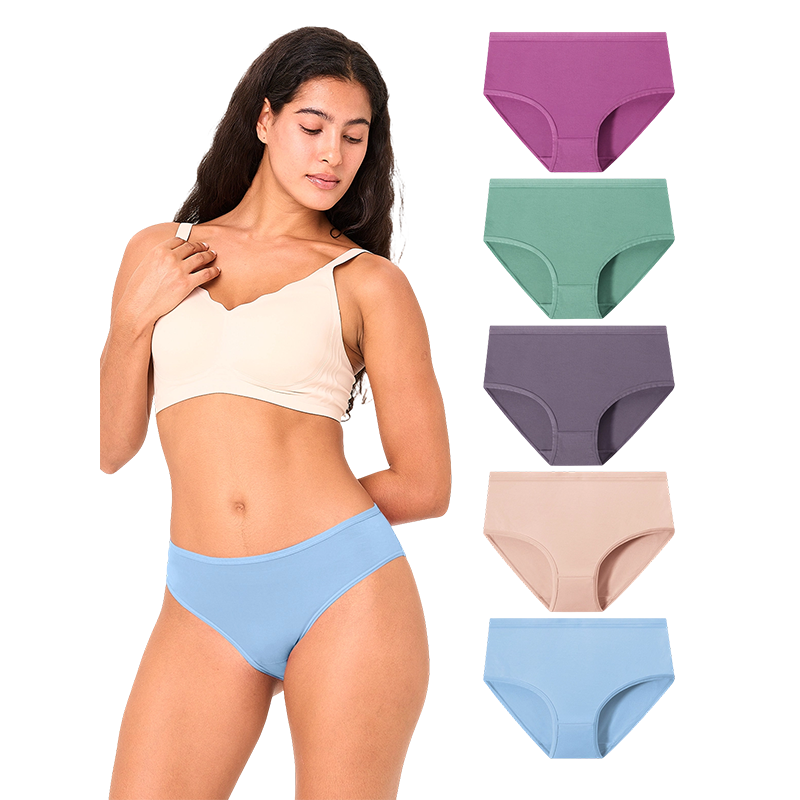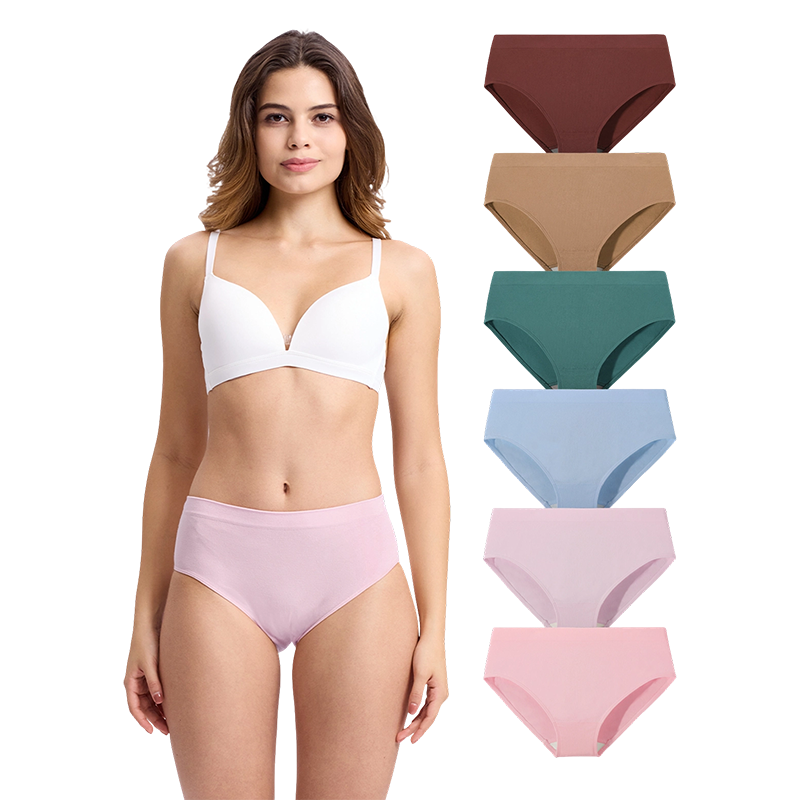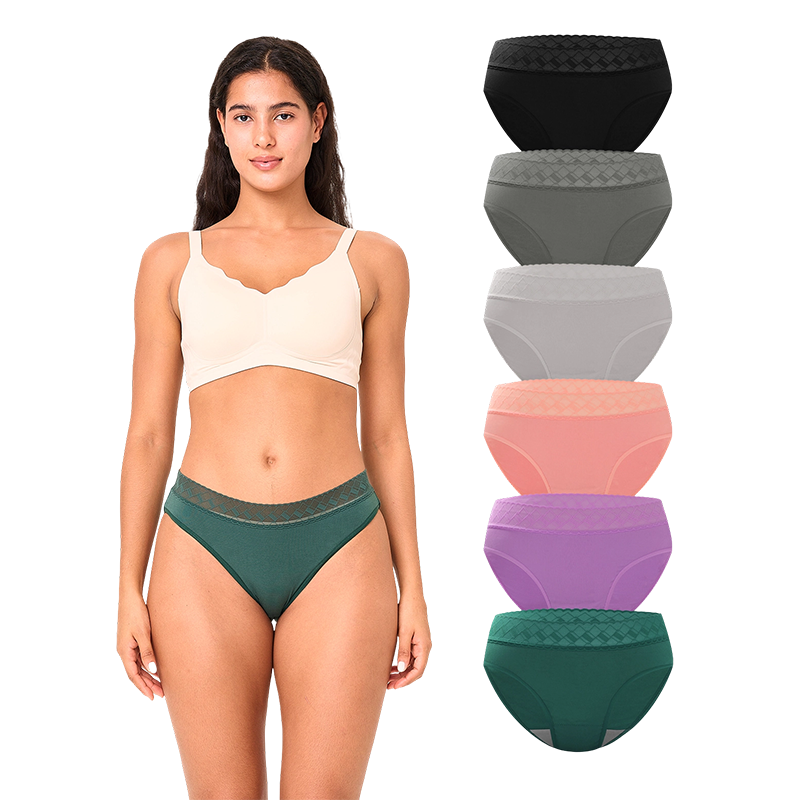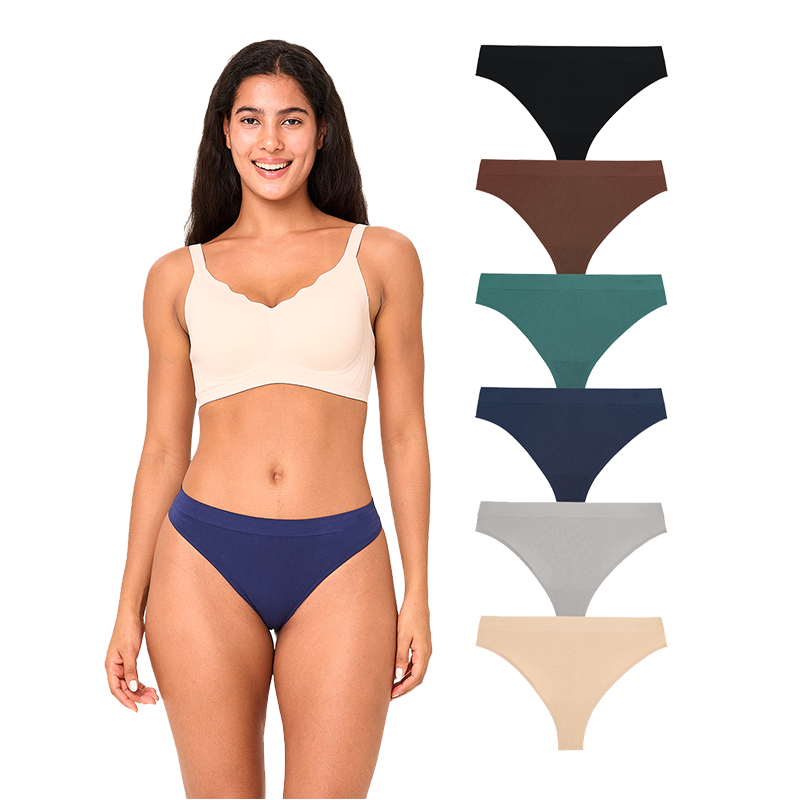
Content
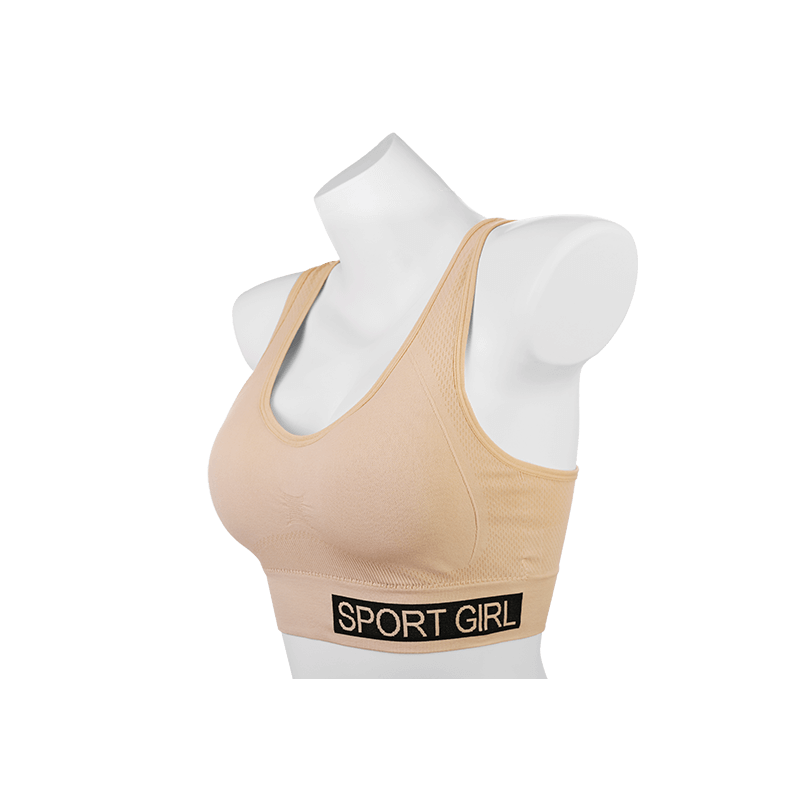
Sports and running bras are essential performance garments for women who expect comfort, support, and freedom of movement throughout every workout. Unlike ordinary everyday bras, a well-designed sports bra must manage perspiration, reduce unwanted movement, remain comfortable during repetitive activity, and maintain its shape after frequent washing. It must also feel light enough for extended wear while delivering dependable support across different exercise intensities.
Modern Sports & Running Bras are developed to address these needs through a combination of moisture-wicking fabrics, breathable construction, ergonomic shaping, strategic seam placement, and carefully engineered support zones. The result is a performance-focused garment that helps women stay dry, comfortable, and confident while running, training, stretching, cycling, practicing yoga, or completing everyday active routines.
The product belongs to the Women's Seamless Bra category and is designed around the demands of active lifestyles. Its tailored fit provides stability without unnecessarily restricting movement, while its smooth construction helps reduce friction and irritation. The use of advanced functional fabrics supports rapid perspiration management, temperature regulation, and improved wearing comfort from warm-up to recovery.
Physical activity creates challenges that standard underwear is not designed to handle. During exercise, the body generates heat and perspiration, and repeated movement can cause fabric friction against the skin. Running, jumping, interval training, and other high-movement activities can also create discomfort when a bra lacks adequate support or when its straps, seams, and elastic components are poorly positioned.
A specialized sports bra must therefore perform several functions at once. It needs to hold the body securely, distribute pressure evenly, manage moisture, allow air circulation, and preserve a natural range of movement. These requirements are particularly important for women who train regularly or wear performance underwear for long periods.
Sports & Running Bras are developed with these performance requirements in mind. Their design combines a supportive silhouette with breathable materials and a smooth fit. Rather than relying only on heavy compression, the bra uses coordinated fabric performance and garment engineering to provide stability while helping the wearer move naturally.
The product is suitable for a wide range of active situations. It can be used for running, gym training, fitness classes, walking, cycling, stretching, dance, and other activities where comfort and dependable support are important. Its versatility also makes it suitable as an everyday active base layer for consumers who prefer a sporty, streamlined appearance.
One of the most important advantages of a performance bra is its ability to manage perspiration efficiently. During exercise, moisture that remains against the skin can create a damp, heavy, and uncomfortable feeling. Excess moisture can also contribute to chafing and make the garment feel less breathable.
Sports & Running Bras use advanced moisture-wicking fabrics that help move perspiration away from the skin and toward the outer surface of the material, where it can evaporate more efficiently. This process helps the wearer remain drier during exercise and supports a more comfortable experience during both short workouts and extended training sessions.
Moisture management is especially valuable for runners and high-intensity athletes. When a garment becomes saturated, it may lose its original fit and begin to feel heavy. A fabric system that dries efficiently helps the bra maintain a lighter, more stable feel throughout activity.
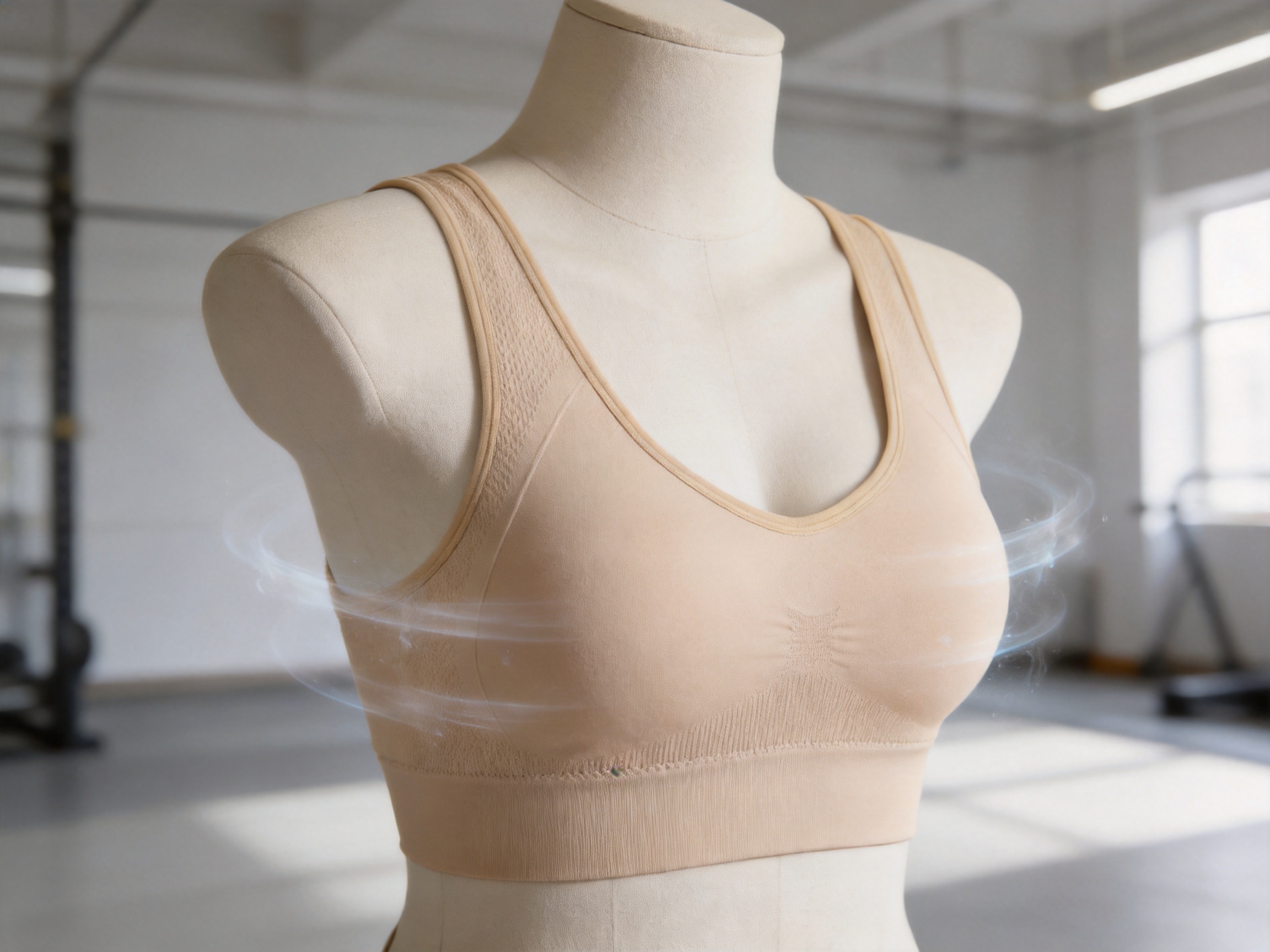
Breathability is closely connected to moisture management. A fabric may move moisture away from the skin, but the garment must also permit appropriate airflow to maintain comfort. Breathable materials help regulate the microclimate between the skin and the fabric, reducing the feeling of heat accumulation during movement.
The breathable construction of these bras supports temperature regulation by allowing heat and moisture vapor to escape. This is beneficial during indoor training, outdoor running, and warm-weather exercise. It also contributes to a fresher feeling when the garment is worn for longer periods.
Compared with conventional bras made from less breathable materials, a performance-oriented construction can provide a more comfortable experience under active conditions. The wearer can focus on exercise rather than adjusting the garment or dealing with excessive heat and dampness.
Support is a central requirement for sports and running underwear. A bra that provides too little stability may allow excessive movement and cause discomfort. A bra that relies on overly rigid compression may feel restrictive and interfere with natural breathing or upper-body movement.
The tailored fit of Sports & Running Bras is designed to provide stability while preserving freedom of movement. This balance is important because different activities require different forms of mobility. Running requires rhythmic arm movement, strength training involves a broad range of shoulder positions, and stretching requires flexibility through the chest and back.
By combining a close-fitting silhouette with flexible performance materials, the product supports the body without creating an unnecessarily stiff feeling. The construction is intended to stay in position during activity, helping reduce the need for frequent adjustments.
Friction can become a significant issue during repetitive motion. Straps, seams, labels, and rough fabric edges may rub against the skin, particularly when perspiration is present. This can lead to redness, discomfort, and reduced enjoyment of exercise.
Sports & Running Bras address this concern through strategic seam placement and the use of designs that minimize irritating contact points. The absence of irritating tags helps create a smoother interior experience. A carefully planned seam structure also helps reduce pressure and friction in sensitive areas.
Reduced irritation is an important advantage over poorly engineered sports bras. Comfortable performance is not determined only by support level or fabric composition. Small construction details, including seam direction, edge finishing, and label placement, can significantly affect how a garment feels during movement.
Activewear should work with the body rather than against it. A bra that is too tight, too stiff, or poorly shaped can limit shoulder movement and create discomfort when the wearer bends, reaches, or rotates.
The tailored profile of these bras is intended to provide a secure fit without compromising mobility. Flexible fabric recovery allows the garment to move with the body, while the supportive structure helps it return to its original position after stretching. This makes the product appropriate for activities that involve repeated changes in posture and direction.
Freedom of movement also contributes to better training confidence. When the wearer does not need to worry about shifting fabric, uncomfortable pressure, or restricted movement, attention can remain on pace, technique, strength, and personal fitness goals.
Sports & Running Bras
The performance of a sports bra begins with its fabric. A moisture-wicking textile is engineered to interact with perspiration in a way that helps move moisture away from the skin. Fiber shape, yarn structure, fabric density, finishing treatments, and knitting or weaving methods can all influence the result.
Advanced moisture-wicking fabrics are selected for their ability to provide a balance of absorbency, transportation, evaporation, softness, and durability. The ideal material should not simply absorb a large amount of liquid. It should help control moisture while maintaining a comfortable hand feel and stable garment shape.
For active underwear, fabric selection must also consider repeated washing and frequent wear. A performance bra should continue to deliver reliable comfort after multiple care cycles. This requires careful evaluation of fiber properties, elastic recovery, colorfastness, pilling resistance, and dimensional stability.
Heavy or dense fabrics can create unnecessary warmth during exercise. For this reason, sports bras often benefit from lightweight textile structures that provide support without adding excessive bulk. Breathability may be enhanced through yarn selection, knitting techniques, controlled fabric density, and ventilation-oriented design zones.
A lightweight structure improves layering versatility. The bra can be worn beneath a training shirt, under a running top, or as part of a coordinated activewear outfit without creating excessive thickness. It can also improve comfort during travel, warm-ups, recovery periods, and casual everyday wear.
Performance should not come at the expense of softness. Since underwear remains in close contact with the skin, the fabric must feel smooth and comfortable even when worn for several hours.
A soft hand feel can be achieved through fiber selection, yarn quality, finishing processes, and controlled fabric treatment. The goal is to create a surface that feels gentle against the skin while retaining the strength and recovery needed for active use.
Softness also helps improve consumer acceptance. Some highly compressive sports bras feel stiff or abrasive, especially around the underarm, neckline, or shoulder areas. A softer and more flexible construction can offer a more pleasant alternative for women who want support but dislike rigid activewear.
Sports underwear must stretch as the wearer moves and then recover its original shape. This characteristic is particularly important for a seamless or smooth-fitting bra, where the garment must conform closely to the body without becoming loose or distorted.
Reliable shape recovery helps the bra remain stable during movement. It also contributes to a consistent fit across repeated wear. Properly balanced stretch allows the product to accommodate natural body movement while avoiding excessive looseness or uncomfortable compression.
Manufacturing teams must carefully control the relationship between fabric stretch, garment dimensions, elastic components, and pattern design. If one element is not properly balanced, the final product may ride up, lose support, or create pressure points. The product development process therefore requires both material expertise and practical fitting evaluation.
The Women's Seamless Bra category is associated with smooth, body-conscious construction and reduced visible lines. Seamless design can provide several benefits when properly engineered, including improved comfort, a cleaner appearance under clothing, and reduced friction at selected areas.
Seamless construction does not mean that the garment has no engineering. Instead, shaping, stretch distribution, support zones, and body contouring are integrated into the fabric structure or produced with carefully planned joining methods. This allows the garment to achieve a close fit while reducing unnecessary seams.
A smooth interior is valuable for active garments because repeated motion can magnify small sources of discomfort. A bulky seam that feels acceptable while standing may become irritating after several kilometers of running or a long workout.
Strategic seam placement helps position necessary construction away from high-friction areas. The use of smooth finishing techniques and non-irritating labels further improves the interior experience. These details support comfortable contact between the bra and the skin during movement.
Many consumers prefer sports bras that can be worn beneath fitted tops without prominent lines or bulky edges. A streamlined construction creates a cleaner silhouette and supports flexible styling. The bra can function as a performance base layer without competing visually with the outer garment.
This clean appearance is an advantage in both sportswear and casualwear markets. Consumers increasingly expect active underwear to transition between workouts, errands, travel, and daily activities. A versatile design can therefore appeal to customers who value both technical performance and modern simplicity.
Seamless structures can be designed to distribute pressure more evenly across the garment. Instead of concentrating tension at a small number of seams or elastic points, the fabric can support the body through a broader surface area.
Balanced compression is important because excessive localized pressure may lead to discomfort, while insufficient support may reduce confidence during movement. Through fabric engineering and fit development, a seamless sports bra can offer a controlled level of support while preserving softness and flexibility.
Sports & Running Bras offer several practical advantages over ordinary bras and poorly developed activewear products. These advantages are not limited to appearance. They relate directly to moisture control, stability, comfort, durability, and usability during physical activity.
| Performance Factor | Sports & Running Bras | Conventional Everyday Bras | Low-Quality Activewear |
|---|---|---|---|
| Moisture management | Designed with advanced moisture-wicking fabrics | May retain perspiration against the skin | Performance can vary and may decline quickly |
| Breathability | Breathable materials support airflow and temperature comfort | Often optimized for everyday use rather than exercise | May use dense or poorly ventilated fabric |
| Movement support | Tailored fit provides stability while allowing mobility | May shift during running or high-movement activities | Can be excessively tight or insufficiently supportive |
| Chafing control | Strategic seams and no irritating tags improve comfort | Seams and labels may create friction during exercise | Rough finishing may increase irritation |
| Versatility | Suitable for running, training, fitness, and daily active wear | Primarily designed for casual or office wear | May be suitable only for limited activities |
| Fit consistency | Developed through pattern engineering and quality control | Not always stable during repeated motion | May stretch out or lose shape after washing |
Compared with conventional underwear, the product is better suited to conditions involving heat, perspiration, and repeated motion. Compared with low-quality activewear, it emphasizes the importance of fabric performance, fit stability, finishing quality, and manufacturing control.
It is important to recognize that support needs differ according to activity level, body shape, and personal preference. A light or moderate-support design may be ideal for walking, yoga, stretching, or everyday activewear, while a consumer seeking high-impact support may require a specialized style with additional reinforcement. Product development should therefore be guided by the intended use and target market.
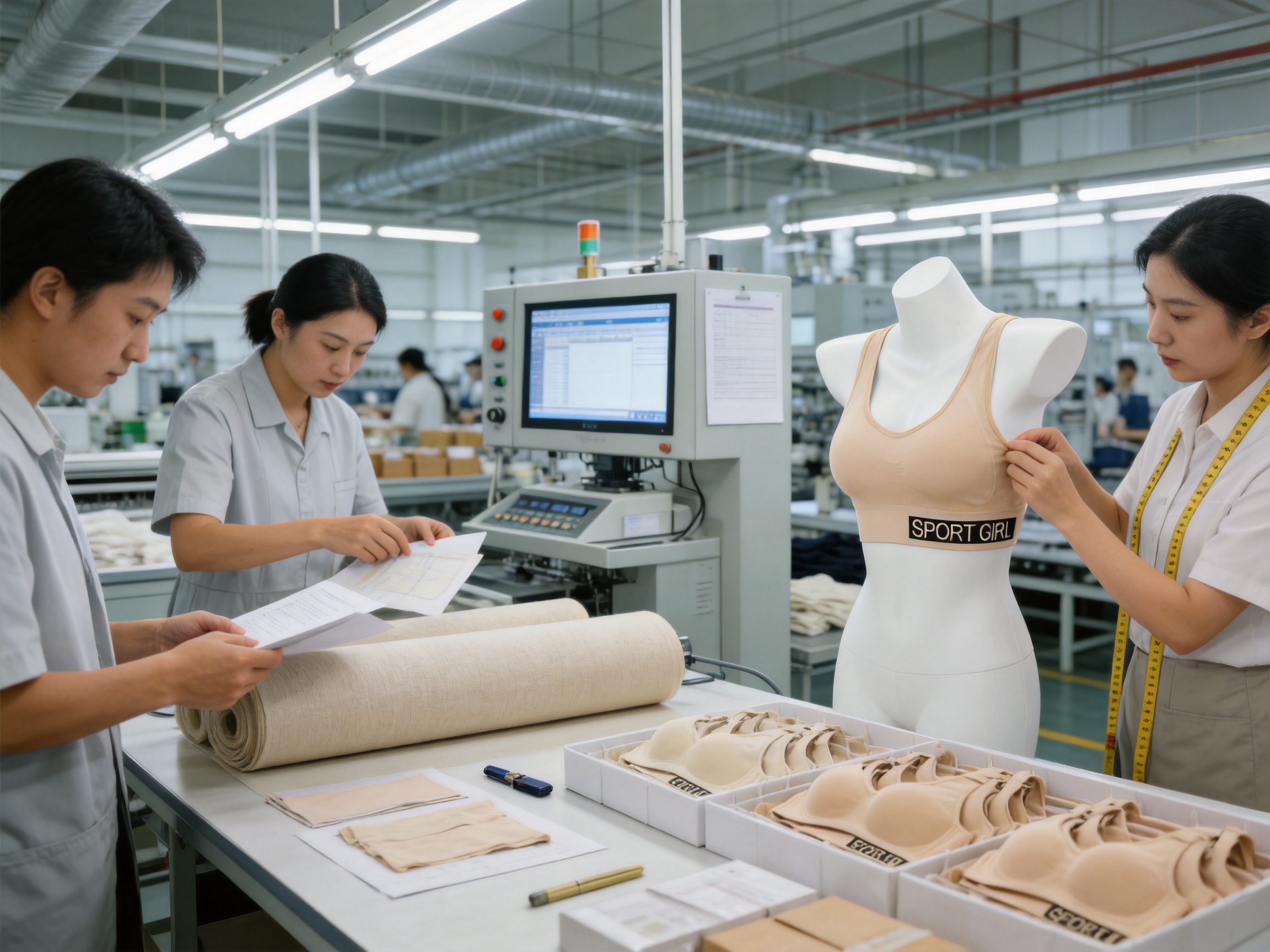
The quality of a sports bra depends on more than the finished fabric. It is the result of a coordinated manufacturing process that includes product research, material selection, pattern development, sample production, fitting, testing, cutting or knitting, sewing or assembly, finishing, inspection, and packaging.
Nantong Tianhong Textile Technology Co., Ltd. has specialized in underwear research, manufacturing, and sales since 2001. Located in Nantong, a major textile center in China, the company combines textile industry experience with product-focused development. Its capabilities support OEM and ODM cooperation for customers seeking customized underwear programs.
Product development begins with understanding the target market and intended application. For Sports & Running Bras, this includes evaluating expected activity intensity, climate, wearing duration, desired support, target price, fabric preferences, and care requirements.
Material selection can involve comparing different moisture-wicking textiles, breathable structures, stretch ratios, surface finishes, and sustainability options. The selected fabric must meet the desired balance between performance, softness, strength, cost, and visual appeal.
For customers interested in environmentally responsible collections, the company also focuses on sustainable development and environmentally friendly functional fabrics. Depending on the product specification and applicable supply chain, customers may request materials associated with recognized standards such as FSC, OCS, or GOTS. Certification requirements should always be confirmed for the specific material and production order.
Pattern engineering is critical to a sports bra because small dimensional changes can affect support and comfort. The development team must determine neckline shape, strap width, underarm coverage, back design, chest support, side shaping, hem position, and stretch allowance.
Samples are used to evaluate how the garment behaves on the body. Fit reviews may examine whether the bra rides up, whether the straps remain stable, whether the neckline gaps, whether the fabric creates pressure points, and whether the garment permits full upper-body movement.
For seamless products, fit development also considers the way the knitted or elastic structure responds to different body dimensions. A successful fit must accommodate natural variation while preserving the intended silhouette and support level.
Prototype testing provides an opportunity to identify issues before bulk production. Samples may be assessed during simulated running, stretching, gym exercises, or everyday wear. Testers can provide feedback on comfort, breathability, support, strap stability, movement, and ease of dressing.
Performance testing may also consider moisture behavior, dimensional stability, colorfastness, pilling, abrasion resistance, elastic recovery, and wash durability. The exact testing plan depends on the customer’s requirements, product positioning, and applicable quality standards.
Combining wearer feedback with technical testing creates a more complete evaluation. Laboratory data can demonstrate fabric properties, while practical wear trials reveal how the full garment performs during real movement.
Once the design and materials are approved, production requires careful control of fabric inspection, panel or component preparation, assembly, seam quality, elastic tension, label placement, and finishing. Consistency is particularly important for underwear because small differences in measurements can affect the wearer’s experience.
Quality control teams may inspect fabric defects, color variation, surface damage, stitching, loose threads, dimensional accuracy, and finished appearance. In addition, production records and inspection procedures help maintain consistency across repeat orders and different sizes.
Customers purchasing OEM or ODM products often require specific packaging, labeling, size grading, color standards, and inspection criteria. A flexible manufacturer must be able to incorporate these details into the production process without weakening product quality or delivery reliability.
Different markets have different expectations for sports bras. A retailer serving runners may prioritize high moisture management and secure movement control. A fashion-oriented activewear label may focus on seamless appearance, color development, and coordinated collections. A wellness brand may prefer soft materials, moderate support, and sustainability messaging.
OEM and ODM manufacturing allows buyers to develop products around their own market requirements. Customization may include fabric selection, color, size range, support level, neckline, back design, logo application, packaging, labeling, and care instructions.
Customers can evaluate performance fabrics according to their intended market. Options may include lightweight moisture-wicking structures, softer everyday-performance textiles, recycled fiber blends, natural-fiber-based materials, or fabrics with specific stretch and recovery properties.
Fabric selection should be matched to the final product promise. For example, a bra intended for high-sweat training may require stronger moisture transport and rapid drying, while a yoga-oriented style may place greater emphasis on softness and flexibility. The manufacturer can assist in balancing these requirements with cost and production feasibility.
Color development is an important part of activewear merchandising. Neutral shades can support daily wear, while brighter colors may appeal to performance-focused consumers. Seasonal collections may require custom color matching and coordinated tops, bottoms, and accessories.
The final color program should consider colorfastness, fabric composition, dyeing requirements, and production quantities. Consistent shade control helps ensure that bras remain visually aligned with other products in the same collection.
OEM and ODM customers may request woven labels, printed labels, heat-transfer logos, packaging inserts, hangtags, or other brand identification methods. For performance underwear, logo placement should not create a rough area or interfere with comfort.
Labels and care information should be clear and suitable for the target market. Where possible, the use of soft or tag-free interior solutions can preserve the irritation-free experience associated with the product design.
Sports bra sizing must be developed carefully because a garment that fits one size well may not automatically perform correctly in another. Grading should preserve support distribution, strap positioning, coverage, and stretch behavior across the full size range.
Inclusive sizing can help brands serve a broader customer base. It requires more than simply enlarging or reducing a pattern. The manufacturer should review how support zones, elastic tension, armhole shape, and fabric recovery behave across different sizes.
Sustainability is increasingly important in the underwear and activewear industries. Customers are looking for products that combine comfort and performance with responsible material choices, reliable manufacturing, and transparent supply chains.
Nantong Tianhong Textile Technology Co., Ltd. focuses on sustainable development, environmentally friendly functional fabrics, and traceable supply chain management. These priorities support customers seeking to develop more responsible underwear collections without abandoning technical performance.
Natural and renewable fiber options may be considered where they meet the required performance, durability, and care standards. Organic bamboo-related materials and other natural-fiber solutions can offer a soft hand feel and support sustainability-oriented product concepts. However, the suitability of any material must be evaluated according to the final garment’s moisture management, stretch, recovery, abrasion resistance, and certification requirements.
Recognized standards can help provide structure to responsible sourcing and social compliance programs. The company reports experience with certifications and standards including FSC, OCS, OEKO-TEX 100, GOTS, WRAP, and BSCI. The applicable certification depends on the material, facility, order, and scope of the specific claim. Buyers should request current documentation and verify that the relevant certificate covers the intended product.
Traceability helps customers understand where materials originate, how they are processed, and how they move through the production system. It can support quality consistency, responsible purchasing, and more credible sustainability communication.
A traceable supply chain is also useful when developing repeat programs. If a product becomes commercially successful, the buyer needs confidence that future orders can maintain comparable fabric performance, color, fit, and construction quality.
Responsible manufacturing includes attention to workplace standards, worker welfare, production safety, and ethical business practices. Standards such as WRAP and BSCI are commonly used within the apparel industry to support social compliance evaluation.
For international buyers, social compliance capability can be an important part of supplier selection. It helps align production with the requirements of retailers, distributors, and end consumers who increasingly expect transparency throughout the apparel supply chain.
Quality control should begin before production starts. Fabric rolls, yarns, elastics, accessories, labels, and packaging materials should be checked against approved specifications. Early inspection helps prevent defects from moving into later manufacturing stages.
During production, operators and inspectors can monitor measurements, stitching, seam appearance, tension, and component placement. For seamless products, the inspection process may also focus on knitting consistency, stretch balance, surface uniformity, and transition areas between support zones.
| Quality Control Stage | Key Evaluation Areas | Purpose |
|---|---|---|
| Raw material inspection | Fiber composition, color, width, weight, stretch, defects | Confirms that incoming materials meet approved specifications |
| Sample approval | Fit, support, comfort, appearance, construction | Establishes the standard for bulk production |
| In-process inspection | Measurements, seams, elastic tension, labels, workmanship | Identifies production issues early |
| Functional assessment | Moisture behavior, recovery, durability, wash performance | Evaluates suitability for active use |
| Final inspection | Appearance, size, packaging, quantity, defects | Confirms shipment readiness and order compliance |
A documented quality system also improves communication between the manufacturer and buyer. Approved samples, measurement charts, color standards, technical packs, and inspection records provide clear references for future production.
For international orders, final inspection may be performed according to the buyer’s own quality manual or an agreed inspection standard. This allows the production process to be aligned with the expectations of specific retail channels and markets.
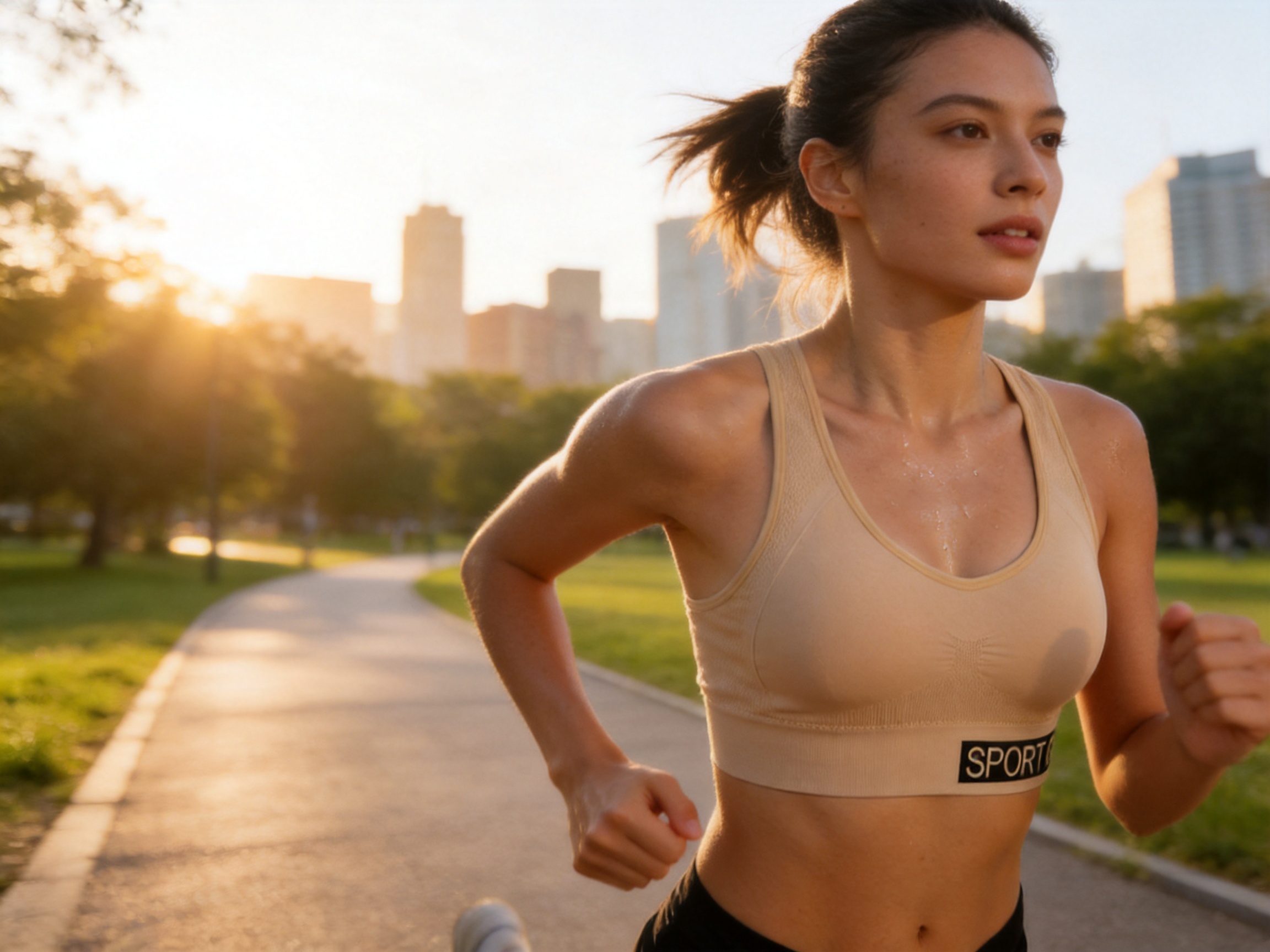
Running involves continuous, repetitive movement and can generate significant heat and perspiration. A suitable running bra should remain stable, manage moisture, and reduce friction over the entire session.
The tailored fit helps support a steady feel while the moisture-wicking fabric assists in keeping the skin drier. Breathability is particularly valuable during outdoor runs in warm or humid conditions. Strategic seam placement helps minimize irritation along the shoulders, sides, and chest area.
Gym workouts often combine strength training, cardio, mobility drills, and functional movements. The wearer may move from pushing and pulling exercises to bending, reaching, and high-intensity intervals.
A versatile sports bra should adapt to these changes without becoming uncomfortable. Flexible performance materials and a secure fit can provide the stability needed for active training while allowing the upper body to move through different positions.
Yoga and stretching require freedom of movement, softness, and a comfortable fit. Although these activities may create less impact than running, they often involve deep bending, rotation, and extended periods of wear.
A smooth, breathable bra can support these activities without creating distracting pressure points. Its seamless appearance also works well beneath fitted yoga tops and lifestyle clothing.
Many consumers want one bra that works for exercise and daily routines. Walking, commuting, traveling, shopping, and casual activities may not require maximum impact support, but they still benefit from softness, breathability, and a stable fit.
The lightweight profile and clean appearance of Sports & Running Bras make them suitable for consumers who prefer functional underwear that transitions easily between active and everyday settings.
Proper care is important for maintaining the performance of any sports bra. Consumers should follow the care instructions provided for the specific fabric and construction. General recommendations may include washing with similar colors, avoiding excessive heat, using a mild detergent, and allowing the garment to dry according to the label instructions.
High heat can affect elastic recovery, fabric shape, and surface appearance. Harsh chemicals may also reduce the performance of moisture-wicking finishes or weaken fibers over time. A careful laundering routine can help preserve the original fit and comfort.
For buyers, durability is an important part of product value. A bra that maintains its shape, softness, and performance after repeated wear can encourage customer satisfaction and reduce replacement frequency. Manufacturing quality, material selection, and clear care instructions all contribute to this long-term value.
Durability should be evaluated through appropriate testing rather than assumed solely from the fabric name or product appearance. Wash testing, stretch recovery testing, abrasion evaluation, and seam inspection can help identify potential weaknesses before a product reaches the market.
Underwear manufacturing requires specialized knowledge because the products are worn close to the skin and must meet precise requirements for comfort, fit, elasticity, hygiene, and appearance. Sports bras add another level of complexity because they must perform during movement and perspiration.
An experienced manufacturer can help identify problems that may not be obvious during the initial design stage. These may include insufficient strap recovery, excessive pressure at the hem, fabric transparency during stretching, inconsistent sizing, poor wash stability, or moisture-wicking performance that does not match the marketing claim.
Experience also supports efficient communication. A manufacturer familiar with OEM and ODM projects can help convert an idea, sketch, reference sample, or technical specification into a manufacturable product. This can reduce development delays and improve the consistency between the approved sample and bulk production.
Nantong Tianhong Textile Technology Co., Ltd. has been active in underwear research, production, and sales since 2001. Its work with recognized labels and clients in Europe, North America, and China reflects experience in serving different market expectations. This international cooperation can be valuable for buyers who need assistance with specifications, compliance, quality documentation, and export-oriented production.
Sports & Running Bras can serve multiple product channels. Activewear brands may include them in technical training collections. Lingerie companies may use them to expand into performance underwear. Outdoor retailers may select them for running and fitness programs. Lifestyle brands may position them as breathable, everyday active essentials.
The product can also be adapted for private-label collections. Buyers may develop different support levels, colorways, fabric compositions, or packaging formats while retaining the core advantages of moisture management, breathability, stability, and smooth comfort.
For e-commerce sellers, product communication should explain the intended use clearly. Customers benefit from information about support level, fit, fabric composition, moisture performance, care, sizing, and recommended activities. Clear information reduces confusion and helps buyers select the product that best matches their needs.
For wholesale buyers, consistency and scalability are equally important. A supplier should be able to support sampling, size grading, color development, production planning, quality inspection, and repeat orders. A reliable manufacturing relationship can help a brand expand a successful product into new colors, sizes, and related styles.
The strongest product positioning combines technical performance with everyday comfort. Consumers may be attracted by the sports-oriented design, but they are likely to repurchase when the garment remains comfortable, stable, breathable, and easy to care for.
Sports & Running Bras can be positioned around several consumer benefits:
First, they help manage perspiration during exercise. This is a direct and easy-to-understand benefit for runners, gym users, and active consumers.
Second, they provide breathable comfort. Temperature regulation and airflow can make a meaningful difference during long workouts or warm-weather activity.
Third, they offer stability without unnecessary restriction. This appeals to women who want support but do not want the rigid feeling associated with some highly compressive designs.
Fourth, they reduce sources of irritation through strategic seams and the absence of irritating tags. This is particularly relevant for consumers with sensitive skin or those who exercise for extended periods.
Finally, their seamless and streamlined appearance supports versatile styling. The product can be worn under activewear, casual clothing, or as part of a coordinated athletic outfit.
Before placing a production order, buyers should evaluate the product from both a technical and commercial perspective. A structured review helps ensure that the final sports bra meets the expectations of the intended customer.
| Evaluation Category | Questions for Buyers |
|---|---|
| Intended activity | Is the product designed for running, low-impact training, general fitness, or multiple uses? |
| Support level | Does the fit provide the desired stability without creating excessive pressure? |
| Fabric performance | Does the material provide moisture management, breathability, softness, and recovery? |
| Construction | Are seams, edges, straps, labels, and support zones comfortable during movement? |
| Fit range | Does the size grading maintain comfort and support across the full size range? |
| Durability | Does the product maintain shape, color, and performance after appropriate wash testing? |
| Compliance | Are the required material, environmental, social, and product documents available? |
| Customization | Can the supplier meet requirements for colors, labels, packaging, and branding? |
| Production capacity | Can the manufacturer support sampling, bulk orders, and repeat production? |
This checklist can be adapted to the needs of a specific brand or retail program. The more clearly requirements are defined before sampling, the more efficiently the manufacturer can develop the product.
They are designed for exercise and active lifestyles, including running, gym training, fitness classes, walking, stretching, cycling, and similar activities. The product combines moisture management, breathability, support, and freedom of movement.
Moisture-wicking fabrics help move perspiration away from the skin and toward the outer surface of the material, where it can evaporate more efficiently. This helps reduce the damp feeling that can occur during exercise and supports a drier, more comfortable experience.
The suitability depends on the specific support level, design, size, and wearer preference. The tailored fit provides stability, but buyers should confirm the intended impact rating and conduct appropriate wear testing when developing a product specifically for high-impact running.
Seamless construction generally refers to a garment engineered with reduced seams or integrated fabric shaping. It is intended to provide a smoother appearance and minimize friction while supporting a close, comfortable fit.
Yes. Through OEM and ODM cooperation, buyers may discuss customization such as fabric, color, size range, support level, logo, label, packaging, and other product details. Final options depend on the technical specification and production requirements.
Sustainable and environmentally friendly functional fabrics can be considered according to the target performance and certification requirements. Options may include natural-fiber-based or certified material programs. The exact material and certification should be confirmed for the specific product order.
Buyers can request samples, technical specifications, fabric information, testing records, certification documents, size charts, and inspection procedures. Wear testing and wash testing are also useful for evaluating the product under realistic conditions.
An experienced manufacturer can support material selection, pattern development, fit evaluation, production control, quality inspection, compliance documentation, and repeat-order management. This helps reduce development risks and improve consistency.
Yes. Their breathable, lightweight, smooth, and supportive construction can make them suitable for daily activewear, travel, walking, commuting, and casual use. Consumers should select the support level and fit that match their intended activity.
Care should follow the instructions provided for the specific fabric and product. In general, gentle washing, mild detergent, avoidance of excessive heat, and appropriate drying can help preserve elasticity, shape, color, and moisture-management performance.
Sports & Running Bras represent the development of underwear toward more specialized, comfortable, and versatile performance products. Their value comes from the way multiple features work together: moisture-wicking fabrics help manage perspiration, breathable materials support temperature comfort, tailored shaping provides stability, and carefully planned seams help reduce irritation.
The seamless bra construction offers a smooth appearance and comfortable close fit, making the product suitable for both exercise and everyday active lifestyles. Compared with ordinary underwear, it is better prepared for heat, sweat, and repetitive movement. Compared with lower-quality activewear, it places greater emphasis on fabric engineering, fit development, construction details, quality control, and long-term usability.
Manufacturing expertise is essential to achieving these results. Since 2001, Nantong Tianhong Textile Technology Co., Ltd. has focused on underwear research, manufacturing, and sales while providing OEM and ODM services to customers in multiple international markets. Its attention to functional fabrics, sustainable development, traceable supply chain management, and recognized quality and social-compliance standards supports the development of reliable private-label and customized underwear programs.
For brands, wholesalers, retailers, and other buyers, the product offers a strong foundation for activewear collections that prioritize comfort, technical performance, and modern design. With appropriate customization, testing, quality control, and certification verification, Sports & Running Bras can meet the needs of consumers who expect their underwear to support every movement and remain comfortable throughout the day.
American Society for Testing and Materials. Standard practices and test methods for textile performance, colorfastness, abrasion resistance, and dimensional stability.
International Organization for Standardization. Guidance and standards related to textile fiber composition, care labeling, and quality evaluation.
OEKO-TEX Association. Standards and principles for assessing harmful substances in textiles and textile-related materials.
Global Organic Textile Standard. Principles for organic fibers, environmental processing, and social criteria in textile supply chains.
Forest Stewardship Council. Chain-of-custody principles for responsible forest-based materials and certified supply chains.
Worldwide Responsible Accredited Production. Principles for responsible and socially compliant apparel manufacturing.
Business Social Compliance Initiative. Frameworks for improving social performance and working conditions in global supply chains.
Textile Research and Apparel Engineering Literature. Research concerning moisture transport, breathable fabric structures, elastic recovery, garment fit, and sportswear comfort.

Copyright © Nantong Tianhong Textile Technology Co., Ltd. All Rights Reserved.
 Room 806, Building D, Jingyang Plaza, Chongchuan District, Nantong City, Jiangsu Province,china

 English
 Español
 русский
 عربى
عربى