Content

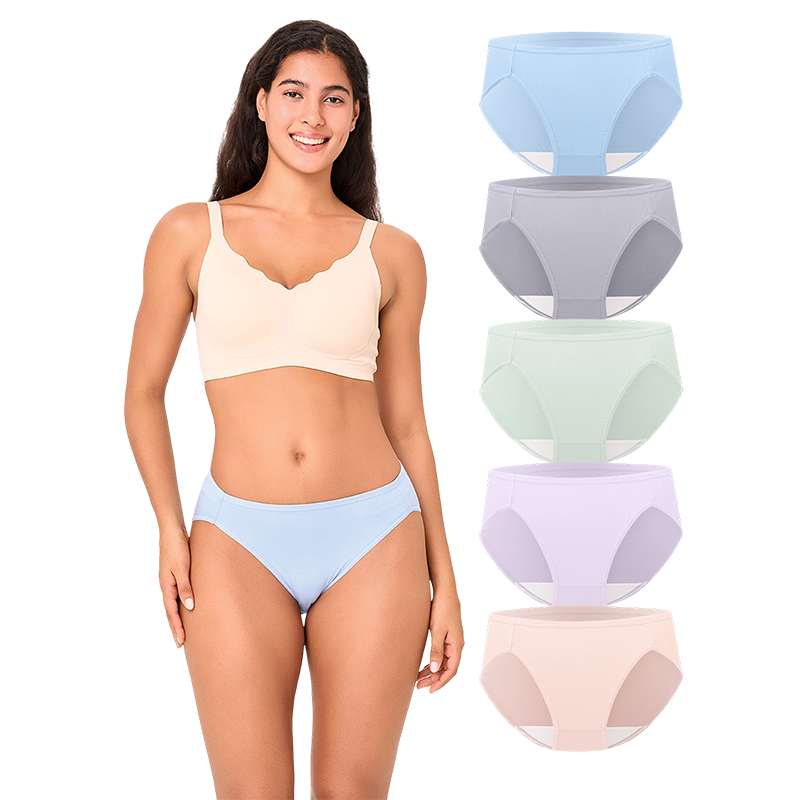
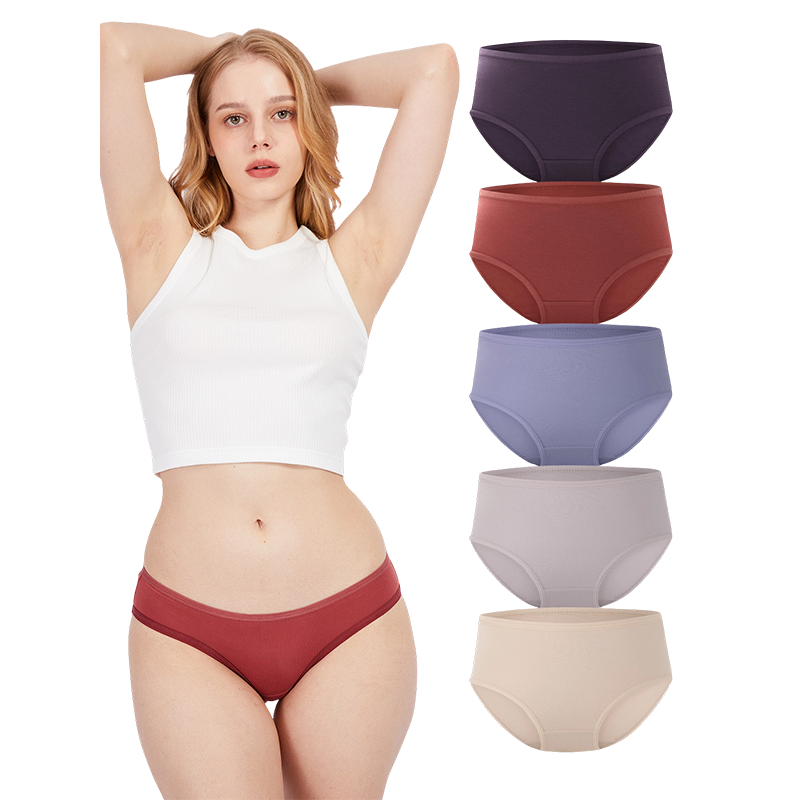
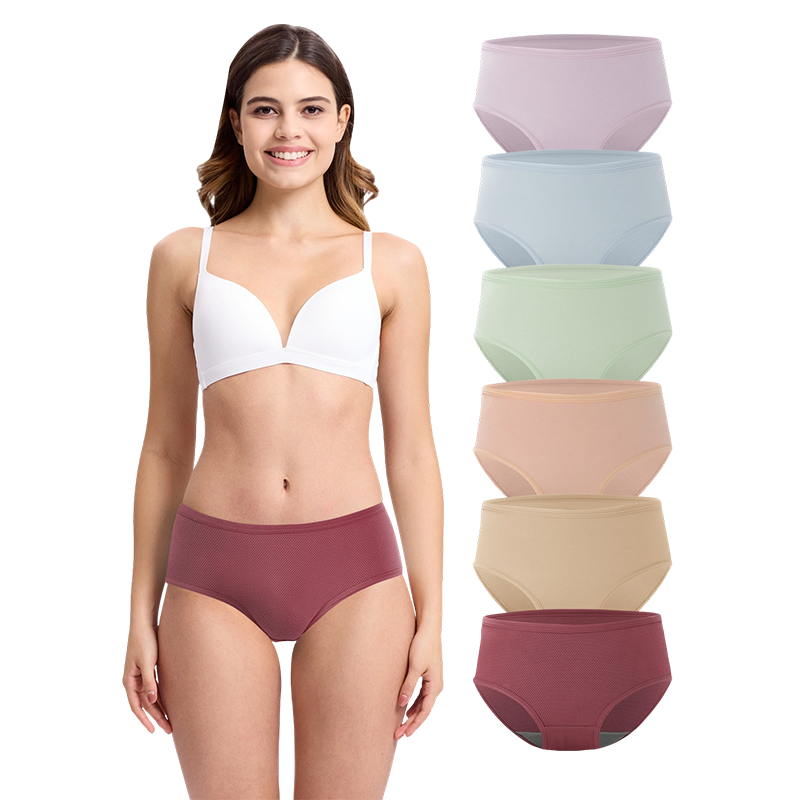
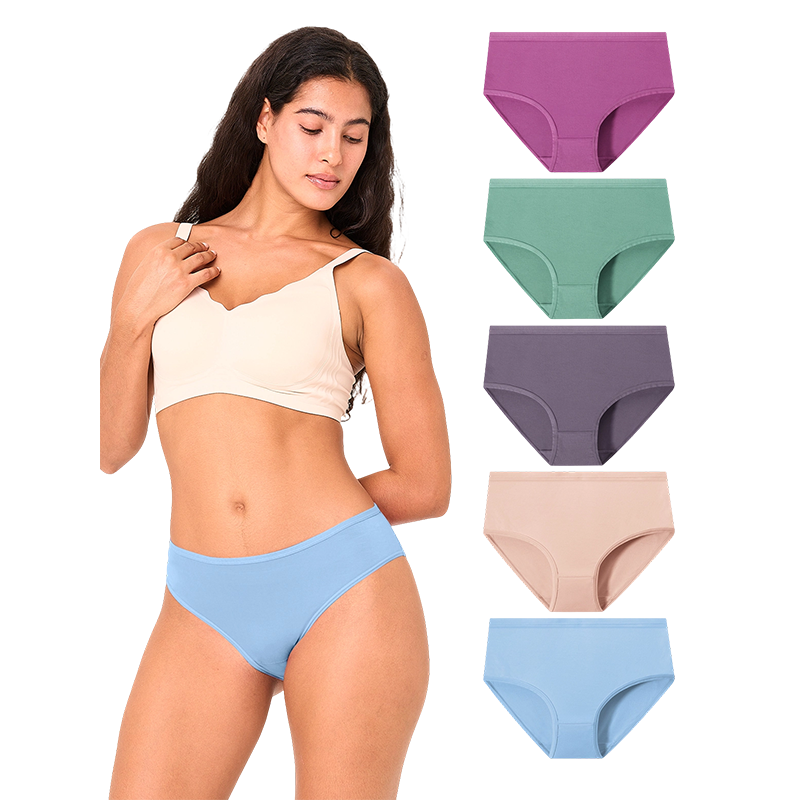
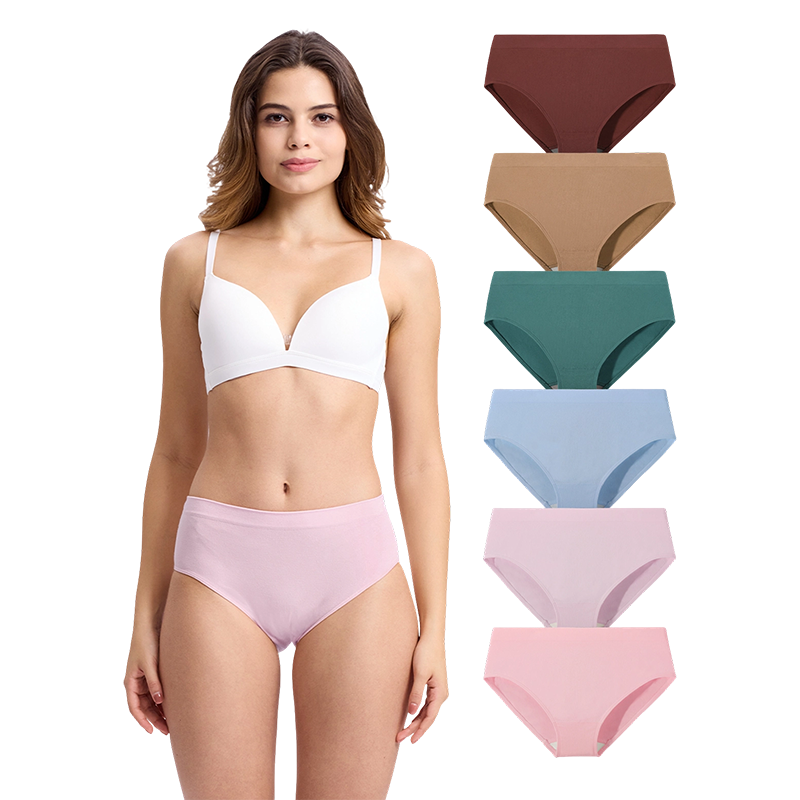
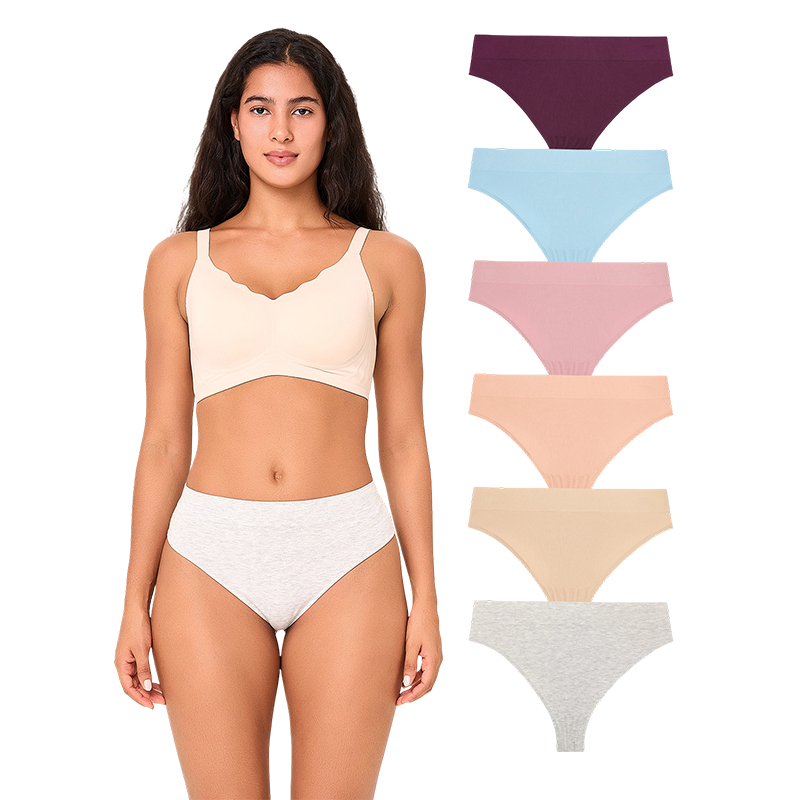
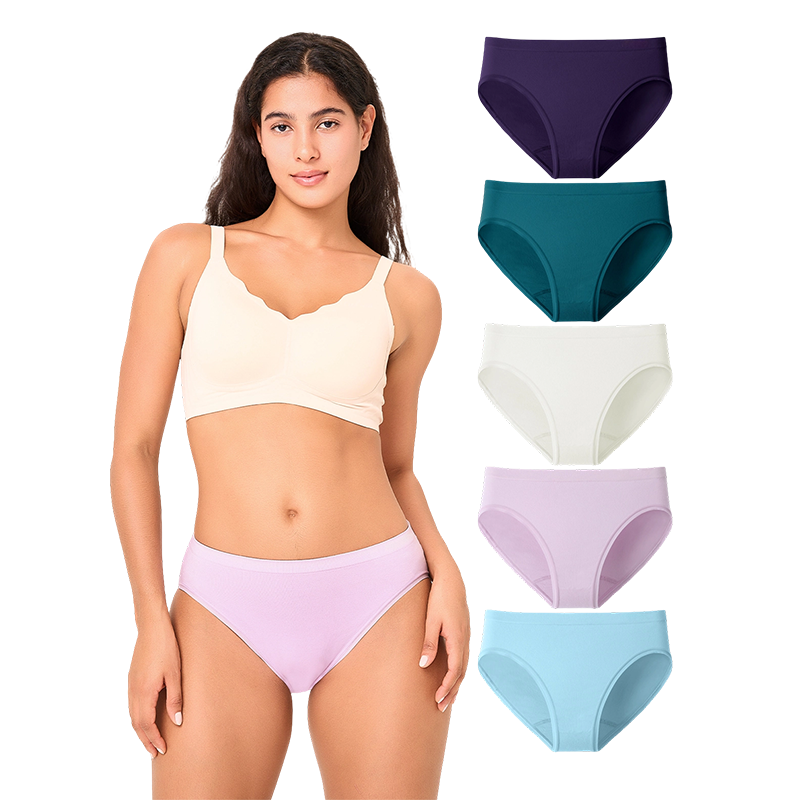
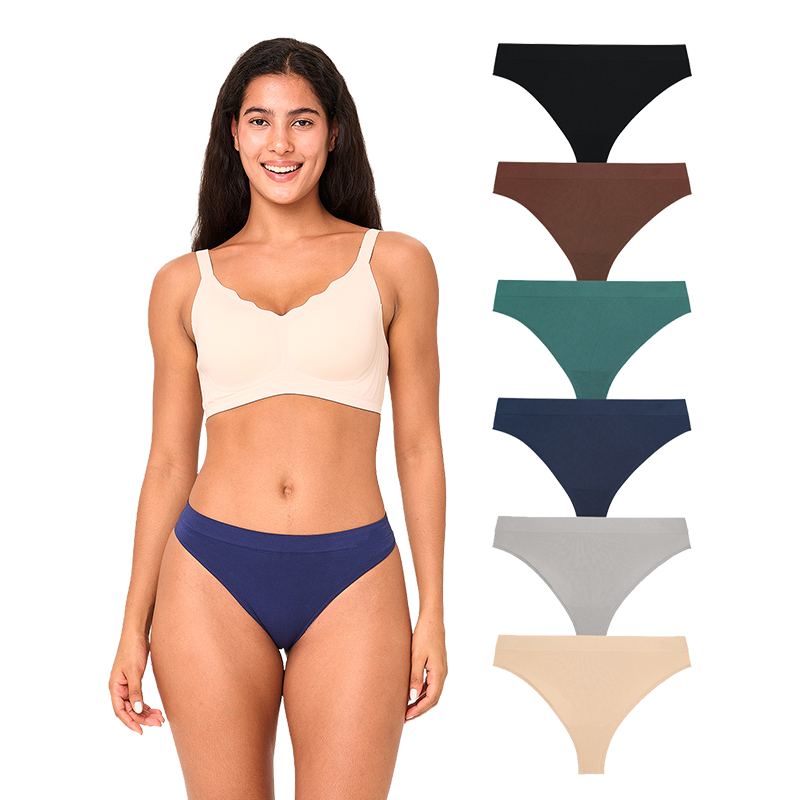
Quick Answer: Women’s Seamless High Cut Briefs are a practical choice for buyers seeking breathable, lightweight, full-coverage underwear with a smooth appearance under clothing. Made from 82% viscose made from bamboo, 13% nylon, and 5% spandex, the briefs combine softness, airflow, stretch recovery, and everyday durability. Their high-rise waistband sits at the natural waist, while the seamless one-piece knit construction reduces tag irritation, bulky seams, and chafing. A double-layer gusset adds comfort and support for extended wear.
For retailers, private-label brands, uniform suppliers, and lingerie distributors, the product also offers a strong OEM/ODM foundation. The manufacturer has operated in China’s textile industry since 2001 and supports product research, manufacturing, customization, quality management, sustainable material development, and traceable supply chain programs. Its certification portfolio includes FSC, OCS, OEKO-TEX 100, GOTS, WRAP, and BSCI, subject to the certification status of the relevant facility, material, product, or order.
Underwear buyers are looking for more than attractive styling. They want garments that remain comfortable during work, commuting, travel, housework, exercise-free daily activities, and extended periods of sitting. Retailers are also searching for products that are easy to explain, simple to position, and suitable for recurring purchases.
These seamless high-cut briefs answer that demand through a combination of four product priorities:
Breathability: The bamboo-viscose-rich fabric is lightweight and designed to support airflow.
Coverage: The high-cut brief silhouette provides reliable coverage without the visual and physical bulk of heavier underwear.
Waist comfort: The wide high-rise waistband sits at the natural waist and helps create a secure everyday fit.
Low-irritation construction: Seamless one-piece knitting, a tagless design, and a double-layer gusset help reduce common comfort complaints.
The result is a women’s brief that can be positioned between traditional cotton underwear and more technical seamless lingerie. It is soft enough for daily wear, structured enough for dependable coverage, and visually clean enough to coordinate with close-fitting clothing.
Buyer’s takeaway: Choose this product when the target customer values a natural-fiber-feeling hand, breathable performance, high-waisted coverage, and a smooth construction that avoids unnecessary seams and labels.
| Product element | Specification or benefit | Commercial relevance |
|---|---|---|
| Product type | Women’s seamless high-cut briefs | Suitable for everyday underwear collections and private-label basics |
| Fiber composition | 82% viscose made from bamboo, 13% nylon, 5% spandex | Balances softness, strength, stretch, and fit retention |
| Waist design | High-rise wide waistband | Supports a natural-waist fit and a secure feeling |
| Construction | Seamless one-piece knit | Helps minimize chafing, hard seam transitions, and bulk |
| Comfort details | Tagless design and double-layer gusset | Improves wearability and creates a more finished interior |
| Coverage | Full coverage without excessive bulk | Works for customers who want modesty and movement comfort |
| Material-related certification | FSC certified material reference | Supports more responsible sourcing communication when properly documented |
Fabric composition strongly influences the comfort, appearance, and commercial life of underwear. A high proportion of viscose made from bamboo gives the garment a soft, fluid hand feel. Nylon contributes mechanical strength and helps the fabric withstand repeated wear. Spandex adds stretch, enabling the brief to move with the body and return toward its original shape.
Each fiber performs a different role. Treating the blend as a single “soft fabric” misses the reason it works well in a daily underwear product.
Viscose made from bamboo is commonly selected for next-to-skin clothing because it can feel smooth and lightweight. In this brief, it forms the majority of the fiber blend, giving the product a soft surface suitable for long wear. The fabric is also described as breathable and capable of supporting higher airflow than conventional cotton in the relevant product communication.
Breathability matters because underwear sits close to the body and is often worn for many hours without adjustment. A lightweight fabric can help reduce the heavy, enclosed sensation associated with dense or overly thick materials. Retailers can position the product for warm climates, daily commuting, travel, indoor work, and customers who prefer a fresher-feeling base layer.
Material claims should be communicated accurately. Bamboo is the source material for the viscose fiber; the finished textile is viscose made from bamboo rather than untreated bamboo fiber. Buyers should request the appropriate fiber-content documentation and certification records before making environmental claims on packaging or advertising.
Nylon is included at 13% of the blend. Its role is not to replace the softness of the viscose but to reinforce the knitted structure. Underwear must handle repeated stretching, laundering, folding, and friction. A supportive synthetic fiber can help the garment maintain a stable construction during normal use.
For private-label brands, nylon can also help improve consistency across production batches. A stable yarn system makes it easier to manage stretch, recovery, knitting performance, and appearance during sampling and bulk manufacturing. Actual results depend on yarn specifications, knitting settings, dyeing, finishing, and care instructions, so product testing remains essential.
The 5% spandex component provides elasticity. This is important in a high-rise brief because the garment must accommodate natural body movement without feeling rigid. The brief needs to stretch during sitting, walking, bending, and dressing, then recover sufficiently to maintain its intended position.
Stretch recovery also supports the product’s “stay in place” positioning. A well-balanced elastic structure can help reduce rolling, shifting, or sagging. Fit depends on more than fiber content, however. Waistband width, knitting density, garment dimensions, finishing, and size grading all influence the final result.
Softness: Primarily supported by the bamboo-viscose-rich blend.
Strength: Supported by nylon and the knitted construction.
Stretch: Supplied by spandex and engineered garment dimensions.
Daily comfort: Created through the combined effect of fiber selection, airflow, waistband design, seamless knitting, and gusset construction.
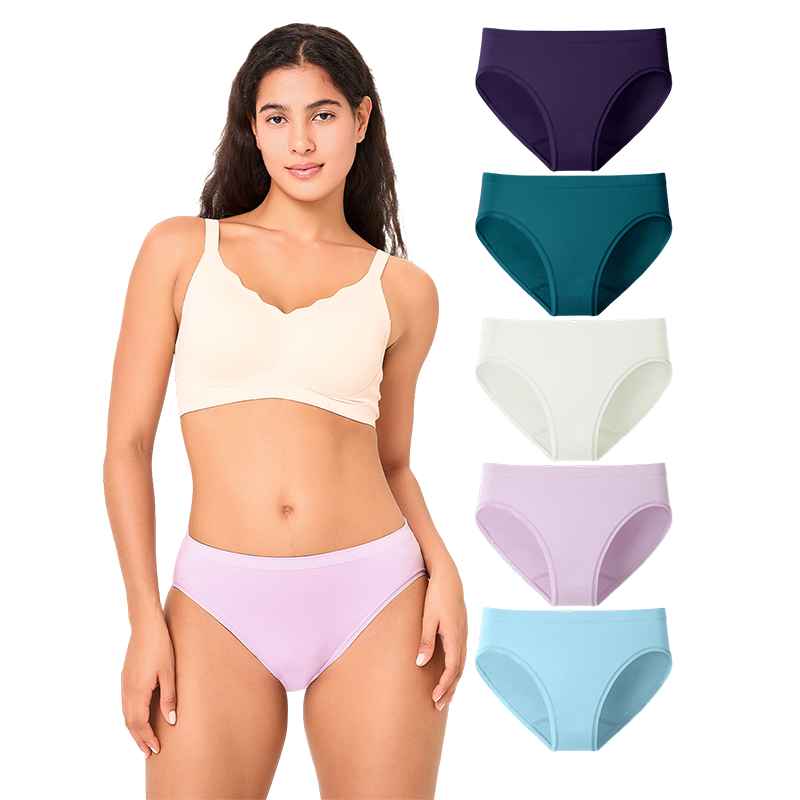
Women’s Seamless High Cut Briefs
The garment is designed with a seamless one-piece knit construction. This approach is a major point of difference from conventional briefs assembled from several cut-and-sew panels. Traditional construction can require multiple seams, labels, binding edges, and seam allowances. Those details may provide structure, but they can also create pressure points or visible lines under clothing.
A seamless knit can reduce the number of hard transitions against the skin. That helps the brief feel smoother during long periods of wear. It also supports a cleaner appearance beneath skirts, dresses, fitted trousers, and other garments where prominent underwear lines may be undesirable.
Seamless does not mean that every part of the garment has no joins or finishing operations. It means that the body of the product is engineered through knitting to minimize conventional seams and create a more integrated structure. The waistband, leg openings, gusset, and body still require precise technical control.
The manufacturing team must manage yarn tension, knitting density, stretch zones, edge stability, and dimensional consistency. If the density is too tight, the brief may feel restrictive. If it is too loose, the garment may lack support or lose its shape. Seamless manufacturing therefore requires process control rather than simply eliminating sewing.
Full-coverage underwear can sometimes create unwanted thickness beneath lightweight clothing. The product description specifically positions these briefs as providing coverage without bulk. The high-cut shape and integrated knit structure help create a streamlined profile while preserving more coverage than a minimal-cut style.
This makes the product suitable for customers who wear underskirts, dresses, workwear, or close-fitting everyday clothing. Retail descriptions should avoid promising complete invisibility under every garment because visibility depends on color, size, fabric weight, fit, and outerwear construction. A more accurate benefit is that the seamless design is intended to reduce unnecessary bulk and prominent seam lines.
The wide waistband is designed to sit at the natural waist. This position creates a higher rise than low-rise or mid-rise briefs and may be preferred by customers who want more abdominal coverage. The waistband also gives the product a clear merchandising point: it is not simply a basic brief, but a comfort-focused high-waisted brief designed for reliable daily wear.
A wider waistband can distribute pressure over a larger area than a narrow elastic edge. That may help the brief feel more stable and less likely to dig into the skin. The effect depends on the waistband tension and the relationship between the garment size and the wearer’s measurements. Correct grading is therefore important for both comfort and customer satisfaction.
A higher rise can offer more coverage around the midsection.
A wider waistband can create a smoother transition at the waist.
The natural-waist position can coordinate well with high-waisted trousers and skirts.
The design is suitable for buyers who dislike low-rise underwear shifting during movement.
The waistband supports a more secure feeling without requiring heavy shaping construction.
These briefs should not be marketed as firm shapewear unless the product has been tested and engineered for compression. Their primary purpose is everyday comfort and coverage, not body reshaping. This distinction helps retailers set accurate expectations and reduce avoidable returns.
The category “women’s briefs” covers many silhouettes, from minimal coverage to classic full briefs. This product is positioned toward customers who want dependable coverage but do not want a thick, heavy, or highly structured garment.
The high-cut leg opening provides a more open line around the upper thigh than a traditional low-cut brief. That shape can support freedom of movement and may feel less restrictive when walking or sitting. At the same time, the brief retains more coverage than a thong or minimalist brief.
Retail buyers can use this balance to reach several customer groups:
Comfort-first shoppers: Customers who prioritize softness and coverage over decorative details.
High-waist customers: Wearers who prefer underwear that sits at the natural waist.
Seam-conscious shoppers: Customers who want less bulk beneath everyday clothing.
Natural-fiber-oriented shoppers: Buyers who actively search for bamboo-viscose or other fiber-based alternatives.
Private-label basics customers: Shoppers who want dependable underwear for repeated purchase rather than occasional fashion use.
The double-layer gusset adds a second layer of fabric in a high-contact area. This feature can improve the perceived quality of the garment and provide additional comfort during daily wear. It also creates a more substantial interior finish than a single thin layer.
Gusset construction requires attention to placement, fabric alignment, edge finishing, and hygiene-related product handling. Since the gusset is part of the intimate-contact area, quality inspection should verify that the layer is smooth, securely integrated, free from loose threads, and correctly positioned across all sizes.
For product pages, the gusset can be explained in simple language: “A double-layer gusset provides an extra layer of comfort where it matters most.” Brands should avoid unsupported medical or hygiene claims. The feature is a comfort and construction benefit, not a guarantee of protection against health conditions.
Traditional sewn-in labels can create a source of irritation, especially in underwear worn for long hours. The tagless design removes the need for a conventional neck-style label or rough label edge in the interior. This supports a cleaner, smoother contact surface.
Tagless products still need clear regulatory and commercial information. Fiber content, care instructions, country-of-origin information, size information, and other required labeling details may be applied through printing, transfer technology, packaging, or other approved methods depending on the target market. Brands should confirm labeling requirements for each sales region before production.
The tagless benefit is especially relevant for customers who have sensitive skin or dislike labels rubbing against the body. It can also strengthen the product’s premium comfort message without adding decorative complexity.
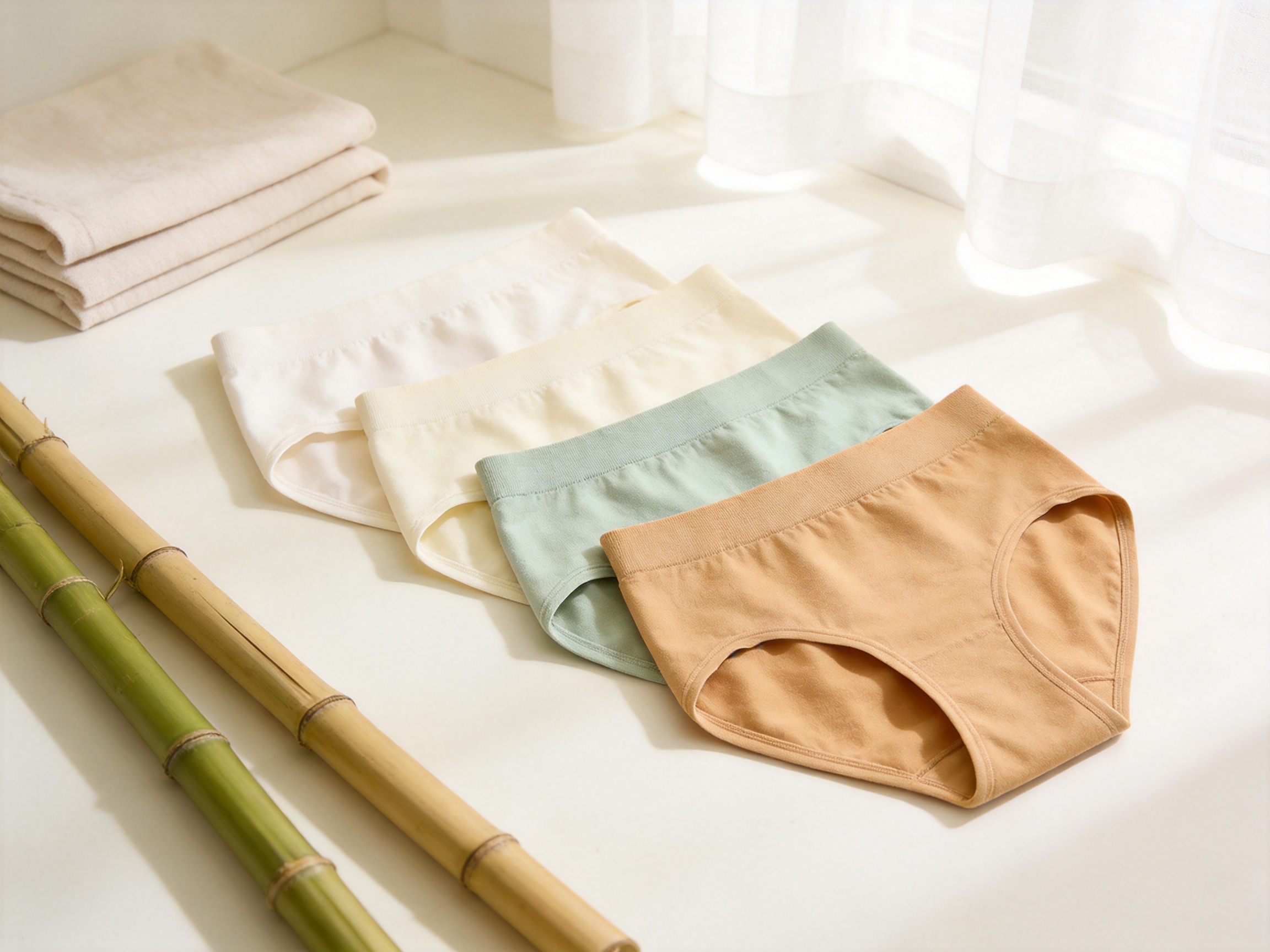
Cotton underwear remains familiar and widely available, but buyers increasingly compare products based on softness, weight, airflow, fit, construction, and responsible sourcing. Bamboo-viscose-rich underwear can compete by offering a different tactile and performance profile.
| Comparison point | Bamboo-viscose seamless brief | Conventional basic brief |
|---|---|---|
| Hand feel | Soft, smooth, and lightweight when properly knitted and finished | Varies from crisp to soft depending on cotton quality and finishing |
| Construction | Seamless one-piece knit designed to reduce hard seam transitions | Often cut and sewn with multiple seams |
| Waist position | High-rise, natural-waist fit with a wide waistband | Depends on the specific pattern and product category |
| Stretch system | Spandex-supported stretch combined with knitted recovery | May use elastic, spandex, or a more rigid cotton construction |
| Surface profile | Designed to provide coverage without unnecessary bulk | May show more seam or panel definition |
| Responsible sourcing message | Can use documented FSC-related sourcing information where applicable | Depends on the cotton source and certifications |
This comparison is not a claim that one fiber is universally superior. Customer preferences, climate, care routines, price, and fit all matter. The competitive advantage of this product comes from the combination of bamboo viscose, nylon, spandex, seamless knitting, high-rise coverage, and detailed comfort construction.
A product becomes commercially useful when its benefits can be translated into clear merchandising language. These briefs offer several practical selling points that can be used across e-commerce listings, packaging, catalogs, wholesale line sheets, and retail staff training.
“Soft, breathable, and designed for everyday wear” gives shoppers an immediate reason to understand the product.
“High-rise with a wide waistband” communicates the rise and support before the customer studies the size chart.
“Seamless one-piece knit” distinguishes the product from ordinary multi-panel briefs.
FSC-related documentation can support transparent sourcing communication when used according to certification rules.
A high-performing product page should answer practical questions in the order shoppers usually ask them:
What is the product? State that it is a women’s seamless high-cut brief.
How does it fit? Explain the high-rise natural-waist position and full-coverage silhouette.
What does it feel like? Describe the lightweight, soft, breathable bamboo-viscose-rich fabric.
What makes it different? Highlight the seamless knit, tagless design, wide waistband, and double-layer gusset.
What is it made from? Display the complete 82% viscose made from bamboo, 13% nylon, and 5% spandex composition.
How should customers select a size? Provide a detailed measurement chart based on the approved production sample.
How should it be cared for? Publish care instructions verified by the manufacturer and testing process.
Do not use “organic bamboo” unless the relevant product and material documentation supports that exact claim. Bamboo-derived viscose and organic certification are separate subjects. Accurate terminology protects customer trust and reduces compliance risk.
The manufacturer, Nantong Tianhong Textile Technology Co., Ltd., was established in 2001 in Nantong, Jiangsu Province. Nantong is recognized as an important textile production center in China, giving the company access to a mature textile supply environment and industry expertise.
The company specializes in the research, manufacturing, and sales of underwear products. Its business model includes OEM and ODM services for labels and buyers in Europe, North America, and China. This experience is relevant to brands that require more than a standard catalog item. A successful underwear program may require changes to color, size grading, packaging, labeling, fabric development, construction details, or order documentation.
OEM production allows a buyer to order a product manufactured according to an approved specification and branding program. For these high-cut briefs, an OEM project may include:
Brand labels or approved tagless labeling methods.
Custom colors matched to a seasonal or permanent palette.
Packaging formats for retail, e-commerce, subscription, or wholesale sales.
Size ranges developed for the target market.
Carton marks, barcodes, care instructions, and country-specific labeling.
Material documentation and certification records connected to the order.
Every custom request should be confirmed through a technical specification sheet. That document should identify the approved composition, measurements, tolerances, color standards, construction details, packaging, inspection requirements, and testing expectations.
ODM service can help a buyer begin with an existing product concept and adapt it for a specific market. The seamless high-cut brief can serve as a development base for a broader women’s underwear collection. Potential adaptations may involve the rise, leg opening, gusset structure, waistband width, yarn blend, color range, or packaging presentation.
Product development should proceed through controlled sampling rather than informal approval. A typical process includes an initial design discussion, material confirmation, prototype sample, fit review, revision sample, pre-production approval, bulk production, inspection, and shipment documentation. The exact workflow depends on the order and buyer requirements.
Quality control must address both visible appearance and intimate-wear performance. A product can look attractive in a photograph and still fail if the waistband rolls, the leg opening stretches unevenly, the gusset is misaligned, or the fabric changes dimension after washing.
The approved fiber composition should be checked against purchase records, supplier documentation, and applicable testing. Where a certification claim is used, the certification scope and transaction documentation should be reviewed. Buyers should retain records that connect the approved material to the finished order.
Key measurements may include waist width, rise length, hip width, leg opening, gusset length, and body length. Measurements should be checked against the approved size chart and tolerance table. Since seamless garments can relax or contract depending on how they are laid and measured, the buyer and factory should agree on the measurement method before inspection.
Waistband and leg-opening performance should be assessed for stretch, recovery, and comfort. The product should accommodate the intended size range without excessive pressure or loose edges. Recovery checks can help identify whether the garment returns toward the approved dimensions after repeated extension.
Inspectors should review the fabric surface, color consistency, knitting defects, loose yarns, holes, uneven edges, stains, labeling, gusset attachment, packaging, and carton condition. AQL or another agreed inspection standard may be used when required by the buyer.
Care testing should evaluate dimensional change, colorfastness, pilling, seam or knit stability, and fabric appearance after laundering. Actual care instructions should reflect verified test results rather than generic assumptions. Customers may expect bamboo-viscose underwear to require gentle care, so clear washing and drying guidance can help preserve product life.
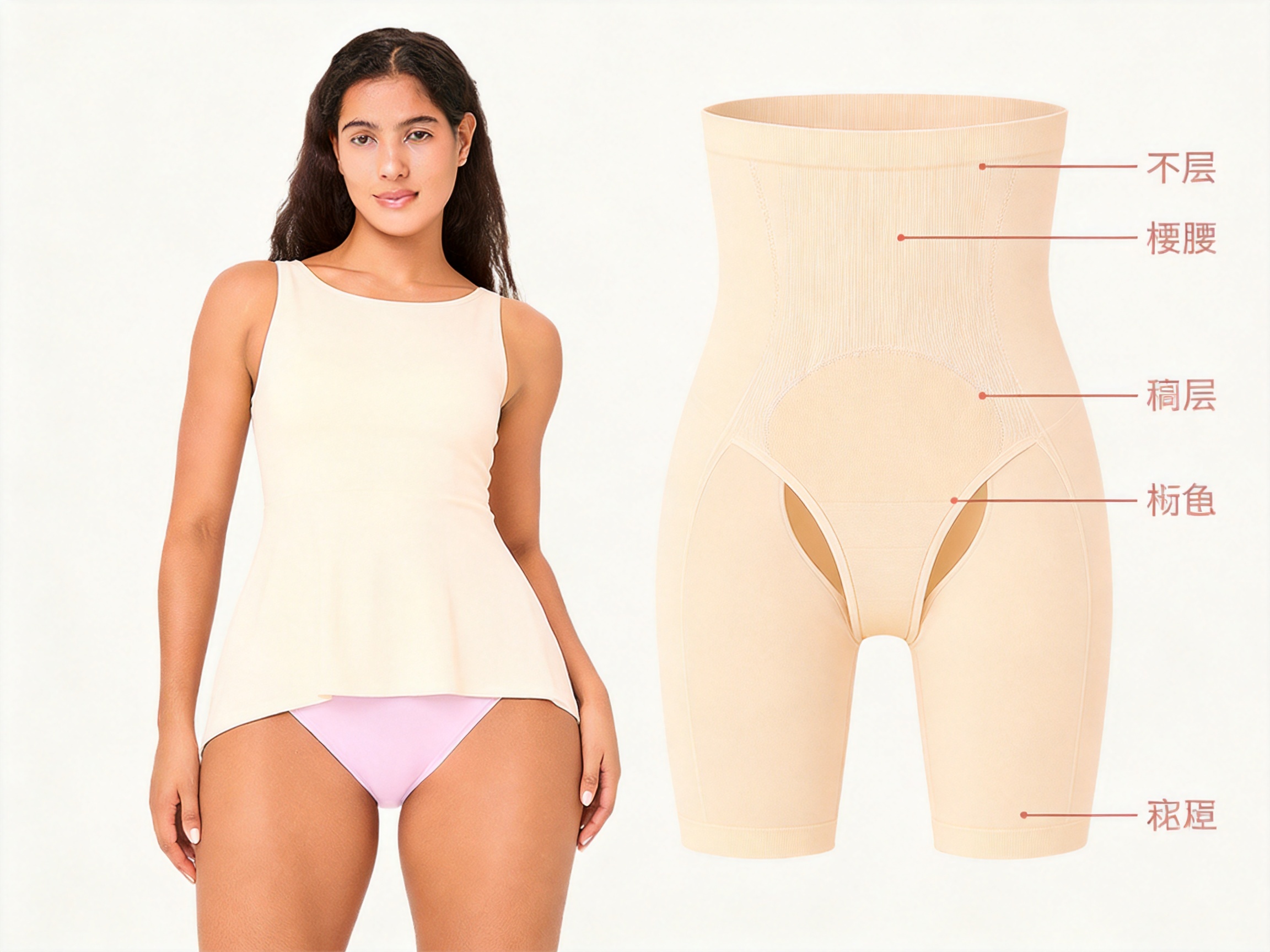
The company identifies sustainable development, environmentally friendly functional fabrics, and traceable supply chain management as important areas of focus. Its stated certification portfolio includes FSC, OCS, OEKO-TEX 100, GOTS, WRAP, and BSCI.
Certifications should be presented precisely. Different standards address different parts of the supply chain and different topics. For example, a forest-based material certification may concern responsible source material, while a textile safety standard may concern harmful substances. A social-compliance program may assess workplace conditions and management systems. No single certification automatically proves every environmental, social, or product-safety claim.
Confirm which certificate applies to the material, facility, product, or production order.
Check the certificate holder, validity period, scope, and transaction records.
Use approved logos and wording according to the standard owner’s rules.
Avoid turning a limited certification claim into a broad claim about the entire product lifecycle.
Keep supporting documents available for retailer, marketplace, or regulatory review.
Responsible sourcing is most persuasive when it is specific. Instead of using vague language such as “completely green,” a product page can explain the documented fiber source, the relevant certification, the composition, and the company’s traceability approach.
The same product can support different merchandising messages depending on the market and customer profile. The core facts should remain consistent, but the emphasis can change.
Lead with comfort, coverage, and durability. Use language such as “soft high-rise brief,” “full coverage,” “tagless comfort,” and “designed for daily wear.” Offer multipacks or repeat-purchase options when the commercial model supports them.
Lead with viscose made from bamboo, documented responsible sourcing, and the company’s certification capabilities. Keep the wording factual and separate fiber-source information from claims about organic agriculture, biodegradability, or environmental impact unless those claims have been specifically verified.
Highlight the lightweight hand feel, breathable construction, high-rise security, and easy coordination with dresses and skirts. Travel shoppers often value underwear that feels light in luggage and remains comfortable during long days.
Emphasize the tagless design, smooth knit construction, wide waistband, and double-layer gusset. Avoid medical claims. The correct message is reduced irritation potential through product design, not treatment or prevention of a skin condition.
Before placing a bulk order, buyers should review the following points with the factory:
| Area | Questions to confirm |
|---|---|
| Composition | Is the approved blend exactly 82% viscose made from bamboo, 13% nylon, and 5% spandex? |
| Sizing | Which body measurements and garment tolerances define each size? |
| Color | What color standard, lab-dip approval, and colorfastness requirements apply? |
| Construction | How are the seamless body, waistband, leg openings, and double-layer gusset inspected? |
| Testing | Which tests cover fiber content, shrinkage, colorfastness, pilling, stretch recovery, and harmful substances? |
| Certification | Which certification documents apply to this specific material and order? |
| Packaging | What packaging, labeling, barcode, carton, and sustainability requirements must be followed? |
| Inspection | Will inspection occur during production, before shipment, or at both stages? |
This checklist turns a general product inquiry into a production-ready discussion. It also helps a buyer compare suppliers based on process capability rather than catalog photographs alone.
The stated composition is 82% viscose made from bamboo, 13% nylon, and 5% spandex. Viscose provides the dominant soft and lightweight character, nylon supports strength, and spandex contributes stretch and recovery.
The product is designed to be lightweight and breathable, with product information describing higher airflow than cotton. Actual comfort varies with fit, climate, activity, garment care, and individual preferences. The fabric should be evaluated through approved testing and wear trials before making specific performance claims.
Yes. The product uses a high-rise wide waistband designed to sit at the natural waist. Buyers should consult the final size chart because the exact waist position depends on body proportions and garment measurements.
They are designed for full coverage without unnecessary bulk. The high-cut silhouette provides more open leg lines than some traditional full briefs while retaining reliable coverage through the seat and gusset area.
They use a seamless one-piece knit construction intended to minimize conventional seams, bulk, and chafing. Seamless construction does not eliminate every finishing operation, so the approved sample should be inspected for edge comfort and structural stability.
The product uses a tagless design. Required fiber, care, size, origin, and regulatory information should be provided through an approved alternative labeling or packaging method for the target market.
The double-layer gusset adds an extra layer of fabric in the intimate-contact area and supports a more comfortable, substantial interior construction.
The supplied product information identifies viscose made from bamboo and FSC certification. “Organic” should only be used when the applicable product, material, and certification documentation supports that exact claim. Buyers should distinguish bamboo-derived viscose from organic certification.
The manufacturer provides OEM and ODM services. Customization may be possible for colors, labeling, packaging, sizing, materials, and other specifications, subject to minimum order quantities, technical feasibility, sampling, and commercial approval.
It is suitable for customers seeking soft, breathable, high-rise, full-coverage underwear with a smooth seamless construction. It can also suit private-label underwear brands, department-store basics collections, online retailers, and distributors looking for a bamboo-viscose-rich women’s brief.
Buyers should approve a fit sample, composition, color, measurements, construction, packaging, labeling, and test requirements. A pre-production sample and documented inspection plan can reduce the risk of differences between the approved sample and the bulk order.
Women’s Seamless High Cut Briefs combine several features that matter in the current underwear market: a bamboo-viscose-rich blend, lightweight breathability, high-rise coverage, smooth one-piece knitting, a tagless interior, a wide waistband, and a double-layer gusset. Those elements give the product a stronger value proposition than a basic brief built around appearance alone.
The product is also supported by a manufacturer with long-term underwear experience, OEM/ODM capability, international customer partnerships, and a stated focus on sustainable materials and traceable supply chains. For brands and importers, the strongest route to market is a specification-led approach: verify materials, approve the fit, document certification scope, test performance, and communicate benefits without overstating environmental or technical claims.
When those steps are followed, this product can serve as a dependable core style for premium breathable underwear, bamboo-viscose collections, high-waist essentials, and private-label women’s basics.
1. Product specification sheet for Women’s Seamless High Cut Briefs, including fiber composition, construction, waistband, gusset, and coverage information.
2. International Organization for Standardization. Textile fiber and product testing principles, including composition, dimensional stability, colorfastness, and performance evaluation.
3. Forest Stewardship Council. Guidance on responsible forest-based material sourcing and certification claim use.
4. Global Organic Textile Standard. Requirements for certified organic fibers, processing, manufacturing, and labeling.
5. OEKO-TEX. Textile safety and harmful-substance assessment principles for finished textile products.
6. WRAP. Principles concerning responsible production and workplace compliance in apparel manufacturing.
7. Business Social Compliance Initiative. Supply-chain social-compliance assessment framework and responsible sourcing practices.
8. General apparel quality-control practice for dimensional inspection, stretch recovery, workmanship review, pre-production approval, and shipment inspection.

Copyright © Nantong Tianhong Textile Technology Co., Ltd. All Rights Reserved.
 Room 806, Building D, Jingyang Plaza, Chongchuan District, Nantong City, Jiangsu Province,china



 English
 Español
 русский
 عربى