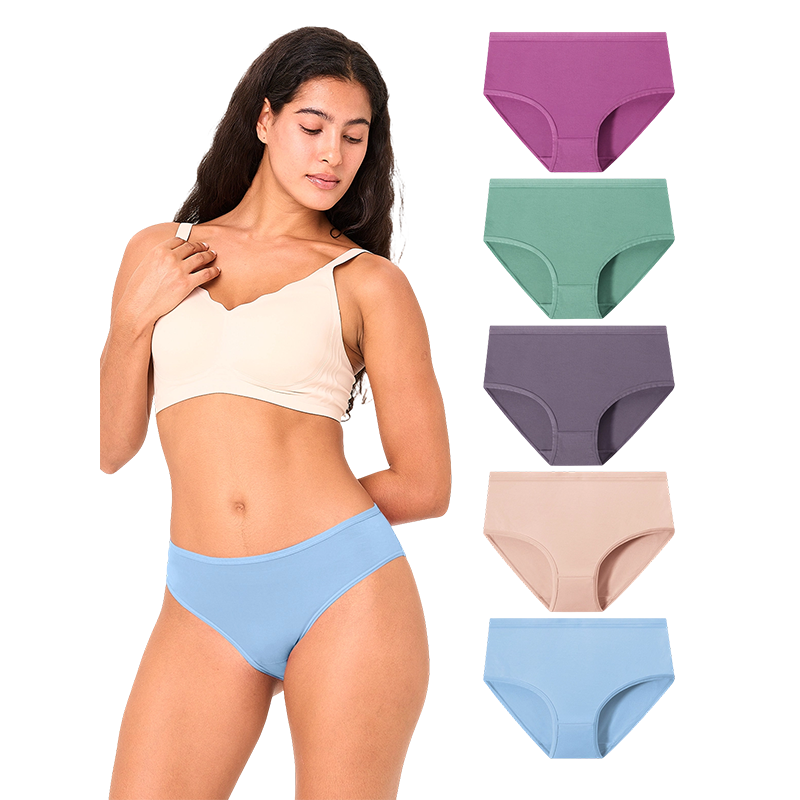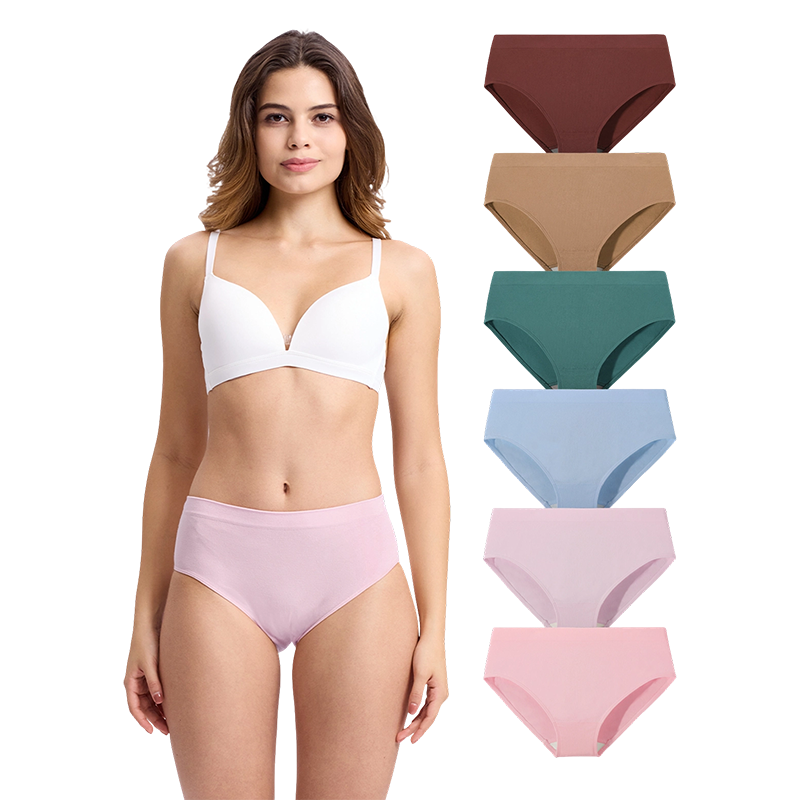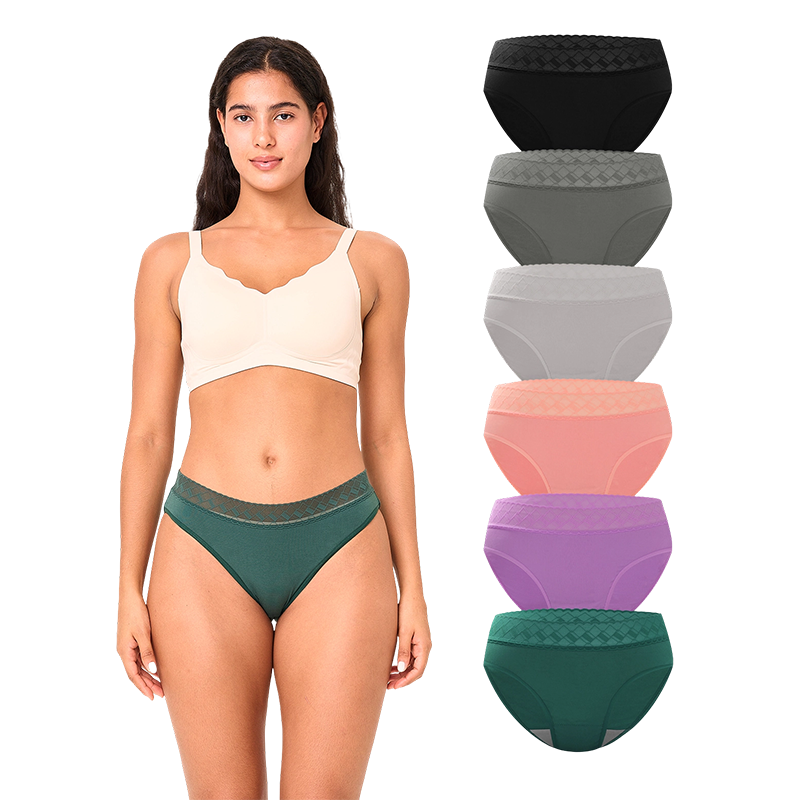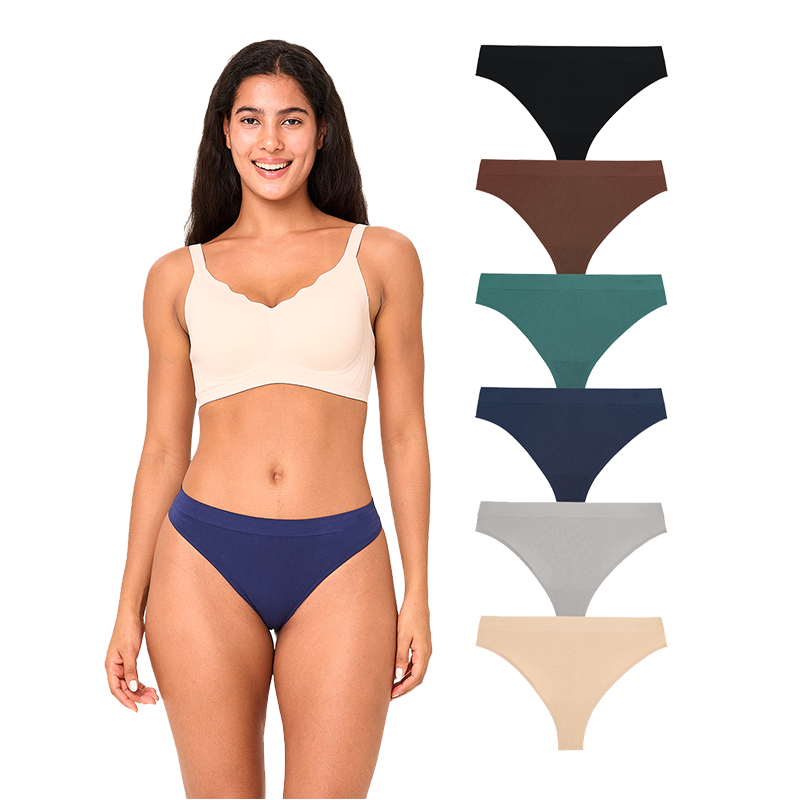
Content
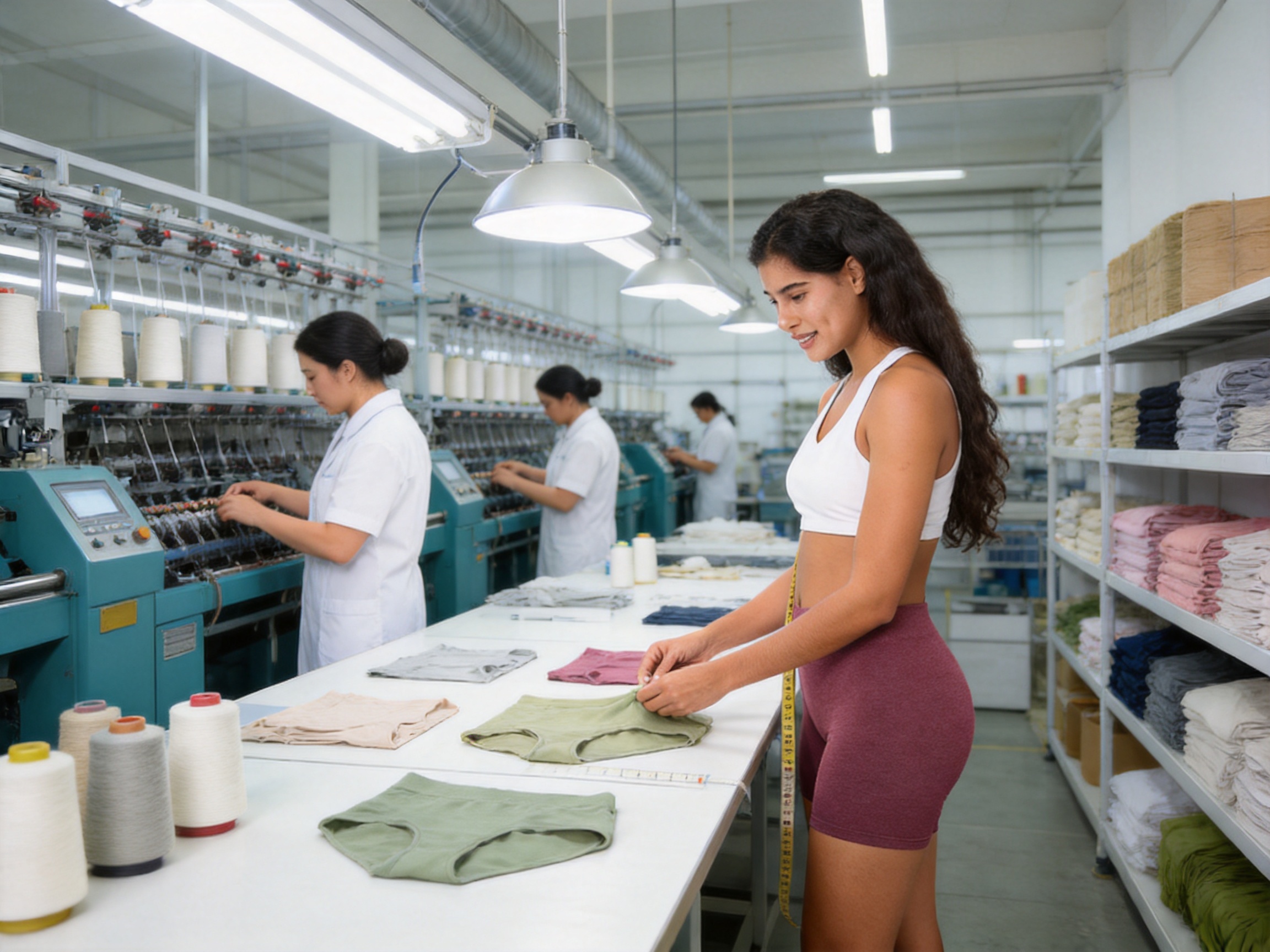
Women’s underwear must provide more than basic coverage. It should feel comfortable against the skin, remain secure during movement, support everyday confidence, and perform reliably beneath different types of clothing. The Women’s Seamless Boyshorts described in this article are designed around these requirements, combining bamboo viscose, seamless one-piece knitting, a wide natural-waist waistband, a longer leg, and a double-layered gusset.
Created for consistent daily wear, these boyshorts offer an alternative to conventional briefs, short underwear, and synthetic-heavy styles. Their extended leg length helps reduce thigh chafing, while the smooth construction minimizes irritation caused by tags and bulky seams. The design also provides all-over coverage, making it suitable for customers who prefer a secure fit under shorter skirts, dresses, lounge garments, and everyday outfits.
The product is manufactured by Nantong Tianhong Textile Technology Co., Ltd., an experienced Chinese underwear manufacturer with a history dating back to 2001. Based in Nantong, Jiangsu Province, the company combines product development, textile expertise, OEM/ODM service capabilities, and quality-management experience to support international underwear brands and retailers.
This article examines the product’s construction, material advantages, comfort performance, manufacturing process, customization potential, sustainability features, and suitability for wholesale and private-label programs.
These women’s seamless boyshorts are made from a blend of 80% viscose made from bamboo, 15% nylon, and 5% spandex. The composition is intended to balance softness, breathability, resilience, and stretch recovery. Bamboo-derived viscose forms the majority of the fabric, providing a lightweight and smooth hand feel. Nylon contributes strength and durability, while spandex helps the garment stretch with the body and return to its original shape.
The boyshort silhouette offers more leg coverage than a traditional brief. Its approximately 6–7-inch inseam helps create a smooth transition over the upper thigh and can reduce direct skin-to-skin friction. This feature is especially useful for consumers who experience discomfort when wearing dresses, skirts, wide-leg trousers, or other garments that allow the thighs to rub during walking.
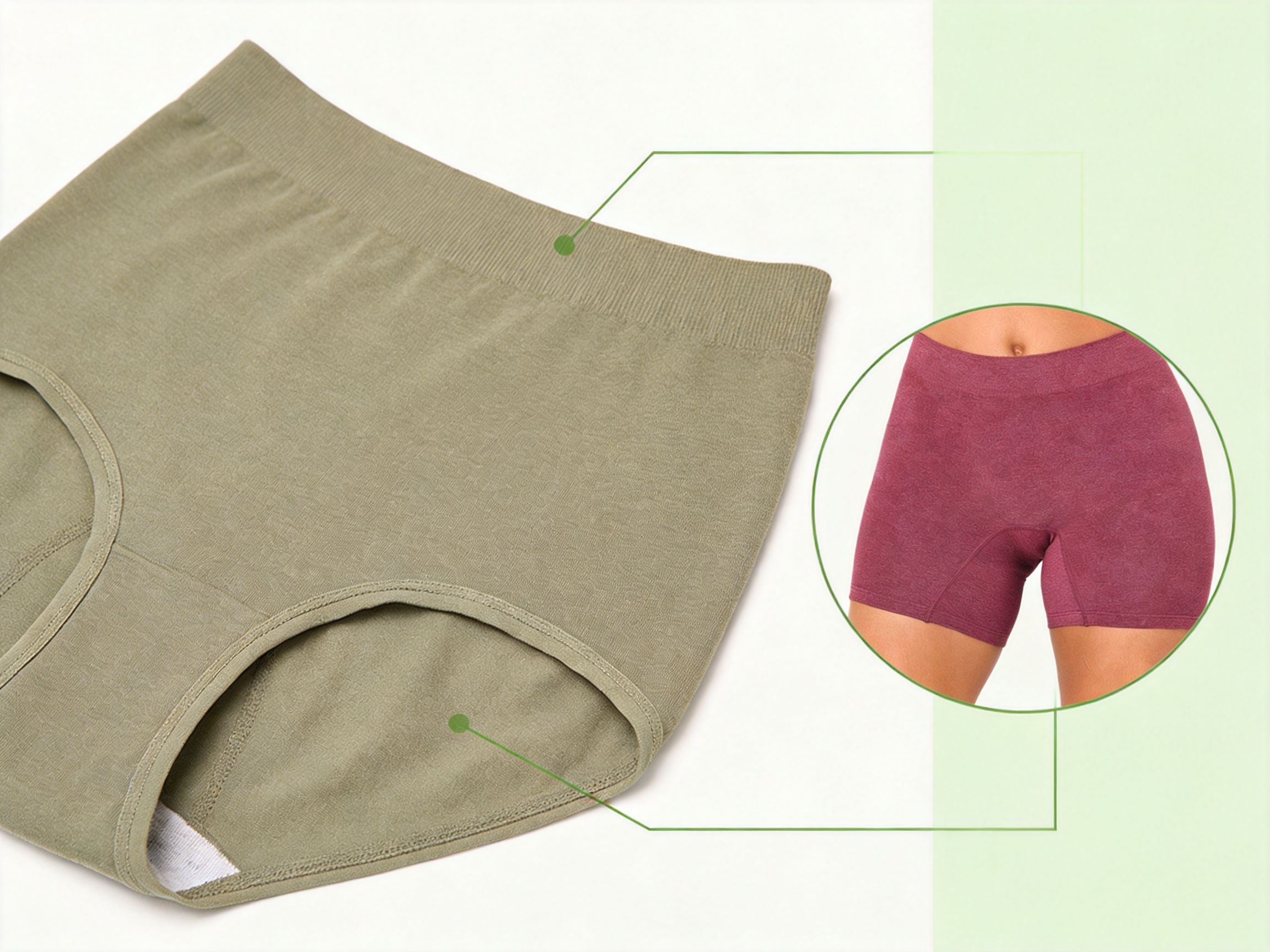
A wide waistband is designed to sit at the natural waist. Instead of relying on a narrow elastic band that may dig into the skin, the broader waistband distributes pressure over a larger area. This supports a more stable fit and helps keep the garment in place during daily activity.
The seamless one-piece knit construction removes many traditional sewn seams. It also eliminates tags, which can scratch or create pressure points. The resulting surface is smooth and low-profile, making the underwear suitable for wearing beneath close-fitting garments.
A double-layered gusset provides additional comfort and coverage in the most important area of the garment. The gusset structure supports hygiene, durability, and a more secure feel while maintaining the flexible qualities required for everyday movement.
| Product Feature | Specification or Benefit |
|---|---|
| Product type | Women’s seamless boyshorts |
| Main fiber | 80% viscose made from bamboo |
| Supporting fibers | 15% nylon and 5% spandex |
| Waistband | Wide waistband designed to sit at the natural waist |
| Leg coverage | Approximately 6–7-inch inseam |
| Construction | Seamless one-piece knit |
| Gusset | Double-layered for comfort and coverage |
| Labels | Tag-free design |
| Coverage | All-over coverage |
| Certification feature | FSC certified bamboo-based material |
| Primary use | Daily wear, skirts, dresses, and close-fitting clothing |
The fabric used in underwear has direct contact with sensitive skin for extended periods. For this reason, softness, airflow, moisture management, and flexibility are essential considerations. Bamboo viscose is widely selected for intimate apparel because it can provide a smooth, lightweight, and comfortable surface when properly knitted and finished.
The product’s material contains 80% viscose made from bamboo, giving the fabric its primary tactile and performance characteristics. Compared with many conventional cotton or petroleum-based fabric options, bamboo-derived viscose can offer a notably soft hand feel and a fluid drape. This makes it suitable for underwear that should move naturally with the body rather than feel stiff or restrictive.
The supplied product information states that the bamboo material can offer up to 4.5 times greater airflow than cotton. In practical terms, increased airflow can help the garment feel cooler and fresher during normal daily use. Breathability is particularly valuable in underwear because the garment is worn close to the body and often beneath additional layers of clothing.
A breathable fabric does not eliminate perspiration, but it can support the movement of warm air and moisture vapor through the textile structure. When combined with a lightweight knit, this may help reduce the heavy or overly enclosed feeling associated with some dense underwear fabrics.
Bamboo viscose also complements the seamless construction. The fiber’s smooth feel works well with a knitted surface designed to minimize friction. Instead of combining a soft fabric with multiple thick joining points, the product uses a continuous one-piece knit that supports a more uniform skin contact experience.
For buyers interested in sustainability, it is important to distinguish bamboo viscose from the broader phrase “bamboo fabric.” Bamboo is the source material, while viscose is the manufacturing process used to convert regenerated cellulose into a usable textile fiber. The product is identified as FSC certified, providing a traceability and responsible-source feature for the bamboo-based raw material. Buyers should review the exact certification scope and transaction documentation for specific orders and markets.
Traditional underwear often uses several cut-and-sew panels. Although this construction can support extensive design variation, every joining point may introduce a seam, an edge, a thread line, or a potential pressure area. For consumers with sensitive skin, these details can affect comfort throughout the day.
The Women’s Seamless Boyshorts use a one-piece knit structure. This approach reduces the number of conventional seams and creates a cleaner surface. It can also reduce the visual and tactile bulk of the product under clothing. When a customer wears a fitted skirt, dress, or trouser, a smooth underwear profile can help create a more polished appearance.
Seamless knitting also supports stretch in multiple directions. Instead of depending only on stitched panels and elastic inserts, the knitted structure can be engineered to provide controlled extensibility across the waist, hips, seat, and legs. This helps the garment follow body movement while maintaining coverage.
The absence of tags is another important advantage. A tag can curl, rub, or become irritating after repeated washing. A tag-free design removes that potential source of discomfort and creates a cleaner internal finish.
Compared with low-cost seamless products that may prioritize minimum material use, this design emphasizes coverage and comfort. The longer leg, natural-waist waistband, and double-layered gusset demonstrate that the product is not simply a minimalist stretch brief. It is engineered as a practical boyshort for consumers who want more coverage without the weight of a traditional multi-panel garment.
Compared with conventional short-leg underwear, the seamless structure may provide a smoother finish and less seam-related irritation. Compared with very short briefs, the 6–7-inch inseam provides additional thigh coverage and can help address chafing. Compared with shaping underwear, the product is intended for comfort and secure coverage rather than aggressive compression.
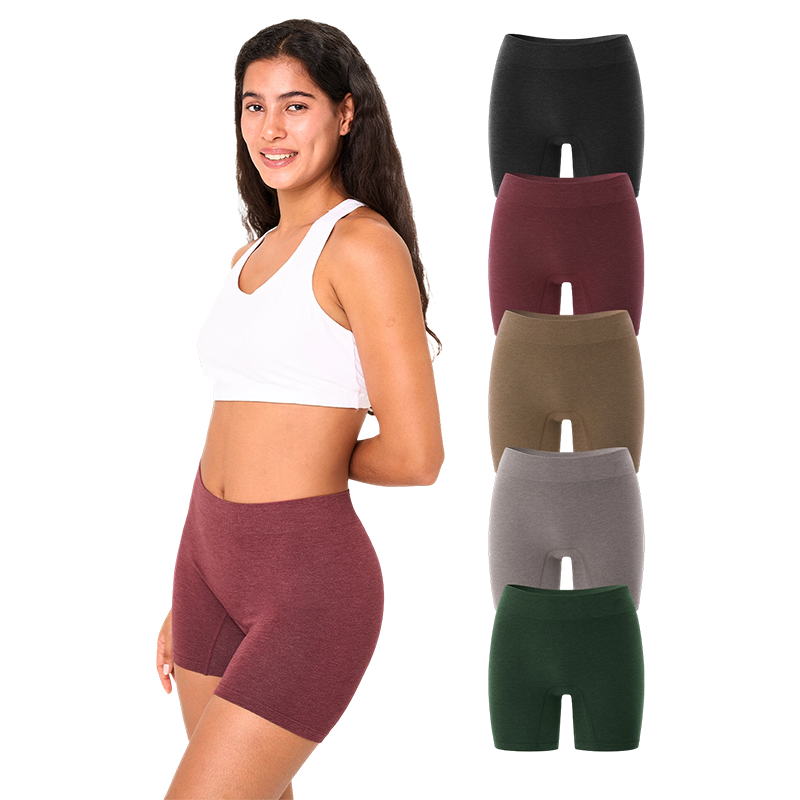
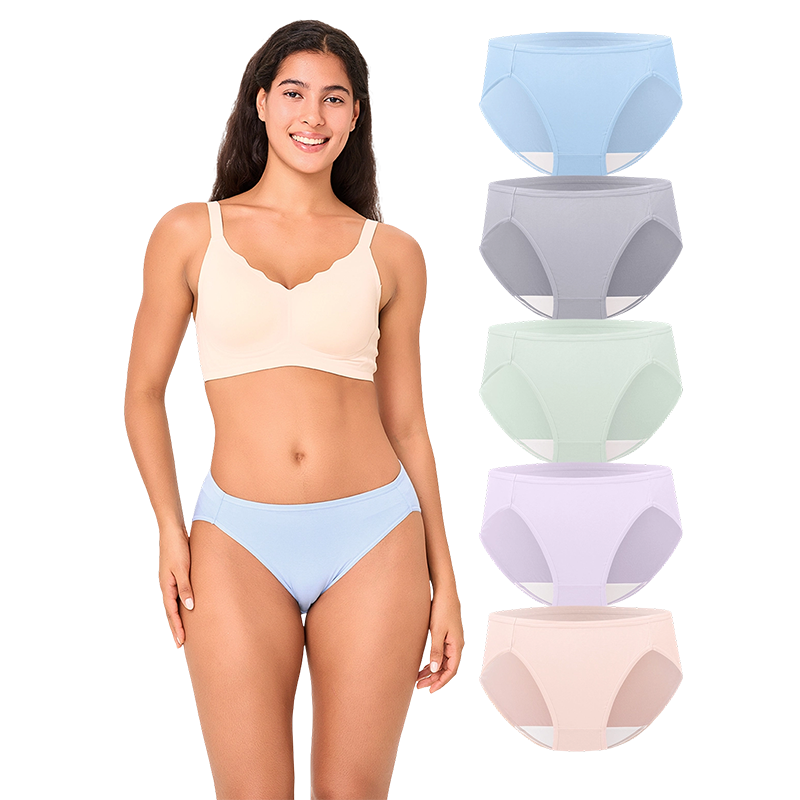
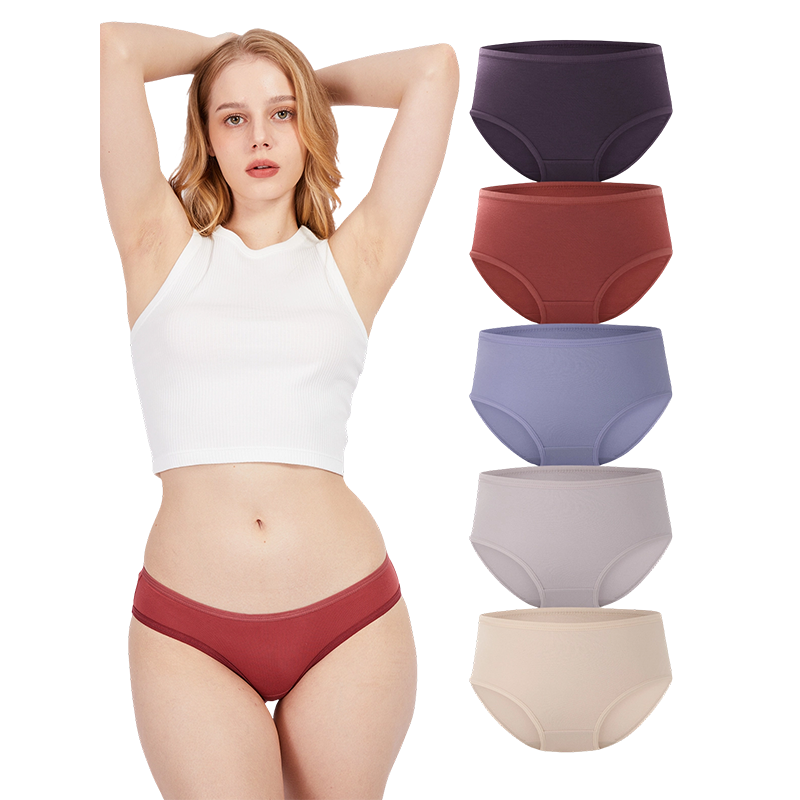
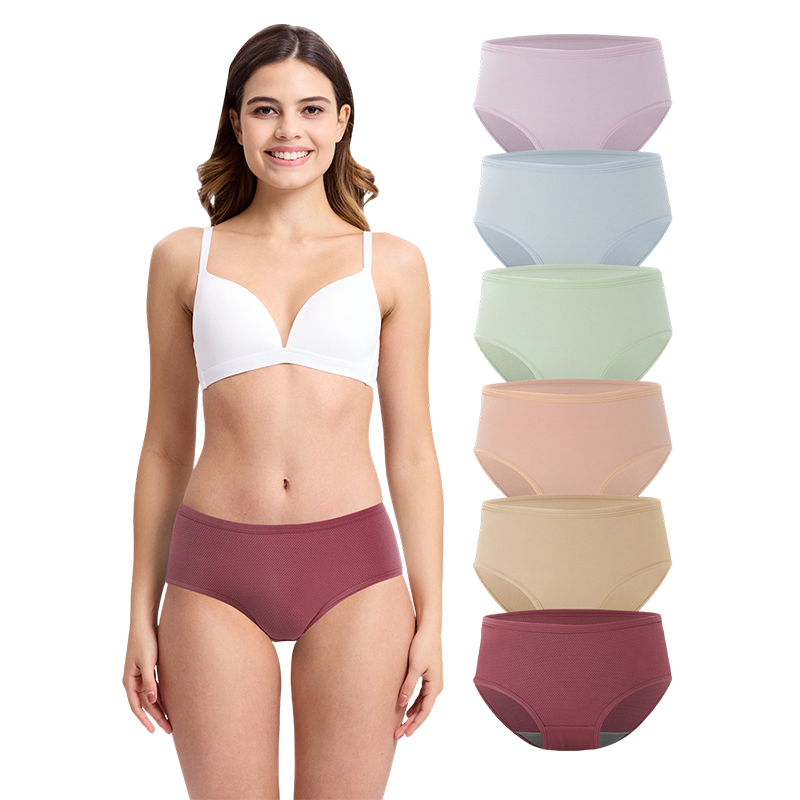
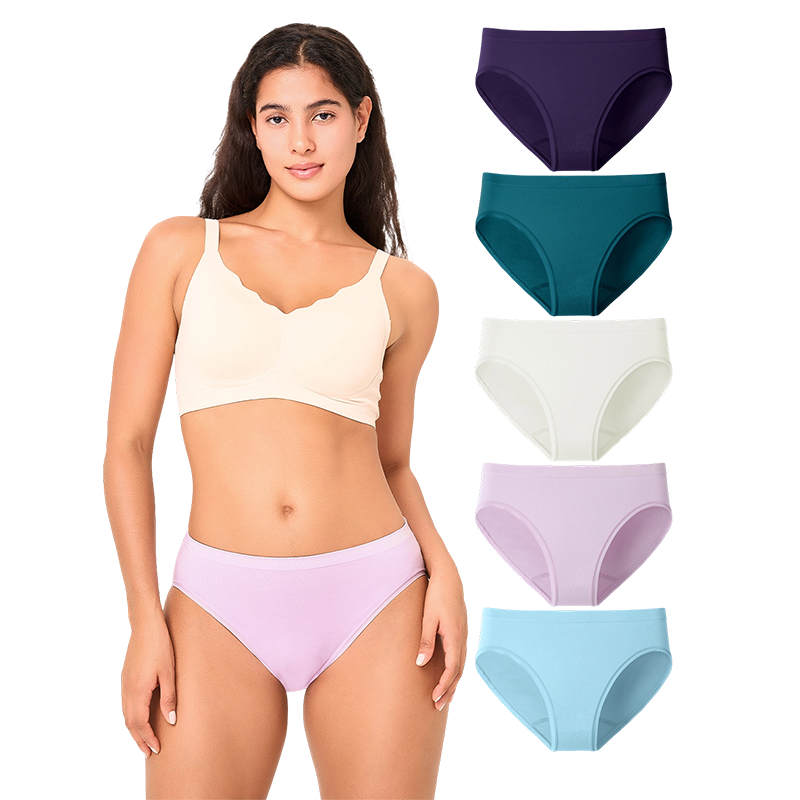
Women's Seamless Boyshorts
The waistband is designed to sit at the natural waist, where it can provide stable coverage without relying on a low-rise position. A wider band distributes tension across a broader section of the body. This can reduce the concentrated pressure that sometimes occurs with thin elastic waistbands.
A natural-waist position is also useful beneath shorter skirts and dresses. It helps protect the midsection from exposure during movement and provides a more continuous layer between the body and outer garment. For customers who prefer a higher rise, the waistband design may feel more secure than a low-rise alternative.
In a well-engineered seamless product, the waistband must balance several requirements. It should stretch enough to accommodate different body movements, recover sufficiently to avoid excessive sagging, and remain comfortable during long periods of sitting or walking. The combination of the knit structure and 5% spandex supports this balance.
The longer leg is one of the product’s clearest functional advantages. Shorter underwear can leave the upper thigh exposed, allowing skin-to-skin contact and friction. A 6–7-inch inseam extends coverage farther down the leg and creates a soft barrier between the thighs.
This feature can be particularly valuable in warm weather, during commuting, while traveling, or when wearing dresses and skirts. It may also benefit customers who prefer the feeling of shorts-style underwear but do not want a bulky or restrictive garment.
The leg length is designed to provide coverage without turning the product into a full compression short. This distinction is important. The product focuses on everyday comfort, smooth coverage, and movement rather than high-intensity body shaping. Retailers can therefore position it as a practical solution for consumers seeking protection from thigh chafing and greater modesty.
The gusset is a critical component of women’s underwear. It affects comfort, hygiene, durability, and the overall perception of quality. A double-layered gusset adds an additional layer in the central area, helping provide a more secure and comfortable wearing experience.
Using a double-layered construction can also improve the sense of coverage without requiring the entire garment to become heavier. The rest of the boyshorts can remain lightweight and breathable, while the gusset provides targeted reinforcement where it is most useful.
For private-label buyers, the gusset is an area where quality differences can become noticeable quickly. A poorly finished gusset may twist, feel rough, or lose its shape after laundering. Careful knitting, inspection, and finishing are therefore essential parts of a reliable manufacturing program.
The product is designed for all-over coverage rather than a minimal silhouette. This makes it suitable for customers who prioritize security and comfort over a barely-there feel. The combination of a higher waistband, fuller seat coverage, and longer leg length creates a comprehensive underwear solution for daily use.
All-over coverage may also expand the product’s customer base. It can appeal to consumers who want additional confidence beneath dresses, customers who dislike narrow briefs, and shoppers looking for underwear that feels stable while moving through a busy day.
Shorter skirts and dresses can create practical concerns that are not always addressed by traditional underwear. The wearer may want additional coverage while sitting, climbing stairs, walking outdoors, or participating in everyday activities. Boyshorts provide a short-like silhouette that can help customers feel more secure.
The natural-waist rise extends coverage higher on the body, while the longer leg protects more of the upper thigh. This combination can make the garment especially suitable for casual dresses, summer skirts, workwear, travel clothing, and relaxed homewear.
The seamless knit is also advantageous beneath fitted garments. Conventional seams can produce visible lines or create uneven transitions under thin fabrics. A smooth one-piece knit helps reduce this risk, although the final appearance will also depend on garment color, size selection, outer fabric thickness, and fit.
Retailers can present the product as a versatile wardrobe essential rather than a niche item. It can be marketed for everyday wear, under-dress coverage, travel, warm-weather comfort, and customers seeking a longer-leg alternative to briefs.
Product comparison is important for both consumers and wholesale buyers. The best choice depends on the customer’s desired coverage, level of stretch, fabric preference, and intended use. These boyshorts occupy a position between traditional briefs and more structured shorts.
Traditional briefs generally have a shorter leg and may include more sewn seams. They can be comfortable and easy to wear, but they may not address upper-thigh friction or provide the same level of coverage beneath dresses. The longer boyshort silhouette offers a practical advantage for customers who want a protective layer across the thighs.
Thong underwear is designed to minimize back coverage and can reduce visible panty lines in certain outfits. However, it does not provide the all-over coverage or thigh protection offered by these boyshorts. Consumers who prioritize comfort, modesty, and a secure fit may prefer the boyshort format.
Cotton is familiar, widely available, and valued for its natural feel. However, cotton underwear may feel heavier depending on fabric weight and construction. The bamboo viscose blend is designed to offer a lightweight, breathable, and smooth alternative. The product information indicates up to 4.5 times greater airflow than cotton for the bamboo material, although actual performance can vary with fabric construction, environmental conditions, and testing methods.
Many synthetic-heavy products are durable and fast-drying, but some consumers find them less soft or less breathable for extended daily wear. The 80% bamboo viscose composition makes softness and airflow central to the product experience, while nylon and spandex contribute structural support and stretch recovery.
Shaping shorts are typically designed to compress, contour, or smooth the body. These boyshorts are not positioned as strong shapewear. Their primary purpose is comfortable coverage and friction reduction. Customers who dislike tight compression may find the more flexible, everyday construction preferable.
| Alternative | Typical Strength | Advantages of the Seamless Boyshorts |
|---|---|---|
| Traditional briefs | Familiar short-coverage design | Longer leg, increased thigh coverage, and fewer bulky seams |
| Thongs | Minimal back coverage | More secure seat coverage and greater comfort for coverage-focused users |
| Cotton underwear | Recognizable natural-feeling fiber | Lightweight bamboo viscose feel and stated high airflow performance |
| Synthetic-heavy underwear | Strength and quick drying | Higher bamboo-derived content for softness and breathability |
| Shaping shorts | Compression and contouring | Comfort-focused fit without positioning the product as strong shapewear |
| Cut-and-sew boyshorts | Flexible panel and style options | One-piece seamless construction, tag-free interior, and smoother profile |
The product is supplied by Nantong Tianhong Textile Technology Co., Ltd., which was established in 2001 in Nantong, China. Nantong is recognized as an important textile manufacturing center, providing access to industry experience, skilled labor, fabric resources, and supply-chain infrastructure.
The company specializes in the research, manufacturing, and sales of underwear products. This combination is relevant to buyers seeking more than a basic trading relationship. Product research and manufacturing experience can help a supplier understand how fiber selection, knitting structure, garment dimensions, finishing, packaging, and quality control influence the final product.
The company provides OEM and ODM services for established labels. OEM production allows a buyer to manufacture according to its own specifications, branding, packaging, and sales requirements. ODM service can provide a starting product concept that may then be adapted through changes to color, size range, labeling, packaging, fabric composition, or design details.
For seamless underwear, production expertise is particularly important because the product’s performance depends on the interaction of yarn, knitting tension, garment dimensions, stretch recovery, and finishing. Small changes in machine settings or yarn behavior can affect waistband comfort, leg stability, opacity, and fit consistency.
A capable manufacturer must manage the product from raw-material selection through final inspection. This includes confirming fiber composition, evaluating yarn quality, programming the knitting structure, checking dimensions, inspecting the gusset, testing stretch and recovery, and ensuring that finished goods meet the agreed specifications.
Long-term manufacturing experience can also support more effective problem solving. If a customer identifies an issue such as rolling at the leg opening, excessive waistband pressure, inconsistent sizing, or color variation, an experienced supplier is better positioned to investigate the cause and adjust the relevant production stage.
Production begins with material planning. The bamboo viscose, nylon, and spandex must be sourced and prepared according to the approved product specification. Yarn characteristics influence softness, stretch, recovery, surface appearance, and knitting performance.
Because bamboo viscose is the dominant fiber, its quality has a major effect on the hand feel and breathability of the finished garment. Nylon is included to support strength and wear resistance, while spandex provides elastic performance. The blend must be managed carefully so the final fabric remains soft without becoming unstable or lacking recovery.
The garment is produced using a seamless one-piece knitting process. This method creates the body of the boyshorts as an integrated tubular or shaped structure rather than joining multiple large fabric panels through conventional side seams.
Knitting parameters can be adjusted to create different zones of performance. The body may require a soft and flexible structure, the waistband may need additional stability, and the gusset may require a denser or double-layered construction. Controlled machine programming helps bring these requirements together in a single product.
Seamless knitting can also reduce fabric waste associated with cutting large panels. The exact material efficiency depends on the machine, pattern, production settings, and finishing requirements, but one-piece production is generally suited to streamlined underwear manufacturing.
The waistband and leg openings must be engineered so that they remain secure without creating excessive pressure. A waistband that is too loose may roll or slide, while one that is too tight may feel restrictive. The leg opening must stay in position while allowing the wearer to walk, sit, and bend comfortably.
Spandex content and knit density both affect these areas. During development, the manufacturer can evaluate the garment on different body forms and compare measurements before and after stretch. These evaluations help determine whether the product remains consistent across the intended size range.
The double-layered gusset must be integrated cleanly into the main structure. Its dimensions, alignment, and edges are inspected to ensure that it provides the intended coverage without creating unwanted bulk or roughness.
Finishing processes may include washing, softening, heat setting, inspection, folding, and packaging, depending on the approved production plan. Finishing should preserve the fabric’s softness and shape while preparing the product for shipment and retail presentation.
Quality control is essential for intimate apparel because customers notice even small inconsistencies. Inspection may cover color, shade matching, fabric defects, holes, snags, knitting irregularities, waistband tension, leg length, gusset placement, labeling, packaging, and overall appearance.
Measurement control is also important. A seamless garment can stretch substantially, so dimensions should be checked according to an agreed measurement method. The buyer and manufacturer should define whether measurements are taken relaxed, extended, or according to a specific technical specification.
For international orders, quality requirements should be documented before bulk production. A clear specification sheet can include fiber composition, color standards, size tolerances, logo placement, packaging details, carton requirements, testing expectations, and inspection procedures.
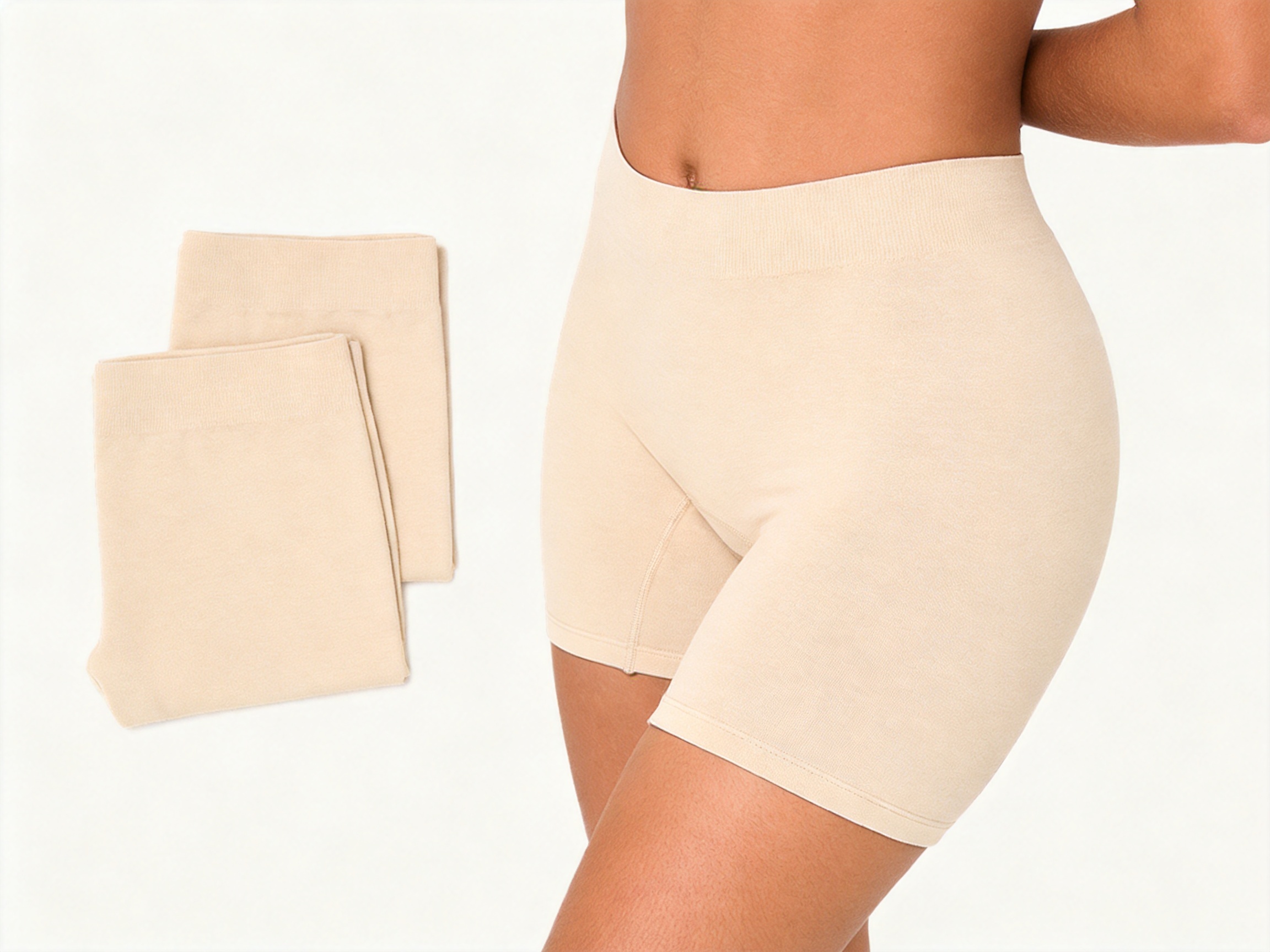
The product information identifies the bamboo material as FSC certified. Forest Stewardship Council certification is relevant to buyers who want a recognized responsible-sourcing framework for forest-based raw materials. For bamboo-derived textiles, the precise certification claim should be confirmed through valid documentation and the applicable chain-of-custody information.
Nantong Tianhong reports experience with several standards and certifications, including FSC, OCS, OEKO-TEX 100, GOTS, WRAP, and BSCI. The availability and scope of each certification may vary by product, facility, material, or order. Buyers should request current certificates and verify which documents apply to the specific product and production site.
OEKO-TEX 100 is commonly associated with testing for certain harmful substances in textile products. GOTS and OCS address different aspects of organic fiber supply and processing. WRAP and BSCI relate to social-compliance systems and responsible workplace practices, although their exact requirements and audit structures differ.
Responsible sourcing is increasingly important to underwear brands. Consumers want to understand where products come from, how they are made, and whether sustainability statements are supported by evidence. A manufacturer that can provide traceable documentation and explain its certification scope gives buyers a stronger foundation for responsible product communication.
It is also important to use careful language in marketing. Since the listed composition is viscose made from bamboo, brands should avoid making unsupported claims that the garment is entirely natural, biodegradable, chemical-free, or organic. Product claims should match the available certification and test documentation.
The product can serve as a foundation for private-label and wholesale programs. Buyers may use the existing design as a ready product or adapt it to match a specific brand identity. Customization possibilities can include colors, size ranges, packaging, labels, hangtags, care instructions, logo application, and selected construction details.
For brands launching a bamboo underwear collection, the product offers a clear commercial story: a high bamboo-derived fiber content, breathable comfort, seamless construction, longer thigh coverage, and a secure natural-waist fit. These features can be organized into product pages, packaging copy, retail training materials, and wholesale catalogs.
ODM development may be suitable for buyers who want a distinctive product but do not have a complete technical design. The manufacturer can support the development of variations based on the existing boyshort structure. Possible adjustments might include a shorter or longer leg, different waistband height, alternate gusset treatment, modified stretch, or different fiber blends, subject to technical feasibility.
OEM production is appropriate when the buyer already has a technical package. In this case, the manufacturer follows agreed specifications and supports sample approval, production planning, inspection, and delivery. A detailed development process helps prevent misunderstandings and allows both parties to confirm the final product before bulk manufacturing.
Sample development is particularly important for seamless garments. A sample should be evaluated for softness, transparency, waistband pressure, leg stability, coverage, wash performance, and compatibility with intended outerwear. The buyer should also test the product across the complete proposed size range whenever possible.
These women’s seamless boyshorts can be positioned as premium breathable everyday underwear. The product is not dependent on decorative details or complex visual styling. Its value comes from functional construction and material performance.
Suitable positioning themes include comfort for long days, breathable bamboo-derived softness, protection against thigh chafing, smooth wear under dresses, tag-free construction, and secure full coverage. The product may appeal to customers who are changing from traditional briefs, customers who dislike thongs, and customers who want an alternative to tight shaping shorts.
Retailers can also organize the product around seasonal demand. During spring and summer, breathable fabric and thigh coverage are especially relevant. During travel periods, customers may value a lightweight product that can be worn with different outfits. For workwear and occasion dressing, the smooth profile and secure fit can be emphasized.
Packaging should communicate the product’s most important features without overcrowding the message. A concise presentation might highlight the bamboo viscose blend, seamless one-piece knit, wide natural-waistband design, 6–7-inch leg, double-layered gusset, and FSC-certified material information, provided the relevant documentation supports the wording.
Proper care helps preserve the softness, stretch, and shape of seamless underwear. Care instructions should follow the manufacturer’s approved recommendations and the testing results for the finished product. In general, gentle washing, suitable water temperatures, and avoidance of harsh treatment can help protect delicate knitted structures.
Because the garment contains spandex, excessive heat may affect stretch recovery over time. Customers should follow the care label rather than relying on generalized advice. Brands should confirm the final care instructions during product development and ensure that labels are accurate for the target market.
Durability depends on several factors, including yarn quality, knitting density, spandex performance, finishing, laundering conditions, and frequency of wear. Nylon contributes additional strength to the blend, while the seamless structure reduces the number of sewn joining points that might otherwise weaken or irritate the garment.
Buyers should conduct wash testing before approving large production. Testing can evaluate shrinkage, color fastness, pilling, waistband recovery, leg-opening stability, gusset condition, and changes in softness. The results can support both quality assurance and realistic consumer-care instructions.
Correct sizing is essential for comfort. A boyshort that is too small may create excessive tension at the waistband and leg openings, while one that is too large may lose stability and allow the fabric to roll or shift. The stretch properties of seamless knitwear mean that size charts should be based on both body measurements and garment behavior.
Brands should provide clear waist and hip measurements, along with guidance for customers who fall between sizes. The intended fit should also be specified. If the product is designed for close but non-compressive comfort, product descriptions should avoid language that suggests strong shaping or tight control.
Fit testing should include different body shapes, not only a single fit model. The waistband, seat coverage, leg length, and gusset position can feel different depending on body proportions. A broad evaluation supports more reliable grading and reduces the risk of customer dissatisfaction.
For wholesale buyers, consistent grading is just as important as the first sample. The manufacturer should maintain approved measurement specifications for each size and establish tolerances for bulk production. This is especially important when selling across multiple regions with different size conventions.
Wholesale buyers generally look for products that combine clear consumer benefits, reliable manufacturing, and opportunities for brand differentiation. These seamless boyshorts meet those requirements through a practical combination of material, construction, and coverage.
First, the product offers a strong comfort proposition. Bamboo viscose provides softness and stated airflow advantages, while the seamless structure reduces friction points. Second, the longer leg addresses a specific consumer problem: thigh chafing. Third, the natural-waist waistband and all-over coverage support a secure fit that many customers prefer for daily use.
Fourth, the product has a clear sustainability-related feature through its FSC-certified bamboo-based material. This can support responsible product positioning when presented with accurate documentation. Fifth, the manufacturer has experience serving international OEM and ODM customers, which can simplify private-label development.
The design is also commercially versatile. It can be included in women’s everyday underwear collections, bamboo fabric ranges, comfort-focused assortments, travel underwear collections, and under-dress coverage programs. Its function is easy to explain, which can help retailers create effective product descriptions and sales materials.
| Buyer Requirement | Relevant Product or Supplier Strength |
|---|---|
| Soft daily-wear fabric | 80% viscose made from bamboo |
| Breathable comfort | Lightweight bamboo viscose material and stated airflow advantage |
| Thigh protection | Approximately 6–7-inch inseam |
| Stable coverage | Natural-waist waistband and all-over coverage |
| Reduced irritation | Seamless one-piece knit and tag-free design |
| Added central comfort | Double-layered gusset |
| Responsible material sourcing | FSC-certified feature, subject to applicable documentation |
| Private-label support | OEM and ODM development capabilities |
| International supply experience | Long-term work with clients in Europe, North America, and China |
Nantong Tianhong Textile Technology Co., Ltd. has operated since 2001 and focuses on underwear research, manufacturing, and sales. Its location in Nantong places the company within a major Chinese textile industry network, supporting access to materials, production knowledge, and related manufacturing services.
The company’s experience with renowned labels and international customers indicates familiarity with the requirements of export-oriented production. International buyers often need detailed communication, sampling procedures, specification control, packaging compliance, and documentation. These capabilities are important when developing underwear for different markets.
The reported focus on sustainable development, environmentally friendly functional fabrics, and traceable supply-chain management aligns with the growing demand for responsible underwear. Sustainability is not only a material question; it also involves sourcing, production efficiency, workplace standards, product durability, packaging, and accurate communication.
The company’s stated certifications and management systems provide additional points for buyer evaluation. As with any supplier, purchasers should confirm current certificates, audit reports, testing documents, and the specific facilities involved in production. Verification creates a stronger foundation for commercial claims and long-term cooperation.
Research and innovation are also relevant to seamless underwear. As customer expectations change, manufacturers must refine fiber blends, knit structures, fit blocks, waistband systems, and finishing methods. A supplier with product-development capability can help brands respond to these changes instead of relying only on fixed catalog styles.
Before placing a bulk order, buyers should request a complete technical specification. This should confirm the fiber composition, size range, color options, garment dimensions, tolerance levels, waistband construction, gusset details, labeling, packaging, and care instructions.
Buyers should also ask how the manufacturer verifies the bamboo viscose content and whether the FSC certification applies to the specific material used for the order. If the product will be marketed as sustainable, the buyer should collect supporting documentation before finalizing packaging and promotional claims.
Testing requirements should be agreed in advance. Potential tests include fiber composition, color fastness, dimensional stability, stretch recovery, pilling resistance, harmful-substance screening, and wash durability. The exact test list should reflect the destination market and the buyer’s quality standards.
It is also useful to confirm how samples are approved. The approved sample should be clearly identified and retained as a reference for bulk production. Any changes to yarn, color, dimensions, construction, or finishing should require buyer approval before implementation.
The listed composition is 80% viscose made from bamboo, 15% nylon, and 5% spandex. Bamboo viscose provides the majority of the softness and lightweight feel, nylon supports strength, and spandex contributes stretch and recovery.
Yes. The product is designed for consistent daily comfort and secure coverage. Its breathable material, seamless construction, wide waistband, and flexible fit make it suitable for everyday use.
The approximately 6–7-inch inseam provides more upper-thigh coverage than a traditional brief. It can help reduce skin-to-skin friction and thigh chafing, especially when worn beneath skirts, dresses, or loose outer garments.
The product uses a seamless one-piece knit construction. This reduces the number of conventional seams and helps create a smoother, lower-irritation surface.
No. The design is tag-free, which helps minimize scratching and irritation caused by sewn-in labels.
The double-layered gusset provides additional comfort, coverage, and reinforcement in the central area of the underwear. It adds targeted support without requiring the entire garment to be made from a heavier construction.
The wide waistband is designed to sit at the natural waist. Its broader construction helps distribute pressure and supports a stable fit during daily movement.
No. They are comfort-focused seamless boyshorts rather than strong shapewear. They are designed to provide coverage, reduce thigh friction, and remain comfortable, not to deliver aggressive body compression.
The product information identifies the material as FSC certified. Buyers should request the current certification documents and confirm that they apply to the specific material, facility, and order being purchased.
The manufacturer provides OEM and ODM services. Depending on order requirements and technical feasibility, customization may include colors, sizing, labels, packaging, branding, and selected design or material adjustments.
Buyers should evaluate fit, waistband pressure, leg stability, softness, opacity, gusset construction, dimensional stability, color fastness, pilling, stretch recovery, and wash performance. They should also verify all labeling and certification claims.
The product is manufactured by Nantong Tianhong Textile Technology Co., Ltd., an underwear manufacturer established in 2001 and located in Nantong, Jiangsu Province, China.
Women’s Seamless Boyshorts offer a practical combination of softness, breathability, coverage, and secure fit. The 80% bamboo-derived viscose composition creates a lightweight and smooth foundation, while nylon and spandex support durability and stretch recovery. The seamless one-piece knit, tag-free finish, wide natural-waist waistband, longer 6–7-inch leg, and double-layered gusset address common concerns associated with everyday underwear.
Compared with traditional briefs, the product provides more thigh coverage. Compared with thongs, it offers more complete protection and comfort. Compared with shaping shorts, it provides everyday flexibility without focusing on strong compression. These advantages make it suitable for customers who want reliable coverage beneath shorter skirts and dresses, as well as a breathable option for daily wear.
For international brands and wholesale buyers, the product also offers a clear private-label opportunity. Nantong Tianhong Textile Technology Co., Ltd. brings long-term underwear manufacturing experience, OEM/ODM capabilities, textile research expertise, and access to certification systems and responsible supply-chain practices. With appropriate sample evaluation, technical documentation, testing, and certification verification, the product can serve as a strong foundation for a premium breathable underwear collection.
The overall value of the product lies in its functional balance. It is soft without being insubstantial, supportive without being positioned as shapewear, protective without being excessively bulky, and sustainable in its material story when communicated accurately. For consumers and brands seeking comfortable, breathable, secure, and responsibly sourced women’s underwear, this seamless bamboo viscose boyshort design is a compelling option.
Forest Stewardship Council. Chain of Custody and Responsible Forest-Based Material Guidance.
OEKO-TEX Association. Standard 100 by OEKO-TEX: Textile Product Safety and Harmful-Substance Testing Principles.
Global Organic Textile Standard. Guidance on Organic Fiber Processing and Textile Certification.
Organisation for Economic Co-operation and Development. Due Diligence Guidance for Responsible Supply Chains in the Garment and Footwear Sector.
International Organization for Standardization. Textile Testing, Fiber Composition, Color Fastness, and Dimensional Stability Standards.
Nantong Tianhong Textile Technology Co., Ltd. Product specifications and company information supplied for this article.

Copyright © Nantong Tianhong Textile Technology Co., Ltd. All Rights Reserved.
 Room 806, Building D, Jingyang Plaza, Chongchuan District, Nantong City, Jiangsu Province,china


 English
 Español
 русский
 عربى
عربى