Content
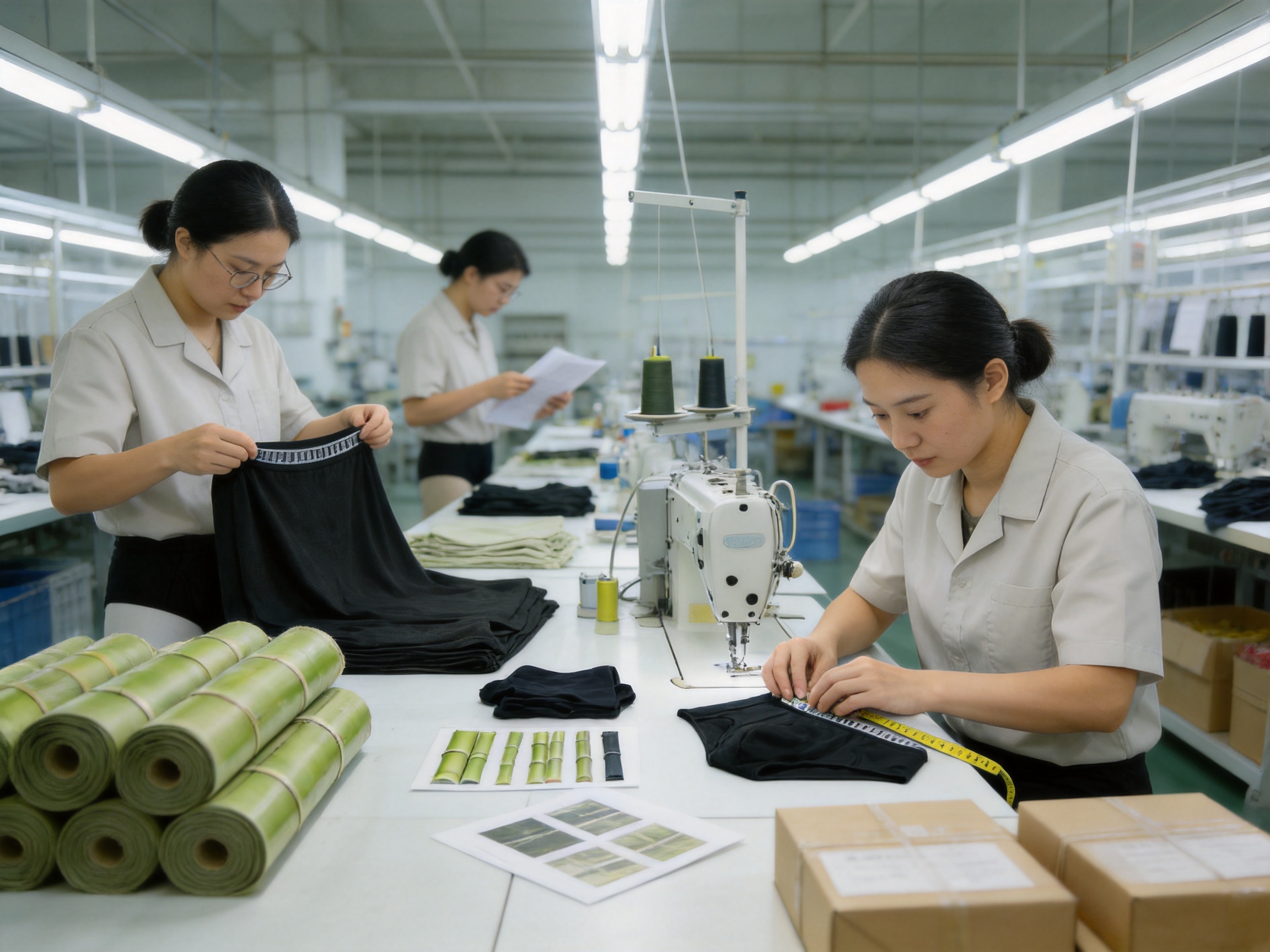
Quick Answer: Premium breathable bamboo jersey men’s briefs are designed for men who want a softer, more comfortable alternative to conventional underwear without sacrificing support or practicality. The THDY-004 men’s brief combines 40s bamboo-dyed jersey fabric, a fabric-wrapped non-sensory waistband, an open practical design, and an ergonomic triangular construction. These features help reduce pressure, limit unwanted movement, and improve all-day comfort. For brands, retailers, and distributors, the product is also suitable for OEM and ODM development because it comes from an established textile manufacturer with experience in fabric research, underwear production, sustainable material selection, quality management, and international supply-chain coordination.
The most important purchasing questions are straightforward: Is the fabric soft and breathable? Does the waistband stay comfortable during long wear? Does the cut provide reliable support without constant adjustment? Can the manufacturer deliver consistent quality and customization? This product is positioned to answer each question through bamboo-dyed jersey, a wrapped waistband construction, a triangular ergonomic shape, and a manufacturing partner that provides customized underwear services for international clients.
Men’s underwear has moved beyond basic coverage. Consumers now compare softness, moisture management, waistband pressure, movement control, durability, material traceability, and environmental responsibility before choosing a product. A successful brief must perform during commuting, office work, travel, exercise, rest, and repeated washing. It must also maintain its shape while remaining light enough for warm climates and close-fitting clothing.
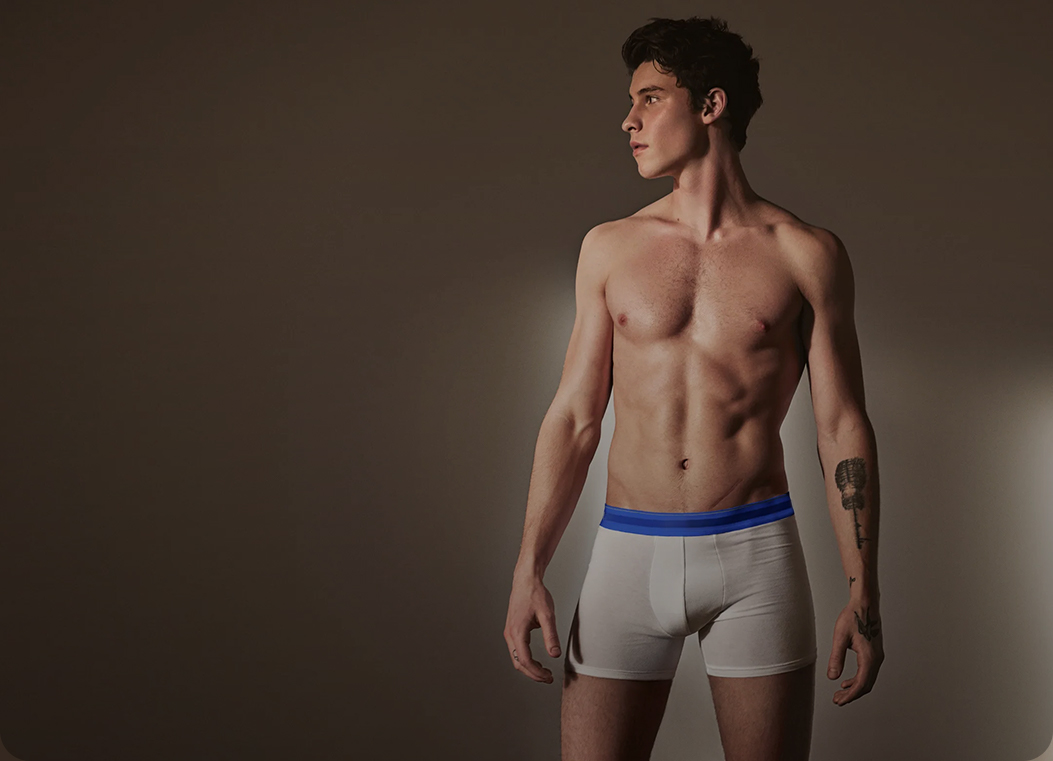
The THDY-004 men’s briefs address these expectations with a focused design rather than excessive decoration. The product uses a bamboo-dyed jersey fabric described as 40s bamboo jersey. Its waistband is covered by the fabric, creating a smoother contact surface against the body. The triangular construction is intended to follow the body’s natural geometry and provide a more stable fit. The open design improves practicality and supports easier wear.
This combination is relevant to private-label brands seeking premium breathable underwear, retailers building a natural-fiber underwear range, and importers looking for an OEM/ODM partner. The product is not presented as a disposable basic. It is positioned as a considered underwear style where fabric, pattern, waistband engineering, and production capability work together.
The central proposition is simple: softer contact, breathable comfort, dependable support, and fewer fit-related interruptions. Many traditional briefs rely on a prominent elastic waistband that can create pressure, rubbing, or a noticeable line beneath clothing. A fabric-wrapped waistband changes the first point of contact between the garment and the wearer’s skin. The result is intended to feel less abrasive and less intrusive during extended use.
The brief’s triangular shape also has a practical purpose. A carefully engineered triangular front can distribute fabric more efficiently around the body, create room where support is needed, and reduce excess material that may bunch during movement. This does not replace accurate sizing, but it can contribute to a more stable fit when the pattern is graded correctly across sizes.
For a brand, these details create clear merchandising language. Instead of making vague comfort claims, a product page can explain the material, waistband treatment, construction, and intended benefits. That makes the item easier for customers to understand and easier for sales teams to position against standard cotton briefs or basic synthetic alternatives.
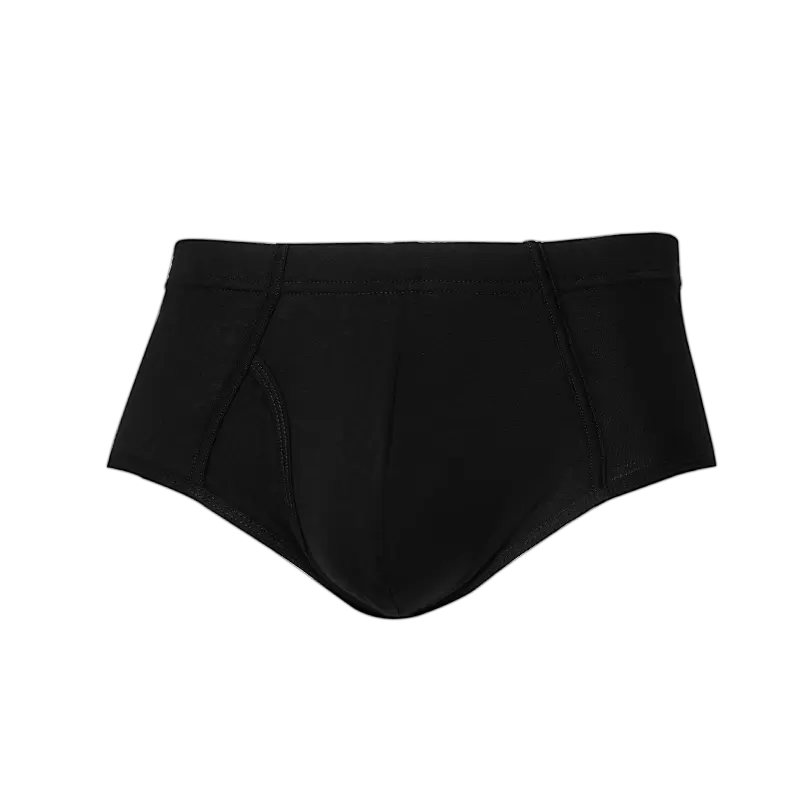
Men's Briefs
The fabric specification identifies the product as 40s bamboo-dyed jersey. “40s” generally refers to yarn count and indicates a relatively fine yarn suitable for lightweight apparel applications. The exact hand feel, weight, stretch, recovery, and fiber blend should be confirmed through the manufacturer’s technical specification before bulk production. Even so, bamboo-based jersey is widely selected for underwear because it can provide a smooth, soft hand and a comfortable drape.
Jersey construction is also suitable for close-to-body clothing. Its knitted structure allows flexibility and supports movement more effectively than many rigid woven fabrics. For briefs, this flexibility is important because the garment must follow the body through sitting, walking, bending, and changing posture. A well-finished jersey can feel light while maintaining enough structure for everyday support.
Underwear remains in continuous contact with sensitive areas of the body, so surface comfort matters. Bamboo-derived fibers are often chosen for their smooth hand and gentle feel. The fabric-wrapped waistband extends this comfort principle to the upper edge of the garment. Instead of placing exposed elastic directly against the skin, the design uses fabric as the contact layer.
Softness should not be judged from fiber content alone. Finishing, dyeing, knitting quality, seam construction, washing, and storage all affect the final result. A professional sampling process should therefore include hand-feel evaluation after laundering, stretch testing, seam inspection, and wear trials. These checks help a brand confirm that the product performs as expected rather than relying only on a material name.
Breathability is a high-priority search term for men’s underwear because heat and trapped moisture can reduce comfort quickly. Lightweight knitted bamboo fabric can support air exchange and moisture movement, although actual performance depends on fabric weight, construction, finishing, blend ratio, garment fit, and environmental conditions.
A close-fitting brief should not be excessively tight. Even a breathable fabric can feel warm if the size is too small or if the pattern restricts airflow. Buyers should select the correct size and brands should publish an accurate measurement chart. Manufacturers should confirm fabric weight, width, stretch percentage, recovery, shrinkage, colorfastness, and pilling performance during development.
The product is described as bamboo dyed jersey, placing color development and dye control among the important manufacturing considerations. Underwear is frequently washed, so colorfastness is essential for maintaining a premium appearance. A reliable production process should control dye selection, bath conditions, temperature, time, washing, drying, and final inspection.
For private-label customers, color approval should happen before bulk manufacturing. A laboratory dip or approved sample can establish the target shade. Production lots should then be compared against the approved standard under consistent lighting. Brands may also request wash testing to evaluate color change, staining, and shade transfer.
The product’s advantages come from the relationship between its construction details. Bamboo jersey alone does not guarantee a superior brief, and a special waistband alone cannot solve every fit problem. The design is strongest when the fabric, waistband, pattern, and finishing support the same objective: comfortable, stable daily wear.
| Design element | User benefit | Commercial value |
|---|---|---|
| 40s bamboo-dyed jersey | Soft, lightweight, flexible contact layer suitable for daily wear | Supports premium breathable underwear positioning |
| Fabric-wrapped non-sensory waistband | Reduces the harsh feel of exposed elastic against the skin | Creates a clear point of differentiation from basic briefs |
| Triangular ergonomic shape | Helps distribute fabric and support the body with fewer adjustments | Provides a distinctive design story for product pages and packaging |
| Open practical design | Improves ease of use and supports practical daily routines | Broadens appeal among consumers seeking functional underwear |
The waistband is one of the first features a wearer notices. A rigid or highly exposed waistband may create pressure at the abdomen, leave marks, or feel uncomfortable when the wearer sits for long periods. The THDY-004 design wraps the fabric around the waistband so the skin meets a softer textile layer.
The term “non-sensory waistband” describes the intended low-awareness experience: the wearer should notice the garment’s support without being distracted by a hard, abrasive, or overly tight band. This is especially relevant for office workers, travelers, drivers, and anyone who wears underwear for extended periods.
A comfortable waistband still needs adequate recovery. If the elastic loses resilience, the brief may slip or lose its shape. If the elastic is too firm, it can create pressure. For production approval, brands should request tests for waistband extension, recovery after repeated stretching, seam security, and dimensional stability after washing.
The triangular front is a defining feature of the product. Its geometry is intended to create a natural fit around the body while reducing the need for repeated adjustment. Compared with a flat or poorly shaped panel, an ergonomic triangular pattern can provide a more deliberate balance between coverage, movement, and support.
Pattern engineering determines whether this benefit is realized. The rise, leg opening, front width, gusset proportions, seam placement, and size grading must work together. A successful sample should be tested by people representing the intended size range, not only on a single fit model. Movement trials should include walking, sitting, bending, and moderate activity.
The open design adds a functional element to the brief. Its purpose is to make the garment more practical while preserving the expected support and comfort of men’s underwear. The exact opening construction, closure treatment, and finishing should be confirmed during product development, especially when a buyer requests changes to the original sample.
Practicality is valuable when it is integrated cleanly. Edges should remain smooth, seams should not create pressure points, and the opening should retain its shape after washing. These are important inspection points for both factory quality teams and brand product managers.
The product competes with several common categories: basic cotton briefs, synthetic stretch briefs, modal or bamboo-blend underwear, and conventional briefs with exposed elastic waistbands. Each category has strengths. The purpose of the THDY-004 design is not to claim that one fabric is suitable for every wearer, but to offer a stronger combination of tactile comfort, functional design, and natural-fiber positioning.
Cotton remains familiar and widely available, but basic cotton briefs can vary significantly in softness, weight, drying time, and shape retention. A low-cost cotton brief may use a coarse yarn, a heavy fabric, or a simple waistband construction. The bamboo-dyed jersey approach offers a more premium hand-feel proposition and a lighter, smoother experience when the fabric is properly developed.
The waistband treatment is another point of difference. Many entry-level briefs expose the elastic or use a basic folded waistband. A fabric-wrapped waistband can create a more refined appearance and more comfortable skin contact. This gives retailers a concrete feature to communicate rather than relying on generic “soft underwear” language.
Synthetic fabrics are often selected for rapid drying, stretch, and close compression. They can perform well during demanding activity, but some consumers dislike the slick feel or prefer a natural-fiber touch for daily use. Bamboo jersey offers an alternative for customers who prioritize softness, breathability, and a less technical hand feel.
The right choice depends on use. Brands may position this brief for everyday wear, travel, office use, warm-weather comfort, and consumers seeking natural-fiber underwear. If a collection also targets intensive sports, the company should test the product under those conditions rather than using general comfort language for every application.
The wrapped waistband is one of the clearest competitive features. Exposed elastic can be useful and durable, but it may feel more noticeable against the skin. A wrapped construction supports a smoother premium presentation and can reduce direct contact between elastic and the wearer.
The design also gives brands an opportunity to create a visual identity around quiet comfort. Instead of large logos or decorative elements, the product can communicate quality through fabric, construction, and fit. This can appeal to shoppers who prefer understated underwear with practical performance.
Nantong Tianhong Textile Technology Co., Ltd. was established in 2001 in Nantong, China, a major textile manufacturing center. The company specializes in the research, manufacturing, and sales of underwear products. Its capabilities include OEM and ODM services for established labels, supporting customers that require product development, specification control, customized production, and supply-chain coordination.
An underwear manufacturer’s value is measured by more than sewing capacity. The factory must understand fiber behavior, knitting, dyeing, pattern engineering, elastic performance, seam construction, fit grading, inspection, packaging, and shipment preparation. These functions must be connected if a brand wants consistent results from the first sample through repeat orders.
The company focuses on environmentally friendly functional fabrics and natural-fiber underwear products. That focus is relevant to the growing demand for bamboo, organic cotton, recycled fibers, and other material options with a more responsible sourcing story.
Product research should begin with the intended use rather than the fiber name. For men’s briefs, the development team needs to balance softness with recovery, breathability with opacity, and lightweight comfort with durability. A fabric that feels excellent in a swatch may not perform well after repeated washing or under waistband tension. A capable manufacturer can address these trade-offs through sampling and testing.
OEM production generally means manufacturing according to a customer’s specifications, branding, packaging, and approved sample. ODM support can involve adapting an existing design, developing a new pattern, selecting materials, adjusting colors, and preparing the product for a specific market. The THDY-004 brief provides a practical base for either route.
A buyer may request a custom bamboo jersey weight, alternative color palette, revised waistband width, private label, packaging format, size range, or additional fit versions. Any change should be treated as a development project with a written specification. This protects both sides from misunderstandings about fabric composition, measurements, labels, tolerances, and packaging.
The company has built long-term partnerships with clients in Europe, North America, and China. International underwear production requires communication across different measurement systems, labeling rules, packaging expectations, testing requirements, and delivery schedules. A manufacturer experienced with multiple markets is better positioned to identify these requirements early in the development cycle.
For buyers, the best practice is to provide a complete technical pack. It should include reference samples, flat measurements, tolerances, construction details, artwork, label instructions, packaging requirements, target quantity, delivery window, and applicable testing standards. Clear information reduces the risk of late revisions and helps the factory quote accurately.
The company reports products certified by standards and programs including FSC, OCS, OEKO-TEX 100, GOTS, WRAP, and BSCI. Buyers should request current certificates, confirm the certificate scope, and verify that the specific material and production order are covered. Certification names should not be printed on packaging unless the relevant claim is authorized and applicable to the finished product.
This point matters particularly for bamboo and organic-fiber marketing. A bamboo-based fabric should be identified accurately, including its fiber classification and any applicable processing information. “Organic” should be used only when the relevant fiber and finished product claims are supported by valid documentation. Responsible marketing protects consumer trust and reduces compliance risk in international markets.
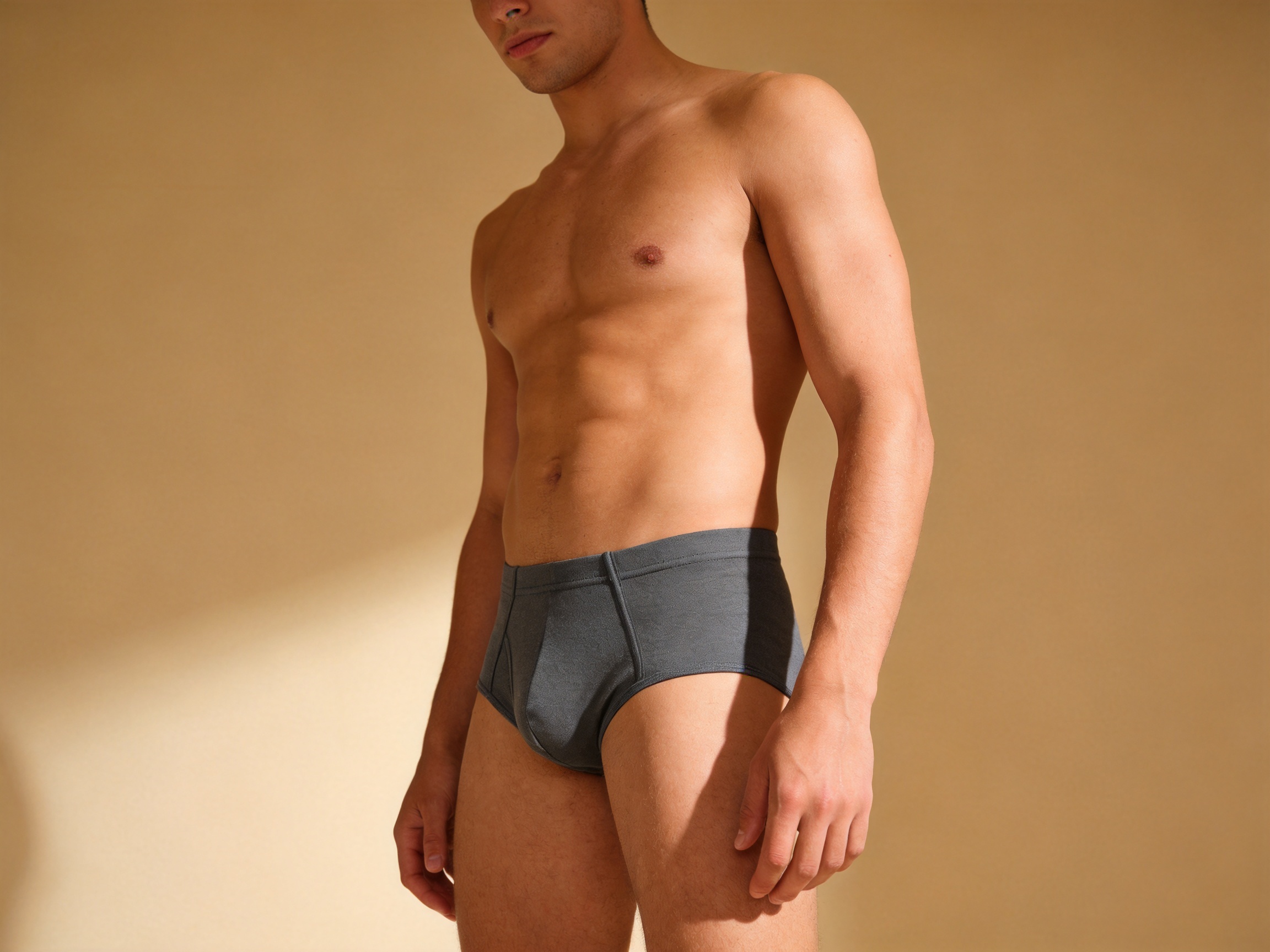
A reliable manufacturing process turns a design concept into a repeatable product. The following workflow provides a practical framework for brands evaluating this style or developing a customized version.
The buyer and manufacturer first establish the intended market, target customer, price level, size range, color direction, packaging, and performance expectations. At this stage, the product should be described in measurable terms. “Premium” may refer to fabric softness, finishing, packaging, certification, construction, or all of these. Defining the meaning prevents conflicting expectations later.
The fabric specification should identify fiber content, yarn count, fabric construction, weight, width, stretch, recovery, color standard, finishing, and expected shrinkage. The 40s bamboo-dyed jersey description provides a starting point, but the final technical sheet should contain the full composition and performance data.
The buyer should receive a fabric cutting or lab dip for approval. If the product will be sold in multiple colors, every shade should be evaluated for hand feel, opacity, stretch, and colorfastness. Dark and saturated colors may require additional attention because dye behavior can vary by shade.
The pattern team converts the concept into panels, seams, openings, waistband dimensions, and graded sizes. The triangular front must be assessed for comfort and support, while the open design must be finished cleanly. The waistband needs enough stretch to remain secure without creating unnecessary pressure.
At least one fitting round is usually necessary. A professional buyer should review the sample on a real wearer or fit model, not only on a table. Important observations include waistband position, leg opening comfort, front coverage, back coverage, seam placement, movement stability, and appearance under clothing.
The sample should be washed according to the expected care instructions. After washing, the team should compare measurements, stretch, recovery, color, surface appearance, and seam integrity against the pre-wash sample. This stage may identify shrinkage or distortion that is not visible during the first fitting.
Wear trials should include normal daily activities. The tester should record whether the waistband rolls, whether the brief shifts, whether the opening remains practical, and whether seams become noticeable. A short structured questionnaire can provide more useful feedback than general comments such as “comfortable” or “not comfortable.”
The pre-production sample should represent the actual fabric, trims, labels, thread, construction, and packaging planned for bulk production. It should be signed off by the authorized buyer. Any changes after approval need to be documented and reviewed because even a small change in elastic or fabric finishing can affect the fit.
Bulk production requires incoming-material inspection, cutting control, sewing-line monitoring, in-process checks, final measurement inspection, appearance review, and packaging verification. The approved sample should remain available as the reference standard throughout production.
For a product with a fabric-wrapped waistband, quality inspectors should pay particular attention to edge consistency, elastic exposure, seam tension, waistband width, and attachment strength. For the triangular front, inspection should confirm symmetry, panel placement, and smooth finishing.
A product can look attractive in photographs and still disappoint consumers if measurements or construction are inconsistent. Buyers can use the following checklist when reviewing samples or pre-shipment goods.
| Inspection area | What to check | Why it matters |
|---|---|---|
| Fabric | Composition, weight, softness, stretch, recovery, pilling, and shade | Determines comfort, appearance, and product consistency |
| Waistband | Width, fabric coverage, elasticity, recovery, rolling, and seam strength | Affects comfort, security, and durability |
| Pattern | Rise, front shape, leg openings, coverage, symmetry, and grading | Controls fit and reduces adjustment during wear |
| Sewing | Skipped stitches, loose threads, seam puckering, and uncomfortable edges | Protects skin comfort and garment life |
| Washing | Shrinkage, colorfastness, shape retention, and waistband recovery | Reflects real consumer use |
| Labels and packaging | Fiber declaration, care instructions, size, barcode, and brand artwork | Supports compliance and retail readiness |
Every buyer should agree on measurement tolerances before production. Key measurements may include waistband relaxed length, waistband extended length, front rise, back rise, side length, leg opening, pouch width, and overall body length. The factory and buyer should use the same measurement method to avoid disputes.
Underwear stretches significantly, so measurements should distinguish between relaxed and extended dimensions where appropriate. A brief that measures correctly on a flat table may fit differently if the elastic recovery is inconsistent. Measurement review should therefore be combined with stretch and wear testing.
Any component that touches the body should be inspected for roughness, sharp edges, exposed elastic, hard labels, and bulky seams. The fabric-wrapped waistband is intended to improve this area, but the finished result depends on the folding, stitching, elastic placement, and thread tension.
A useful factory review includes turning the garment inside out and checking every seam. The inner surface should be free from loose threads and avoidable rough points. This inspection is especially important for premium underwear because consumers often notice small comfort defects immediately.
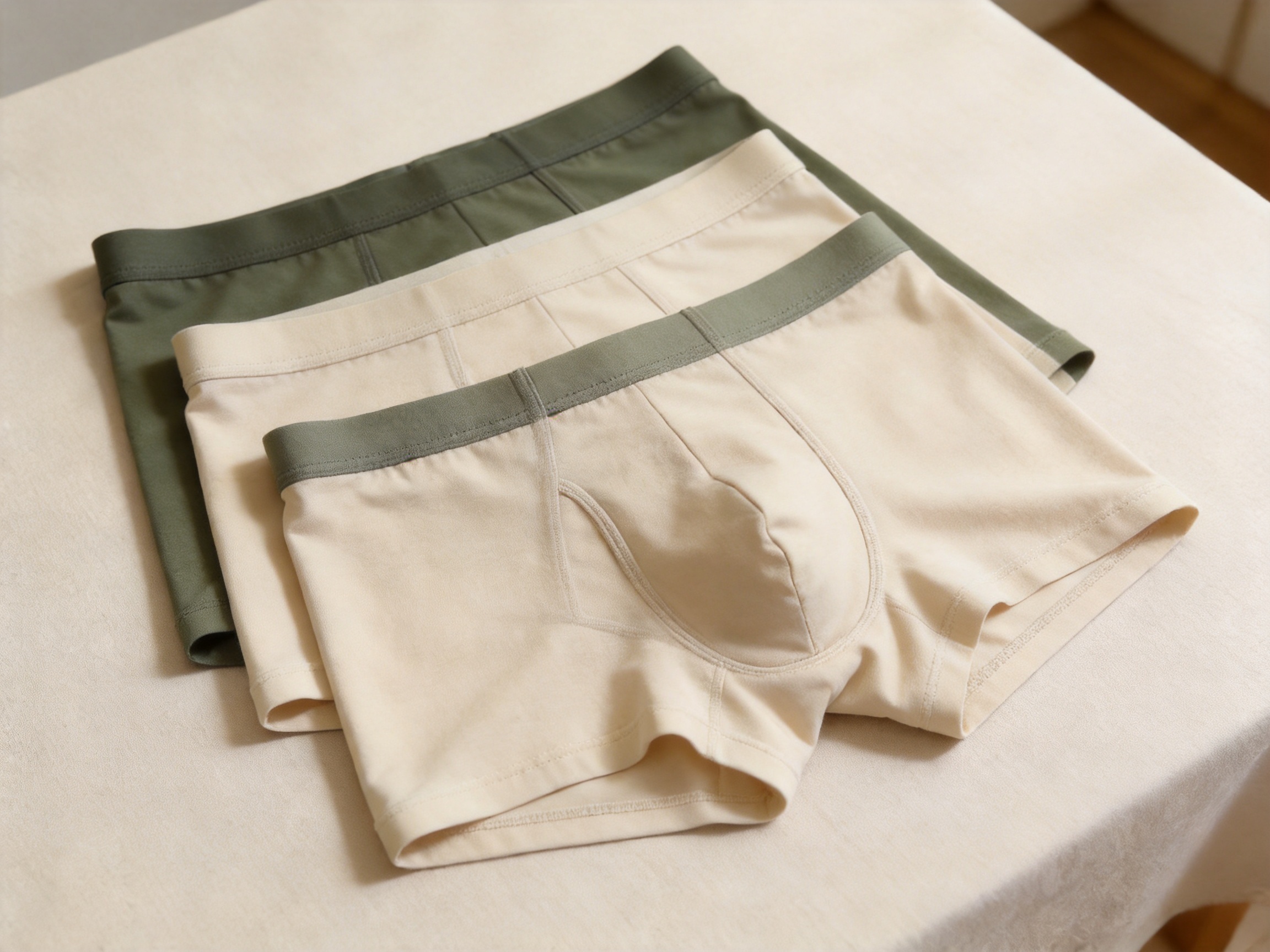
Bamboo underwear attracts consumers who are interested in natural fibers, softness, and lower-impact material options. However, sustainability claims should be specific and supported by documentation. Bamboo is a plant-based raw material, but the final fiber may be produced through different processes. A responsible product description should state the verified fiber type and avoid broad claims that cannot be substantiated.
The company’s stated focus on environmentally friendly functional fabrics, traceable supply-chain management, and certifications such as FSC, OCS, OEKO-TEX 100, GOTS, WRAP, and BSCI can support a structured sourcing conversation. Buyers should request documentation for the actual order and confirm which certification applies to the fiber, processing facility, finished product, labor practices, or management system.
Sustainability also depends on how long underwear remains usable. Consumers should follow the care label, use suitable washing temperatures, avoid excessive bleaching, and dry the garments according to the manufacturer’s instructions. Brands can include concise care guidance to help preserve the bamboo jersey, color, waistband, and shape.
A durable premium product may offer better value than a cheaper item that loses softness, shape, or elasticity after a short period. Durability should be evaluated through laundering and wear tests rather than assumed from the material category.
Search intent around this product is highly practical. Customers typically want to know whether bamboo underwear is breathable, whether men’s briefs are comfortable for all-day wear, whether the waistband digs into the skin, and whether the garment stays in place. Product content should answer these questions directly.
Relevant keyword themes include premium breathable underwear, organic bamboo underwear, bamboo jersey men’s briefs, soft men’s briefs, comfortable non-sensory waistband underwear, sustainable men’s underwear, natural-fiber briefs, ergonomic men’s briefs, and OEM bamboo underwear manufacturer.
A product page should not repeat keywords unnaturally. Each phrase should support a useful explanation. For example, “premium breathable underwear” can introduce the fabric and intended daily-use benefits. “Non-sensory waistband” can explain the fabric-wrapped construction. “OEM bamboo underwear manufacturer” can lead into the company’s development, production, and customization capabilities.
A strong page can begin with the direct benefit: soft bamboo-dyed jersey briefs designed for breathable comfort and fewer adjustments. It can then present fabric details, waistband construction, triangular fit, care guidance, size information, available customization, and manufacturing credentials.
Avoid making the consumer search through a long paragraph for basic facts. Use short sections, clear measurements, material disclosures, and an explanation of the design. Buyers looking for private-label production should receive a separate section covering sample development, color customization, labeling, packaging, minimum order discussions, and quality-control procedures.
For everyday consumers: Choose this style if soft fabric, a smooth waistband, breathable comfort, and reduced adjustment are more important than aggressive compression.
For premium retailers: Use the product as a natural-fiber brief with a clear construction story and a refined comfort proposition.
For private-label brands: Treat the THDY-004 design as a foundation for customized colors, labels, packaging, size ranges, and approved material specifications.
For hospitality and corporate programs: Consider the understated design and fabric comfort for branded underwear collections, subject to required packaging and volume discussions.
The product may be less suitable for customers seeking highly compressive athletic underwear or specialized performance garments for intense training. That does not reduce its value; it clarifies its strongest market position. The design is most compelling where daily comfort, natural-fiber feel, low waistband awareness, and practical support are the leading purchase criteria.
The product uses 40s bamboo-dyed jersey fabric. Buyers should confirm the full fiber composition, fabric weight, stretch, recovery, and finishing details on the final technical specification before placing a bulk order.
Bamboo-based jersey is selected for its soft, lightweight, and breathable comfort potential. Actual breathability depends on the fabric construction, weight, blend, finishing, garment fit, and wear conditions. Correct sizing and product-specific testing are important.
It describes a waistband designed to feel less noticeable during wear. In this product, the fabric wraps the waistband, creating a softer contact layer and reducing the direct feel of exposed elastic against the skin.
The triangular shape is intended to provide an ergonomic fit by distributing fabric around the body in a practical way. It can support comfort and reduce the need for frequent adjustment when the pattern, sizing, and waistband are correctly developed.
Yes. The design is suitable for OEM and ODM discussions involving fabric selection, color, labels, packaging, size grading, and other product specifications. Final customization options, minimum quantities, lead times, and testing requirements should be confirmed directly with the manufacturer.
Only when the specific fiber and finished-product claims are supported by valid certification or documentation. Bamboo-based fabric and organic certification are not automatically the same thing. Brands should confirm the applicable certificate scope before using “organic” in product copy or packaging.
Buyers should request fabric composition and performance data, colorfastness, shrinkage, pilling, stretch and recovery, waistband durability, seam quality, measurement consistency, fit approval, and packaging verification. Laundering and wear tests should be included in the approval process.
Nantong Tianhong Textile Technology Co., Ltd. is located in Nantong, Jiangsu Province, China, a major textile production area. The company has operated since 2001 and serves OEM and ODM customers in China and international markets.
Consumers should follow the garment’s care label, use a suitable washing method, avoid harsh bleaching unless specifically permitted, and dry the garment according to the manufacturer’s instructions. Proper care helps preserve softness, color, shape, and waistband recovery.
Before approving the product, buyers should evaluate it through four connected questions. First, does the fabric provide the intended softness and breathability after washing? Second, does the waistband remain comfortable and secure during movement? Third, does the triangular construction support the body without bunching or excessive adjustment? Fourth, can the manufacturer reproduce the approved result at the required quantity and specification?
The product is strongest when all four answers are positive. A soft fabric cannot compensate for poor sizing. A good pattern cannot compensate for weak elastic recovery. A reliable factory cannot correct a vague technical pack without additional development time. Successful production depends on clear communication, measurable requirements, sample approval, testing, and documented quality control.
For brands seeking premium breathable underwear, the THDY-004 men’s brief provides a focused proposition built around bamboo-dyed jersey, a fabric-wrapped non-sensory waistband, an ergonomic triangular shape, and practical open construction. For businesses seeking an organic bamboo underwear manufacturer or OEM partner, the manufacturer’s experience in textile research, underwear production, certification-supported sourcing, and international customer service adds value beyond the individual garment.
The most practical next step is to request a complete specification, fabric information, size chart, sample, certification documents where applicable, testing plan, and customization options. A structured review will show whether the product fits the target market, price point, performance expectations, and brand positioning.
1. Product specification for THDY-004 men’s briefs, including 40s bamboo-dyed jersey, fabric-wrapped waistband, triangular ergonomic construction, and open practical design.
2. Nantong Tianhong Textile Technology Co., Ltd. company information, including OEM/ODM services, textile research, underwear manufacturing, international partnerships, and sustainable supply-chain objectives.
3. International Organization for Standardization, textile testing and care-label guidance relevant to colorfastness, dimensional stability, fiber composition, and garment performance.
4. OEKO-TEX Association, consumer-safety and harmful-substance testing principles for textile products.
5. Global Organic Textile Standard, guidance concerning organic-fiber processing, chain of custody, labeling, and certification claims.
6. Forest Stewardship Council, chain-of-custody principles relevant to certified cellulose-based textile materials where applicable.
7. Apparel quality-control practices covering garment measurement, seam inspection, stretch recovery, laundering trials, and pre-shipment inspection.

Copyright © Nantong Tianhong Textile Technology Co., Ltd. All Rights Reserved.
 Room 806, Building D, Jingyang Plaza, Chongchuan District, Nantong City, Jiangsu Province,china


 English
 Español
 русский
 عربى