Content
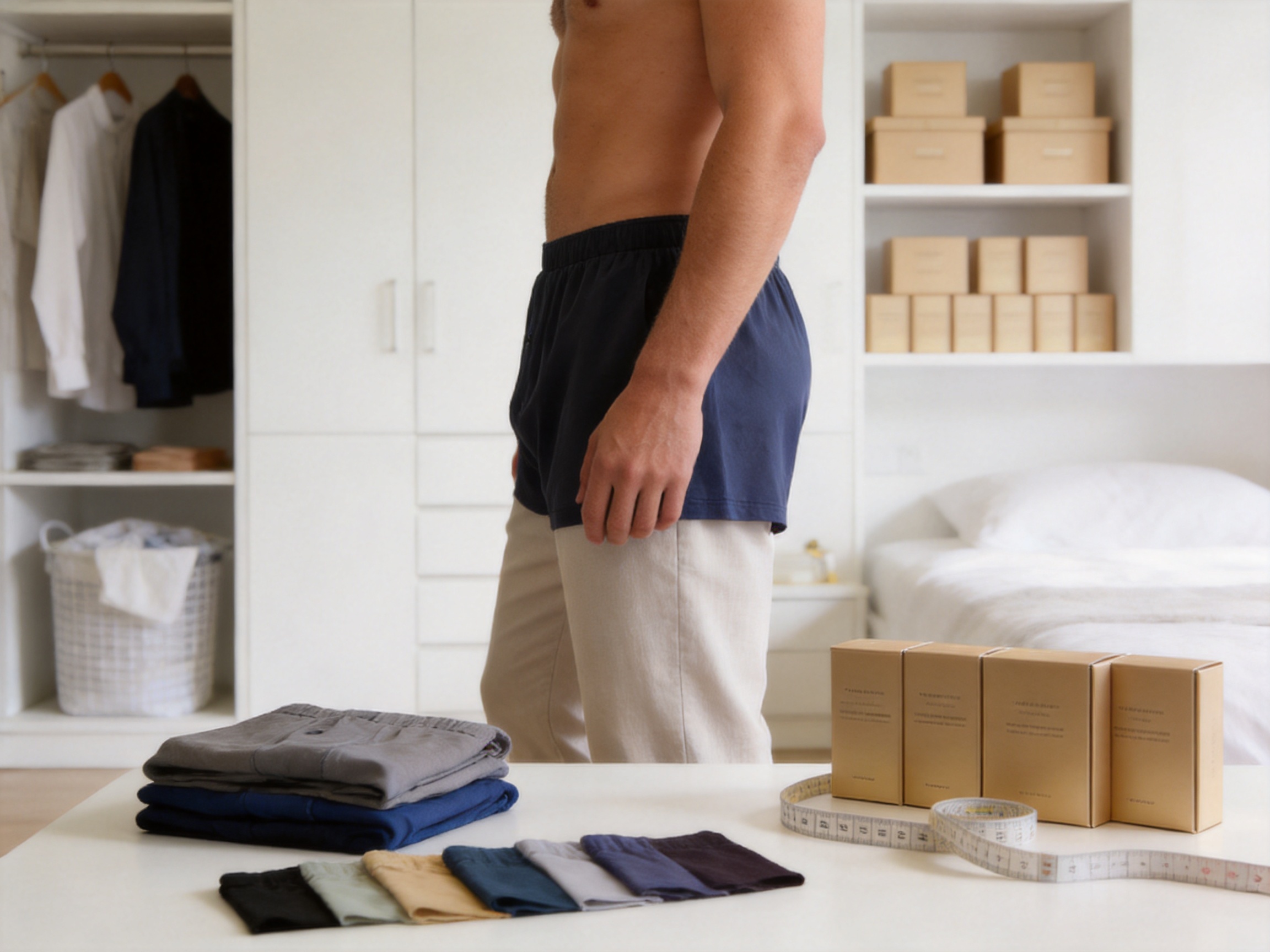
Men’s bamboo viscose filament boxers are a strong choice for buyers seeking a smooth, breathable, moisture-managing alternative to conventional cotton or synthetic underwear. The long-silk construction described for this product combines a soft satin-like hand feel with the practical benefits expected from bamboo viscose fabric, including lightness, airflow, and a comfortable next-to-skin surface.
The THDY-046 men’s bamboo long silk boxer is designed for private-label brands, underwear wholesalers, retailers, and custom apparel programs that need a premium-looking product with OEM/ODM flexibility. Its main commercial advantages are the luxurious filament texture, comfortable everyday performance, versatile styling potential, and access to an established textile manufacturer with experience in research, production, international sales, traceable sourcing, and functional fabric development.
For buyers comparing suppliers, the most important questions are not limited to fabric composition. They should also evaluate fiber documentation, fabric testing, colorfastness, dimensional stability, seam quality, waistband recovery, packaging options, minimum order quantity, sample approval, production control, and certification records for the specific order. A supplier with these capabilities can help transform a basic boxer brief or woven boxer concept into a consistent, market-ready product.
The men’s underwear market has moved beyond a simple choice between cotton and polyester. Customers increasingly assess how a product feels after several hours of wear, how it performs in warm or humid conditions, whether it creates friction under trousers, and whether its materials align with sustainability expectations. This makes fabric engineering and manufacturing consistency central to product value.
Men’s Bamboo Long Silk Boxers answer this demand through a fabric approach that emphasizes softness, smoothness, breathability, and moisture management. The product uses bamboo viscose filament fabric, described as a bamboo viscose Heaven Silk Satin material. The filament format is particularly relevant because continuous or long-form fibers can create a sleek surface and reduce the rougher visual impression associated with some short-staple fabrics.
The result is a product positioned between everyday underwear and luxury loungewear. It can serve customers who want a refined appearance without sacrificing comfort. For brands, this creates opportunities in premium basics, sustainable underwear collections, travel apparel, gift sets, hotel or resort retail, and elevated private-label programs.
Compared with ordinary mass-market boxers, this product has a more distinctive material story. Compared with highly engineered synthetic underwear, it offers a naturally derived fiber narrative and a silk-like tactile experience. Compared with low-cost bamboo blends, a premium viscose filament construction can provide a more consistent smooth surface when the yarn, fabric finishing, cutting, sewing, and inspection processes are properly controlled.
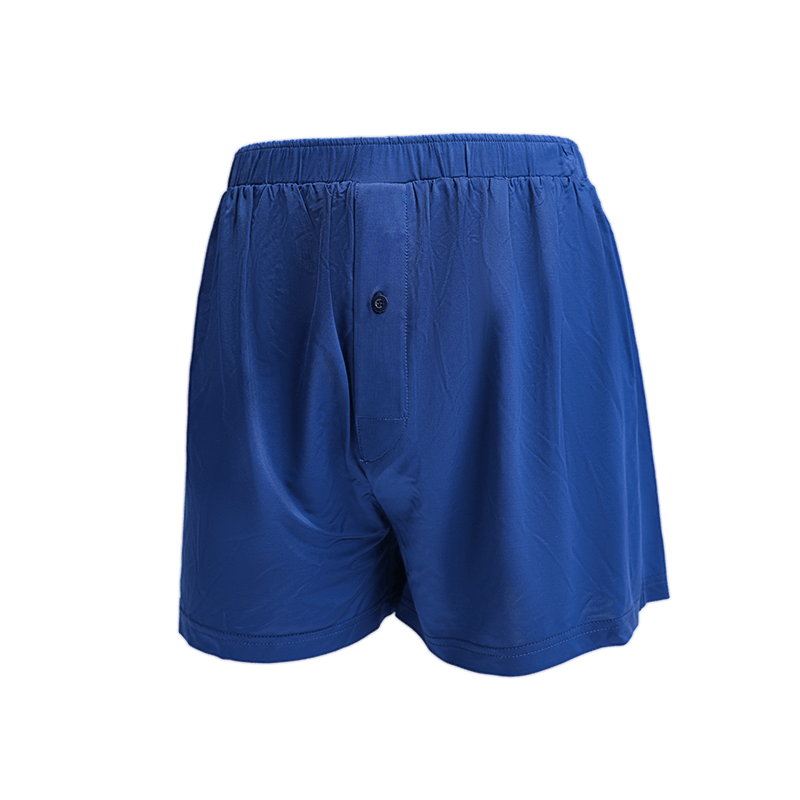
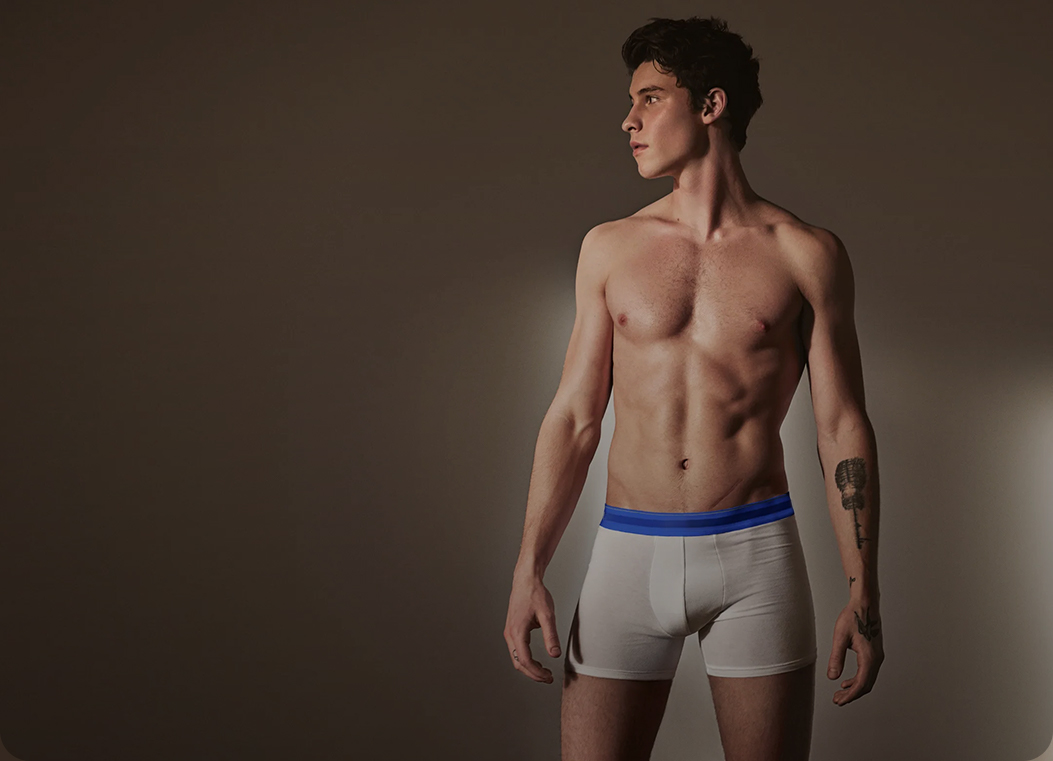
Men's Bamboo Viscose Filament Boxers
Bamboo viscose is a regenerated cellulose fiber. Bamboo is used as the cellulose source, which is then processed into a dissolving pulp and regenerated into textile fiber through an industrial manufacturing process. The finished fiber is not simply raw bamboo in a mechanically shredded form. It is a manufactured cellulosic fiber with a controlled structure, yarn count, and fabric performance.
This distinction matters when buyers evaluate product descriptions. Bamboo viscose should be discussed accurately, with supporting documentation from the fiber and fabric supply chain. Claims such as “organic,” “sustainable,” or “eco-friendly” should be connected to the appropriate certification, material declaration, production record, or audit rather than used as unsupported marketing language.
The company’s stated product and business materials refer to bamboo viscose, natural-fiber development, environmentally friendly functional fabrics, traceable supply chain management, and certifications including FSC, OCS, OEKO-TEX 100, GOTS, WRAP, and BSCI. Buyers should confirm which certification applies to the bamboo fiber, the finished fabric, the factory, or the specific production order. Certification scope can differ by facility, material, product line, and transaction.
Filament fibers are formed as continuous strands rather than short fibers that must be spun together from separate staple pieces. In a suitable yarn and fabric structure, this can produce a clean, smooth surface with a refined visual appearance. For underwear, that surface can reduce the sensation of roughness against the skin and create the soft, fluid drape associated with satin or silk-like fabrics.
Long-silk styling also supports a premium visual identity. The fabric can reflect light gently, making the boxer look more polished than a standard matte jersey. This is useful for product photography, packaging presentation, and collections positioned above entry-level underwear.
Filament fabric does not automatically guarantee superior quality. Performance depends on fiber quality, yarn design, fabric density, finishing chemistry, dyeing control, cutting accuracy, and sewing workmanship. A responsible buyer should therefore evaluate the complete product rather than relying on the word “filament” alone.
Bamboo viscose is commonly selected for its smooth, absorbent, and breathable feel. In underwear, these characteristics can support comfort during commuting, office work, travel, light activity, and sleep. Moisture-wicking performance is influenced by the fiber, fabric construction, garment fit, finishing, and environmental conditions. The product is designed to help move moisture away from the skin and maintain a cooler, drier sensation during wear.
Breathability should be evaluated through fabric testing and wearer trials rather than assumed from fiber content alone. Relevant assessments may include air permeability, moisture management, drying rate, absorbency, pilling resistance, colorfastness, bursting strength, seam performance, and dimensional change after laundering.
| Evaluation Point | Bamboo Viscose Filament Boxers | Typical Cotton Boxers | Basic Synthetic Boxers |
|---|---|---|---|
| Surface feel | Smooth, soft, satin-like hand feel | Familiar, natural, sometimes firmer or textured | Can feel smooth but may appear more technical |
| Moisture experience | Designed for absorbency and moisture management | Absorbent but can remain damp longer | Often quick-drying, depending on construction |
| Visual positioning | Premium, fluid, refined, silk-inspired | Classic and familiar | Sport-oriented or performance-focused |
| Sustainability narrative | Can support certified bamboo and responsible sourcing claims | Can support natural-fiber claims, depending on cotton source | Usually based on synthetic performance or recycled content |
| Best commercial use | Premium basics, gifts, private label, upscale retail | Broad everyday market | Sports, activewear, value-focused performance lines |
This comparison is a positioning guide rather than a universal performance ranking. A high-quality cotton boxer can outperform a poorly made bamboo garment, and a carefully engineered synthetic fabric can dry faster under certain conditions. The advantage of the THDY-046 concept lies in combining a premium tactile identity with the comfort profile associated with bamboo viscose and the manufacturing support of an experienced underwear supplier.
Many underwear buyers make their final decision through touch. A fabric that feels smooth in the hand and soft against the body can justify a higher retail price when supported by good fit, construction, packaging, and storytelling. The bamboo viscose filament surface gives the product a distinctive silky character that separates it from basic cotton woven boxers.
This softness can be particularly attractive for consumers with long daily wear periods. Office workers, frequent travelers, and customers who prefer relaxed sleepwear may value a fabric that moves easily and does not feel coarse under clothing.
Underwear must manage heat and humidity without becoming heavy or restrictive. The product’s breathable bamboo viscose fabric is intended to support a fresher sensation during warm-weather use. Its smooth drape can also reduce the bulky appearance sometimes associated with heavy woven cotton.
For brands selling into tropical, subtropical, or summer-season markets, this creates a practical merchandising angle. Product pages can focus on lightweight comfort, breathability, moisture management, and smooth movement instead of relying only on generic sustainability language.
The boxer silhouette is familiar and commercially accessible. A brand does not need to educate customers about an unusual garment shape before explaining the fabric benefits. The long-silk satin surface adds differentiation while keeping the product easy to categorize.
This makes the style suitable for coordinated collections. A retailer can place it beside bamboo boxer briefs, undershirts, robes, pajamas, or women’s bamboo underwear while maintaining a consistent natural-fiber story. A manufacturer with OEM/ODM experience can also help adapt colors, labels, packaging, and size ranges for different channels.
For private-label brands: Use the product as a hero item for a premium bamboo underwear launch, then build supporting styles around the same fabric family.
For wholesalers: Present it as an elevated alternative to standard cotton boxers for retailers seeking higher perceived value.
For e-commerce sellers: Focus product pages on texture, breathability, comfort duration, care instructions, and verified fiber information.
For hospitality and gifting: Consider refined packaging and coordinated color sets for resort shops, corporate gifts, or premium travel collections.
The product can be offered in classic neutrals such as black, navy, charcoal, white, and gray, as well as seasonal shades or custom brand colors. Color development should be approved through lab dips or strike-offs before bulk production. Satin-like fabrics can show shade variation or surface reflectivity under different lighting, so photographic approval alone is not sufficient.
Size planning also requires care. Men’s underwear buyers may expect different grading standards across North America, Europe, and Asia. A supplier should work from a measurement chart that includes waist, hip, outseam, rise, leg opening, front panel dimensions, waistband width, and allowable tolerances. Brands should approve a physical size set rather than relying only on a digital specification sheet.
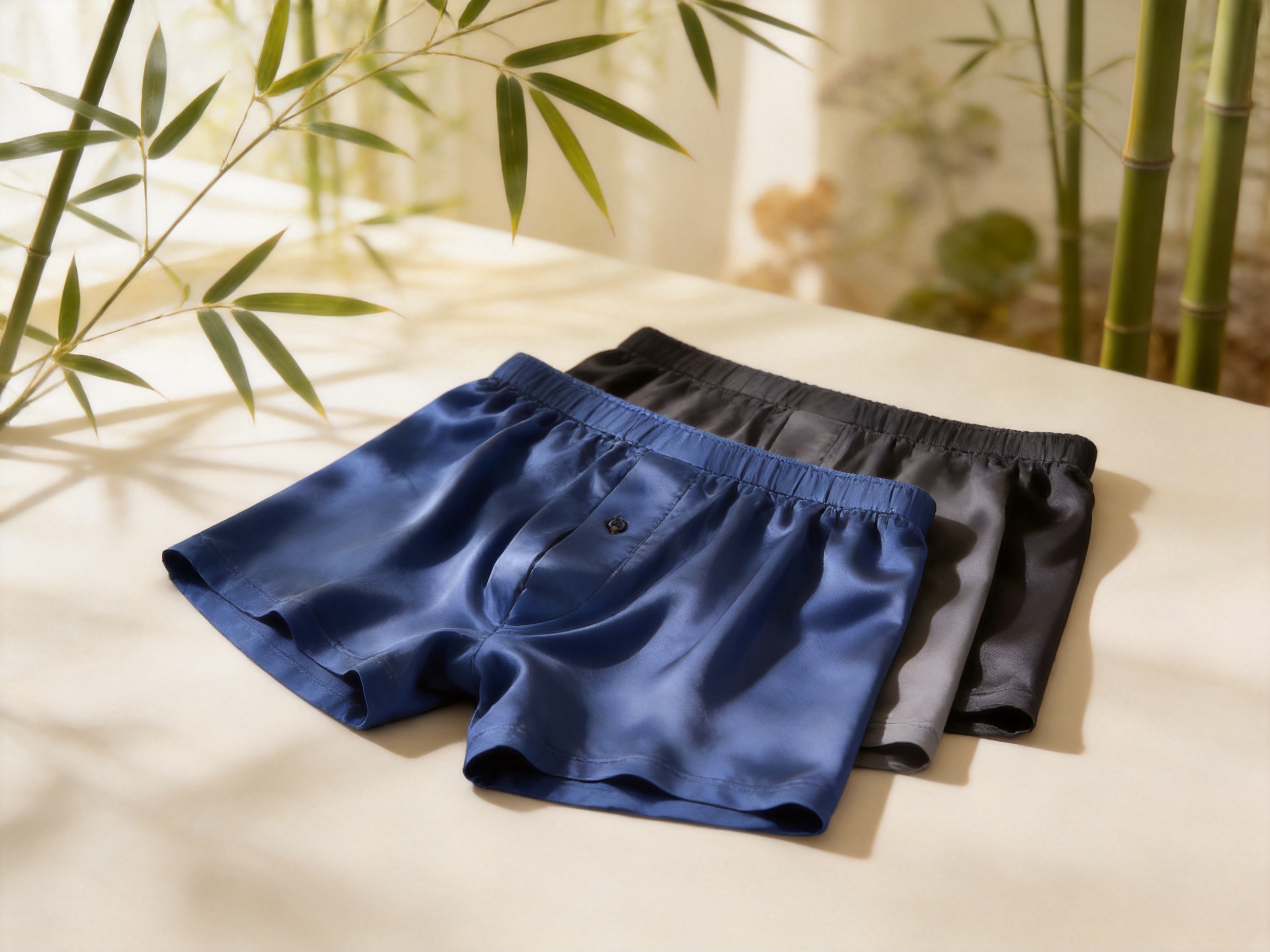
The product is manufactured and supplied by Nantong Tianhong Textile Technology Co., Ltd., a textile company established in 2001 in Nantong, Jiangsu Province. Nantong is widely recognized as an important textile manufacturing center, giving the company access to regional fabric, garment, dyeing, trim, logistics, and technical resources.
The company states that it specializes in the research, manufacturing, and sales of underwear products. Its business model includes OEM and ODM products and services for established labels in Europe, North America, and China. This matters to buyers who need more than a catalog item. OEM/ODM capability can support fabric selection, style modification, branding, packaging, size grading, color development, and production planning.
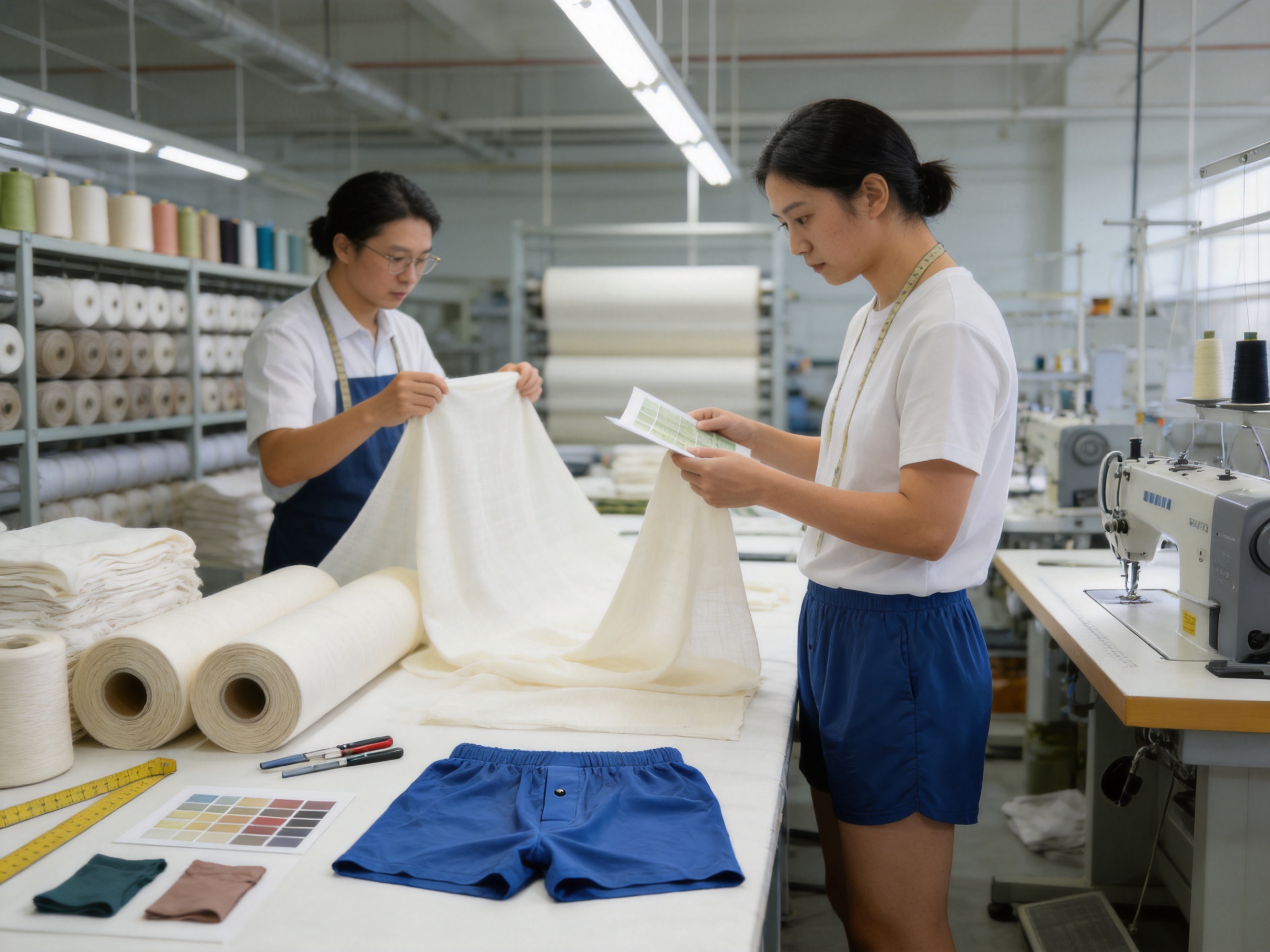
A premium underwear supplier needs to understand how a fabric behaves after dyeing, finishing, cutting, sewing, laundering, and repeated wear. The company’s stated focus on natural-fiber fabrics and environmentally friendly functional materials indicates a product-development orientation rather than a simple trading model.
For a bamboo viscose boxer, research and development may involve comparing yarn specifications, fabric weights, satin constructions, finishing methods, waistband combinations, seam configurations, and washing performance. These decisions affect softness, drape, recovery, shrinkage, pilling, opacity, and the way the garment sits beneath trousers.
Brands should ask for the technical fabric specification before approving production. Useful information includes fiber composition, fabric width, fabric weight, yarn details, construction, finishing process, test results, colorfastness data, and care recommendations. A clear specification reduces discrepancies between the approved sample and the bulk order.
OEM means the supplier manufactures according to the buyer’s design, specification, and brand requirements. ODM generally involves adapting an existing design or developing a product with the supplier’s design and technical input. The THDY-046 style can therefore function as a starting point for different business models.
A buyer may retain the basic fabric and silhouette while changing the waistband logo, label, color, packaging, stitch color, care label, or size range. Another buyer may request a modified rise, a different fly treatment, a longer leg, a softer waistband, or a coordinated women’s and children’s collection. Each modification should be reviewed for its impact on cost, lead time, minimum quantities, and testing.
Traceability helps buyers understand where the fiber, yarn, fabric, trims, and finished garments originate. It also supports more credible sustainability communication. A supplier that maintains organized production records can make it easier to investigate color variation, material substitutions, shipment discrepancies, or quality issues.
The company states that it emphasizes traceable supply chain management. Buyers should convert that general capability into specific documentation requirements. These may include material purchase records, lot numbers, approved supplier lists, testing reports, production inspection records, carton information, and certification documents relevant to the order.
The company identifies certifications and standards including FSC, OCS, OEKO-TEX 100, GOTS, WRAP, and BSCI among its product and business credentials. These standards address different areas. FSC and OCS may relate to fiber or organic material chain of custody; OEKO-TEX 100 addresses harmful substances in tested textile products; GOTS includes organic fiber criteria and processing requirements; WRAP and BSCI relate to social compliance and responsible workplace practices.
Because each standard has a different scope, buyers should request current certificates, certificate numbers, issuing organizations, validity dates, facility names, and product coverage. The relevant question is not simply whether a supplier has a certificate, but whether the certificate covers the material, factory, process, and product being purchased.
The first step is to define the product in measurable terms. The brief should specify bamboo viscose filament fabric, target fabric weight, finish, color range, waistband type, fly design, stitching requirements, label placement, packaging, size range, and expected market.
It should also identify the intended retail position. A luxury-feel boxer for a premium direct-to-consumer brand may require different packaging, testing, and tolerances from a promotional product sold in high-volume multipacks.
The buyer should review the fabric hand feel, drape, color, opacity, stretch or recovery characteristics, surface uniformity, and laundering response. If the product uses a satin-like finish, the buyer should inspect the fabric under natural light and retail lighting because sheen can change with viewing angle.
Development samples should be tested for fit and construction. A sample that feels comfortable in a static fitting may behave differently during sitting, walking, climbing stairs, or extended wear. Comments should be recorded in a formal sample report with photographs, measurement changes, and approval status.
A size set verifies that grading works across the entire range. It should include at least the smallest, middle, and largest planned sizes, with all critical measurements checked against the approved chart.
The pre-production sample should use the final fabric, trims, labels, thread, construction, and finishing method. It is the last opportunity to confirm that the factory can reproduce the approved design before bulk cutting begins.
Cutting accuracy is essential for underwear because small deviations can affect the waistband, leg openings, front rise, and overall balance. Fabric relaxation time should be considered, particularly for materials that may change dimensions after unrolling or steaming.
Sewing controls should address seam allowance, stitch density, thread tension, skipped stitches, puckering, raw-edge treatment, label attachment, waistband joining, and bartack placement. The garment should be turned inside out during inspection because many comfort problems originate in internal seams that are not visible in product photographs.
Finishing may include thread trimming, pressing, folding, tagging, metal detection where required, and packaging. The final garment should be checked for stains, oil marks, shade variation, surface pulls, incorrect labels, and measurement deviations.
Pre-shipment inspection should be based on an agreed quality standard and acceptable quality limit. Inspections commonly review workmanship, measurements, appearance, labeling, packaging, carton quantity, and assortment accuracy.
For repeat orders, production records should be compared with the approved reference sample. This helps prevent gradual changes in fabric weight, shade, waistband construction, or packaging that can occur when an order is placed several months after the original launch.
| Test or Review | Why It Matters for Boxers | Suggested Buyer Action |
|---|---|---|
| Fiber composition | Confirms the material claim and labeling basis | Request a recognized laboratory report or supplier declaration |
| Colorfastness | Reduces color transfer and fading complaints | Review washing, rubbing, perspiration, and lightfastness results where relevant |
| Dimensional stability | Protects fit after laundering | Set shrinkage tolerances and verify after care-label washing |
| Pilling and abrasion | Helps maintain a smooth premium appearance | Test fabric and finished garment where possible |
| Seam strength | Reduces splitting during movement and washing | Inspect high-stress seams and waistband attachment |
| Chemical safety | Supports consumer safety and market compliance | Request applicable restricted-substance testing |
| Fit and recovery | Determines comfort during sitting and movement | Conduct wear trials across multiple sizes |
Testing requirements vary by destination market, fiber claim, product design, and retailer policy. A professional supplier should be able to discuss the appropriate test plan rather than offering the same document package for every order.
Marketing language should translate technical advantages into useful consumer information. Strong claims are specific, supportable, and connected to the actual product. For example, a brand can describe a bamboo viscose filament fabric as smooth, soft, breathable, satin-like, and designed for moisture management when those characteristics are supported by the approved material and product testing.
Claims should not imply that bamboo viscose is automatically biodegradable in every disposal environment, that it eliminates all odor, or that it performs identically to natural bamboo fiber. Claims such as “organic bamboo” should be used only when the relevant organic certification and chain of custody support the statement.
A clear product page might explain that the boxer is made from bamboo viscose filament fabric, offers a silk-like hand feel, is designed for breathable everyday comfort, and should be washed according to the care label. It can also explain the manufacturer’s OEM/ODM capability, provided the information is relevant to a wholesale or private-label audience.
Bamboo viscose garments should be cared for according to the final tested care label. In many cases, gentle machine washing or hand washing in cool or lukewarm water helps preserve softness, color, and shape. Mild detergent is generally preferable to harsh bleaching agents. Excessive heat can affect regenerated cellulose fabrics, elastic components, and satin-like finishes.
Brands should not finalize care instructions based solely on general fabric assumptions. The final instruction should reflect laundering tests performed on the finished garment, including the actual dye, thread, waistband, label, print, and finishing process.
Consumers should avoid overloading the washing machine, use a suitable cycle, and avoid aggressive friction with rough garments or fasteners. Air drying or low-temperature drying may help protect the fabric surface. Ironing, if required, should follow the care label and use an appropriate temperature.
What is the exact fiber composition?
Is the fabric woven, knitted, or a satin construction?
What is the fabric weight and finishing method?
Which certifications apply to the material and order?
What is the minimum order quantity by color and size?
What is the sample and bulk lead time?
How are shade and measurement tolerances controlled?
What inspection documents are supplied before shipment?
Can the waistband, labels, packaging, and hangtags be customized?
Can the supplier support custom colors and coordinated styles?
Who owns the approved artwork and technical specification?
Can packaging be adapted for retail or e-commerce fulfillment?
Which restricted-substance standards are followed?
Are social compliance audits available?
Can the supplier provide current test reports?
Are the reports linked to the correct factory and product?
Underwear production requires more precision than a simple visual inspection may suggest. The garment is worn close to sensitive skin, washed frequently, stretched during movement, and judged heavily by touch. A small issue in seam placement, waistband pressure, fabric finishing, or size grading can lead to returns even when the garment looks attractive on a hanger.
An experienced underwear manufacturer can coordinate fabric development, pattern engineering, sewing, finishing, testing, packaging, and export preparation as one product system. This reduces the risk that a buyer must manage disconnected suppliers for each stage.
Nantong Tianhong’s stated history since 2001, focus on underwear research and manufacturing, international customer base, OEM/ODM services, and emphasis on sustainable functional fabrics provide a foundation for this type of cooperation. The company’s location in Nantong also places production within a major textile supply region, which can support sourcing efficiency and technical collaboration.
For a buyer, the strongest supplier relationship is built through documented processes. Clear technical packs, approved samples, written tolerances, testing plans, production milestones, and inspection records are more valuable than broad claims about quality. These tools allow both sides to identify problems early and maintain consistency across repeat orders.
Week 1–2: Define the market position. Decide whether the product will be sold as premium daily underwear, luxury loungewear, sustainable basics, travel underwear, or a giftable product. Select the initial size range, color palette, retail price target, and packaging approach.
Week 2–4: Confirm the fabric and design. Review the bamboo viscose filament quality, fabric weight, sheen, softness, color options, waistband, fly construction, and label placement. Request development samples and document all changes.
Week 4–6: Test fit and performance. Approve a size set, conduct wear trials, test laundering, check shrinkage, review colorfastness, and confirm comfort during sitting and movement. Update the technical pack after each round.
Week 6–8: Approve the pre-production sample. Use final materials and packaging. Confirm the artwork, care label, fiber label, carton marking, folding method, and polybag or alternative packaging requirements.
Bulk production: Monitor critical checkpoints. Review fabric lot approval, cutting quality, in-line sewing quality, finished measurements, appearance, labeling, and packing. Schedule an independent inspection if required by the buyer or retailer.
After launch: Track customer feedback. Monitor comments about softness, waistband pressure, sizing, shrinkage, color, and washing. Use this information to adjust the next production cycle rather than changing several variables at once.
They are designed to provide a breathable and comfortable wearing experience. Bamboo viscose is commonly selected for its soft, absorbent, and moisture-managing characteristics. Actual breathability depends on fabric construction, weight, finishing, garment fit, and environmental conditions. Buyers should request air-permeability or moisture-management data when a technical performance claim is important.
The main differences are the bamboo viscose filament fabric, smoother satin-like surface, silk-inspired appearance, and premium tactile positioning. Cotton remains a dependable underwear fiber, but the long-silk bamboo viscose concept is intended to offer a more fluid, refined hand feel and a stronger premium product story.
Yes. The product is suitable as an OEM/ODM development base for private-label underwear brands, wholesalers, retailers, and e-commerce businesses. Buyers can discuss color, size, waistband, labels, packaging, technical specifications, and potential design modifications with the manufacturer.
That description should be used only when the relevant organic certification and supply-chain documentation support it. Bamboo viscose and organic bamboo are not interchangeable terms. Buyers should confirm the exact certification scope for the fiber, fabric, finished product, and manufacturing facility before printing an organic claim on packaging or product pages.
Drying speed depends on fabric weight, construction, humidity, airflow, finishing, and garment design. Bamboo viscose can manage moisture effectively, but a buyer should not promise a specific drying advantage without testing. Product descriptions can safely focus on softness, breathability, and moisture comfort when those claims match the tested material.
Check fiber composition, fabric surface, colorfastness, dimensional stability, pilling, seam strength, waistband recovery, finished measurements, label accuracy, and packaging. Wear testing is also valuable because comfort issues may not appear during a short visual inspection.
Custom color development is generally possible through an OEM/ODM process, subject to fabric availability, dyeing requirements, minimum quantities, and color approval. Lab dips or strike-offs should be reviewed before bulk production, especially for satin-like fabrics where sheen can influence perceived shade.
The correct documents depend on the destination market and product claim. Buyers may request applicable fiber certification, organic-content certification, harmful-substance testing, social compliance documentation, and factory audit records. The company identifies FSC, OCS, OEKO-TEX 100, GOTS, WRAP, and BSCI among its credentials, but the buyer should verify the current certificate, scope, validity, and order coverage.
Consumers should follow the final care label. Gentle washing in cool or lukewarm water, mild detergent, low mechanical stress, and moderate drying temperatures can help preserve the fabric and elastic components. The exact instruction should be based on finished-garment testing.
The product information identifies Nantong Tianhong Textile Technology Co., Ltd. as the manufacturer and supplier. The company is based in Nantong, Jiangsu Province, China, and states that it provides underwear research, manufacturing, sales, and OEM/ODM services for customers in multiple international markets.
Men’s bamboo viscose filament boxers offer a practical way to combine premium comfort, a polished appearance, and a natural-fiber product narrative. The THDY-046 men’s bamboo long silk boxer is positioned around a smooth satin-like hand feel, breathability, moisture comfort, and everyday wearability. Those characteristics give it a clear point of difference from basic cotton and entry-level synthetic underwear.
Its commercial potential becomes stronger when supported by disciplined development and manufacturing. Fabric documentation, sample approval, fit testing, quality inspection, certification verification, and traceable production records should form the foundation of every order. Buyers who follow this process can use the product as a reliable base for a premium private-label collection rather than treating it as an unverified catalog garment.
For brands seeking premium breathable underwear, organic bamboo underwear programs, or customized men’s underwear made through an established OEM/ODM partner, this product provides a focused starting point. Its strongest advantage is the combination of refined bamboo viscose filament fabric and manufacturing capabilities that can support customization, compliance, quality control, and repeat production.
1. Company product information for THDY-046 men’s bamboo viscose filament boxers, including material, product description, and image records.
2. Nantong Tianhong Textile Technology Co., Ltd. company information concerning underwear research, manufacturing, OEM/ODM services, international markets, and supply chain management.
3. International Organization for Standardization, textile testing principles for colorfastness, dimensional stability, fiber composition, and garment performance.
4. OEKO-TEX Association, textile product safety and harmful-substance testing framework.
5. Forest Stewardship Council, chain-of-custody principles for certified forest-based materials.
6. Organic Content Standard and Global Organic Textile Standard guidance concerning organic fiber content, processing, and supply-chain verification.
7. WRAP and amfori BSCI social compliance frameworks for responsible manufacturing and workplace practices.

Copyright © Nantong Tianhong Textile Technology Co., Ltd. All Rights Reserved.
 Room 806, Building D, Jingyang Plaza, Chongchuan District, Nantong City, Jiangsu Province,china

 English
 Español
 русский
 عربى