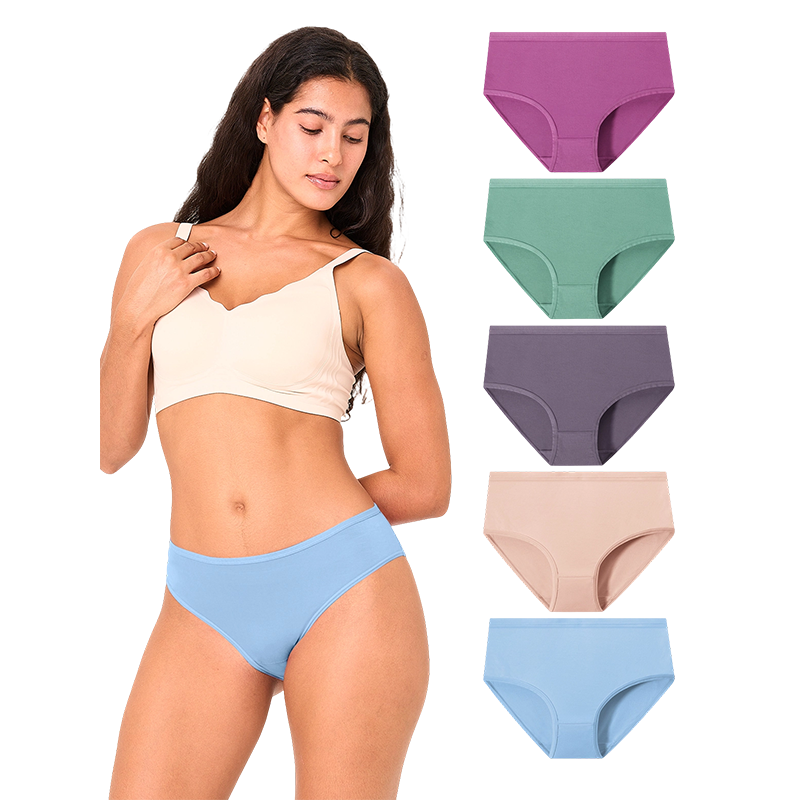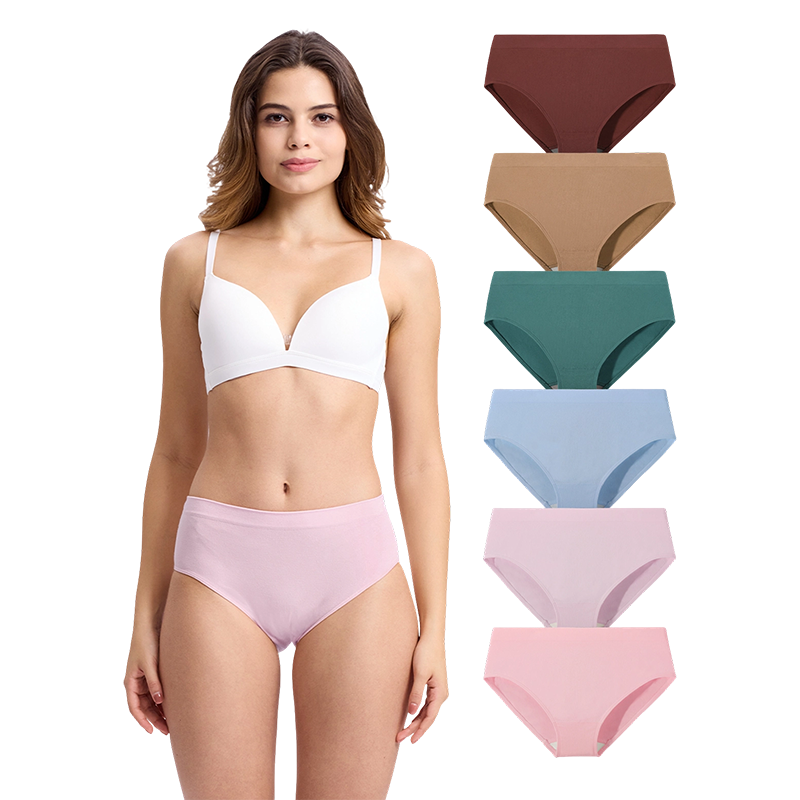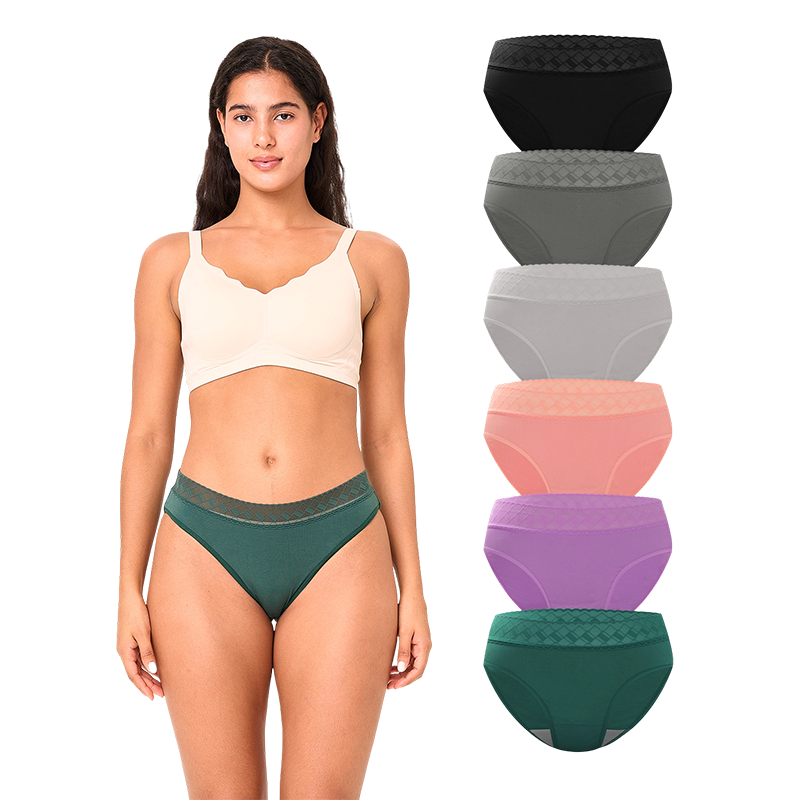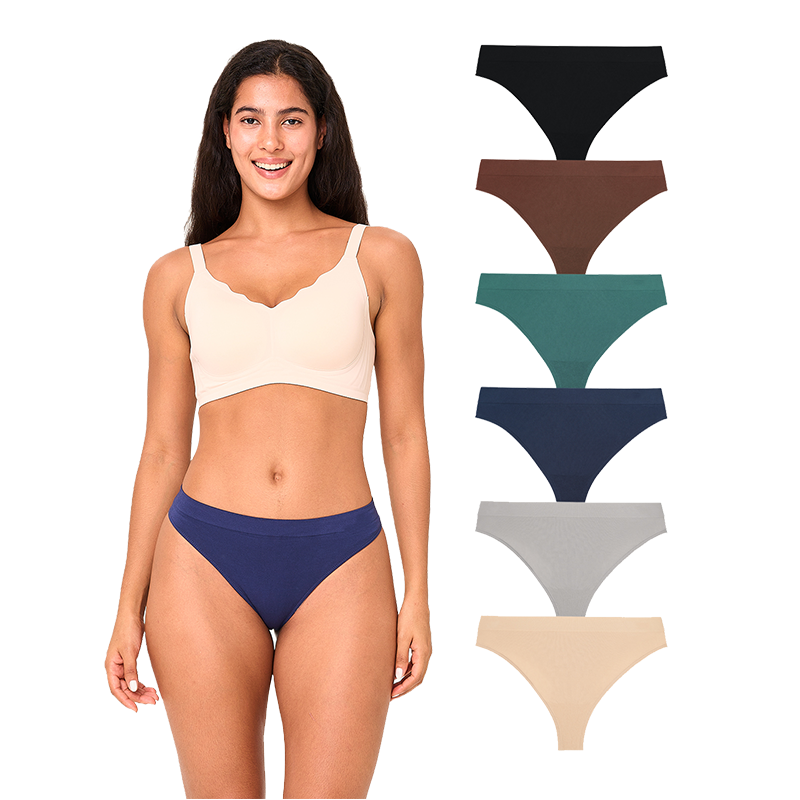
Content
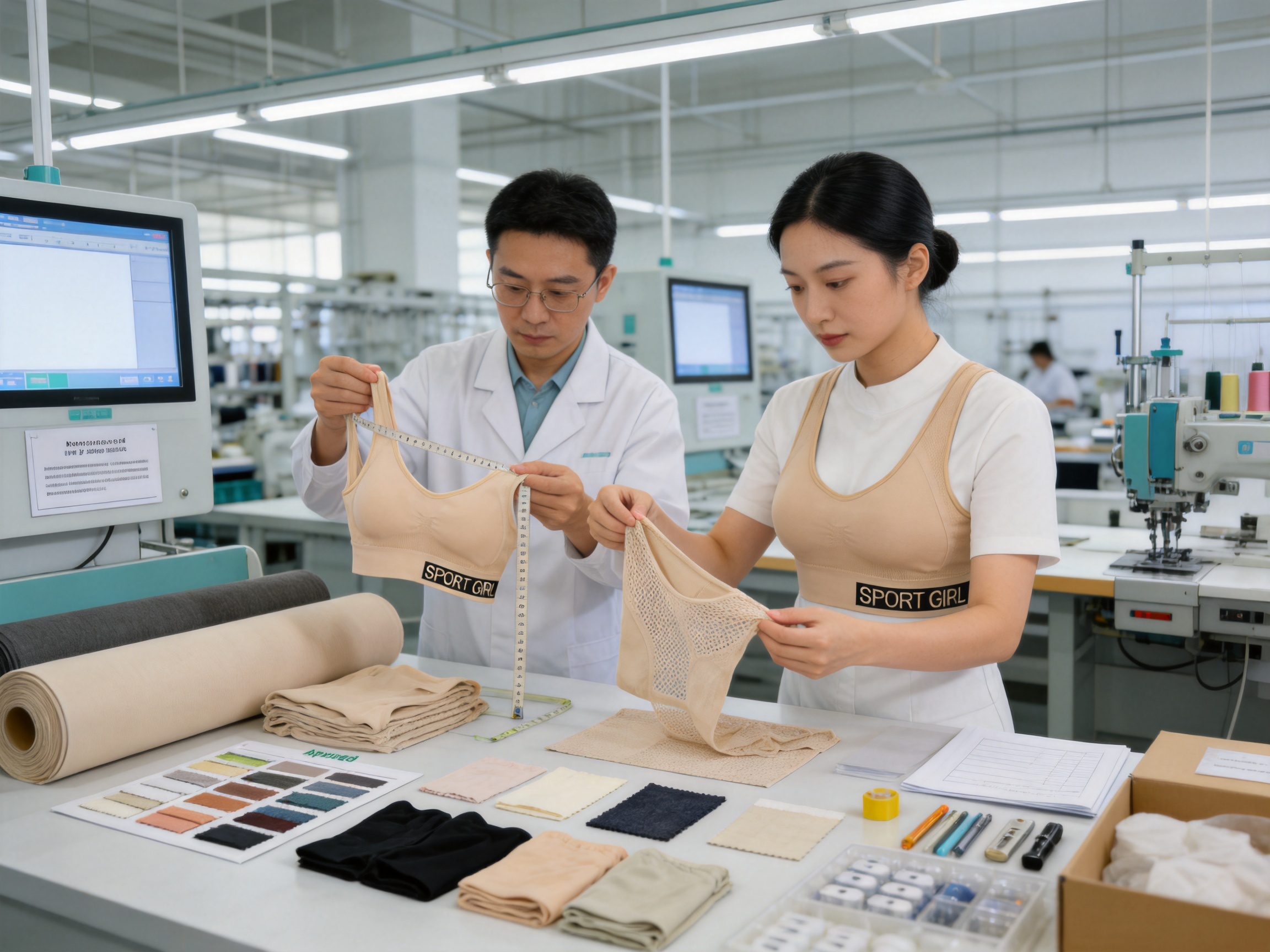
Quick Answer: A high-quality sports and running bra should keep perspiration under control, reduce chafing, provide stable support, and allow unrestricted movement. Seamless construction, breathable moisture-wicking fabrics, a carefully engineered fit, strategic seam placement, and tag-free finishing give active women a more comfortable alternative to ordinary bras. For retailers, private-label brands, and sportswear distributors, working with an experienced OEM/ODM underwear manufacturer can also improve material selection, fit development, quality consistency, customization, and supply-chain traceability.
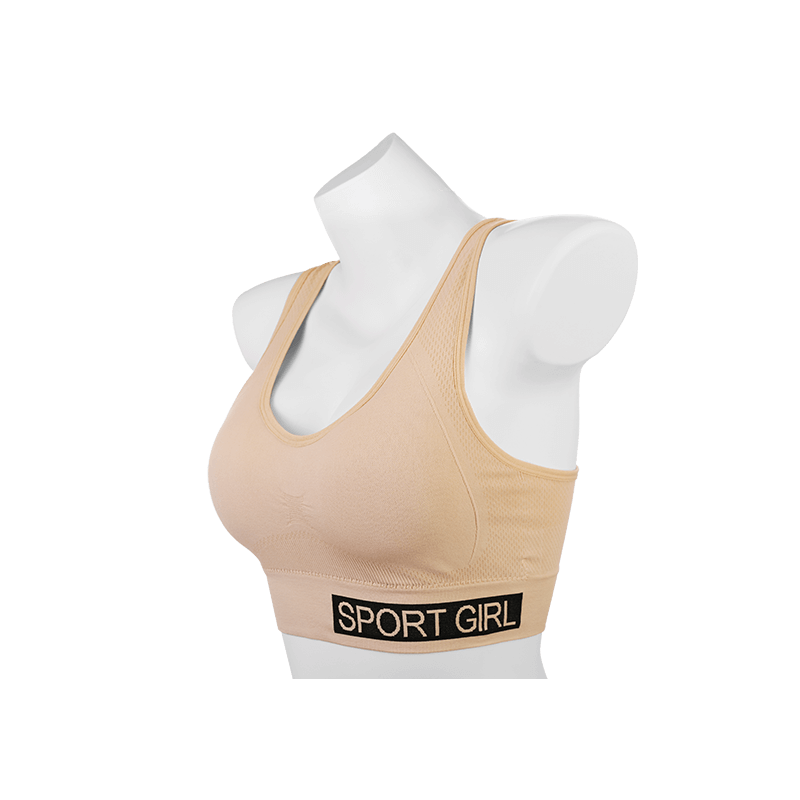
Sports & Running Bras are designed for women who need more than everyday comfort. They must remain secure during repeated movement, manage heat and moisture during exercise, reduce pressure points, and maintain their shape after regular washing. The best designs combine functional textiles with a precise construction process, producing a Women's Seamless Bra that feels supportive without becoming restrictive.
This article explains how premium sports and running bras are designed, what separates them from lower-cost competitors, how a manufacturer can support custom development, and what buyers should check before placing an OEM or ODM order.
An ordinary bra is usually designed for daily wear, appearance, and moderate support. A sports and running bra must address a different set of conditions. During running, interval training, aerobics, cycling, court sports, or gym workouts, the body experiences repetitive vertical movement, lateral movement, heat accumulation, and increased perspiration. The garment must respond to these forces while remaining comfortable against sensitive skin.
Support is only one part of the performance equation. A bra may offer firm compression but still perform poorly if the fabric traps heat, the underband rolls, the straps dig into the shoulders, or the seams rub during a long workout. A premium product treats comfort, moisture management, movement control, durability, and appearance as connected design requirements.
Seamless construction is particularly useful for active underwear because it can reduce bulky joins and minimize hard edges. When combined with appropriate knitting or fabric-forming techniques, seamless panels can follow the body more smoothly than conventional multi-piece construction. The result is a clean profile under sports tops and a lower risk of irritation during repeated movement.
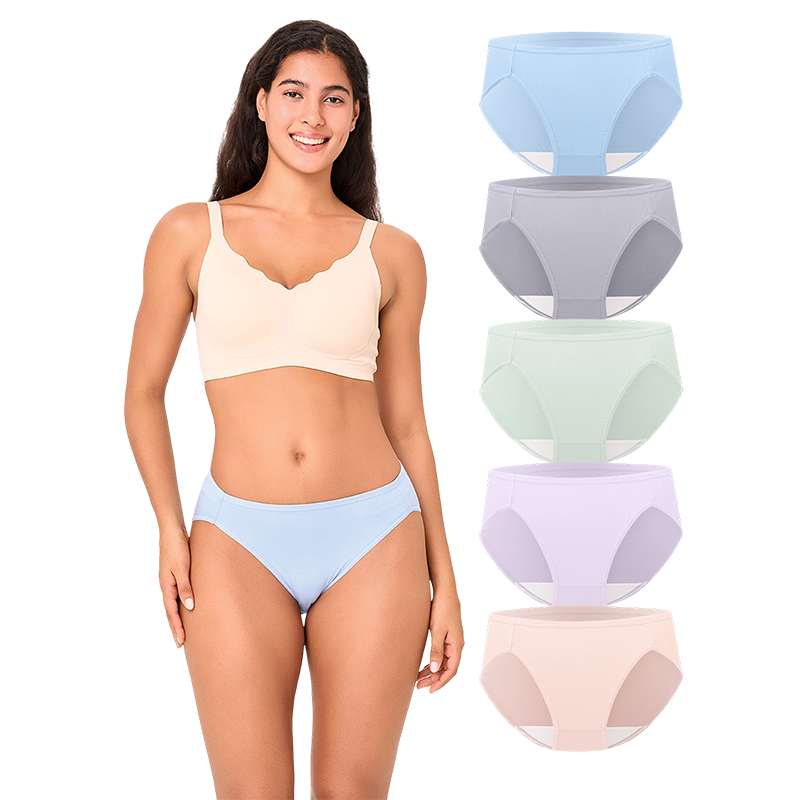
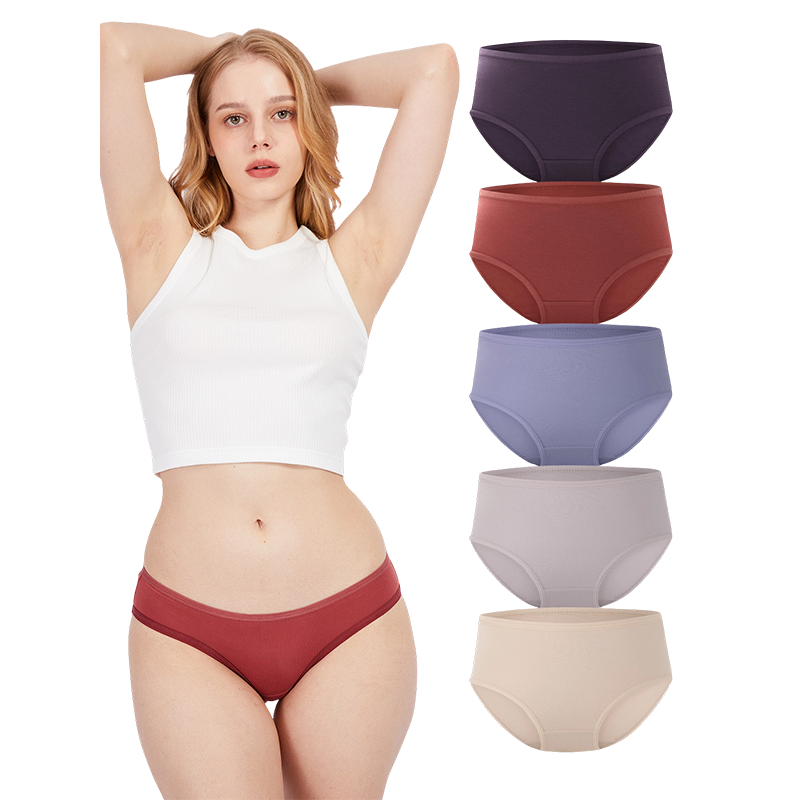
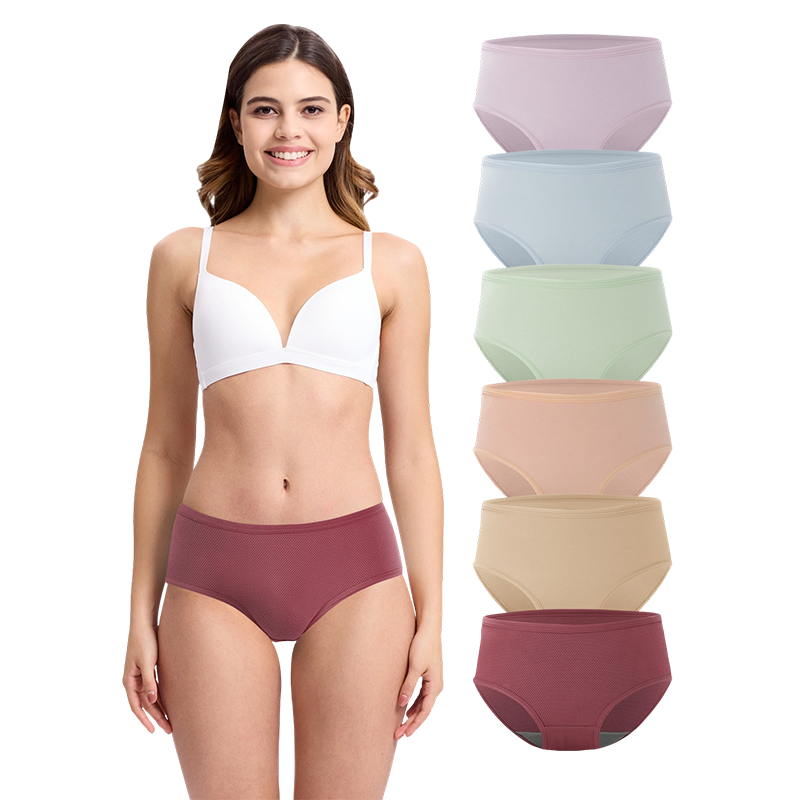
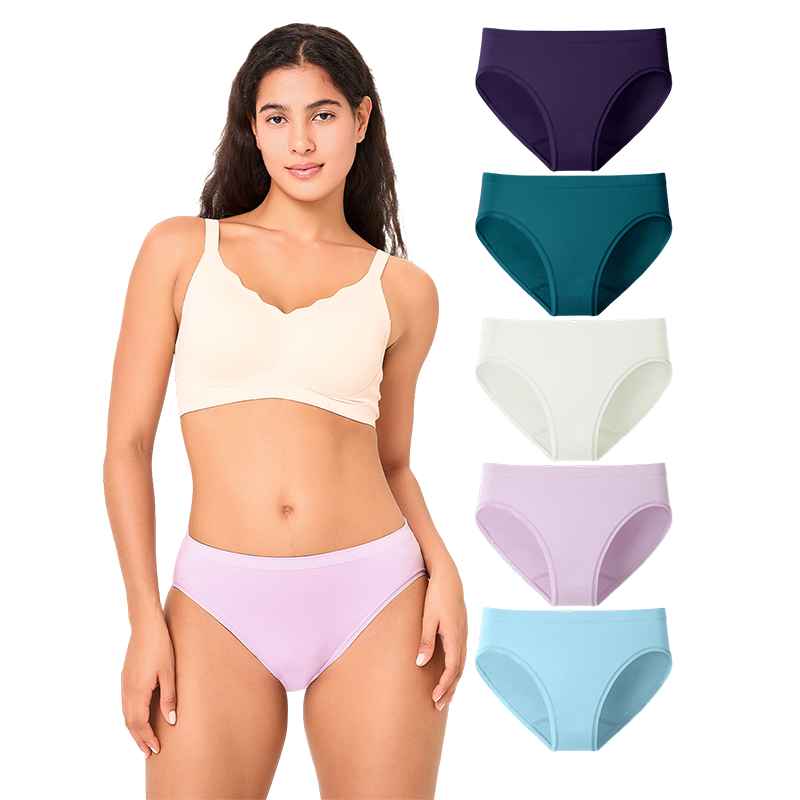
The product described here uses advanced moisture-wicking fabrics to move perspiration away from the skin. Breathable materials help regulate temperature, while a tailored fit provides stability without unnecessarily restricting mobility. Strategic seam placement and the absence of irritating tags support a smoother next-to-skin experience.
Buyer’s takeaway: The strongest product specification is not simply “high support.” A reliable sports bra specification should define fabric performance, stretch recovery, breathability, support level, seam comfort, size grading, wash durability, and quality-control requirements.
Moisture-wicking materials help move perspiration away from the skin, supporting a drier and more comfortable feel during training and competition.
Air-permeable fabric zones and suitable fiber selection help reduce heat buildup during exercise, especially around the back and underbust.
A shaped fit, supportive underband, controlled stretch, and appropriate coverage help limit unwanted movement without creating excessive pressure.
Strategic seam placement, smooth finishing, and tag-free labeling reduce common sources of rubbing and discomfort.
Perspiration is unavoidable during exercise, but the way a garment handles moisture affects comfort, skin feel, and perceived product quality. Fabrics that absorb and hold sweat close to the body can become heavy, clingy, and slow to dry. A moisture-wicking sports bra is designed to transfer liquid from the inner surface toward the outer surface, where it can spread and evaporate more efficiently.
The ideal fabric choice depends on the intended market, activity level, price position, and sustainability goals. Synthetic performance fibers may offer fast drying, resilient stretch, and consistent recovery. Cellulosic and natural-fiber blends may provide a softer hand feel and support a sustainability-oriented product story when properly engineered. The manufacturer’s role is to match the material system to the final use rather than selecting a fabric based only on appearance or initial cost.
Moisture management should be evaluated after repeated washing, not only on a new sample. Fabric finishing, yarn quality, knitting density, and garment construction can all affect long-term performance. Brands should request testing or production validation that reflects the care instructions intended for the final product.
Breathability is important in areas where heat and moisture collect, including the center back, underbust, and side panels. A breathable sports bra allows air exchange while retaining enough structure for support. This balance is more difficult than simply using a loose or lightweight material. Excessive openness can reduce stability, while overly dense fabric can feel hot during high-intensity activity.
Manufacturers can create breathable performance zones through knit structure, panel mapping, material selection, or a combination of these methods. More supportive areas may use firmer construction, while ventilation zones can be engineered where the body produces more heat. This type of zoning improves function without making the entire garment bulky.
Temperature comfort also depends on fit. A garment that is too tight may restrict air circulation and create pressure hotspots. A garment that is too loose may shift during movement and cause rubbing. Accurate measurements, well-developed patterns, and practical wear testing are essential.
Support requirements vary by activity and wearer. A bra for yoga or low-impact stretching may prioritize softness and freedom of movement. A running bra needs stronger control because repetitive impact can create discomfort and fatigue. A product intended for mixed training should provide a balanced support level that works across several activities.
Support can come from the underband, shoulder straps, front and back shaping, fabric compression, cup construction, and overall coverage. These elements must work together. An excessively tight underband may create pressure while failing to control movement if the cups or upper section are poorly shaped. Similarly, thick straps alone do not guarantee a stable fit.
A seamless design can distribute tension across a broader area rather than concentrating it at a few stitched joints. The garment should return to its intended shape after stretching. This is where fiber elasticity, knitting technique, fabric weight, and finishing quality become important.
Chafing often begins with small construction details. A hard seam allowance, rough label, exposed thread, or uneven edge may be tolerable for a short period but become irritating during a long run. Premium sports and running bras address these issues through carefully positioned seams, clean internal finishing, and printed or integrated care information where appropriate.
Strategic seam placement does not mean eliminating every seam in every design. Some seams may be needed for shaping, support, or panel control. The objective is to place them away from high-friction zones and ensure that their construction remains smooth against the skin.
Tag-free finishing is also useful for customers with sensitive skin or those who wear the product for extended periods. A label solution should remain legible, durable, and comfortable after washing. The chosen method should be checked for compatibility with the fabric and the brand’s care-label requirements.
Sports bras in the market range from basic stretch tops to technically engineered performance garments. Price alone does not reveal the difference. Buyers should compare construction, fabric behavior, fit consistency, and manufacturing controls.
| Evaluation Area | Basic Sports Bra | Premium Seamless Sports & Running Bra | What Buyers Should Verify |
|---|---|---|---|
| Moisture handling | May rely on ordinary stretch fabric with limited drying performance. | Uses moisture-wicking materials selected for exercise and perspiration management. | Fabric composition, drying behavior, and performance after washing. |
| Breathability | May use one uniform fabric structure throughout the garment. | Can combine breathable zones with supportive areas for more balanced comfort. | Airflow around the back, underbust, and side panels. |
| Movement stability | Support may depend mainly on tightness. | Support is developed through fit, stretch control, coverage, and construction. | Wear testing during running, jumping, and repeated arm movement. |
| Skin comfort | Labels, seams, or raw edges may create friction. | Strategic seams and tag-free finishing reduce irritation risks. | Internal inspection and extended wear evaluation. |
| Shape recovery | Lower-grade elastane or inconsistent construction may lead to sagging. | Material and production controls are selected to preserve fit over time. | Stretch-recovery testing and laundering trials. |
| Customization | Limited color, size, labeling, or packaging options. | OEM/ODM development can support customized fabrics, fit, branding, and packaging. | Sampling process, minimum order quantities, and development support. |
| Supply-chain transparency | Information about material origin and factory practices may be limited. | Can be supported by documented sourcing and recognized social or textile certifications. | Valid certificates, traceability records, and production documentation. |
The most important competitive advantage is consistency. A prototype can feel comfortable, but a commercial program must reproduce the same fit, color, stretch, stitching quality, and moisture performance across large quantities. This is where an established manufacturer can provide more value than a trading supplier with limited control over production.
Fabric is the foundation of performance. The correct material should support the product’s intended use, target customer, retail price, brand positioning, and care requirements. A sports and running bra may use one primary fabric or a combination of structures for different functional zones.
Performance fibers are often selected for their ability to dry quickly, maintain stretch, and resist deformation. Fiber fineness, yarn construction, knitting density, and finishing treatment influence how the fabric feels and performs. A fabric can be described as moisture-wicking, but buyers should still request practical test information or sample validation.
For running products, fast drying can be especially important because the garment may be worn for extended periods and exposed to repeated perspiration. For studio or lifestyle products, softness and visual appearance may receive greater emphasis. The product brief should identify the activity profile before the fabric is finalized.
Breathability and softness improve next-to-skin comfort. A soft fabric is less likely to feel abrasive, but softness should not come at the expense of support. The best result comes from balancing hand feel with recovery, density, and structural stability.
Natural or regenerated fibers may be considered for collections that emphasize renewable or lower-impact materials. Organic bamboo-related textile stories, for example, require accurate claims about the specific fiber, processing route, and certification status. Brands should use approved documentation rather than making broad environmental claims without evidence.
Stretch allows the bra to fit the body and accommodate movement. Recovery enables it to return to its original shape. A garment with good initial stretch but poor recovery may become loose after wear. A garment with insufficient stretch may feel restrictive and create excessive pressure.
Stretch performance should be reviewed in the crosswise and lengthwise directions. The underband often requires controlled elasticity, while the body may need more flexible movement. Different knitting structures can help achieve these goals without adding unnecessary seams or layers.
Color should remain stable through normal care. Dark colors, bright colors, and high-contrast combinations may require special attention during development. Buyers should review colorfastness, shade consistency between production lots, and compatibility with the final care instructions.
A premium product is not complete until its care instructions are practical for the target customer. If the garment requires unusually delicate handling, this should be communicated clearly. The factory and brand should agree on the final care label after testing the actual fabric and finished product.
A reliable sports bra program depends on controlled steps from product brief to shipment. Manufacturing quality is not created at the final inspection alone. It begins with clear requirements and continues through material approval, pattern development, production preparation, in-process control, finishing, and packaging.
The manufacturer first needs to understand the intended market and use case. Important questions include whether the bra is designed for low, medium, or high-impact exercise; whether it will be sold as a standalone garment or part of a coordinated collection; which sizes are required; what level of coverage is expected; and whether the brand needs sustainable material options.
A useful brief should define the target customer, support level, neckline, back design, strap structure, underband width, color range, logo placement, packaging requirements, and expected retail positioning. It should also identify any regulatory, labeling, or certification requirements that apply to the destination market.
Material candidates are reviewed for composition, weight, stretch, recovery, softness, breathability, and appearance. The manufacturer can recommend suitable options based on product goals and price requirements. Several sample fabrics may be compared before the final selection is approved.
For buyers seeking an organic bamboo underwear or premium breathable underwear collection, the material discussion should include fiber claims, certification documentation, dyeing, finishing, and supply-chain records. The phrase “organic” should be used only when the relevant material and certification requirements are satisfied.
Pattern development determines how the bra sits on the body. The development team reviews bust coverage, underbust tension, strap placement, armhole comfort, side stability, back support, and movement clearance. The pattern is then adjusted through sample fittings and wear feedback.
Fit should be evaluated across the complete size range rather than simply enlarged from one base size. Grading must account for differences in body proportion, bust volume, underbust measurement, strap length, and support requirements. A product that fits one sample size well may not perform equally across all sizes without careful grading.
Seamless production can reduce the number of conventional joins and create a smoother silhouette. However, seamless does not mean the product requires no engineering. The fabric structure must provide enough control in the support areas while retaining flexibility in movement zones.
Where seams are necessary, they should be placed with comfort and function in mind. Underarm areas, shoulder points, side panels, and the underbust deserve particular attention because they can experience repeated pressure and friction. Internal surfaces should be checked for rough edges, loose threads, bulky overlaps, and exposed components.
Prototypes should be tested for more than visual appearance. Wear trials can reveal rolling underbands, strap slippage, excessive compression, insufficient coverage, heat buildup, and movement-related chafing. Different activities may expose different weaknesses, so a running bra should be tested during running or comparable repetitive movement.
Wash testing is also important. The prototype should be laundered according to the intended care instructions and then reviewed for shrinkage, color change, pilling, elastic recovery, seam stability, print durability, and overall shape. Revisions should be documented so that approved specifications remain consistent during production.
Before bulk production begins, the manufacturer should confirm the approved sample, measurement chart, grading rules, material lot, color standard, artwork, label information, packaging, and inspection requirements. A clear approval record reduces the possibility of differences between the development sample and the shipment.
Production planning should also consider capacity, lead time, raw material availability, and the order’s size and color breakdown. Early communication is especially useful for custom collections because special yarns, dyed colors, branded labels, and packaging materials may require additional preparation.
Quality checks during production can identify problems before they spread across the full order. Inspectors may review measurements, fabric defects, shade consistency, seam appearance, logo placement, label position, strap symmetry, and finishing quality. Early correction is generally more efficient than sorting a completed shipment.
For a performance garment, quality control should also consider functional details. The underband should maintain consistent tension, the stretch zones should be correctly positioned, and the garment should not contain components that could irritate the wearer. The inspection plan should reflect the product’s specific risk points.
Final inspection verifies that finished goods meet the approved standards. Depending on the customer’s requirements, inspection may include measurements, appearance, workmanship, labeling, packaging, quantity, carton condition, and sampling against agreed acceptance criteria.
Products should be packed in a way that protects color, shape, and cleanliness during storage and transport. Folding, individual bags, cartons, size labels, and outer marks should match the approved packaging specification.
Sports & Running Bras
Private-label and branded underwear buyers often need more than a ready-made product. They may require a new fabric, a modified back design, a different support level, an expanded size range, custom colors, branded labeling, retail packaging, or a coordinated underwear collection. OEM and ODM capability makes these changes more manageable when the supplier has product-development and production experience.
OEM services typically involve producing a buyer’s design according to supplied specifications. ODM services may include greater support with design concepts, fabric selection, pattern development, construction, and product refinement. The exact scope varies by project, so buyers should ask for a written description of what the factory will provide.
A manufacturer with in-house or closely coordinated product-development resources can help identify practical solutions to design problems. For example, a buyer may want a minimal seamless appearance but also need stronger running support. The development team can explore fabric zoning, underband structure, coverage, or back-panel changes instead of relying on a single feature.
Technical collaboration can shorten the process of turning a concept into a production-ready item. It also helps ensure that the design is suitable for the available machinery, materials, quality standards, and target cost.
Customization may include fiber composition, color, size range, logo application, labels, packaging, support level, neckline, strap width, and back shape. The manufacturer should explain which options are available at different order quantities and which changes require new development.
Buyers should be cautious about approving too many custom features without understanding their effect on cost and lead time. A practical development plan separates essential performance requirements from optional decorative details.
An established supplier serving customers in Europe, North America, and China is more likely to understand the need for consistent documentation, clear approvals, export coordination, and product specifications. International experience does not replace buyer due diligence, but it can make communication and order management more efficient.
Professional communication should cover sample approval, measurement tolerances, color standards, testing expectations, production timing, packaging, and shipment documents. These details are especially important when the buyer is building a product line rather than ordering a single stock style.
Nantong Tianhong Textile Technology Co., Ltd. states that its products and operations are associated with certifications and standards including FSC, OCS, OEKO-TEX 100, GOTS, WRAP, and BSCI. These standards address different areas, so buyers should request current certificates and verify their scope, validity, certificate holder, and applicable product or facility.
Certification should be treated as supporting evidence rather than a substitute for product testing. A textile certification may address fiber content, processing, chemical restrictions, environmental criteria, or social compliance, while a finished-product performance test may address moisture management, colorfastness, stretch recovery, or dimensional stability.
Traceable supply-chain management is valuable for brands that need to document material origin, responsible sourcing, and production stages. It can also support more accurate product claims and improve internal control as the brand expands.
Buyers can use the following checklist during sampling, factory review, and pre-shipment inspection. The exact test method should be agreed with the manufacturer and adapted to the product specification.
| Quality Category | Questions to Ask | Recommended Review Point |
|---|---|---|
| Fabric composition | Does the actual fabric match the approved composition and weight? | Material approval and bulk fabric inspection. |
| Moisture management | Does the fabric move perspiration away from the skin and dry at an acceptable rate? | Development testing and periodic production verification. |
| Stretch recovery | Does the bra return to its intended shape after repeated stretching? | Prototype testing and finished-garment evaluation. |
| Fit and measurements | Are the bust, underbust, strap, length, and width measurements within tolerance? | Pre-production sample and final inspection. |
| Support | Does the garment remain stable during the intended exercise level? | Wear testing with representative users or trained evaluators. |
| Seam comfort | Are seams smooth, correctly positioned, and free from irritating edges? | Inside-out inspection and extended wear testing. |
| Colorfastness | Does the color remain stable after washing, rubbing, and perspiration exposure? | Laboratory or agreed internal testing. |
| Labeling | Are fiber content, care information, size, origin, and branding accurate? | Artwork approval and final inspection. |
| Packaging | Are folding, bags, cartons, barcodes, and shipping marks correct? | Packing approval and container loading review. |
A buyer should also define acceptable tolerances before production. Without a measurement tolerance, two parties may have different interpretations of what qualifies as an acceptable size difference. Without a color standard, a shade variation may become difficult to resolve after bulk dyeing.
Low-impact activities such as stretching, Pilates, gentle yoga, and light mobility work generally require softness, flexible movement, and light to moderate support. A seamless bra with a smooth neckline and comfortable straps may be suitable. Breathability remains useful, but excessive compression may reduce comfort during floor-based exercises.
Strength training, indoor cycling, dance fitness, hiking, and moderate gym workouts require more stability. The design should resist shifting when the wearer bends, reaches, or changes direction. A supportive underband, moderate coverage, and controlled stretch can provide a reliable balance.
Running creates repeated vertical movement and can expose weaknesses in fit quickly. High-impact designs usually require stronger movement control, stable straps, a secure underband, and coverage that remains reliable throughout the stride. Moisture management and chafe reduction become particularly important because running sessions may last for extended periods.
A running bra should not be made “supportive” simply by reducing the size or increasing tightness. Excessive compression can cause discomfort, restricted breathing, and pressure around the ribcage. Support should come from coordinated construction and accurate sizing.
Brands seeking broad commercial appeal may develop a collection with several support levels rather than one universal style. A light-support seamless bra can target studio and lifestyle use, while a reinforced version can address running and intense training. Shared colors, labels, and design details can create collection continuity.
A strong product brief reduces revisions and gives the factory a clear target. It should be specific enough to guide development while allowing the manufacturer to recommend practical improvements.
State who will wear the bra and how it will be used. Include activity type, expected wear duration, climate, layering, and customer preferences. A hot-weather running collection may prioritize airflow and rapid drying, while a winter training layer may need more coverage and warmth.
Describe the desired support level, neckline, back coverage, strap configuration, cup shaping, and underband design. Reference images can help communicate visual direction, but technical measurements are needed for production.
List the preferred fiber type, stretch range, hand feel, weight, moisture-wicking expectations, breathability requirements, sustainability goals, and color range. If organic bamboo underwear or another certified material is required, specify the documentation needed before approval.
Provide target sizes and any relevant body measurements. Discuss whether the product will use conventional alpha sizing, numeric sizing, or a bra-specific size system. Size grading should be reviewed during sample fitting rather than accepted automatically.
Identify logo placement, label type, care information, hangtags, individual packaging, barcode requirements, carton marks, and language requirements for the destination market. Tag-free construction should be considered at the same time as brand labeling because the chosen method affects comfort and durability.
Define which tests are required, who pays for them, what constitutes approval, and how revisions will be recorded. Approval gates may include fabric approval, color approval, fit approval, pre-production sample approval, and final inspection approval.
Sustainable underwear development requires attention to the entire product system. Fiber choice matters, but so do dyeing, finishing, durability, packaging, production efficiency, worker conditions, and end-of-life considerations.
Longer-lasting garments can reduce replacement frequency and improve the practical value of the product. Durability should therefore be included in the sustainability discussion. A bra that loses support or shape after a small number of washes may create more waste than a well-made product with a higher initial cost.
Natural and certified fibers can support a responsible sourcing strategy when their claims are accurately documented. Brands should distinguish between a fiber being plant-derived, a product being certified organic, and a facility meeting a social-compliance standard. These are separate statements and should not be combined carelessly.
Packaging can also be reviewed. A brand may reduce unnecessary packaging, select recyclable materials where suitable, and avoid packaging formats that damage the product or create excessive waste. Any change should preserve hygiene, protection, labeling accuracy, and customer presentation.
Supply-chain traceability helps a brand understand where materials come from and how products move through production. Nantong Tianhong describes a focus on traceable supply-chain management and environmentally friendly functional fabrics. Buyers should discuss how this information is recorded and what documentation can be provided for each order.
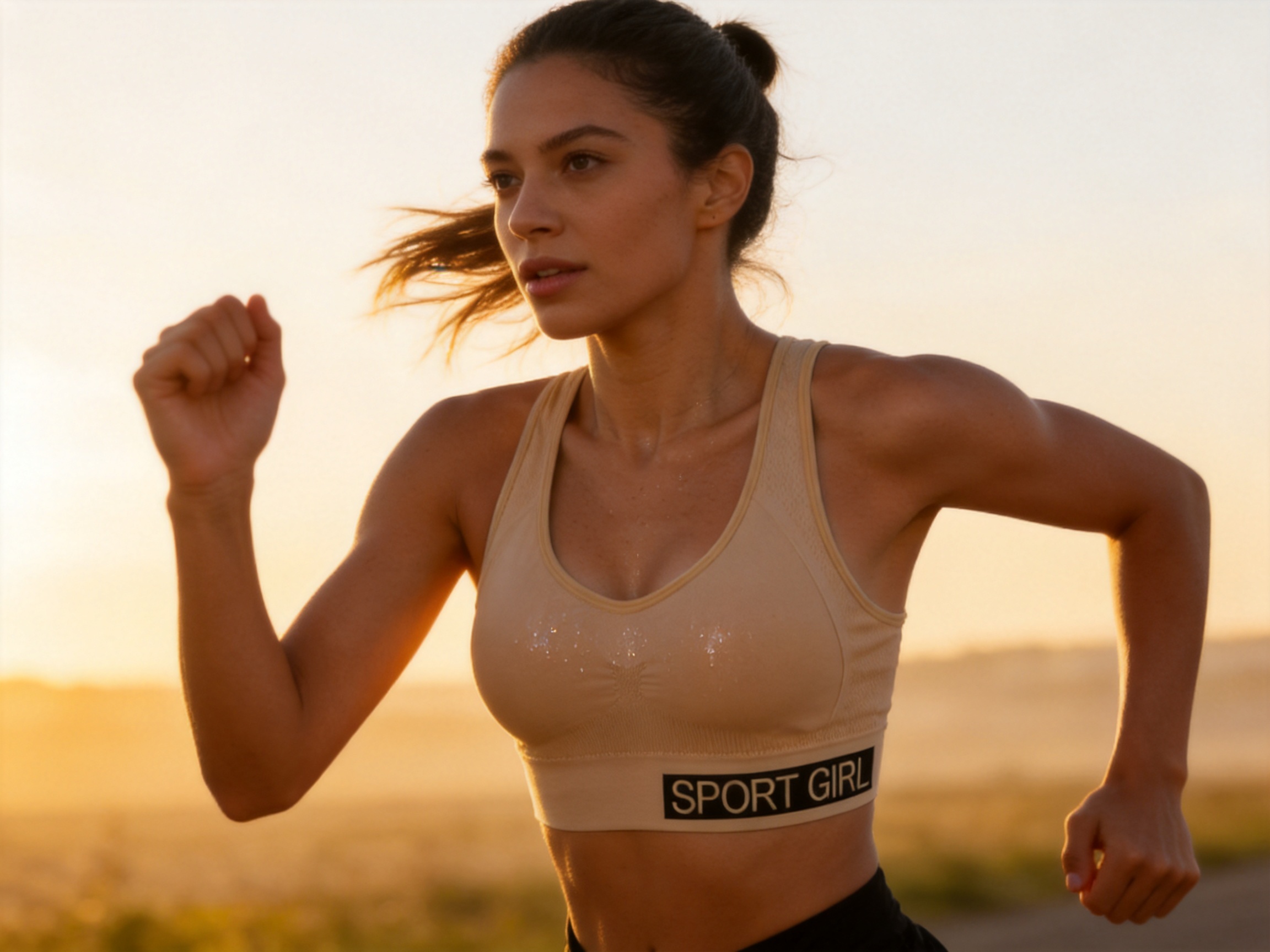
An underband may roll because it is too narrow, too soft, incorrectly tensioned, or poorly matched to the body shape. The garment may also be too small, causing the band to fold under pressure. Solutions can include adjusting band width, improving elastic control, revising the pattern, changing the fabric structure, or reviewing the size chart.
Strap slippage can result from incorrect placement, insufficient adjustment, excessive stretch, or a mismatch between the back design and the wearer’s body. The solution may involve changing the strap angle, using a different back configuration, increasing adjustment range, or revising the grading rules.
Heat buildup may be caused by dense construction, low air permeability, excessive lining, or a fit that is too tight. Breathable zones, lighter structures, moisture-wicking materials, and improved pattern balance can help. The product should be tested under the climate and activity conditions expected by the target customer.
Chafing may occur at the underarm, underbust, shoulder, side seam, or neckline. Inspect the internal construction, seam position, edge finishing, label method, and fabric hand feel. The bra should be tested for an extended period rather than judged only after a short fitting.
Size inconsistency can arise from inaccurate grading, fabric variation, different production tension, or incomplete measurement standards. A complete size chart, approved tolerances, controlled materials, and measurements taken at defined points can improve consistency.
Shape loss may reflect weak recovery, unsuitable care instructions, excessive heat, poor elastic quality, or inadequate construction. Wash testing should be performed before bulk approval, and the care label should reflect the actual behavior of the finished garment.
The manufacturer should be able to discuss differences between low-, medium-, and high-impact designs. Ask how support will be created and what testing will be used to evaluate movement stability.
Request information about base-size fitting, grading, measurement tolerances, sample revisions, and wear testing. A good answer should address more than simply increasing measurements proportionally.
Ask for current certificates and confirm whether they apply to the factory, material, product, or social-compliance program. If the product will use organic or recycled claims, request documentation that supports the exact claim.
Clarify whether the supplier provides fabric recommendations, pattern development, samples, labels, packaging, testing coordination, production inspection, and export support. Written responsibilities prevent misunderstandings later.
A sports and running bra is engineered for movement, perspiration, and repeated impact. It normally uses more controlled stretch, stronger movement stability, breathable or moisture-wicking materials, and construction details intended to reduce chafing. An everyday bra may prioritize appearance and light support but may not manage the demands of running or intensive training.
Yes, a well-engineered seamless bra can be suitable for running. It should still provide enough support, coverage, stretch recovery, and underband stability for the wearer’s activity level. “Seamless” by itself does not guarantee high-impact performance; the fabric structure, fit, and construction must be evaluated together.
Moisture-wicking fabrics help move perspiration away from the skin and support faster evaporation. This can reduce the wet, heavy feeling that develops during exercise. Moisture management also contributes to comfort by helping reduce prolonged dampness and friction.
The underband should feel secure without causing painful pressure or restricting comfortable breathing. The cups or front section should provide appropriate coverage without spilling or excessive compression. Straps should remain in place without digging into the shoulders. The bra should stay stable during the intended movements, and the wearer should not experience sharp rubbing or concentrated pressure points.
Buyers should review appearance, measurements, stretch, recovery, moisture handling, breathability, support, strap stability, underband behavior, seam comfort, label comfort, colorfastness, and wash durability. Testing should reflect actual use, including running or other repeated movement if the product is marketed for those activities.
OEM and ODM programs can usually address customization such as fabrics, colors, sizes, labels, logos, packaging, support level, and design details. Available options depend on the factory’s capabilities, order quantity, material availability, and development requirements. Buyers should request a detailed customization plan before sampling.
A responsible program may include certified or documented fibers, traceable sourcing, controlled chemical use, efficient production, durable construction, suitable packaging, and social-compliance measures. No single material or certificate covers every sustainability question, so the buyer should review the complete product and supply-chain plan.
Review company history, factory or production information, certifications, sample quality, communication, development process, inspection procedures, customer references where available, and the clarity of commercial documents. A small pilot order may also help evaluate consistency before a larger launch.
Natural or regenerated fibers can be considered when their softness, breathability, moisture behavior, stretch, and durability match the intended use. Sports bras require reliable recovery and support, so fiber selection should be evaluated as part of a complete fabric system rather than based on fiber origin alone.
The specification should include fabric composition, weight, color standards, size chart, measurement tolerances, construction details, support level, logo and label artwork, care instructions, packaging, testing requirements, inspection standards, delivery terms, and approval procedures.
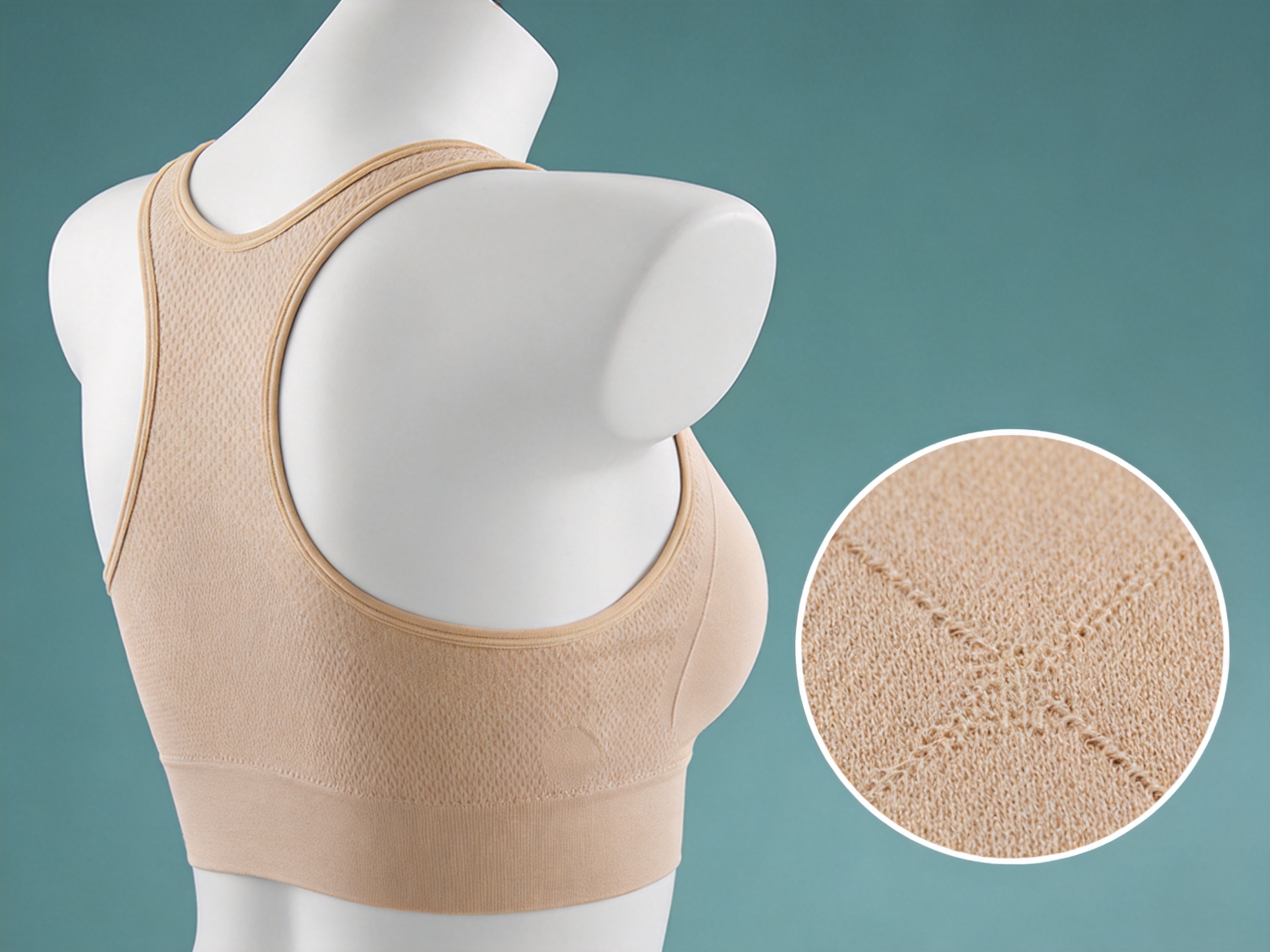
A premium sports and running bra can help a brand occupy a stronger position than a basic underwear supplier. Functional details give sales teams clear product benefits to communicate: moisture management, breathable comfort, stable support, smooth construction, and freedom of movement.
These benefits can support several sales channels. Sportswear retailers may present the bra as part of a performance collection. Lingerie retailers may position it as a comfort-focused seamless option. Online sellers can use fit information, activity guidance, fabric details, and care instructions to help customers choose more confidently.
A manufacturer that can develop matching underwear products may also help brands create coordinated collections. Sports briefs, seamless underwear, base layers, lounge products, and everyday essentials can share fabric stories, colors, packaging, or certification goals. Collection development can improve merchandising consistency and reduce the need to coordinate multiple suppliers.
For distributors, reliable quality and repeatable production are central commercial concerns. A product that performs well in its first shipment but changes significantly in later orders can create returns, customer complaints, and inventory problems. Clear approvals and controlled production reduce this risk.
Nantong Tianhong Textile Technology Co., Ltd. was established in 2001 and is located in Nantong, Jiangsu, China, a major textile production area. The company specializes in the research, manufacturing, and sales of underwear products and provides OEM/ODM products and services for established labels.
The company describes long-term cooperation with customers in Europe, North America, and China. Its stated capabilities include product research, manufacturing, customized development, sustainable material exploration, environmentally friendly functional fabrics, and traceable supply-chain management.
Its stated certification portfolio includes FSC, OCS, OEKO-TEX 100, GOTS, WRAP, and BSCI. Because each certification has a specific scope, buyers should confirm current documentation for the relevant material, facility, product, and order.
For sports and running bras, these capabilities are relevant because performance underwear requires coordinated decisions across textile selection, product engineering, fit, finishing, quality control, and supply-chain management. A factory that understands the complete process can help buyers move from an initial design idea to a commercially repeatable product.
The company’s location in Nantong also places it within an established textile ecosystem, which can support access to fabric development, garment production, packaging, and related supply-chain resources. Buyers should still evaluate the exact production arrangement for each order and confirm which processes are handled directly or through qualified partners.
Stage 1 — Send the brief: Describe the activity level, target market, size range, materials, design direction, branding, quantity, and delivery expectations.
Stage 2 — Review fabric options: Compare softness, weight, stretch, recovery, moisture management, breathability, color, certification documentation, and target cost.
Stage 3 — Approve the first sample: Review construction and appearance, then conduct a practical fitting and movement assessment.
Stage 4 — Test and revise: Evaluate running or exercise performance, wash durability, colorfastness, shape recovery, and internal comfort. Record all requested changes.
Stage 5 — Confirm the size set: Approve grading and measurements across the full size range, not only the base size.
Stage 6 — Approve pre-production details: Confirm material lot, colors, labels, logos, packaging, care instructions, inspection standards, and delivery plan.
Stage 7 — Monitor production: Use in-process checks to identify material, measurement, workmanship, or branding problems early.
Stage 8 — Complete final inspection: Confirm quantity, appearance, measurements, packaging, labeling, and agreed performance-related requirements before shipment.
This workflow gives buyers practical control without slowing development with unnecessary revisions. It also creates a record that can be used when repeating the style or expanding the collection.
When selecting a sports and running bra manufacturer, focus on the relationship between product performance and manufacturing control. A soft fabric is not enough if the bra shifts during movement. Strong compression is not enough if the wearer experiences heat and chafing. A sustainability claim is not enough if it cannot be supported by current documentation.
The most competitive Women's Seamless Bra combines moisture-wicking performance, breathable comfort, stable support, a tailored fit, smooth construction, tag-free finishing, and reliable shape recovery. For brands and distributors, the supplier’s development process is just as important as the product description. Material research, fit engineering, sample testing, grading, production inspection, and traceability determine whether the final product performs consistently.
Buyers should begin with a precise brief, request relevant samples and documentation, test the product under realistic conditions, and approve measurable standards before bulk production. This approach supports a better customer experience and gives the finished product a stronger position in the premium breathable underwear market.
1. OEKO-TEX Association. Standard 100: Textile Product Safety and Harmful Substance Testing Principles.
2. Global Organic Textile Standard. GOTS Criteria for Organic Fibers, Processing, Manufacturing, and Social Compliance.
3. Organic Content Standard. Chain-of-Custody and Organic Material Verification Principles.
4. Forest Stewardship Council. FSC Certification and Responsible Fiber Supply-Chain Guidance.
5. Worldwide Responsible Accredited Production. Social Compliance Principles for Responsible Manufacturing.
6. amfori. BSCI Code of Conduct and Responsible Supply-Chain Assessment Guidance.
7. ASTM International. Textile Testing Methods for Dimensional Stability, Colorfastness, Stretch, and Performance Evaluation.
8. International Organization for Standardization. Textiles: General Performance, Care Labeling, and Test Method Guidance.

Copyright © Nantong Tianhong Textile Technology Co., Ltd. All Rights Reserved.
 Room 806, Building D, Jingyang Plaza, Chongchuan District, Nantong City, Jiangsu Province,china


 English
 Español
 русский
 عربى