Content
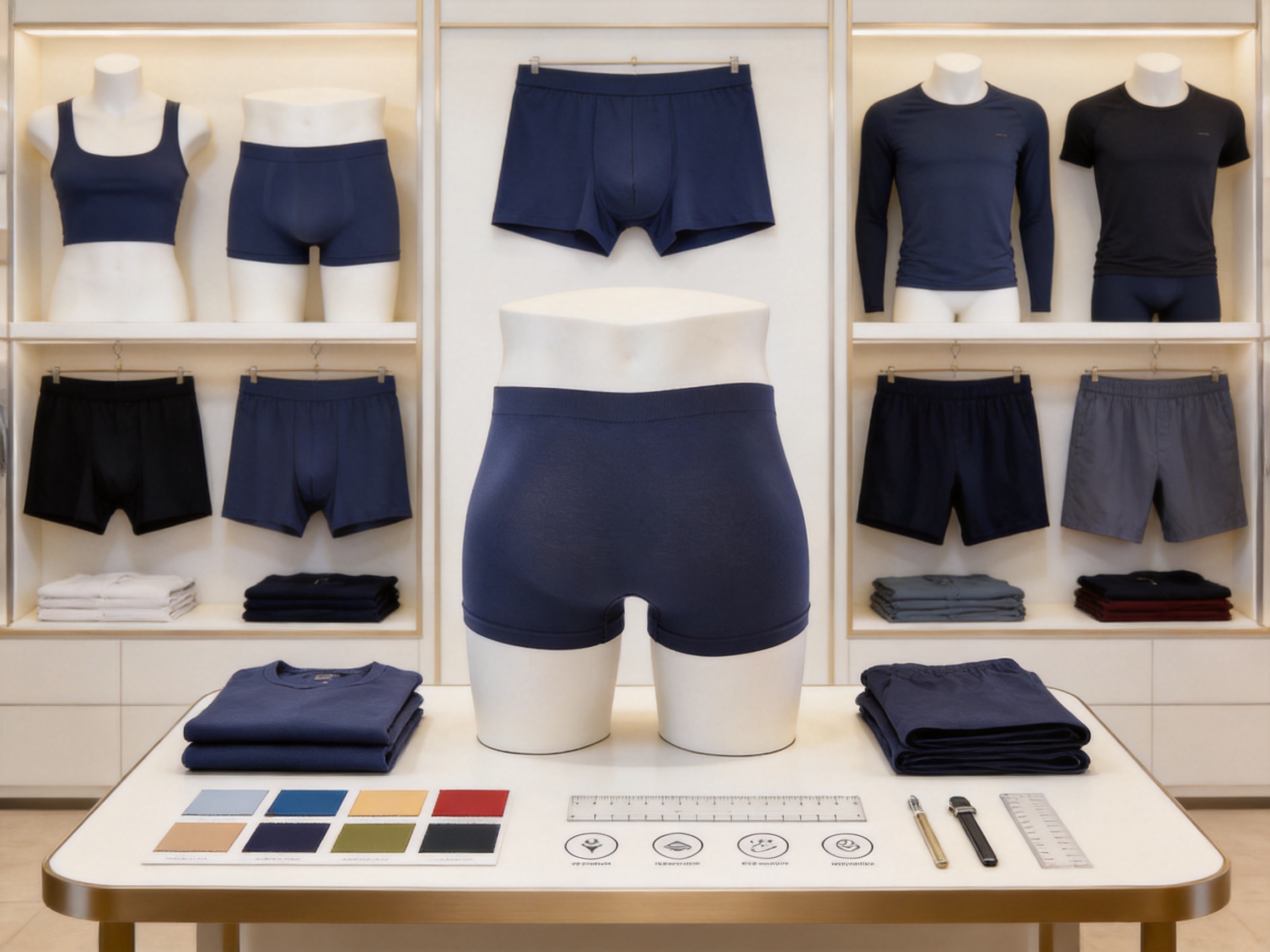
Quick Answer: Premium seamless trunk underwear is a strong choice for men who want smooth comfort, reduced chafing, breathable performance, and a clean appearance under everyday or formal clothing. Its seamless construction minimizes bulky seams and pressure points, while moisture-wicking and ventilated fabrics help the wearer stay cool and dry. For retailers, private labels, and apparel brands, the product becomes more competitive when supported by a capable OEM/ODM manufacturer with fabric expertise, quality-control systems, traceable sourcing, responsible production, and customization options. Nantong Tianhong Textile Technology Co., Ltd. combines underwear manufacturing experience, natural-fiber development, functional fabric research, and international compliance capabilities to support customized seamless trunk underwear programs.
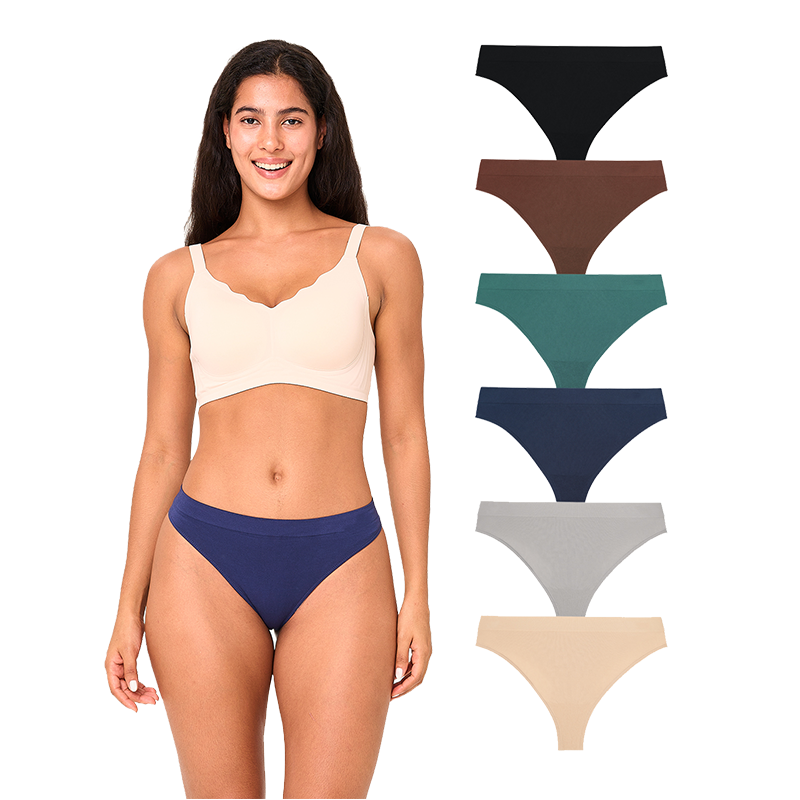
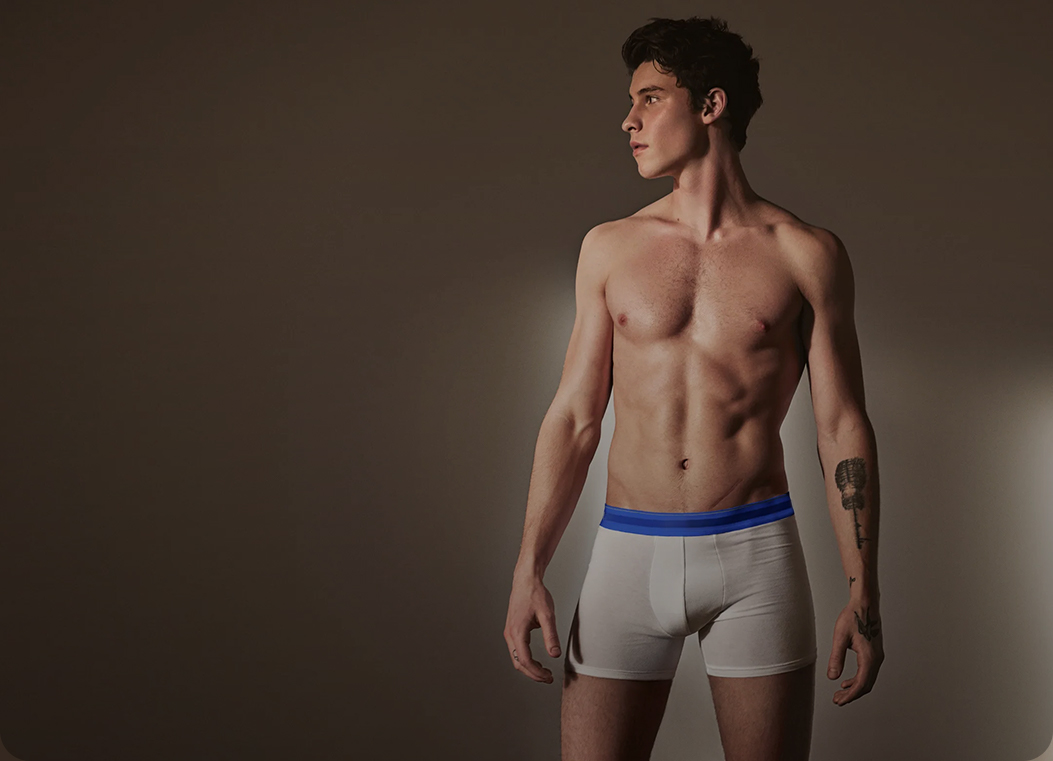
Seamless trunk underwear sits between traditional briefs and boxer briefs. It provides more coverage than a brief while keeping a shorter, closer-fitting silhouette than a long-leg boxer brief. That balance makes it practical for workwear, formal trousers, sports-inspired daily clothing, travel, and regular home use. The best designs do more than remove visible seams. They create a stable fit, control moisture, reduce friction, maintain shape after washing, and use fabric and production methods that match the intended market.
This guide explains how seamless trunk underwear works, which features matter during product development, how it compares with conventional underwear, and what buyers should evaluate when selecting a premium breathable underwear manufacturer.
Traditional underwear is commonly assembled from several cut-and-sew panels. Those panels are joined with side seams, leg seams, waist attachments, and sometimes reinforced stitching around the pouch. This construction can deliver dependable durability, but it may also create raised areas that rub against the skin or become visible beneath close-fitting clothing.
Seamless trunk underwear uses knitting, bonding, carefully positioned finishing, or a combination of these methods to reduce the number of exposed seams. Depending on the specific construction, the product may be made from a tubular knitted body, engineered knitted zones, low-profile bonded panels, or seamless fabric combined with selected stitched components. The goal is not simply to remove every stitch. The goal is to place structure where the garment needs support while keeping contact areas smooth.
A well-developed seamless trunk normally includes several functional areas:
Contoured pouch: Provides comfortable front shaping without excessive compression.
Supportive waistband: Holds the garment in position without digging into the waist.
Close-fitting leg openings: Help prevent riding up while avoiding excessive pressure.
Breathable body fabric: Promotes airflow and supports moisture management.
Stretch recovery: Allows the garment to move with the wearer and return to shape.
Low-profile finishing: Reduces visible lines and uncomfortable ridges under clothing.
The term “seamless” can describe different levels of construction. Buyers should therefore request technical details rather than relying on the label alone. A product with a seamless main body may still have stitched waistbands, gussets, labels, or reinforcement zones. That is not necessarily a weakness. Strategic reinforcement can improve durability. The important questions are whether the finishing is comfortable, whether the seams are positioned away from high-friction areas, and whether the product maintains a clean appearance.
Seams can cause friction when the wearer walks, sits, exercises, or changes position repeatedly. The problem becomes more noticeable when fabric is damp, when clothing is tight, or when underwear is worn for a long working day. A seamless design reduces raised edges and hard seam intersections, creating a smoother interface between fabric and skin.
This advantage is particularly relevant for consumers who spend long hours traveling, working at a desk, standing in retail environments, or moving between indoor and outdoor settings. The design can also benefit people who prefer a clean feel beneath slim trousers and tailored clothing.
Bulky seams may create visible lines beneath lightweight trousers, formalwear, sportswear, and fitted jeans. Seamless construction can reduce these lines by distributing the fabric more evenly around the body. Low-profile leg openings and a smooth waistband further support a discreet appearance.
A smooth appearance does not mean the product should be excessively thin. An overly lightweight trunk may become transparent, lose support, or show fabric distortion after washing. Premium development balances opacity, stretch, coverage, and surface smoothness so that the garment looks refined without sacrificing function.
Trunk underwear must move with the body. A rigid waistband can restrict bending, while tight leg openings can limit movement around the hips and upper thighs. Seamless knitting allows stretch to be engineered into the fabric structure, helping the garment adapt to sitting, walking, climbing stairs, commuting, and light activity.
Four-way stretch is often useful for this category because it supports movement in more than one direction. However, stretch alone does not guarantee comfort. The fabric must also recover after movement. If recovery is weak, the trunk may loosen during wear, roll at the legs, or lose its intended shape.
Breathable underwear must handle heat and perspiration efficiently. Moisture-wicking fibers and ventilated fabric structures can move moisture away from the skin and support faster evaporation. This helps reduce the damp feeling that often develops during warm weather, commuting, travel, and moderate activity.
Moisture management depends on the full product system rather than one marketing phrase. Fiber type, yarn construction, fabric density, knitting pattern, garment fit, finishing treatment, and drying conditions all affect performance. A breathable fabric can still feel uncomfortable if the trunk is too tight or if airflow is blocked by dense, poorly placed panels.
Seamless trunk underwear is versatile because it combines a short-leg shape with a low-profile construction. It can be used for everyday dressing, office clothing, formal events, travel, and relaxed home wear. The same basic product can be developed in different fabric weights and colors to serve multiple consumer segments.
For daily wear, buyers may prioritize softness, durability, and easy care. For formalwear, they may focus on invisibility under trousers and a flat waistband. For warm climates, airflow and moisture control become central. For premium collections, sustainability, natural fibers, responsible production, and traceability may influence the purchase decision.
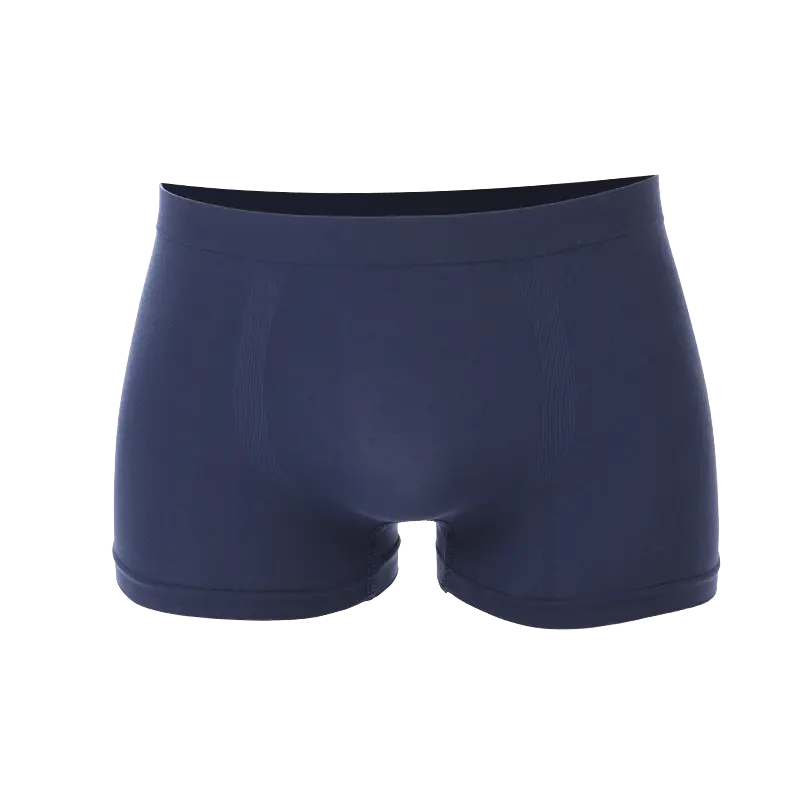
Seamless Trunk Underwear
Fabric choice determines much of the final product experience. A manufacturer should select fibers according to the garment’s intended use, target price, climate, performance expectations, and sustainability position. No single fiber is ideal for every seamless trunk program.
Organic bamboo underwear is frequently selected for its soft hand feel and breathable wearing experience. Bamboo-based fibers can provide a smooth surface, moisture-handling benefits, and a comfortable drape when properly engineered. They are especially attractive to brands positioning underwear around softness, natural-feeling comfort, and environmentally conscious product stories.
Buyers should distinguish between the origin of the raw material and the exact fiber-production method. “Bamboo” may refer to different regenerated cellulosic processes, each with different performance, documentation, and environmental considerations. A responsible supplier should be able to explain the fiber composition, provide relevant certification documentation where applicable, and avoid unsupported environmental claims.
For a bamboo-rich seamless trunk, development teams should test:
Softness after repeated washing.
Dimensional stability and shrinkage.
Stretch recovery at the waist and leg openings.
Colorfastness against perspiration and laundering.
Fabric pilling resistance.
Opacity and coverage under different lighting.
Stretch fibers are commonly added to improve fit and recovery. A suitable blend allows the trunk to follow body movement without becoming loose after a few hours. The correct percentage depends on the fabric structure, target fit, and performance requirements.
Too little stretch can create pressure around the waist, hips, and thighs. Too much stretch can reduce support and make the product feel unstable. The manufacturer should evaluate the finished garment rather than selecting a blend based only on fiber percentages.
Polyamide can provide smoothness, strength, and useful stretch-blend performance. It is often considered for close-fitting underwear that requires a sleek surface and good abrasion resistance. Polyester can support durability, color retention, and moisture-management development, particularly when specialized yarns or finishing methods are used.
These fibers may be suitable for sport-influenced underwear, travel products, or collections requiring strong recovery. Their suitability depends on the brand’s material strategy. A collection focused on natural fibers may use them selectively in elastic components, reinforcement areas, or performance-specific styles.
Many premium underwear products use blended constructions to combine softness, resilience, moisture management, and cost control. The main body may use a soft cellulosic fiber blend, while the waistband or structural zones use a higher-recovery composition. This approach can create a more balanced garment than relying on one material for every component.
The final fabric should be assessed in the form in which customers will buy it: as a finished trunk, not only as a laboratory swatch. Body heat, movement, washing, compression from outer clothing, and daily wear can change how the product feels.
Advanced manufacturing begins before knitting or sewing. It starts with translating the product brief into measurable requirements. A professional OEM/ODM partner should help define the fit block, fabric composition, construction method, color range, packaging, testing plan, and production schedule.
The product brief should specify the intended consumer, retail channel, target price, climate, fit preference, fabric goals, and expected use. A brand may request a lightweight trunk for office clothing, a soft organic bamboo style for daily use, or a high-recovery version for travel and active routines.
Technical planning should cover the front pouch shape, rise, leg length, waistband width, body length, gusset requirements, label method, stitch or bonding details, and acceptable tolerance. Clear specifications reduce confusion during sampling and bulk production.
Seamless construction does not remove the need for accurate fit development. The manufacturer must determine how the knitted structure will accommodate different body shapes and sizes. A trunk that fits one size well may become too tight at the leg opening or too loose in the pouch when simply scaled up or down.
Fit samples should be tested on appropriate body forms or wear-test participants. Important checkpoints include:
Waistband pressure and recovery.
Front pouch comfort and coverage.
Leg-opening stability.
Back coverage during sitting and bending.
Absence of twisting or rolling.
Visible lines beneath representative outer garments.
Size grading should preserve the intended relationship between these areas. Simply increasing every measurement by the same amount can produce an unbalanced fit. Skilled technical teams adjust measurements according to body proportions and fabric stretch.
Yarn selection affects softness, strength, stretch, surface appearance, and moisture behavior. Before production, yarns should be checked for composition, count, color, consistency, and compatibility with the planned knitting process. If the product uses certified or traceable materials, documentation should be checked before the materials enter production.
Fabric preparation may include knitting trials, dyeing, washing, heat setting, and finishing. These stages influence final dimensions. The manufacturer should establish how much the fabric relaxes after knitting and how it behaves after laundering. This information supports more accurate sizing and reduces surprises during bulk production.
Seamless knitting equipment can create tubular or shaped garment components with fewer cut-and-sew operations. The knitting program can vary stitch density, stretch, ventilation, and support across different zones. For example, a more open structure may be used in selected ventilation areas, while a denser structure may provide opacity and support in the pouch.
Engineered zones should be designed carefully. Excessive variation can create uneven tension or a visibly complex surface. The best result is usually a controlled balance: ventilation where heat accumulates, support where stability matters, and a smooth surface across areas that contact clothing.
Seamless production also demands precise machine setup. Yarn tension, needle condition, stitch programming, machine speed, and inspection frequency all influence the result. Small inconsistencies can affect garment symmetry, stretch behavior, or surface appearance.
Some seamless trunks still require assembly for waistbands, labels, gussets, or reinforcement. These operations should use soft thread, flat seams, bonding, or other low-profile techniques where appropriate. Finishing should not introduce hard edges that undermine the comfort advantages of the main body.
Waistband construction is especially important. A waistband that is too narrow may roll, while one that is too rigid may dig into the skin. The elastic must be compatible with the body fabric and tested after washing. Heat, detergent, and repeated stretching can change the feel of the finished waistband.
Garments may be washed or stabilized before final inspection to remove processing residues, relax the fabric, and establish the finished dimensions. The exact process depends on the fiber blend and product requirements. Improper heat or chemical treatment can damage elastic recovery, cause shrinkage, or change softness.
A well-managed process records key settings and checks the product after treatment. This helps the manufacturer repeat the same quality across production lots.
Final inspection should include visual checks, measurement checks, stretch and recovery checks, seam and finishing checks, color checks, and packaging verification. Products should be inspected in a clean, organized environment to reduce contamination and presentation issues.
Packaging should protect the product without creating unnecessary material waste. Private-label buyers may request folded cartons, recyclable bags, paper bands, size stickers, barcode labels, or retail-ready packaging. Packaging specifications should be approved alongside the garment, not treated as an afterthought.
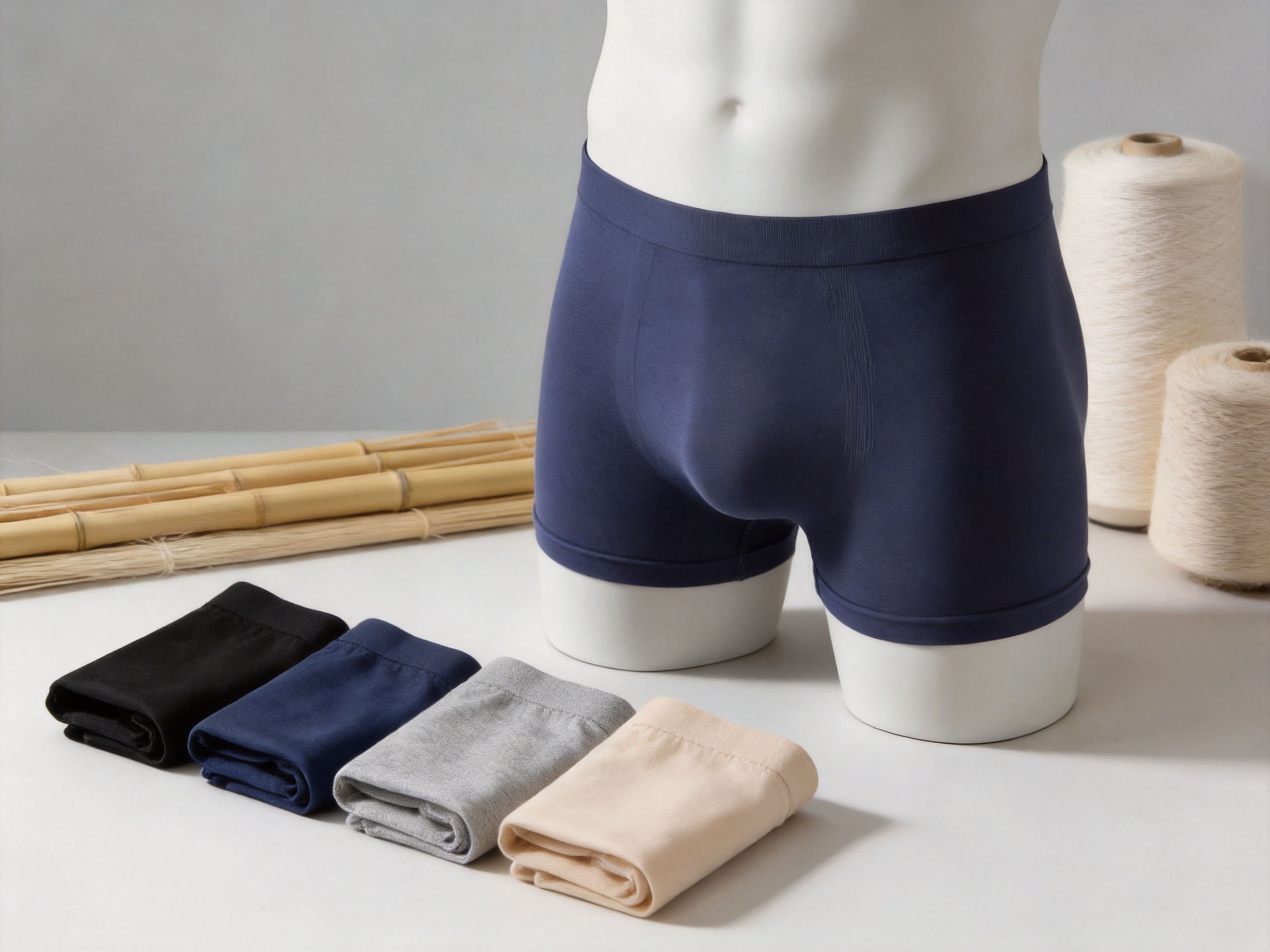
Consumers often compare seamless trunks with briefs, boxer briefs, loose boxers, and athletic base layers. Retailers should explain the differences in practical terms rather than describing one style as universally better.
| Underwear style | Main advantage | Possible limitation | Best use case |
|---|---|---|---|
| Seamless trunk underwear | Smooth fit, moderate coverage, reduced chafing, and discreet appearance | Requires accurate sizing and careful stretch control | Daily wear, office clothing, travel, formal trousers, and premium basics |
| Traditional briefs | High freedom around the thighs and compact coverage | May provide less coverage and can show more leg or waistband definition | Consumers who prefer a minimal silhouette |
| Long-leg boxer briefs | More thigh coverage and strong anti-chafing potential | Can feel warmer or become visible beneath shorter or slim trousers | Travel, active use, and consumers preferring extended leg coverage |
| Loose woven boxers | Relaxed fit and airflow | Less support and more fabric movement under fitted clothing | Sleepwear, relaxed home wear, and loose outer garments |
| Performance base layers | Close compression, technical moisture management, and activity support | May feel too compressive for ordinary daily wear | Sports, training, outdoor work, and high-sweat conditions |
The main competitive advantage of seamless trunk underwear is balance. It offers more structure than loose boxers, more coverage than briefs, and a less bulky profile than many long-leg boxer briefs. It can also be developed with a softer hand feel than highly technical sports underwear.
That balance creates a broad commercial opportunity, but only if the product is properly fitted. A seamless trunk that rides up, rolls, or traps heat will not perform better than conventional alternatives simply because it uses seamless technology.
The pouch should provide natural shaping and comfortable room without creating excessive volume. Different markets may prefer a contoured pouch, a supportive double-layer design, or a more relaxed front. The correct choice depends on the target consumer and brand positioning.
Product developers should test the pouch while standing, sitting, walking, and bending. A front panel that looks suitable on a flat table may create pressure or poor coverage during movement.
Leg openings must remain close to the body without creating a tight ring around the thigh. If the opening is too loose, the garment may ride up. If it is too tight, it can leave marks and restrict comfort. Seamless knitting can help create a more graduated edge, but the finished garment still requires wear testing.
The waistband is one of the first features a wearer notices. It should stay in position during movement while remaining soft against the skin. A premium waistband may use covered elastic, knitted recovery zones, a bonded finish, or a combination of methods.
Branding should also be considered. Printed care information, heat-transfer labels, woven labels, and jacquard waistbands each create a different skin sensation. For a comfort-led product, the label method should be chosen with the same care as the fabric.
Core colors such as black, white, gray, navy, and skin tones support everyday retail demand. Seasonal colors can create collection variety without changing the base construction. The surface may be matte, lightly textured, smooth, or subtly patterned.
Color selection must account for dye fastness, fiber compatibility, and minimum order quantities. Buyers should request lab dips or color standards before bulk approval, especially when the product will be sold as a coordinated underwear collection.
Clear care instructions help consumers maintain the garment. Many seamless products perform best when washed according to the fiber and elastic requirements, using moderate temperatures and avoiding unnecessary high heat. The manufacturer should validate the care label through laundering tests rather than selecting instructions only for marketing convenience.
Durability testing should examine repeated washing, seam or bond stability, elastic recovery, pilling, color change, and dimensional stability. A premium breathable underwear product must remain comfortable beyond the first few wears.
Product quality depends on the interaction between design, materials, machinery, workmanship, and quality control. An experienced supplier can identify risks early, recommend a more suitable fabric blend, adjust a pattern for better movement, or modify finishing to improve comfort.
Nantong Tianhong Textile Technology Co., Ltd. was established in 2001 in Nantong, Jiangsu Province, a major textile manufacturing area in China. The company specializes in the research, manufacturing, and sales of underwear products and provides OEM/ODM services for brands and labels in Europe, North America, and China.
Its experience is relevant to seamless trunk underwear because the product requires more than a standard cut-and-sew workflow. The manufacturer must understand fabric behavior, underwear fit, stretch recovery, finishing, quality consistency, and customer-specific development. A supplier with experience across research, manufacturing, and sales can support a project from initial concept through production and delivery.
OEM and ODM buyers may require different levels of support. An OEM project usually starts from the buyer’s design, specification, logo, and packaging requirements. An ODM project may begin with a manufacturer’s existing construction or product platform that is then adapted for the customer.
For seamless trunk underwear, customization may include:
Fabric composition and yarn selection.
Body fit and size range.
Pouch shape and support level.
Waistband construction and branding.
Leg length and opening design.
Color, pattern, and surface texture.
Packaging and labeling.
Testing and inspection requirements.
A structured development process helps prevent repeated sampling and unclear approvals. Buyers should expect a technical specification, sample review, revisions, pre-production approval, production inspection, and documentation package.
Many consumers and brands now expect greater visibility into fiber sourcing, production conditions, and environmental claims. Tianhong focuses on sustainable development, environmentally friendly functional fabrics, and traceable supply chain management. Its company information identifies certifications and standards including FSC, OCS, OEKO-TEX 100, GOTS, WRAP, and BSCI.
Certification claims should always be matched to the relevant facility, material, product, scope, and validity period. A buyer should request current documentation and confirm whether a particular seamless trunk is covered by the requested standard. This approach protects both the supplier and the brand from vague or inaccurate sustainability communication.
Responsible manufacturing also involves practical decisions such as reducing material waste, controlling chemical inputs, improving production efficiency, managing packaging, and maintaining fair workplace procedures. These measures can strengthen a product’s value without turning sustainability into an unsupported headline.
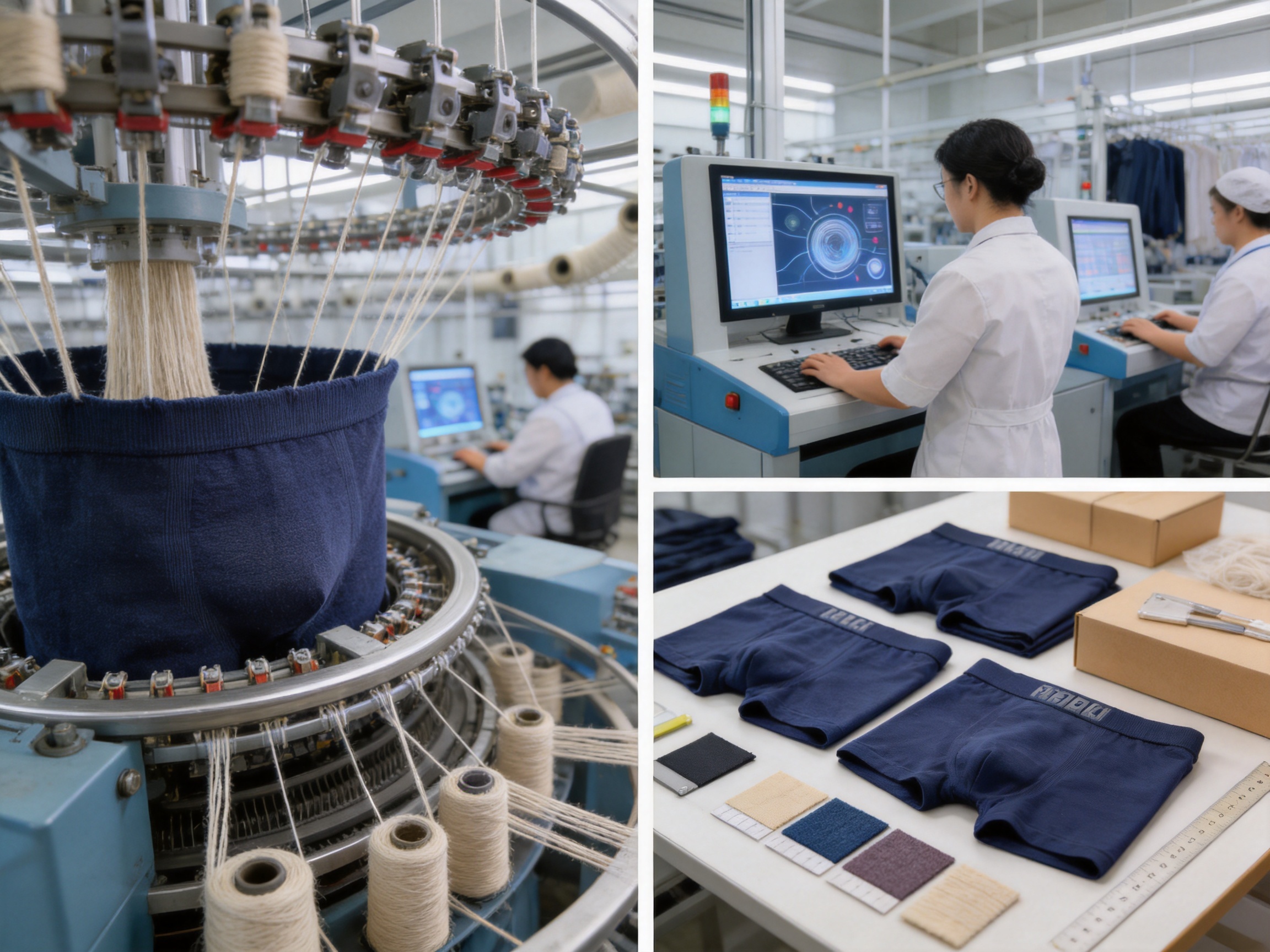
A product brief should include measurable acceptance criteria. The following checklist can be adapted for private-label and wholesale programs.
| Quality area | What to check | Why it matters |
|---|---|---|
| Fabric composition | Fiber percentages, yarn consistency, documentation, and hand feel | Confirms product claims and supports consistent production |
| Fit and measurements | Waist, rise, pouch, leg opening, body length, and size grading | Reduces returns and supports customer comfort |
| Stretch recovery | Waistband, pouch, leg opening, and main body after repeated extension | Prevents sagging, rolling, and loss of support |
| Moisture management | Absorption, drying behavior, airflow, and wearer testing | Supports the breathable underwear positioning |
| Appearance | Surface smoothness, color, symmetry, lines, and branding placement | Protects premium visual presentation |
| Durability | Pilling, laundering, colorfastness, elastic performance, and finishing strength | Shows whether the garment can withstand regular use |
| Compliance | Applicable textile, chemical, labor, and labeling requirements | Reduces regulatory and reputational risk |
| Packaging | Size marks, care labels, barcode data, folding, and protection | Ensures retail readiness and accurate fulfillment |
Sampling should take place in stages. A first prototype confirms the general shape and construction. A revised sample checks fit and materials. A pre-production sample confirms the final fabric, colors, labels, packaging, and measurements. Bulk production should not begin until the buyer has approved the correct reference sample.
Measure the garment before and after laundering. Check the waistband, leg openings, pouch, rise, and body length separately. A product can remain within an average size tolerance while still changing noticeably in one critical area.
Underwear is exposed to perspiration, detergent, body oils, and frequent washing. Colorfastness testing should reflect the intended product use. Dark colors and bright fashion shades may require additional attention.
Friction from outer clothing and repeated washing can create pills. A smooth premium product should be checked against the expected use environment. Fabrics for daily office wear may face different abrasion patterns from fabrics intended for travel or active use.
Comfort testing should include the waistband, leg openings, label areas, pouch, and any remaining seams or bonds. The garment should be evaluated after extended wear, not only during a short fitting. A product that feels comfortable for ten minutes may become irritating after several hours.
Testing should combine fabric data with practical wear feedback. A fabric may demonstrate good laboratory wicking yet feel warm if the fit is too close or if ventilation zones are poorly positioned. A balanced assessment helps prevent overreliance on one performance metric.
Searchers looking for premium breathable underwear usually want answers to practical questions: Is the product comfortable for all-day wear? Does it prevent chafing? Is it suitable under formal trousers? Does it manage moisture? Can it be customized for a private label? Is the fabric sustainable? Can the manufacturer support reliable bulk production?
Product pages should answer these questions directly. Strong descriptions can explain the seamless construction, breathability, moisture-wicking ability, stretch recovery, fit, fabric options, care requirements, and available OEM/ODM services. Claims should be supported by product testing or clearly written as design intentions.
Useful keyword themes include “premium breathable underwear,” “organic bamboo underwear,” “seamless trunk underwear,” “men’s seamless underwear,” “OEM underwear manufacturer,” “ODM underwear factory,” and “custom breathable underwear.” Keywords should fit naturally into headings, product information, specifications, and buyer guidance rather than being repeated without context.
For wholesale buyers, commercial information is also important. The page should explain sample development, customization, size ranges, material options, quality control, certification documentation, packaging, and production communication. This helps qualified buyers decide whether the supplier is suitable before requesting a quotation.
Start with the customer and selling environment. A premium department-store product may require softer hand feel, refined packaging, and a broad color range. An e-commerce basic may prioritize comfort, repeat purchase potential, and efficient packaging. A hotel or uniform program may need stable sizing, durable laundering performance, and dependable replenishment.
Next, define the non-negotiable features. These may include organic bamboo content, a particular certification, a minimum size range, a low-profile waistband, a specific pouch shape, or a required moisture-management standard. Separating essential requirements from optional preferences makes the development process more efficient.
Request a complete sample package. It should include the physical product, fabric composition, color references, size chart, care instructions, packaging concept, and available test information. Ask the supplier which parts are standard and which parts require new development.
Evaluate communication quality. A capable manufacturer should ask questions about fit, market, use, target cost, and compliance. A supplier that accepts a vague request without clarifying technical details may create avoidable problems later.
Review production controls before placing a large order. Ask how materials are inspected, how approved samples are controlled, how size tolerances are managed, how defects are classified, and how final inspection is documented. These questions are particularly important for seamless products because small variations in stretch and tension can affect fit.
Consumers can extend the life of seamless trunk underwear by following the care label and avoiding unnecessary high heat. Washing with similar colors, using a suitable detergent, and avoiding harsh treatment can help protect the fabric and elastic recovery.
Excessive heat from tumble drying, ironing, or hot storage may affect stretch fibers and elastic components. Strong bleaching agents can damage color and fabric performance. If the product uses delicate or natural-feeling fibers, gentle handling may help preserve softness and shape.
Brands should communicate care instructions in a simple format. Clear guidance reduces misuse and supports a better ownership experience. It can also reduce avoidable returns caused by shrinkage, fading, or loss of elasticity after unsuitable laundering.
Seamless trunk underwear is a short-leg men’s underwear style made with reduced seams or low-profile construction. It is designed to provide moderate coverage, close fit, smooth comfort, and a discreet appearance beneath clothing.
It can be better for consumers who prioritize reduced chafing, a smoother appearance, flexible movement, and a close fit. Regular cut-and-sew underwear may still be preferred when a buyer wants a specific traditional construction, stronger panel definition, or a lower product cost. The best choice depends on fit, fabric, and intended use.
Seamless construction can support breathability, but the actual result depends on the fabric, knitting density, ventilation zones, fit, and finishing. A product made from breathable, moisture-managing fabric is more likely to remain comfortable in warm conditions than one made from dense, poorly ventilated material.
Organic bamboo underwear can be suitable for everyday wear when the fabric has adequate durability, stretch recovery, colorfastness, and dimensional stability. Buyers should review the precise fiber composition and request relevant documentation rather than relying only on the word “bamboo.”
It should not ride up when the leg opening, garment length, stretch recovery, and size are properly matched to the wearer. Riding up can result from an opening that is too loose, a body that is too short, insufficient recovery, or an incorrect size.
Begin with the target consumer, use case, fabric goal, fit block, size range, price level, and compliance requirements. Develop a prototype, conduct fitting and laundering tests, approve the final materials and measurements, and complete a pre-production review before bulk manufacturing.
Yes. Custom options may include waistband branding, printed labels, heat-transfer care labels, colors, patterns, packaging, size ranges, fabric blends, and product tags. The available options depend on the manufacturer’s equipment, minimum order quantities, and technical process.
Buyers should ask which certifications apply to the material, facility, product, and production period. Depending on the project, relevant standards may include organic-content, textile safety, responsible workplace, forest-based material, or social-compliance certifications. Current documentation should be reviewed before claims appear on packaging or product pages.
Reliability comes from consistent materials, experienced technical staff, accurate sampling, controlled production, documented inspections, transparent communication, and the ability to support the buyer’s required compliance and delivery process. Product knowledge is as important as factory capacity.
A seamless trunk is a small garment with demanding technical requirements. The product must manage fit, comfort, stretch, moisture, appearance, durability, and cost in a limited amount of fabric. A qualified OEM/ODM partner helps connect these requirements rather than treating them as separate tasks.
Nantong Tianhong Textile Technology Co., Ltd. brings experience in underwear research, manufacturing, and sales, supported by a history beginning in 2001. Its location in Nantong places the company within an established Chinese textile manufacturing region. Its international customer relationships and OEM/ODM service experience are relevant to brands that require product adaptation, communication across markets, and consistent manufacturing support.
The company’s focus on natural-fiber fabrics, environmentally friendly functional materials, and traceable supply chain management supports buyers seeking premium breathable underwear and organic bamboo underwear programs. Its identified standards and certifications can provide a starting point for compliance discussions, subject to verification for the specific product and order.
For a buyer, the practical benefit is not simply access to a factory. It is access to a development partner that can help turn a comfort concept into a repeatable product with defined materials, measurements, construction, inspection points, and packaging.
Before approving a seamless trunk underwear program, confirm the following points:
The product has a clear target customer and use case.
The fabric composition matches the comfort, breathability, durability, and sustainability goals.
The pouch, waistband, body length, and leg openings have been tested on the intended size range.
The garment remains stable after laundering and repeated wear.
Seams, bonds, labels, and elastic components do not create uncomfortable pressure points.
Moisture-management and airflow claims are supported by suitable testing or accurate product language.
Color, branding, packaging, and care instructions have been approved.
Material and facility certifications have been checked for current validity and relevant scope.
Quality tolerances, inspection methods, and defect standards are documented.
The manufacturer can support the required OEM/ODM development and production schedule.
Premium seamless trunk underwear succeeds when comfort is supported by disciplined engineering. Smooth construction, breathable fabrics, controlled stretch, stable fit, and reliable finishing create the consumer benefit. Experienced manufacturing, responsible sourcing, testing, and quality control make that benefit repeatable at commercial scale.
1. Textile Exchange, standards and guidance for preferred and organic fiber materials.
2. OEKO-TEX Association, textile safety and harmful-substance testing principles.
3. Global Organic Textile Standard, requirements for certified organic textile processing.
4. Forest Stewardship Council, chain-of-custody principles for responsibly sourced forest-based materials.
5. WRAP, responsible production and workplace compliance guidance for apparel manufacturing.
6. Business Social Compliance Initiative, supply-chain social-performance assessment principles.
7. International Organization for Standardization, textile testing and performance evaluation practices.
8. Textile industry technical literature covering seamless knitting, stretch recovery, moisture management, laundering stability, and apparel fit development.

Copyright © Nantong Tianhong Textile Technology Co., Ltd. All Rights Reserved.
 Room 806, Building D, Jingyang Plaza, Chongchuan District, Nantong City, Jiangsu Province,china

 English
 Español
 русский
 عربى