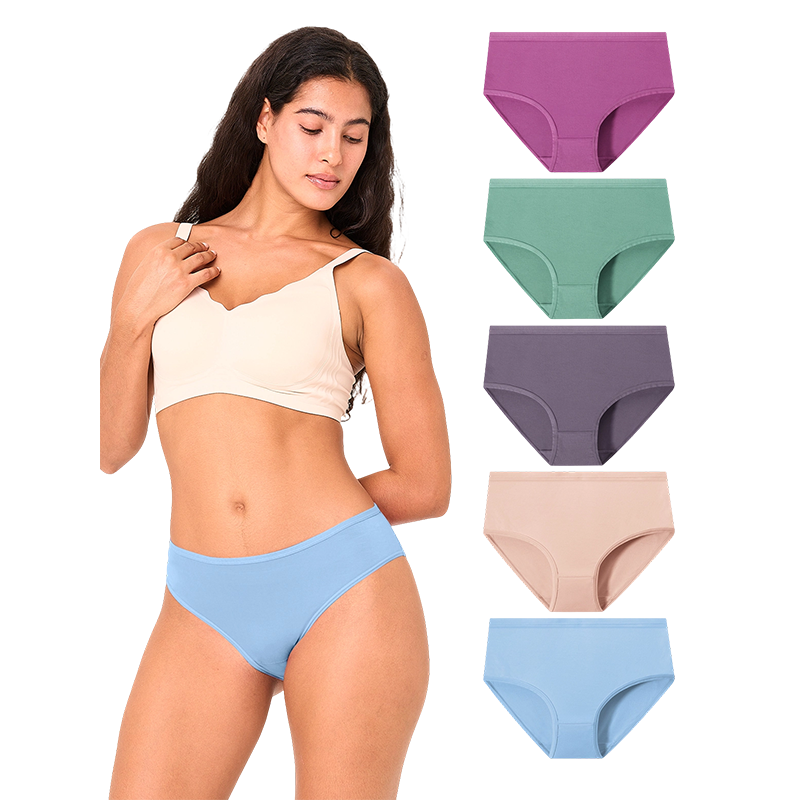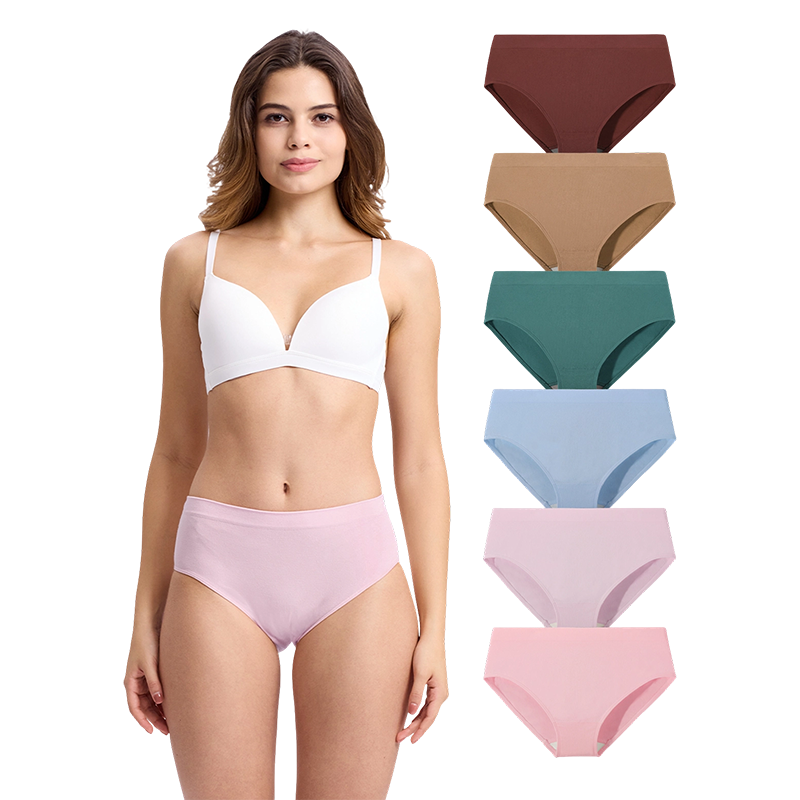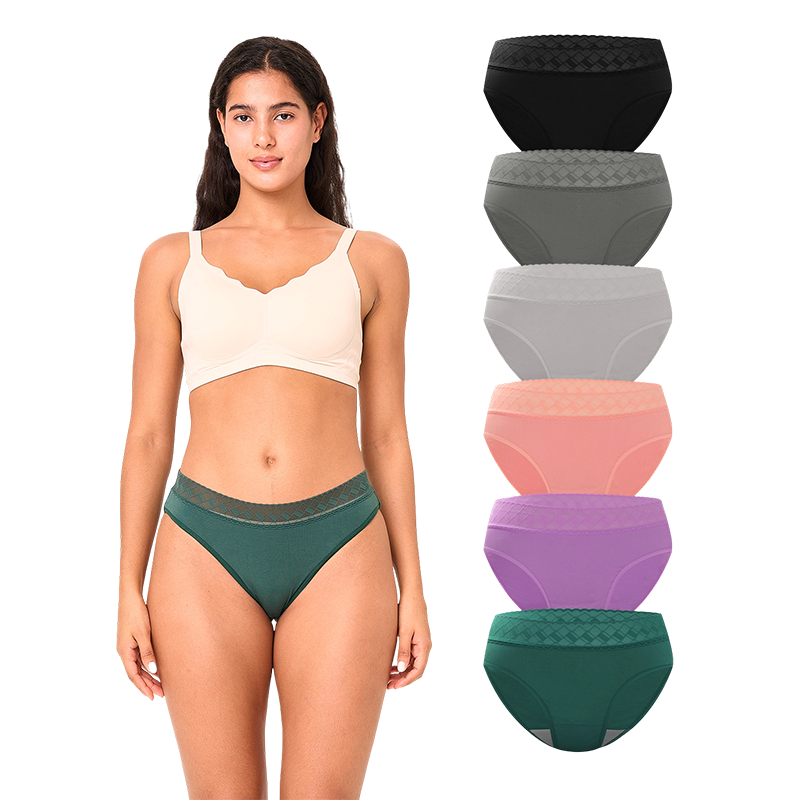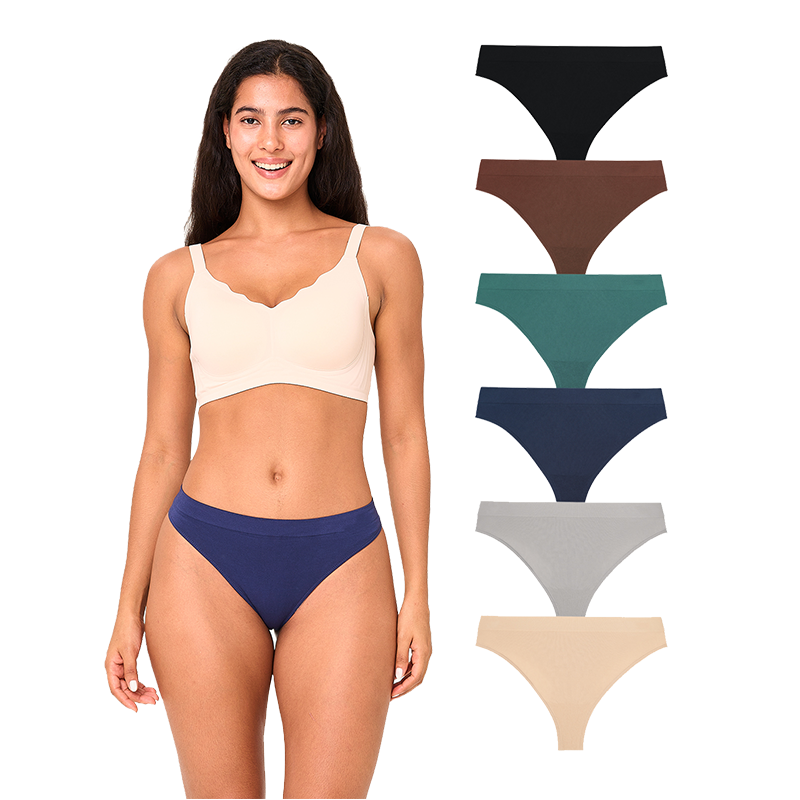
Content
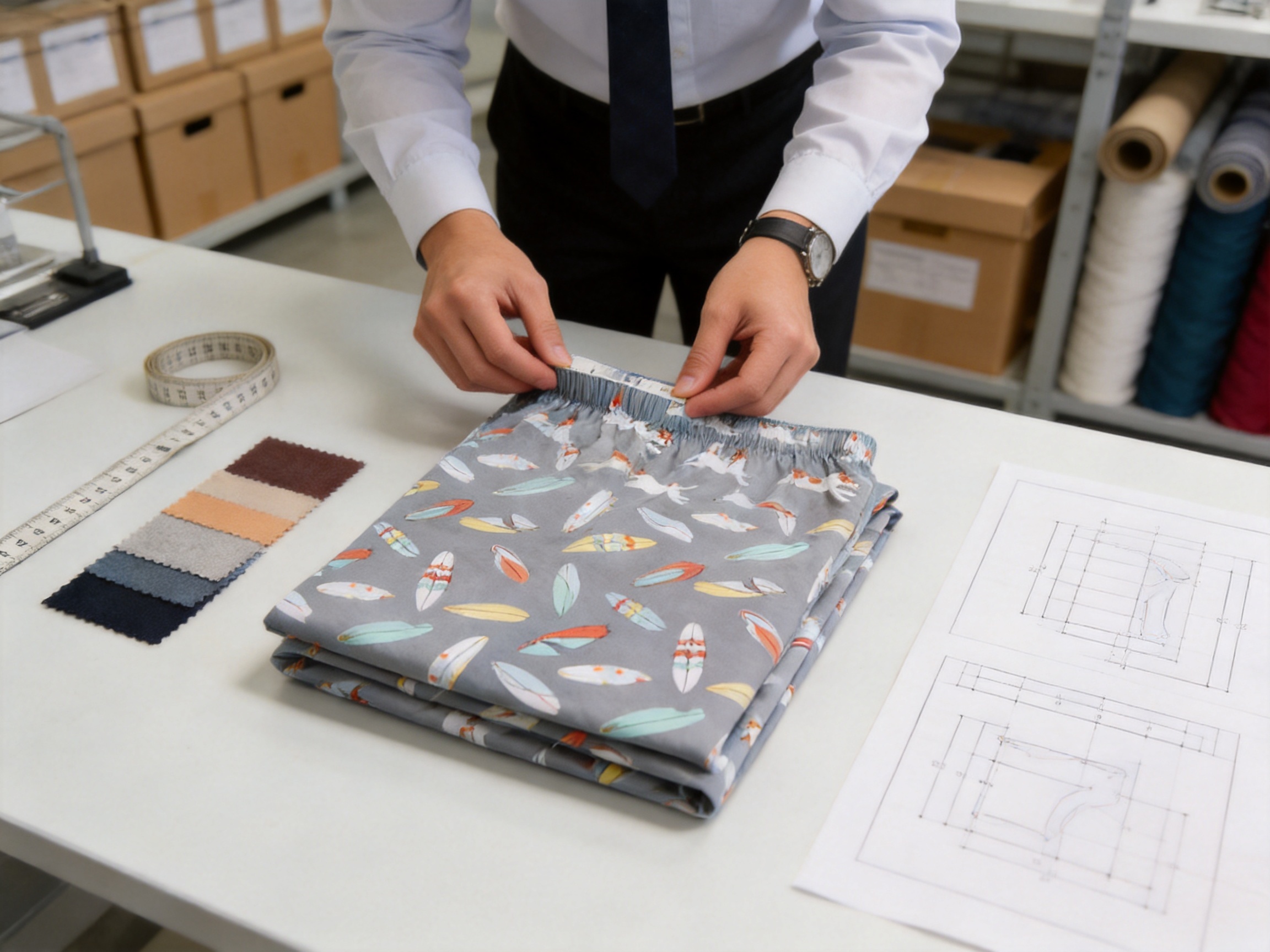
Quick Answer: Printed pajama shorts are a practical warm-weather sleepwear and loungewear option when they combine breathable fabric, a relaxed fit, dependable stitching, comfortable waist construction, and colorfast prints. The featured Printed Pajama Shorts are designed for men’s loungewear, with lightweight construction, playful patterns, and a cozy fit suited to sleeping, relaxing at home, and casual indoor wear. For retailers, private labels, and apparel distributors, the product is especially suitable for OEM and ODM development because the design can be adapted through fabric selection, print artwork, sizing, labels, packaging, and production specifications.
For buyers comparing suppliers, the strongest advantages are not limited to the appearance of the print. A competitive pajama short must remain comfortable after repeated washing, maintain a stable shape, avoid rough seams, provide enough room for movement, and arrive with consistent quality across production batches. Nantong Tianhong Textile Technology Co., Ltd. supports this type of product through textile research, underwear manufacturing experience, OEM/ODM services, sustainable fabric development, traceable supply chain management, and quality systems associated with certifications including FSC, OCS, OEKO-TEX 100, GOTS, WRAP, and BSCI.
This guide explains how printed pajama shorts perform, which features matter during sourcing, how the manufacturing process affects product quality, and how brands can develop a stronger private-label collection. It also provides a practical comparison table, a quality-control checklist, fit guidance, care recommendations, and answers to common buyer questions.
Printed pajama shorts occupy a useful position between sleepwear and relaxed home clothing. They are lighter than full-length pajama bottoms, less restrictive than many casual shorts, and visually more distinctive than plain basic styles. That combination gives them broad commercial potential for spring and summer collections, warm climates, travel ranges, holiday promotions, gift sets, and year-round indoor apparel.
The featured product uses a lightweight design intended for warmer nights. Its breathable fabric supports air circulation, while the relaxed silhouette allows the wearer to sit, stretch, sleep, or move around the home without feeling confined. The printed surface adds personality without changing the basic comfort purpose of the garment.
Printed pajama shorts can serve several consumer needs at once:
1. Sleep comfort: A soft, light construction helps reduce the feeling of heaviness during warm weather.
2. Home relaxation: The relaxed fit works for reading, watching television, working casually from home, or resting on weekends.
3. Seasonal dressing: Short pajama bottoms are easy to include in spring and summer sleepwear assortments.
4. Personal expression: Graphic, geometric, botanical, novelty, and abstract prints allow a basic garment to communicate a particular mood or lifestyle.
5. Retail flexibility: The same base pattern can support multiple print stories, colorways, and coordinated products.
For a supplier or brand, this flexibility can make printed pajama shorts easier to merchandise than a highly specialized garment. A single proven fit can be developed into several collections, reducing the need to create an entirely new pattern for every launch.
| Product element | Practical benefit | Buyer consideration |
|---|---|---|
| Product type | Men’s printed pajama shorts | Suitable for sleepwear and relaxed homewear collections |
| Fabric direction | High-quality, breathable, lightweight construction | Confirm fiber composition, weight, hand feel, and test standards before bulk production |
| Fit intention | Cozy and relaxed | Review waist, rise, leg opening, and size grading with physical samples |
| Visual identity | Playful, vibrant prints | Approve artwork scale, repeat placement, color targets, and strike-offs |
| Main use | Sleeping, lounging, and warm-night comfort | Position the product as versatile loungewear rather than a single-use basic |
| Customization potential | OEM and ODM development | Discuss labels, packaging, print concepts, fabric options, and collection planning |
| Manufacturing support | Textile research and underwear production experience | Evaluate development communication, sampling, inspections, and supply-chain traceability |
Breathability is one of the most important performance characteristics for pajama shorts. During sleep, the body releases heat and moisture. A fabric that traps warmth or dries slowly can feel uncomfortable, especially in summer or in rooms without strong climate control. Lightweight breathable materials help create a cooler wearing experience by allowing air movement and supporting moisture release.
Fabric selection should be evaluated through more than a fiber name. Two fabrics made from the same broad fiber category can feel very different because of yarn size, knitting or weaving structure, finishing treatment, fabric weight, and dyeing process. Buyers should therefore request a fabric specification sheet and assess the actual sample against the intended market.
A suitable fabric for printed pajama shorts should have a balanced relationship between softness, strength, drape, recovery, and print compatibility. Excessively thin fabric may become transparent, distort during sewing, or wear quickly. Excessively heavy fabric may undermine the purpose of a warm-weather short. The correct choice depends on the target climate, price point, customer expectations, and care instructions.
A cozy fit should provide room without looking shapeless. Pajama shorts need enough ease through the hip and thigh to support sitting and sleeping positions, but excessive volume can cause the garment to twist, bunch, or feel untidy. The rise also matters. A rise that is too short may create pressure when the wearer sits, while a rise that is too long can produce unnecessary fabric at the front and back.
Pattern development should include movement testing. A sample should be checked while standing, walking, sitting, bending, and lying down. The waistband should remain secure without creating a tight ring around the body. The leg opening should permit movement while maintaining a clean appearance.
For commercial production, fit consistency depends on accurate pattern grading. Each size should maintain the intended proportions rather than simply adding the same measurement at every point. Waist, hip, rise, inseam, and leg opening should be graded according to the target size range and the body shapes expected in the sales market.
The waistband is a small component with a major effect on customer satisfaction. A waistband that rolls, twists, digs into the skin, or loses recovery after washing can lead to product returns even when the print and fabric are attractive.
During product development, brands should specify whether the waistband will use enclosed elastic, exposed elastic, a drawstring, or a combination. An enclosed elastic waistband generally creates a clean appearance and can feel soft against the skin when properly constructed. A drawstring can improve adjustability, but its length, tip finishing, and safety requirements must be controlled.
Testing should include stretch and recovery checks, seam security, laundering, and repeated wear simulation. The waistband should lie flat after washing and should not create visible twisting around the body.
Seams that feel acceptable during a short fitting may become irritating during overnight wear. Seam placement, thread selection, stitch density, seam allowance, and finishing method all contribute to comfort.
Inner seams should be smooth and secure. The crotch area requires particular attention because it experiences movement and stress. Overly dense stitching may create stiffness, while insufficient stitching may cause seam opening. A production sample should be inspected from both the outside and inside, with special attention to skipped stitches, loose threads, uneven seam width, puckering, and exposed raw edges.
A professional underwear and loungewear factory can use its experience with close-to-skin garments to identify these issues earlier in the development process. That experience is valuable because pajama shorts are often judged by tactile comfort rather than appearance alone.
Plain pajama shorts are easy to produce, but printed styles can create stronger shelf and online appeal. A distinctive print gives shoppers an immediate visual reason to choose one product over another. It also allows retailers to build themed collections around seasons, holidays, travel, humor, nature, sports, food, abstract art, or coordinated family concepts.
The featured product is described with playful and vibrant prints. These characteristics are useful for brands seeking a cheerful sleepwear direction rather than a strictly minimal or formal aesthetic. Print artwork can be adapted to different customer segments without changing the basic garment construction.
Print scale changes the character of the garment. Small repeating motifs can appear subtle and easy to wear. Large motifs create a stronger fashion statement but require careful placement at side seams, the crotch, and the waistband. Uneven placement may be intentional in an all-over design, but accidental interruptions can make a garment look poorly controlled.
When preparing artwork, buyers should define the repeat size, print direction, color references, acceptable registration tolerance, and placement rules. If the pattern has a visible directional element, the cutting plan must ensure that panels face the correct way. Additional fabric consumption may be required for directional prints or matching across seams.
Bright prints should remain attractive after regular washing. Colorfastness, rubbing resistance, wash durability, and print adhesion should be evaluated according to the fabric and printing method. A product that looks excellent at delivery but fades quickly can damage customer trust and increase return rates.
Artwork should be reviewed under appropriate lighting. Digital screens do not always represent the final textile color accurately. A physical strike-off or lab dip provides a better basis for approval. Brands should record approved color standards and retain signed samples for production comparison.
The printing process should also be matched to the fabric surface. The wrong combination can produce a stiff hand feel, weak coverage, cracking, bleeding, or a print that obscures the fabric’s natural softness. A capable supplier can advise whether a particular artwork is better suited to pigment printing, reactive printing, sublimation, digital printing, or another method based on fiber content and required appearance.
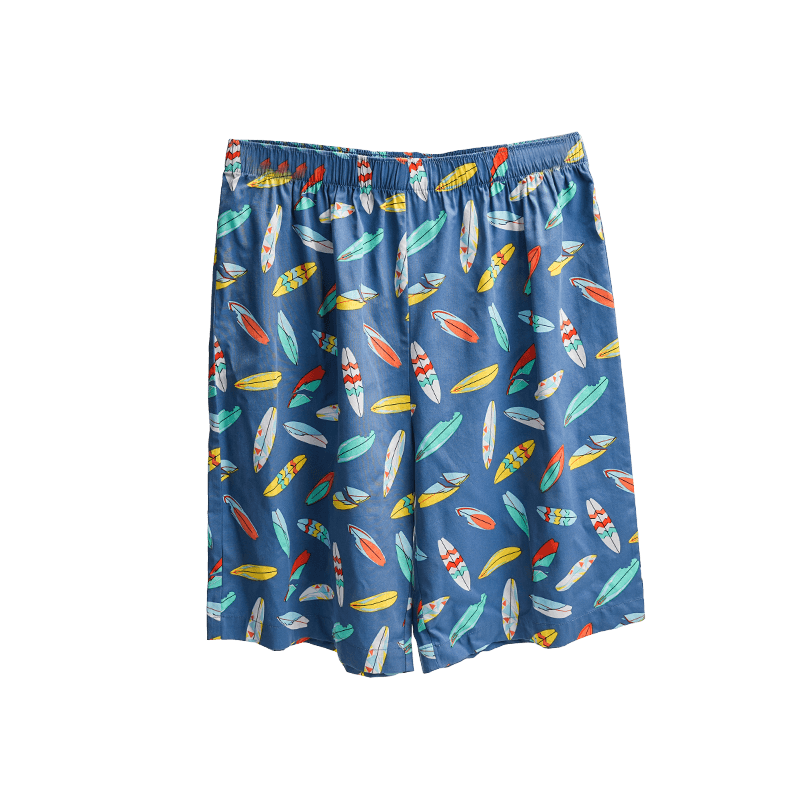
Printed Pajama Shorts
A finished garment reflects many linked decisions. Fabric sourcing, artwork preparation, pattern engineering, cutting, sewing, printing, finishing, inspection, and packing all affect the final result. A supplier’s strength should therefore be assessed as a complete manufacturing system rather than by looking only at a product photograph.
The process begins with a clear product brief. The brief should identify the intended customer, target retail position, size range, fabric direction, print concept, packaging needs, expected delivery schedule, and quality standards.
For printed pajama shorts, the technical review should address the following points:
• Fiber composition and acceptable tolerance.
• Fabric weight, width, stretch, and recovery.
• Color standards and artwork format.
• Pattern measurements and grading rules.
• Waistband construction and drawstring requirements.
• Seam type, stitch density, and reinforcement points.
• Label placement, care label language, and country-of-origin information.
• Folding, packing, carton quantities, and shipment markings.
A clear brief reduces the risk of interpretation gaps. It also gives the factory a basis for identifying technical problems before the first sample is made.
Material selection is central to comfort. The factory and buyer should compare candidate fabrics for softness, breathability, dimensional stability, opacity, pilling behavior, color performance, and suitability for printing.
Where organic or environmentally preferred fibers are required, documentation should match the actual material and supply chain. Organic claims should not be treated as a marketing phrase without supporting certification or transaction records. Buyers should verify the scope of applicable certificates, the certified facility, and whether the certification covers the relevant product and production stage.
Nantong Tianhong focuses on natural fiber fabrics, environmentally friendly functional materials, and traceable supply chain management. Its stated certification framework includes FSC, OCS, OEKO-TEX 100, GOTS, WRAP, and BSCI. These standards cover different areas, so each must be understood according to its own scope. For example, one standard may relate to fiber content, another to harmful substances, and another to social compliance or responsible production practices.
A pattern is more than a drawing of the garment shape. It controls fit, fabric consumption, seam balance, print placement, and production efficiency. For pajama shorts, the pattern must account for the relationship between the waist, hip, rise, crotch curve, thigh, and hem.
The first sample allows the development team to evaluate proportions and construction. A professional review should include measurements taken on a flat surface, a try-on assessment, an inside-seam inspection, and a wash test where appropriate. Changes should be recorded in a technical file so that the approved sample can be reproduced accurately.
For printed fabrics, the pattern team should consider whether the artwork needs to align across specific panels. If the design is a continuous all-over print, small variations may be acceptable. If the design includes logos, characters, stripes, or directional motifs, placement tolerances should be documented.
Print preparation includes artwork separation, color management, repeat development, screen or file preparation, and sample approval. The aim is to create a result that is visually consistent with the approved reference.
Production control should monitor print shade, registration, coverage, surface feel, and fabric distortion. The first production output should be checked before the full order proceeds. This step can identify issues such as color shifts, blurred edges, incomplete coverage, or a repeat that does not match the approved layout.
When fabric is printed before cutting, the cutting team must manage shrinkage, skew, bowing, and print alignment. Preconditioning or relaxation may be necessary depending on the fabric structure. Cutting without allowing the material to stabilize can create size variation and panel distortion.
Accurate cutting supports consistent sizing and reduces fabric waste. Cutting markers should account for grain direction, print direction, shade grouping, and any matching requirements. Each bundle should remain traceable to the corresponding fabric lot and size range.
Panel inspection can identify holes, stains, color variation, print defects, and edge distortion before sewing. Early detection is more efficient than discovering the problem after the garment has been assembled. It also allows the factory to separate affected pieces and investigate the source.
Assembly typically involves joining the front and back panels, constructing the crotch and side seams, preparing the waistband, attaching labels, finishing hems, and removing loose threads. The sequence can vary according to the specific pattern and production equipment.
Consistent operation depends on trained workers, suitable machines, clear work instructions, and in-line quality checks. Operators should understand the critical points of the garment, including waistband stretch, seam allowance, hem width, and the treatment of printed panels.
Production lines may use specialized equipment for overlocking, lockstitching, coverstitching, elastic insertion, bartacking, and trimming. The correct machine setup helps protect the fabric and maintain a uniform appearance.
Finishing may include thread trimming, pressing, measurement checks, metal detection where required, folding, tagging, and packing. The garment should be clean, dry, and free from loose fibers or production marks.
If a wash or softening treatment is used, it should be controlled because finishing can change the hand feel, color, shrinkage, and dimensions. The final measurements should be checked after the approved finishing process rather than before it.
Packaging should protect the printed surface and maintain a neat presentation. Buyers should specify whether the product will use individual bags, paper bands, recycled packaging, size stickers, cartons, or retail-ready presentation. Packaging materials and labeling should comply with the destination market’s applicable requirements.
Nantong is recognized as a major textile manufacturing center in China, providing access to fabric development, garment production, technical expertise, and supply-chain resources. Nantong Tianhong Textile Technology Co., Ltd. was established in 2001 and specializes in the research, manufacturing, and sales of underwear products.
For a buyer sourcing printed pajama shorts, several company capabilities are commercially relevant.
OEM production is useful when a brand already has a defined design, technical package, and approved materials. ODM support is useful when the buyer wants assistance with product concepts, fabric direction, print development, construction, or collection planning.
A supplier offering both models can support different stages of brand growth. A new label may require more development guidance, while an established retailer may provide detailed specifications and require strict execution. The ability to move between these working styles can simplify communication.
Underwear and sleepwear require attention to softness, fit, seam comfort, skin contact, and wash durability. Experience in these categories can benefit pajama shorts because consumers often judge them through direct tactile and wearing experience.
The supplier’s product focus includes underwear products and natural-fiber fabric development. This background is relevant when a buyer wants to expand from a single pajama short into coordinated underwear, sleepwear, or loungewear programs.
The company reports long-term partnerships with clients in Europe, North America, and China. International experience can help a factory understand differences in labeling, sizing, packaging, communication, documentation, and compliance expectations.
Buyers should still provide market-specific requirements in writing. A supplier’s experience is valuable, but the importer remains responsible for confirming the rules that apply to its own destination, sales channel, and product claims.
Certifications can provide useful evidence when they are current, relevant, and properly scoped. The listed standards associated with the company include material, chemical safety, organic content, environmental, social, and workplace-related frameworks.
Buyers should request current certificates and verify:
• The certificate holder and facility name.
• The validity period.
• The certified scope.
• Whether the certificate covers the intended product category.
• Whether subcontracted processes are included or separately controlled.
• Whether transaction documentation is required for a specific claim.
Certification does not replace product testing, inspection, or a written quality agreement. It is one part of a wider sourcing review.
| Product type | Comfort profile | Visual potential | Typical use | Key limitation |
|---|---|---|---|---|
| Printed pajama shorts | Light, relaxed, and suitable for sleep | High because of repeat prints and color options | Sleeping, lounging, travel, warm nights | Requires careful print and wash-quality control |
| Plain pajama shorts | Comparable when fabric and fit are equal | Moderate, often dependent on color and trim | Basic sleepwear and value collections | Less visual differentiation |
| Full-length pajama trousers | More coverage and warmth | High with prints, checks, or solids | Cooler rooms and colder seasons | Can feel too warm or restrictive in summer |
| Casual woven shorts | Varies widely; may be less soft against the skin | High through prints and trims | Outdoor casualwear and leisure | May lack sleepwear-specific comfort |
| Performance shorts | Often optimized for movement and moisture control | Usually sport-oriented | Exercise and active use | Technical fabrics may feel less relaxed for sleep |
The comparison shows why printed pajama shorts can occupy a distinct market position. They are not simply shorter versions of pajama trousers and should not be judged only by appearance. Their value comes from the combination of comfort, lightweight coverage, relaxed movement, and adaptable visual design.
A product intended for humid tropical markets may require a different fabric weight and moisture-management direction than one intended for dry, mild climates. The same printed artwork may also appeal differently to different age groups and retail channels.
Before requesting samples, define the intended customer in practical terms. Consider average climate, preferred sleepwear coverage, common body proportions, color preferences, price expectations, and whether the garment will be sold as a single item or part of a set.
A stable base fit can improve collection efficiency. Once the pattern has been tested and approved, the brand can develop several prints around it. This approach helps maintain consistency for returning customers and allows the retailer to refresh the visual assortment without changing the entire construction.
Possible print directions include small geometric repeats, botanical illustrations, abstract shapes, food-inspired motifs, holiday artwork, animal patterns, and restrained tonal prints. The correct direction depends on the intended customer rather than on a general assumption that every pajama product should be novelty-oriented.
Printed pajama shorts can be paired with solid or printed tops, lightweight robes, underwear, sleep masks, or packaging designed as a gift set. Coordination does not require identical prints. A shared color palette may be enough to create a unified assortment.
For brands working with an OEM/ODM supplier, coordinated development can improve production planning. Similar fabrics, trims, labels, and packaging components may be used across products, subject to technical suitability and minimum order requirements.
Online shoppers need practical information. Product pages should state the fabric composition, fit description, care instructions, size measurements, waistband construction, and intended use. Generic language such as “high quality” is less useful than clear specifications.
Useful product-page details may include whether the fit is relaxed, whether the fabric is lightweight, whether the print is all-over, whether the waistband includes a drawstring, and whether the product is designed for warm weather. Accurate information reduces uncertainty and can lower avoidable returns.

A buyer should create a written quality standard before bulk production. The standard should distinguish between critical, major, and minor defects and should define acceptable measurement tolerances.
Check the fiber composition against the approved specification. Review fabric weight, width, shade, hand feel, opacity, pilling risk, and visible defects. Confirm that the print has the approved color, repeat, coverage, and registration.
Measure the waistband relaxed and extended, hip width, front rise, back rise, inseam, leg opening, side length, and hem width. Compare results with the approved measurement chart. Measurements should be taken using a consistent method and after the agreed finishing process.
Inspect side seams, inseams, crotch seams, waistband attachment, hems, bartacks, label attachment, and drawstring exits. Look for skipped stitches, open seams, excessive puckering, uneven tension, loose threads, raw edges, and needle damage.
Check the inside of the garment for rough edges, bulky seam intersections, scratchy labels, hard print buildup, and exposed elastic. A product designed for sleep should be assessed from the wearer’s perspective, not just from a visual inspection standpoint.
Test shrinkage, colorfastness, print appearance, seam stability, waistband recovery, pilling, and shape retention after the agreed care cycle. The test method should reflect the destination market and the label instructions.
Confirm size stickers, barcode information, care labels, fiber declarations, country-of-origin markings, carton labels, quantity, and packing ratio. Errors in these areas can delay distribution even when the garments themselves meet the physical quality standard.
Care instructions should always follow the actual tested fabric and finishing process. A general recommendation may include machine washing at the permitted temperature, washing similar colors together, using a mild detergent, avoiding harsh bleach unless expressly allowed, and drying according to the label.
Vibrant printed garments benefit from being washed inside out when the care specification permits it. This can reduce direct abrasion against other garments. Excessive heat may cause shrinkage, color change, print damage, or loss of waistband recovery, so drying and ironing instructions should be based on testing rather than guesswork.
Retailers should avoid publishing care claims that have not been verified. If the product is made with certified organic fiber, the certification claim should be presented accurately and separately from general statements about softness or breathability. Consumers should be able to distinguish tested product attributes from promotional descriptions.
Choosing a manufacturer requires more than asking for a price. A low initial quote may not include sampling, artwork preparation, testing, custom packaging, inspection, or the cost of managing special materials. The following questions help clarify the actual production offer.
1. What fabric compositions and weights are available for lightweight printed pajama shorts?
2. Can the factory provide fabric test information and physical swatches?
3. Which printing methods are suitable for the selected fiber and artwork?
4. Can the factory support both buyer-supplied designs and supplier-assisted ODM development?
5. What is the sample process from first prototype to pre-production approval?
6. How are print shade, fabric shade, and size measurements controlled during production?
7. Which certifications are current, and what product or facility scope do they cover?
8. How are subcontracted processes, printing facilities, and material suppliers managed?
9. What quality inspections are completed before shipment?
10. Can the factory support custom labels, packaging, carton markings, and retail documentation?
11. What are the minimum order quantities for a new print, color, fabric, or size range?
12. How are production delays, material substitutions, or quality deviations communicated?
Clear answers to these questions help buyers compare suppliers on capability and reliability rather than unit cost alone.
Yes. When the fabric is breathable, the fit is relaxed, and the seams and waistband are comfortable, printed pajama shorts can be used regularly for sleeping. Their lightweight construction makes them especially appropriate for warmer nights, heated rooms, and customers who prefer less coverage.
No. Their relaxed fit also makes them suitable for lounging, reading, travel, resting, and casual indoor activities. Brands should describe them as sleepwear and loungewear when the construction and appearance support both uses.
Pajama shorts are generally developed with sleep comfort in mind. Fabric softness, relaxed movement, low-irritation seams, waistband comfort, and lightweight coverage are central considerations. Ordinary casual shorts may prioritize outdoor durability, structure, pockets, or fashion tailoring instead.
In an OEM or ODM program, print artwork can generally be developed according to the supplier’s technical capabilities, minimum quantities, fabric choice, and printing method. The buyer should provide artwork files or a clear creative brief and approve a physical strike-off before bulk production.
A buyer can ask for natural-fiber options, including bamboo-derived materials where technically and commercially suitable. The exact fiber composition, certification status, production process, and labeling language must be verified before making an organic or sustainability claim. “Organic,” “bamboo,” and “environmentally friendly” are not interchangeable terms.
Compare them under the same lighting and after any agreed wash test. Assess softness, air permeability, drape, opacity, stretch, recovery, pilling, color, print hand feel, and dimensional change. A sample that feels attractive before washing may perform differently afterward.
The size range should be agreed during the technical-development stage. The factory can create a base size and grade it according to the buyer’s measurement chart. Brands should not rely on generic labels such as medium or large without confirming actual body and garment measurements for their target market.
Use an approved technical package, approve the fabric and print physically, confirm the measurement chart, define defect tolerances, request a pre-production sample, and complete a final inspection before shipment. Written approvals reduce disputes and give the production team a stable reference.
The relevant certifications depend on the product claims, destination market, and supply-chain structure. Buyers should review current certificates for fiber content, chemical safety, environmental practices, social compliance, and facility standards where applicable. The certificate scope and validity are more important than simply listing a certification logo.
Yes. Private-label programs can include custom woven labels, printed labels, care labels, hangtags, packaging, colorways, artwork, size ranges, and carton markings. Minimum order quantities and development costs should be confirmed at the quotation stage.
They can remain attractive when the printing method, fabric, dye or pigment system, curing, and care instructions are correctly matched. Buyers should request colorfastness and wash-performance testing, particularly for vivid colors and high-contrast designs.
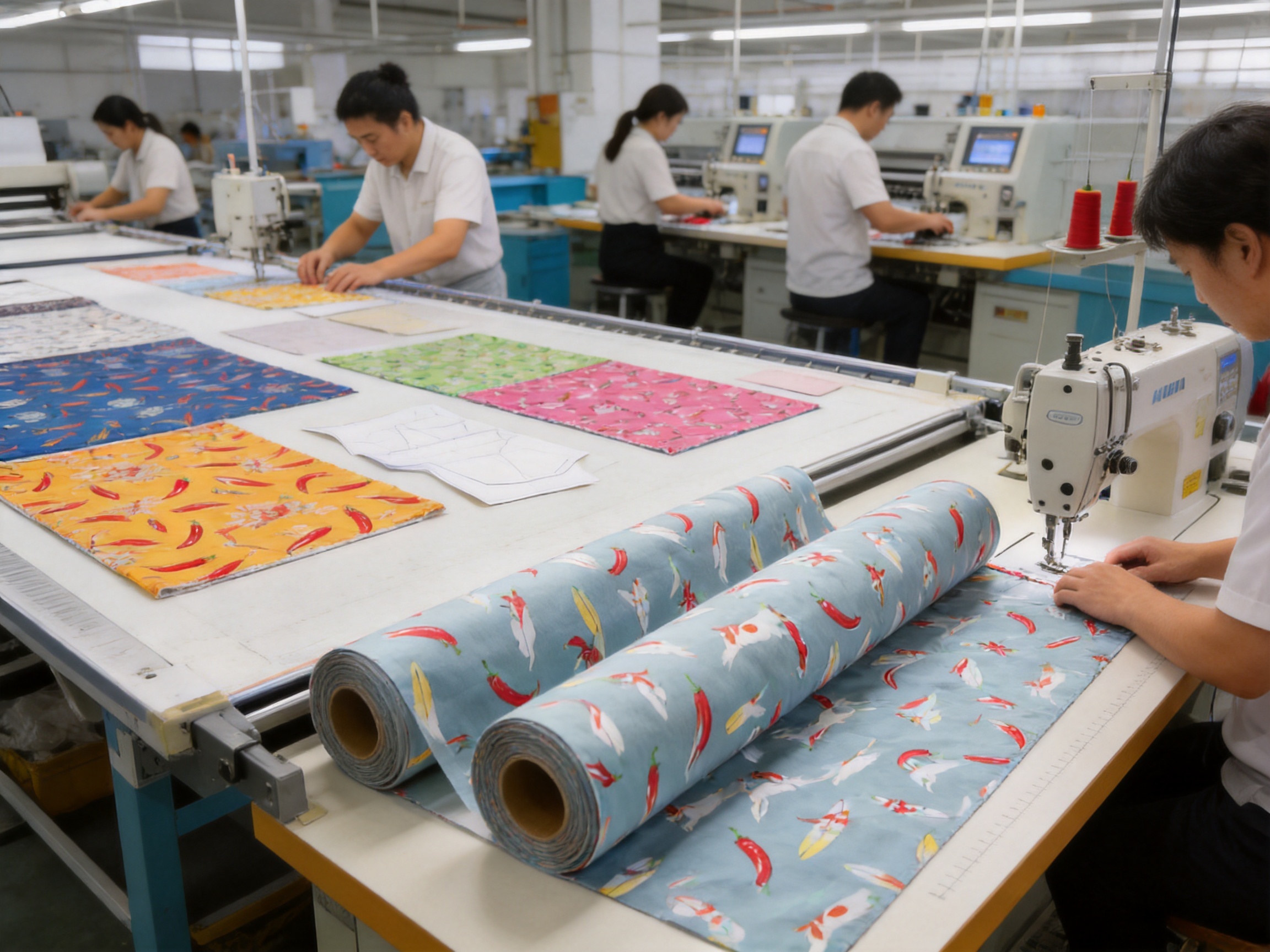
Search and product messaging should focus on the actual needs of buyers and consumers. Useful terms include premium breathable underwear, organic bamboo underwear, breathable men’s loungewear, printed pajama shorts, lightweight sleep shorts, custom sleepwear, private-label pajama shorts, OEM underwear manufacturer, and ODM loungewear supplier.
These terms should be used naturally and accurately. Printed pajama shorts are not automatically underwear, and a bamboo product should not be described as organic bamboo unless the material and certification support that claim. Accurate positioning protects both search performance and customer confidence.
Retail buyers may emphasize breathable comfort, print variety, size consistency, reliable repeat orders, packaging readiness, and seasonal merchandising. A strong product description should explain how the item fits into the assortment and what problem it solves for the customer.
Private labels may prioritize exclusive artwork, custom labels, controlled production, minimum order flexibility, fabric development, and confidential design handling. The manufacturer should be able to document approvals and maintain the same standard across repeat orders.
Distributors may need stable core colors, multiple sizes, predictable lead times, carton efficiency, and documentation for several downstream customers. A proven base style with multiple approved prints can help simplify inventory planning.
Sustainability-focused brands should make specific, supportable claims. They may evaluate certified fibers, chemical management, factory social compliance, packaging materials, supply-chain traceability, durability, and product life. A longer-lasting garment can reduce replacement frequency, but durability claims should be supported by appropriate testing.
Product development risks can usually be reduced through early decisions. The most common problems arise when the buyer changes fabric, artwork, fit, packaging, or labeling after the sample has already been approved.
To reduce risk, establish a development calendar with defined approval points:
• Concept approval.
• Fabric and color approval.
• Artwork and print strike-off approval.
• First sample approval.
• Size-set approval.
• Pre-production approval.
• Bulk inspection approval.
Changes made after cutting or sewing begins may create additional cost, waste, or delay. If a change is necessary, the buyer and factory should document its effect on price, schedule, material consumption, and quality.
Repeat orders also require control. A supplier should compare new production against the approved reference, especially when the fabric lot, print batch, thread, elastic, or finishing process changes. A product that was accepted in one season may look different if the factory does not maintain the original standards.
Good communication is a technical advantage. A supplier that asks precise questions can identify hidden problems before they reach production. For example, artwork may contain fine details that cannot reproduce clearly at the selected scale. A requested fabric may not provide enough opacity for the planned color. A label may be too large for a comfortable inner seam. A drawstring may not meet the buyer’s intended safety or presentation requirements.
These issues should be discussed during development, not after the order is packed. Buyers can improve communication by providing annotated sketches, measurement charts, reference samples, artwork files, color references, packaging diagrams, and a written approval record.
The company’s experience with OEM and ODM clients in Europe, North America, and China provides a basis for international product communication. Buyers should use that experience as a starting point and still maintain their own documented specifications.
Before placing an order for printed pajama shorts, confirm the following:
□ The target market, customer profile, and climate are defined.
□ The fabric composition and weight are approved.
□ Breathability, softness, opacity, and wash performance have been reviewed.
□ The size chart includes garment measurements and tolerances.
□ The waistband design and drawstring details are confirmed.
□ The print artwork, repeat, colors, and placement are approved physically.
□ The sample has been tried on and checked after laundering.
□ Labels, packaging, and care instructions are compliant with the destination market.
□ Certification documents have been checked for validity and scope.
□ The quality-control standard defines acceptable defects.
□ The production timeline includes sampling, approvals, manufacturing, inspection, and shipment.
□ The quotation identifies all development, packaging, testing, and inspection costs.
This checklist is useful for both a first order and a repeat program. It creates a common working reference for the buyer, product developer, factory, inspector, and logistics team.
Printed Pajama Shorts provide a strong combination of breathable comfort, relaxed movement, lightweight warm-weather wear, and visual differentiation. Their printed surface gives retailers more merchandising options than a plain basic, while the underlying construction remains simple enough to support efficient collection development.
The strongest version of this product depends on several linked decisions: a suitable fabric, a tested fit, a comfortable waistband, smooth seams, durable print performance, accurate cutting, controlled sewing, and reliable final inspection. A supplier with textile research, underwear manufacturing expertise, OEM/ODM capability, natural-fiber development, and traceable production resources can help manage these requirements from concept to shipment.
Nantong Tianhong Textile Technology Co., Ltd. offers a manufacturing profile aligned with this type of project. Established in 2001 in Nantong, China, the company provides underwear research, manufacturing, sales, OEM/ODM services, and international customer support. Its focus on sustainable development, functional environmentally friendly fabrics, and supply-chain management is relevant to buyers looking for more than a basic cut-and-sew service.
For the best result, buyers should treat printed pajama shorts as a complete product system rather than a simple printed garment. Approve the material, test the fit, verify the print, define quality requirements, review certification scope, and communicate all commercial details before bulk production. That process gives the final product a better chance of delivering the comfort, appearance, consistency, and repeat-order reliability expected by both retailers and end consumers.
1. International Organization for Standardization. Textile testing, colorfastness, dimensional stability, and fiber-related testing principles.
2. OEKO-TEX Association. Standard 100 framework for testing textiles for harmful substances.
3. Global Organic Textile Standard. Requirements for organic fibers, processing, manufacturing, environmental management, and social criteria.
4. Organic Content Standard. Chain-of-custody and organic-material verification principles.
5. Forest Stewardship Council. Responsible material and chain-of-custody certification principles for applicable forest-based fibers and packaging.
6. International Labour Organization. Fundamental principles and rights at work and guidance for responsible textile production.
7. Apparel quality-control manuals covering garment measurement, sewing defects, inspection procedures, and wash testing.
8. Product development information supplied for Printed Pajama Shorts and the manufacturing capabilities of Nantong Tianhong Textile Technology Co., Ltd.

Copyright © Nantong Tianhong Textile Technology Co., Ltd. All Rights Reserved.
 Room 806, Building D, Jingyang Plaza, Chongchuan District, Nantong City, Jiangsu Province,china




 English
 Español
 русский
 عربى