Content
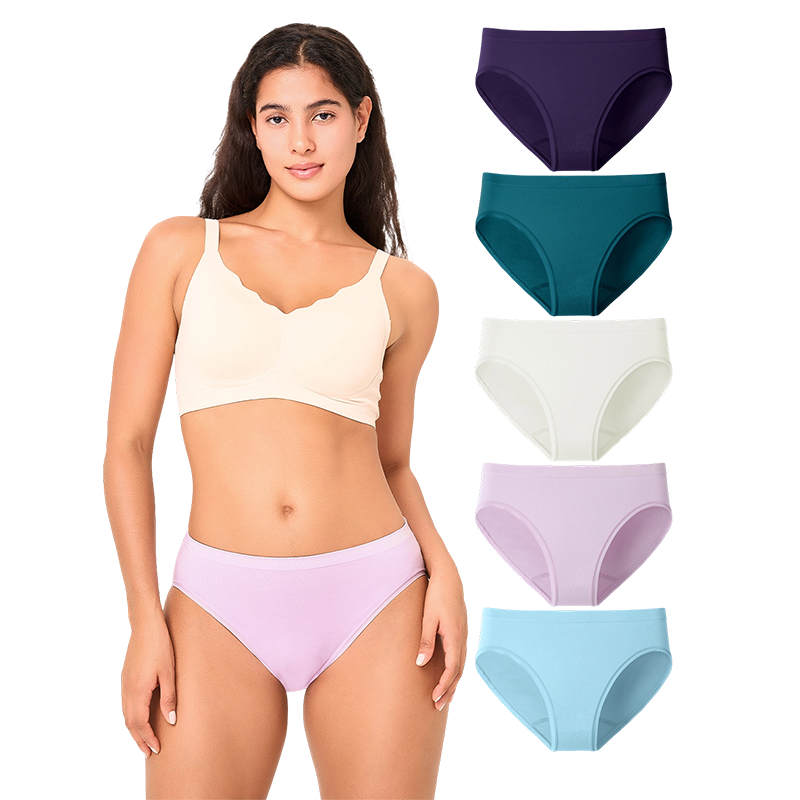
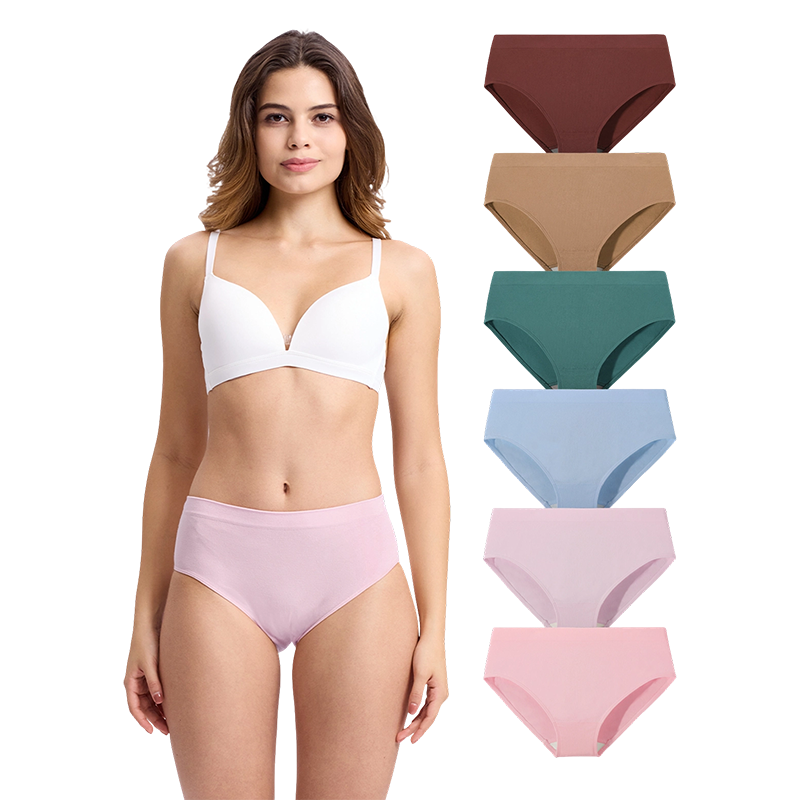
Women's bikini underwear is one of the most essential daily garments because it sits closest to the skin for long hours, moves with the body, and directly affects comfort, confidence, freshness, and the appearance of outer clothing. A well-designed bikini brief should not simply cover the body; it should support natural movement, reduce friction, maintain breathability, and remain soft wash after wash. The Women's Bikinis presented here are designed around those everyday requirements, combining a bamboo-derived viscose blend, a mid-rise silhouette, a tagless interior, seamless-feel construction details, and a double-layered crotch for reliable all-day wear.
Made from 80% viscose made from bamboo, 15% polyamide, and 5% spandex, this underwear balances natural-feeling softness with functional stretch and shape retention. The bamboo-derived viscose provides a smooth, skin-friendly touch and enhanced breathability, while polyamide contributes durability and resilience. Spandex adds elasticity, helping the garment follow the body without feeling restrictive. Together, these fibers create a bikini brief that is soft, flexible, breathable, and suitable for daily wear across work, travel, leisure, and sleep.
Unlike ordinary cotton underwear that may absorb moisture and feel damp for extended periods, this bamboo viscose blend is designed to feel lighter and more moisture-managing against the skin. Unlike low-cost synthetic underwear that may feel slick but trap heat, this fabric offers a more natural soft hand while still providing stretch and recovery. The result is underwear that addresses common consumer pain points: chafing, visible lines, waistband irritation, odor discomfort, poor airflow, and loss of shape after repeated use.
Nantong Tianhong Textile Technology Co., Ltd. manufactures underwear products with a strong focus on functional fabrics, sustainable development, OEM/ODM service, traceable supply chain management, and consistent quality control. Established in 2001 in Nantong, an important textile industry center in China, the company has developed long-term experience in underwear research, product development, manufacturing, and sales. Its strengths include material development, pattern optimization, comfort engineering, production management, and quality assurance for global clients in Europe, North America, and China.
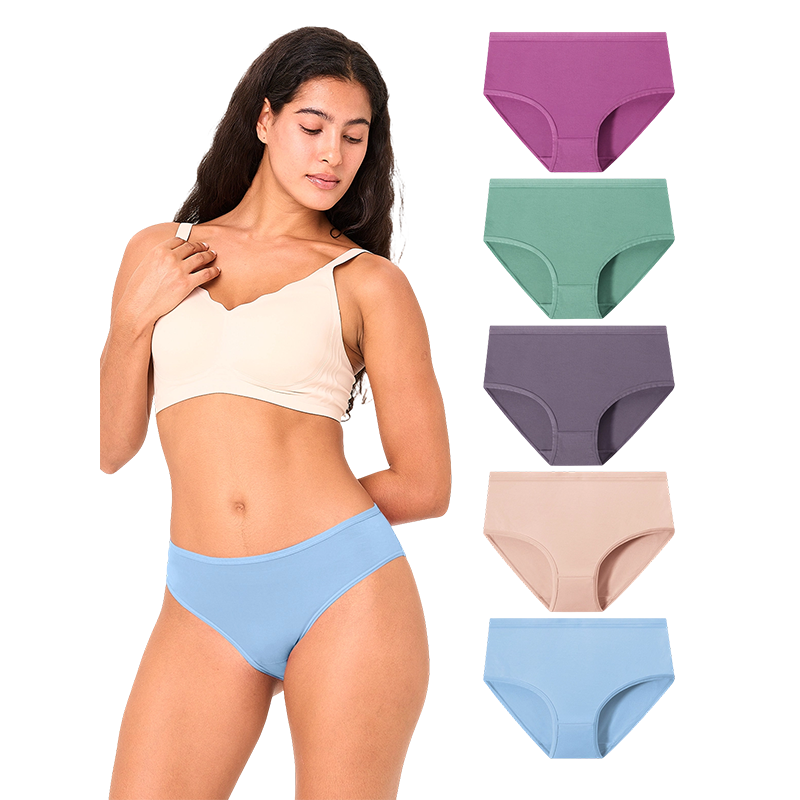
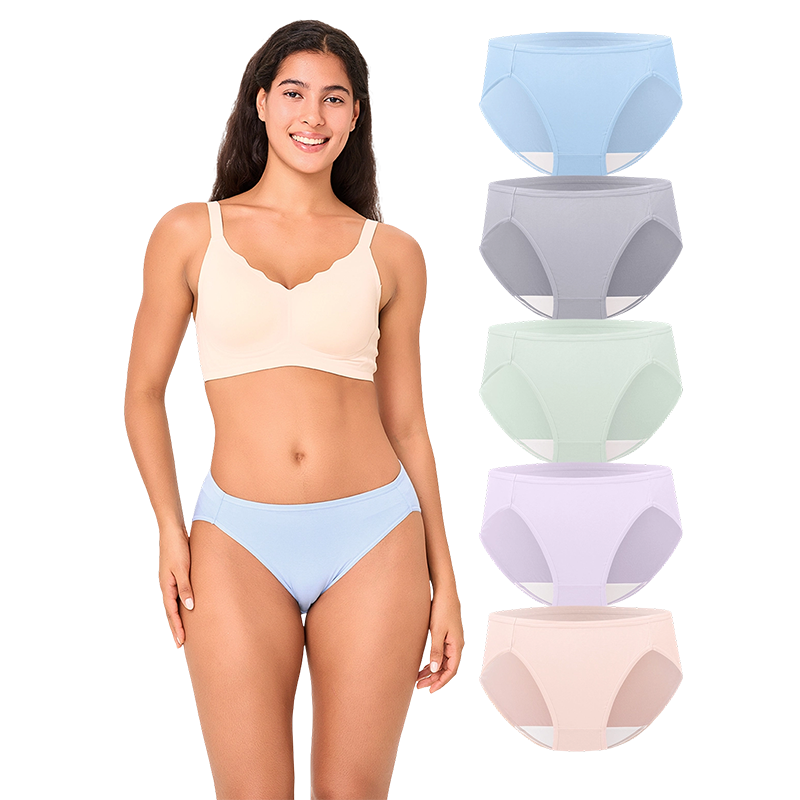
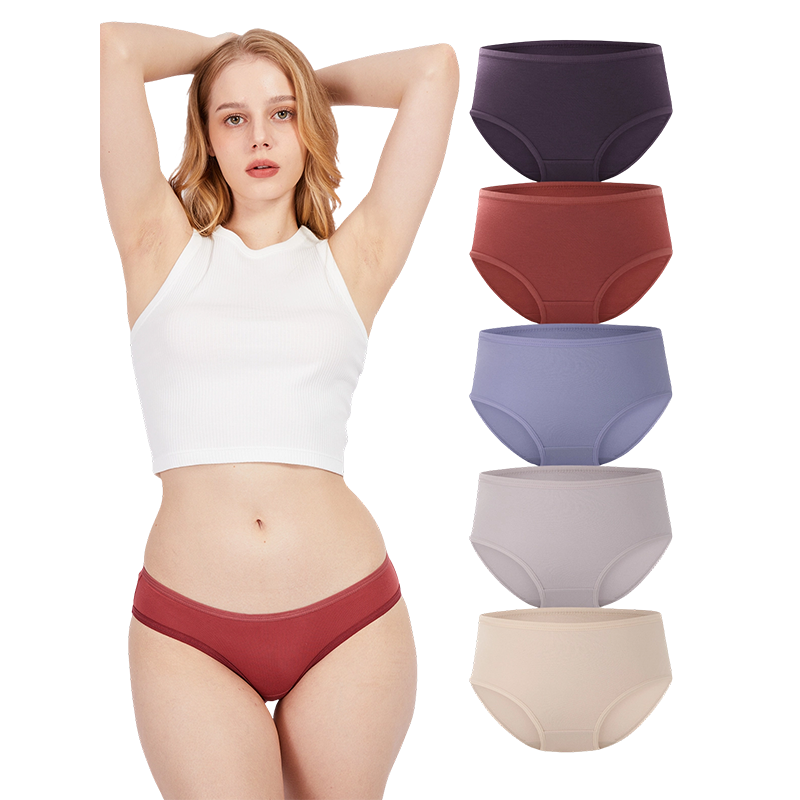
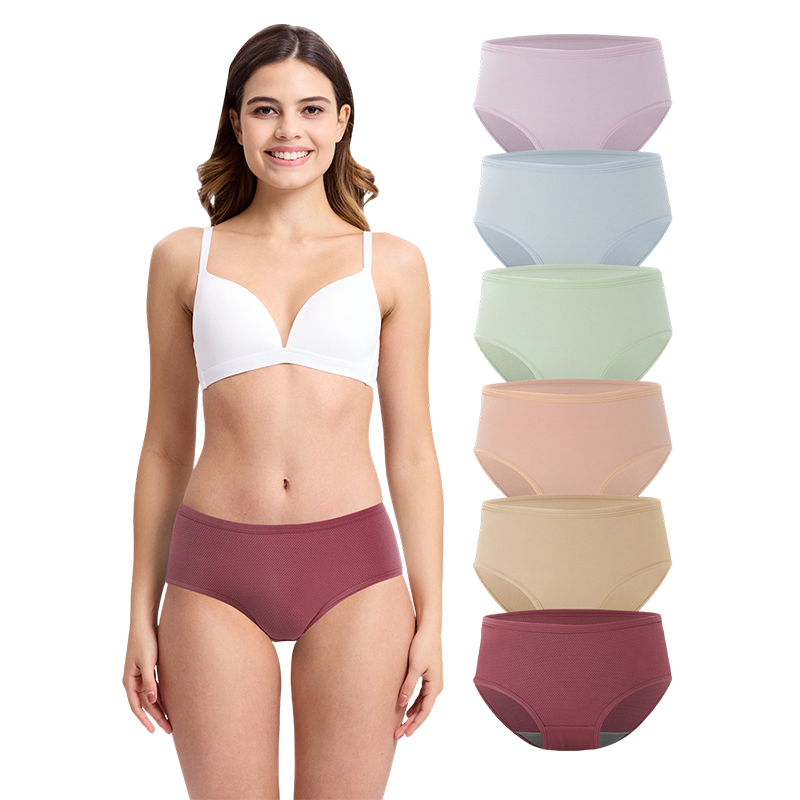
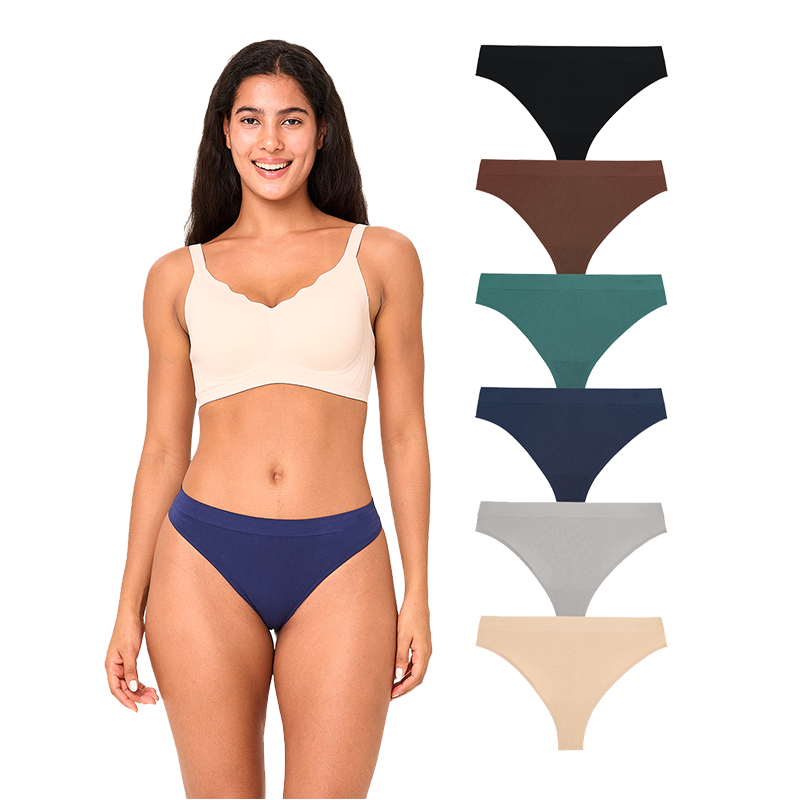
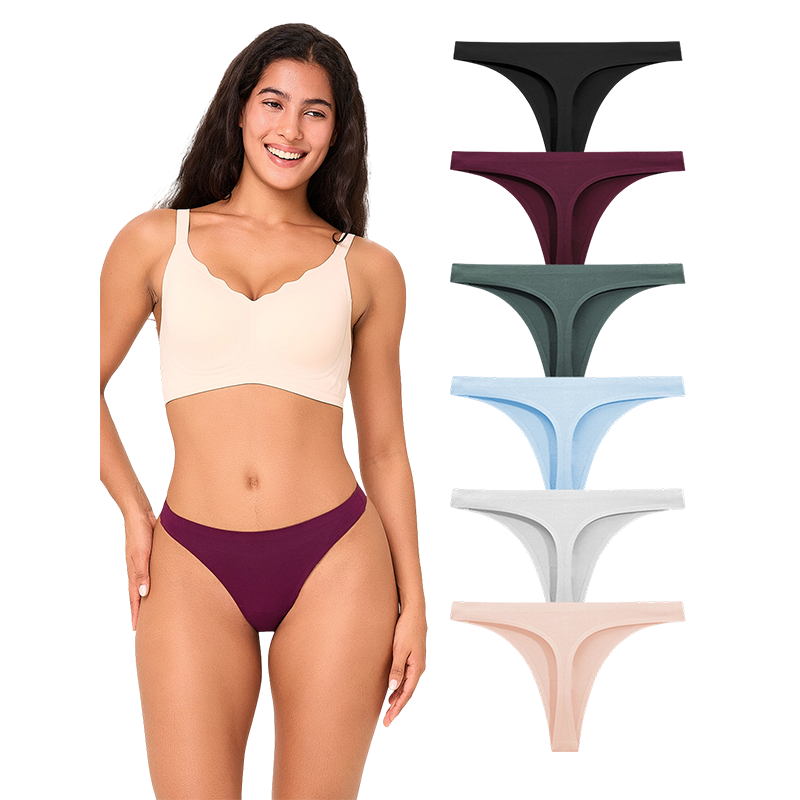
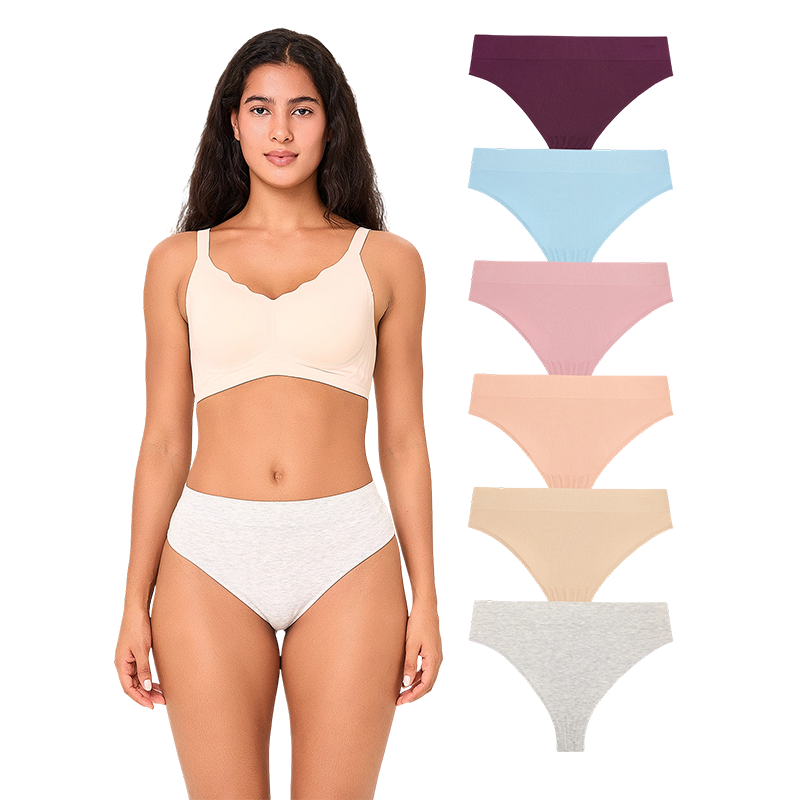
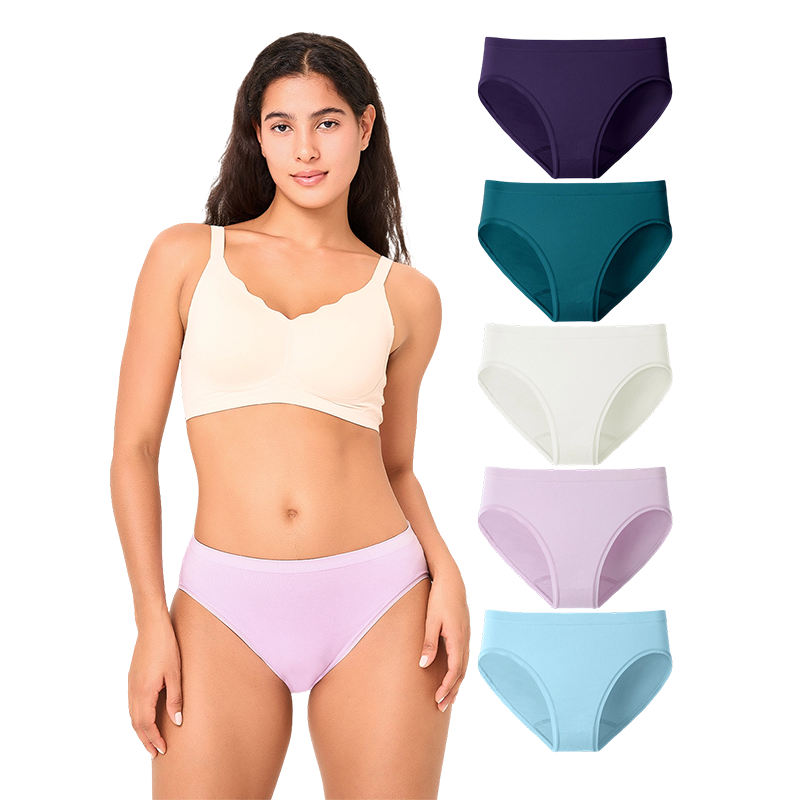
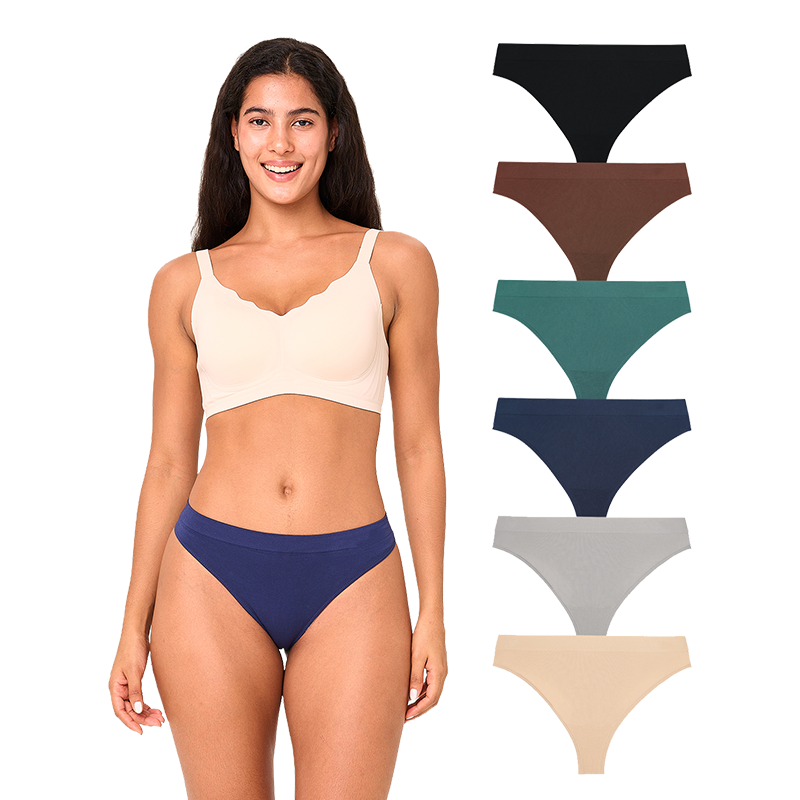
The Women's Bikinis belong to the Women's Bikinis/Thongs category and are designed as comfortable mid-rise bikini briefs. The cut is practical, feminine, and versatile. It provides more coverage than a thong while remaining lighter and sleeker than traditional full briefs. This makes it suitable for customers who want a balance between comfort, moderate coverage, smooth styling, and everyday practicality.
The mid-rise design allows the waistband to sit naturally and comfortably around the waistline without digging into the abdomen. This is important because underwear that is too low can shift during movement, while underwear that is too high may show under certain outfits or feel bulky. The mid-rise silhouette helps create a secure but easy fit, supporting daily activity without constant adjustment.
A tagless design further enhances comfort. Traditional sewn-in labels can scratch, curl, or irritate the skin, especially during warm weather or long days. By eliminating the irritation associated with tags, the underwear feels smoother and cleaner inside. This detail may seem small, but it can significantly improve the wearing experience because underwear is worn directly against sensitive areas of the body.
The product also features a double-layered crotch. This construction supports hygiene, comfort, and durability. A properly designed crotch area helps improve airflow, reduces discomfort, and provides a cleaner feel throughout the day. For women's underwear, this is a critical feature because the gusset area must be soft, breathable, and constructed with care.
The seamless-feel side and waistband design reduces friction against the skin and helps create a smoother silhouette under outerwear. Many customers choose bikini underwear because they want something comfortable but still discreet under jeans, dresses, leggings, office trousers, or lounge clothing. The reduced-friction design helps prevent rough seams from rubbing against the hips, waist, and upper legs.
The material composition is central to the product's value. The fabric blend uses 80% viscose made from bamboo, 15% polyamide, and 5% spandex. Each component plays a specific role in the final wearing experience. The bamboo-derived viscose contributes softness, breathability, and a smooth surface. Polyamide supports durability, improves fabric strength, and helps the garment maintain a refined structure. Spandex provides stretch, flexibility, and recovery, allowing the underwear to fit the body comfortably without sagging or feeling tight.
Bamboo-derived viscose is widely appreciated in intimate apparel because it can provide a silky soft hand feel. When processed into fine textile fibers, it creates fabric that feels smooth and gentle on the skin. This softness is especially valuable for underwear, where even minor roughness can become uncomfortable after several hours of wear.
Breathability is another important advantage. Daily underwear must manage heat and moisture generated by body movement, sitting, walking, and changing environments. A breathable fabric helps support airflow and reduces the feeling of trapped heat. This is particularly beneficial for people who wear underwear for long workdays, during commuting, or in warm seasons.
Moisture management is also essential. Cotton is naturally comfortable, but it can hold moisture and take longer to feel dry. Many low-cost synthetic fabrics may dry quickly but can feel less breathable or less natural against the skin. The bamboo viscose blend used in this product aims to offer a middle ground: a soft natural-feeling surface with improved breathability and moisture-wicking comfort compared with conventional cotton underwear.
The inclusion of polyamide improves overall fabric performance. Purely soft fibers may feel pleasant but can lack long-term strength. Polyamide helps the fabric resist wear, maintain structure, and support a cleaner fit. This is useful for underwear that must handle repeated washing, stretching, folding, and daily movement.
The 5% spandex content is carefully selected to provide stretch without making the garment feel overly tight. In underwear, too little stretch can cause shifting, bunching, or poor fit. Too much compression can feel restrictive and uncomfortable. A balanced spandex level allows the bikini brief to move with the body while preserving freedom of movement.
In a crowded underwear market, many products look similar at first glance. However, the true difference appears after hours of wear and repeated laundering. The Women's Bikinis stand out because they are engineered around softness, breathability, reduced friction, fit stability, and manufacturing consistency rather than only visual appearance.
Compared with ordinary cotton bikini underwear, this product provides a smoother and more elastic feel. Cotton can be comfortable, but it often lacks the same level of stretch recovery unless blended with elastane. Cotton may also become damp during humid conditions or after extended activity. The bamboo-derived viscose blend supports a fresher, lighter wearing sensation and improved moisture management.
Compared with low-cost polyester or nylon underwear, this product offers a softer, more skin-friendly touch. Some synthetic underwear is designed mainly for low production cost or quick drying, but it may not deliver the same breathable, gentle, natural-feeling comfort. The high percentage of bamboo-derived viscose gives the fabric a luxurious hand feel that many consumers associate with premium underwear.
Compared with underwear that uses bulky seams, this bikini brief reduces friction through a smoother side and waistband approach. Rough seams can rub against the skin during walking, sitting, or exercising. Over time, this may cause irritation. The friction-free comfort design helps make the underwear suitable for all-day wear, including active schedules.
Compared with underwear that uses traditional labels, the tagless design improves comfort and appearance. A scratchy tag can ruin an otherwise good garment. A tagless approach reflects attention to detail and consumer experience. It also creates a cleaner interior surface.
Compared with cheaper underwear that uses single-layer or poorly constructed gussets, the double-layered crotch provides better practical performance. This area is one of the most important parts of women's underwear because it influences hygiene, airflow, durability, and comfort. A thoughtful double-layer construction gives the product an advantage in daily reliability.
| Feature | Women's Bamboo Bikini Underwear | Ordinary Cotton Underwear | Low-Cost Synthetic Underwear |
| Main Comfort Feel | Ultra-soft, smooth, breathable, and stretchy | Soft but may become damp or heavy | Can feel slick, hot, or less natural |
| Moisture Management | Designed for breathability and moisture-wicking comfort | Absorbs moisture and may dry slowly | May dry quickly but can trap heat |
| Fit and Movement | 5% spandex supports flexible body movement | May stretch out depending on blend | Can feel tight or lack softness |
| Skin Comfort | Tagless and reduced-friction construction | May include bulky seams or labels | May cause rubbing if seams are rough |
| Crotch Design | Double-layered for comfort and airflow | Varies by price and construction | Often simplified in budget products |
| Premium Value | Combines softness, function, and manufacturing control | Familiar but less performance-oriented | Cost-focused with possible comfort trade-offs |
The fabric is described as soft and stretchy, and this is one of the most important selling points. Underwear needs to follow the curves of the body without creating pressure points. A stiff or poorly elastic fabric may pull at the hips, ride up, fold at the waistband, or lose shape during the day. The bamboo viscose, polyamide, and spandex blend solves these issues by combining softness with controlled elasticity.
The softness comes primarily from the bamboo-derived viscose. This fiber creates a smooth hand feel that is ideal for direct skin contact. Many customers who try bamboo viscose underwear notice that it feels softer than conventional cotton and less synthetic than basic performance underwear. This creates a premium sensation from the first touch.
The stretch comes from spandex and the fabric engineering. The underwear can expand with body movement and return to its intended shape. This matters during sitting, bending, walking, climbing stairs, and sleeping. A garment that moves with the body feels almost invisible, while a garment that resists movement constantly reminds the wearer that it is there.
Fit is also improved by the mid-rise design. Because the waistband sits near the natural waistline, the underwear can stay more stable during movement. A stable fit means fewer adjustments, less bunching, and a cleaner appearance under clothing. For daily underwear, this reliability is more valuable than dramatic styling.
The fabric's breathability enhances the feeling of freshness. A good underwear fabric should not feel suffocating. The product's moisture-wicking and breathable qualities help reduce the damp, sticky sensation that may occur with less breathable fabrics. This is especially relevant for customers who live in warm climates, work long shifts, commute, or wear fitted clothing.
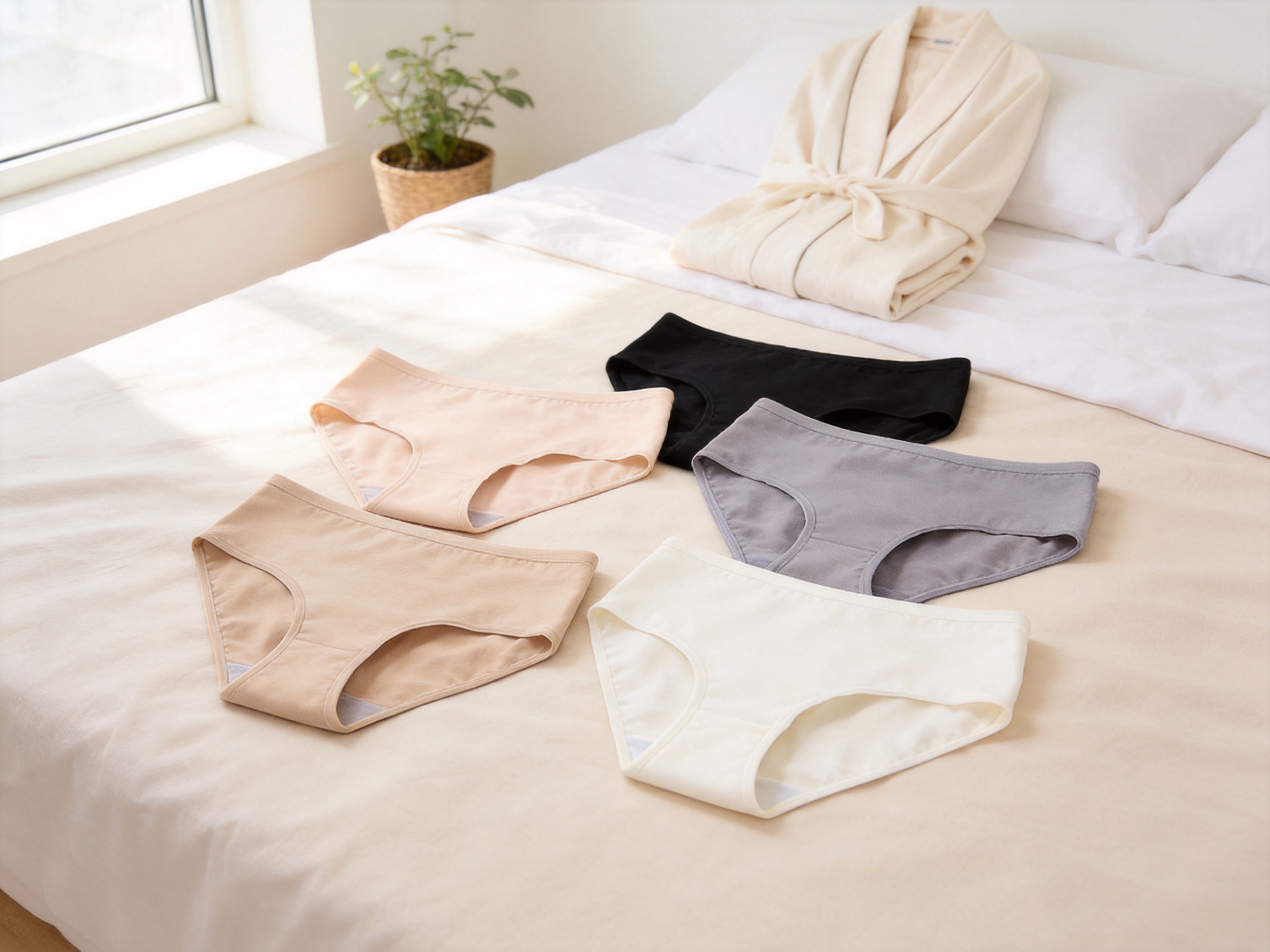
Friction is one of the most common causes of underwear discomfort. Even a small seam or raised waistband can become irritating after hours of rubbing against the skin. The Women's Bikinis are designed to reduce friction along the sides and waistband, creating a smoother, more pleasant wearing experience.
Reduced friction benefits the skin, but it also benefits the appearance of outer clothing. Bulky seams can create visible lines beneath leggings, skirts, dresses, or slim trousers. A smoother construction helps create a cleaner silhouette. This makes the underwear suitable for a wide range of outfits, from casual clothing to professional wear.
The waistband design is especially important. A poorly designed waistband may roll, dig in, or leave marks on the skin. A soft, flexible waistband helps distribute pressure more evenly. When combined with the mid-rise cut, it can sit securely without feeling tight or restrictive.
The side construction also matters because the hips experience frequent movement and contact with outerwear. Seams in this area can rub during walking or exercise. By improving side comfort, the product becomes more suitable for daily activities and extended wear.
Smooth underwear is not only about invisibility; it is about confidence. When underwear stays in place, does not scratch, and does not create obvious lines, the wearer can focus on daily life rather than adjusting clothing. This practical confidence is a major advantage in premium everyday underwear.
The double-layered crotch is a key functional feature. Women's underwear must provide reliable comfort in one of the body's most sensitive areas. The crotch construction should be breathable, soft, stable, and hygienic. A double-layer design improves practical performance by providing an additional layer of comfort and structure.
Better airflow is important for freshness. When fabric traps heat and moisture, discomfort can increase. The bamboo-derived viscose blend helps support breathability, while the double-layered crotch is designed to provide comfort without excessive bulk. This balance is important because too much thickness can feel heavy, while too little structure may feel inadequate.
The product information emphasizes healthy fabrics and odor reduction. While underwear cannot replace personal hygiene, breathable and moisture-managing fabrics can help reduce the conditions that lead to unpleasant odor. A fresher feeling throughout the day is a major reason customers seek premium underwear.
The double-layer crotch also contributes to durability. This area experiences repeated stress during movement and laundering. A carefully constructed gusset helps the garment maintain integrity and comfort over time. For manufacturers and buyers, this is an important quality marker because the crotch area is often where low-quality underwear reveals weaknesses.
From a product development perspective, the gusset must be aligned with the body's natural shape. If it is too narrow, too stiff, or poorly placed, the underwear may shift or feel uncomfortable. A well-designed double-layered crotch demonstrates attention to fit engineering and end-user comfort.
The mid-rise bikini silhouette is one of the most versatile underwear cuts for modern wardrobes. It provides enough coverage for comfort but avoids the bulk of high-rise briefs. It is practical for jeans, skirts, office trousers, loungewear, and sleepwear. The natural waistline positioning helps the garment remain stable without feeling overly high or restrictive.
The tagless design further supports the product's comfort promise. Labels are a common complaint in intimate apparel because they may scratch, irritate, or become visible through thin fabrics. Removing the physical tag improves the interior finish and helps create a wearing sensation closer to nothing but comfort.
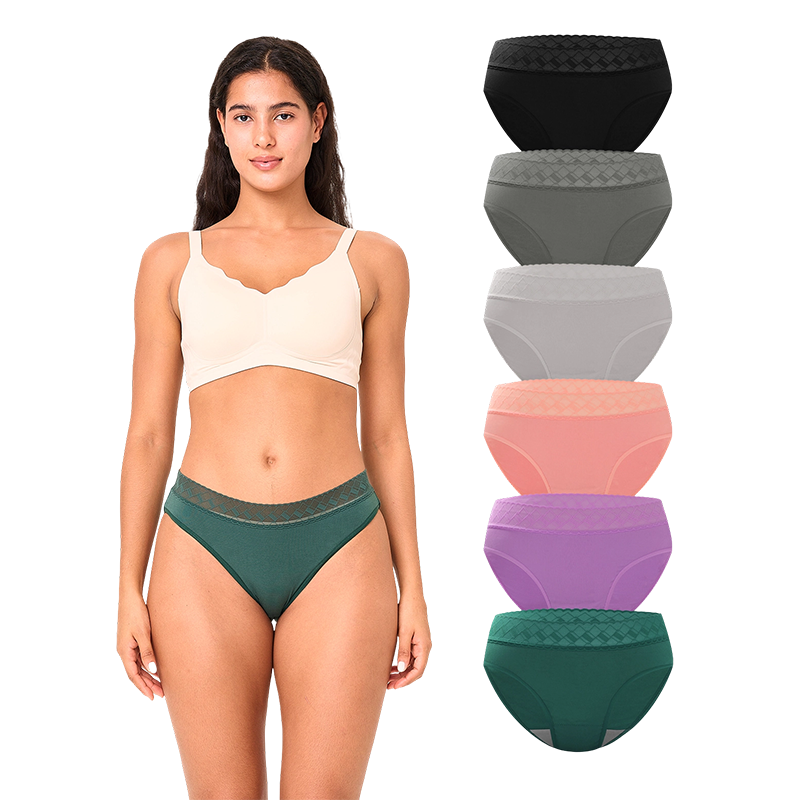
The combination of mid-rise fit and tagless finishing is especially valuable for consumers who prioritize comfort over decoration. Many underwear products rely on lace, prints, or visual details to attract attention, but those details can sometimes reduce comfort. This product focuses on what matters most in daily underwear: a soft touch, reliable fit, breathable wear, and irritation reduction.
The mid-rise design also supports a flattering silhouette. It rests comfortably at the natural waistline and can visually smooth the transition between the waist, hips, and lower abdomen. When underwear fits correctly, outer clothing tends to sit better. This creates both physical comfort and aesthetic confidence.
Product quality depends not only on fabric and design but also on the manufacturer's technical capability. Nantong Tianhong Textile Technology Co., Ltd. has been operating since 2001 and is located in Nantong, a region known for textile expertise. This background gives the company access to textile talent, material resources, production infrastructure, and industry knowledge.
The company specializes in the research, manufacturing, and sales of underwear products. This focus is important because intimate apparel requires specialized knowledge. Underwear production is not the same as ordinary garment manufacturing. It requires precise pattern making, delicate fabric handling, elastic control, seam comfort, size grading, shrinkage management, and strict quality inspection.
Nantong Tianhong provides OEM and ODM products and services for well-known labels and has built long-term partnerships with clients in Europe, North America, and China. OEM service allows brands to manufacture products according to their specifications, while ODM service supports product development from concept to finished garment. This flexibility is valuable for buyers who need custom materials, colors, packaging, sizing, and design adjustments.
The company's focus on sustainable development and environmentally friendly functional fabrics aligns with the growing demand for responsible underwear. Consumers increasingly care about comfort, health, environmental impact, and supply chain transparency. By emphasizing natural fiber fabrics, traceable supply chain management, and recognized certification systems, the company positions itself as a serious partner for premium underwear development.
The company's product-related certifications and management standards include references such as FSC, OCS, OEKO-TEX 100, GOTS, WRAP, and BSCI. These standards are important in global textile trade because they relate to material sourcing, organic content, chemical safety, responsible production, ethical compliance, and factory management. For international buyers, such systems reduce sourcing risk and support brand credibility.
A premium bikini brief begins long before sewing. The manufacturing process starts with material selection. The fiber blend must meet requirements for softness, elasticity, durability, breathability, dyeing performance, and shrinkage stability. The 80% bamboo-derived viscose, 15% polyamide, and 5% spandex blend is selected to deliver a balanced performance profile for intimate apparel.
Fabric development includes controlling yarn quality, knitting density, stretch direction, weight, surface smoothness, and hand feel. Underwear fabric must be soft enough for sensitive skin but stable enough for cutting and sewing. If the fabric is too loose, it may lose shape; if it is too dense, it may feel less breathable. The manufacturing team must balance these properties carefully.
Pattern design is the next critical stage. The bikini shape must accommodate the female body's natural curves while remaining comfortable in multiple positions. The rise, leg opening, waistband angle, crotch width, and side seam placement all influence comfort. Even small measurement changes can affect whether underwear rides up, rolls down, or stays smooth.
Cutting accuracy is essential for consistent sizing. Stretch fabrics require careful handling because they can distort if pulled during spreading or cutting. Advanced production management helps ensure that each cut panel matches the intended pattern. This consistency is particularly important for OEM/ODM clients who need reliable fit across bulk orders.
Sewing and assembly require skilled operators and appropriate machinery. Seams in intimate apparel must be secure but not rough. Elastic components must be applied with controlled tension. Too much tension causes tightness and marks; too little tension causes looseness and poor recovery. The seamless-feel side and waistband design depends on careful technical execution.
For the crotch area, double-layer construction must be aligned accurately. Misalignment can create discomfort or visible irregularities. Quality-focused manufacturing ensures that the gusset remains smooth, soft, and properly positioned. This step is one of the clearest indicators of underwear manufacturing expertise.
Finishing includes thread trimming, shape checking, measurement verification, fabric surface inspection, and packaging preparation. Tagless printing or label-free finishing must be clean and durable. The final garment should look neat, feel soft, and match size specifications.
Quality inspection is performed throughout production rather than only at the end. Fabric inspection helps identify defects before cutting. In-line inspection catches sewing problems early. Final inspection verifies measurements, appearance, comfort details, and packaging. This layered quality control reduces defects and supports stable delivery for global buyers.
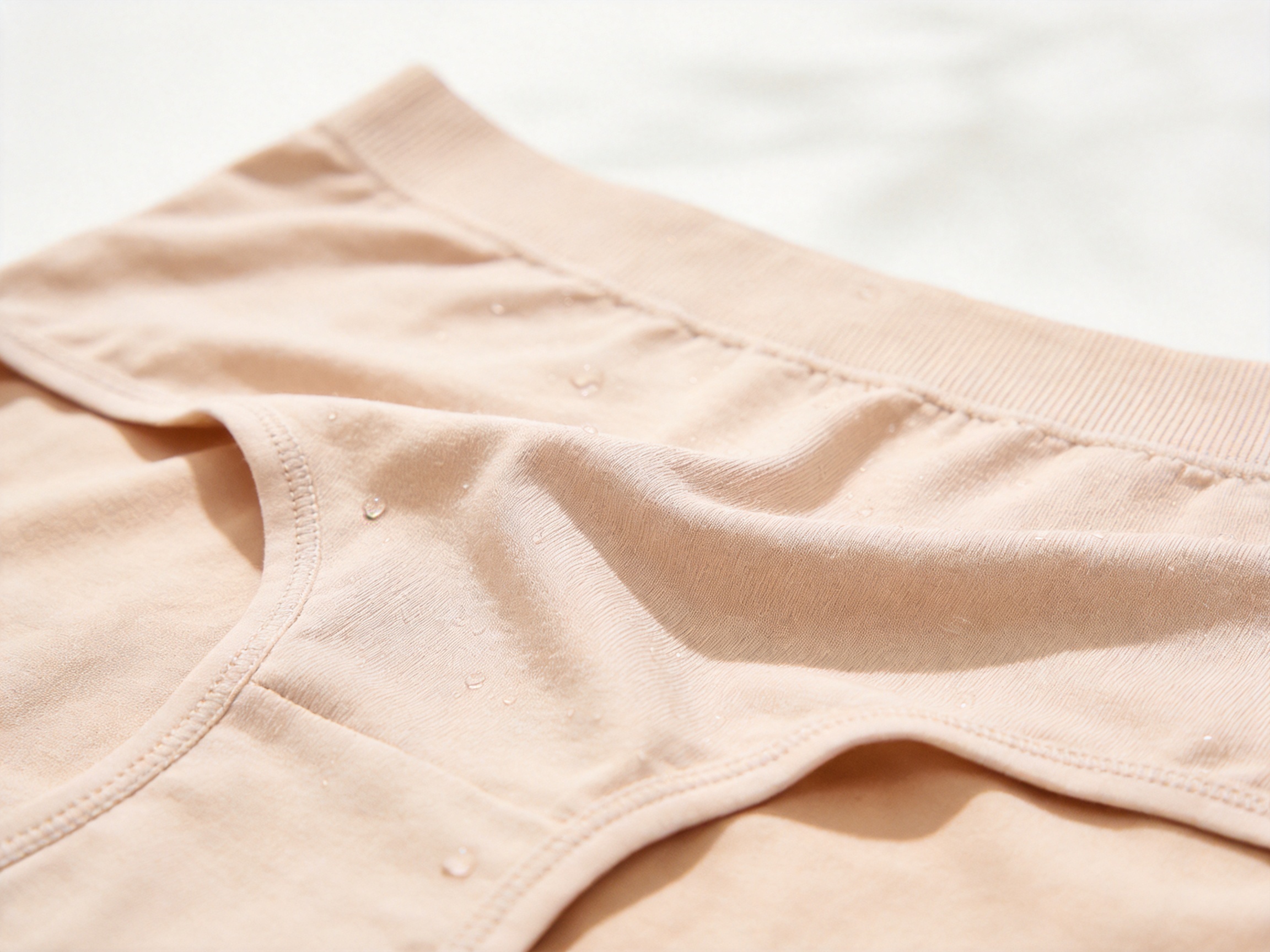
For brands, wholesalers, retailers, and private-label buyers, the Women's Bikinis offer strong customization potential. Nantong Tianhong's OEM/ODM capability allows customers to develop underwear lines according to target markets, price levels, consumer preferences, and branding requirements.
Customization can include fabric weight, color palette, size range, waistband style, packaging, logo application, printed care information, and assortment planning. For example, a brand focused on premium breathable underwear may emphasize neutral colors and minimalist packaging. A lifestyle brand may prefer seasonal colors and multipack options. A sustainability-oriented brand may focus on bamboo-derived viscose, traceable sourcing, and responsible packaging.
ODM development is especially useful for buyers who need product design support. The manufacturer can help transform a product idea into workable patterns, samples, fit adjustments, and production specifications. This reduces development time and helps avoid common mistakes in underwear design.
OEM production is ideal for buyers who already have established designs and need a reliable factory partner. In this model, consistency, confidentiality, quality control, and delivery management are essential. Nantong Tianhong's experience with international clients supports these requirements.
The company's ability to serve clients in Europe, North America, and China suggests familiarity with different sizing systems, quality expectations, compliance needs, and market preferences. This international experience is a major advantage for buyers seeking a stable manufacturing partner rather than a short-term supplier.
Sustainability is no longer a niche concern in underwear manufacturing. Consumers increasingly want garments that are comfortable, durable, and responsibly made. The use of bamboo-derived viscose supports a natural-fiber-oriented product story, while the company's broader focus on environmentally friendly functional fabrics and traceable supply chains strengthens credibility.
Bamboo as a raw material is often discussed in sustainable textile conversations because bamboo plants can grow rapidly and require relatively efficient land use. When converted into viscose, however, responsible processing and supply chain control become important. This is why certification systems and chemical safety standards matter in the textile industry.
OEKO-TEX 100 is widely recognized for testing textiles for harmful substances. GOTS and OCS relate to organic textile claims and content verification. FSC is relevant to responsibly sourced cellulosic materials. WRAP and BSCI relate to responsible production and social compliance. The presence of these standards in a manufacturer's system helps reassure buyers that products can be developed with global compliance expectations in mind.
Durability is also part of sustainability. Underwear that loses shape quickly, irritates the skin, or becomes uncomfortable after a few washes is likely to be discarded sooner. By combining durable polyamide, stretch-supporting spandex, and soft bamboo-derived viscose, the product aims to maintain comfort and fit through repeated use. Longer-lasting garments can reduce waste and improve consumer satisfaction.
Responsible manufacturing also involves efficiency. Good pattern planning can reduce fabric waste. Stable quality control reduces defective products. Traceable supply chain management supports accountability. These behind-the-scenes processes are important because sustainability is not only about material choice; it is also about how the product is made, inspected, packaged, and delivered.
The Women's Bikinis are designed for daily use, but daily use includes many different scenarios. A customer may wear the same type of underwear while sitting at a desk, commuting, walking, shopping, traveling, relaxing at home, or sleeping. The product must therefore be versatile rather than specialized for only one activity.
Hand feel is the first sensory impression a customer experiences when touching underwear. However, it is also a predictor of wearing comfort. A fabric that feels rough, stiff, or plasticky in the hand is unlikely to feel pleasant after hours of direct skin contact. The Women's Bikinis use bamboo-derived viscose to create an ultra-soft fabric surface that enhances perceived and actual comfort.
Softness is not only emotional; it is functional. Softer fabrics reduce friction and are less likely to create irritation. They can also make the garment feel lighter and more premium. In underwear, this sense of comfort can strongly influence repeat purchase behavior. Customers often return to products that feel good all day without requiring attention.
The fabric's smoothness also contributes to a refined look. A smoother surface can appear more elegant and higher quality than coarse fabric. This matters for private-label brands that want to build a premium image in the women's underwear market.
At the same time, softness must be balanced with durability. Extremely soft fabrics can sometimes pill, stretch out, or lose shape if not engineered correctly. The addition of polyamide and spandex helps support strength and recovery, making the fabric more suitable for repeated wear and washing.
For individual consumers, comfort is the most visible benefit. For business buyers, consistency is equally important. A product must not only feel good in a sample; it must remain consistent across production batches. Nantong Tianhong's manufacturing strengths support reliable bulk production through process control and inspection.
Quality control begins with raw material evaluation. Fabric must be checked for color consistency, weight, stretch, shrinkage, and surface defects. If material quality varies, finished underwear will vary as well. Careful incoming inspection reduces this risk.
During cutting, panels must be aligned and cut accurately. Stretch fabrics can create sizing problems if handled incorrectly. Consistent cutting helps ensure that each size fits as intended.
During sewing, seam strength, elastic tension, stitch density, and gusset placement must be monitored. Underwear is a small garment, so minor production errors are easy to feel. A seam that is slightly bulky or an elastic band that is slightly too tight can affect comfort.
Final inspection checks appearance, measurements, workmanship, fabric defects, thread trimming, packaging, and labeling or tagless print clarity. For export markets, packaging accuracy and carton marking are also important. A strong quality system reduces returns, complaints, and brand risk.
For OEM/ODM clients, documentation and communication are also part of quality. Clear specifications, approved samples, production records, and inspection reports help ensure that both buyer and manufacturer share the same expectations. This professional workflow is a key advantage when developing premium breathable underwear for international markets.
The Women's Bikinis are not overly complicated, and that is one of their strengths. The best everyday underwear often uses a minimalist design that focuses on comfort and fit rather than excessive decoration. A clean bikini silhouette can appeal to a wide consumer base because it is practical, flattering, and easy to wear.
The feminine fit comes from the bikini cut, mid-rise waist, and comfortable leg opening. It provides a modern look while remaining functional. This makes it suitable for multipack programs, core underwear collections, and premium basics lines.
Minimalism also supports manufacturing consistency. Complex lace, trims, or decorative hardware can create additional irritation points and quality risks. By focusing on fabric quality, smooth construction, and fit, the product delivers value where it matters most.
For brands, this type of product can serve as a foundation item. It can be offered in essential colors such as black, nude, white, gray, and soft pastels. Seasonal colors can be added without changing the core fit. This allows brands to build continuity while refreshing assortments.
The Women's Bikinis are well positioned in the premium breathable underwear segment. This market is driven by consumers who are willing to choose better materials and construction for daily comfort. They may not want highly expensive luxury lingerie, but they do want underwear that feels noticeably better than basic mass-market products.
Key selling messages include bamboo-derived softness, breathable comfort, moisture-wicking performance, reduced friction, tagless wear, double-layered crotch, and mid-rise everyday fit. These messages are practical and easy for consumers to understand because they relate directly to daily problems.
For online sales, the product can be promoted through comfort-focused descriptions, fabric composition, fit notes, and lifestyle imagery. For retail, the softness of the fabric can be a powerful selling point when customers can touch the product. For private label, the product can be positioned as an organic bamboo underwear or premium breathable underwear item, depending on certification, sourcing, and brand claims.
Wholesale buyers may also appreciate the product's versatility. It can fit multiple channels, including department stores, e-commerce platforms, lifestyle boutiques, subscription underwear programs, and sustainable apparel collections. Because it is a daily basic, it has repeat purchase potential.
Even premium underwear must be easy to care for. Consumers prefer garments that maintain softness, shape, and color through repeated laundering. The fabric blend is designed to support comfort and resilience, but proper care helps extend product life.
Gentle washing is recommended for most underwear made with soft bamboo-derived viscose and spandex blends. Avoiding harsh bleaching and excessive heat can help preserve elasticity and fabric smoothness. Air drying or low-temperature drying is generally better for maintaining stretch recovery.
Durability affects satisfaction because underwear is worn frequently and washed often. A product that feels excellent at first but quickly loses shape will disappoint customers. The polyamide and spandex content helps improve strength and recovery, while manufacturing quality control supports long-term wearability.
Consumer satisfaction often comes from the combination of many small details. Soft fabric, smooth waistband, tagless interior, correct rise, breathable gusset, and stable fit all work together. If any one element fails, the product may feel ordinary. When all elements are aligned, the underwear becomes a trusted daily essential.
For international buyers, the product offers both consumer appeal and manufacturing reliability. The underwear category is competitive, and brands need products that can stand out through genuine comfort advantages. The Women's Bikinis provide a clear product story based on bamboo-derived softness, breathability, stretch, and reduced friction.
Nantong Tianhong's long manufacturing history supports buyer confidence. Since 2001, the company has developed experience in intimate apparel and textile technology. Its location in Nantong gives it access to a strong textile supply chain and skilled production resources.
The company's OEM/ODM service allows buyers to create differentiated product lines. A buyer can request custom colors, packaging, sizing, branding, and product variations. The same core bikini brief can be adapted for different markets, from minimalist premium basics to sustainable lifestyle collections.
Compliance awareness is another business advantage. Export markets often require documentation related to material safety, social responsibility, and supply chain transparency. A manufacturer familiar with standards such as FSC, OCS, OEKO-TEX 100, GOTS, WRAP, and BSCI can better support these requirements.
Communication and development support are also important. Underwear development involves sampling, fitting, fabric approval, color confirmation, bulk production, inspection, and shipment coordination. A professional manufacturer helps simplify this process and reduces the risk of delays or quality issues.
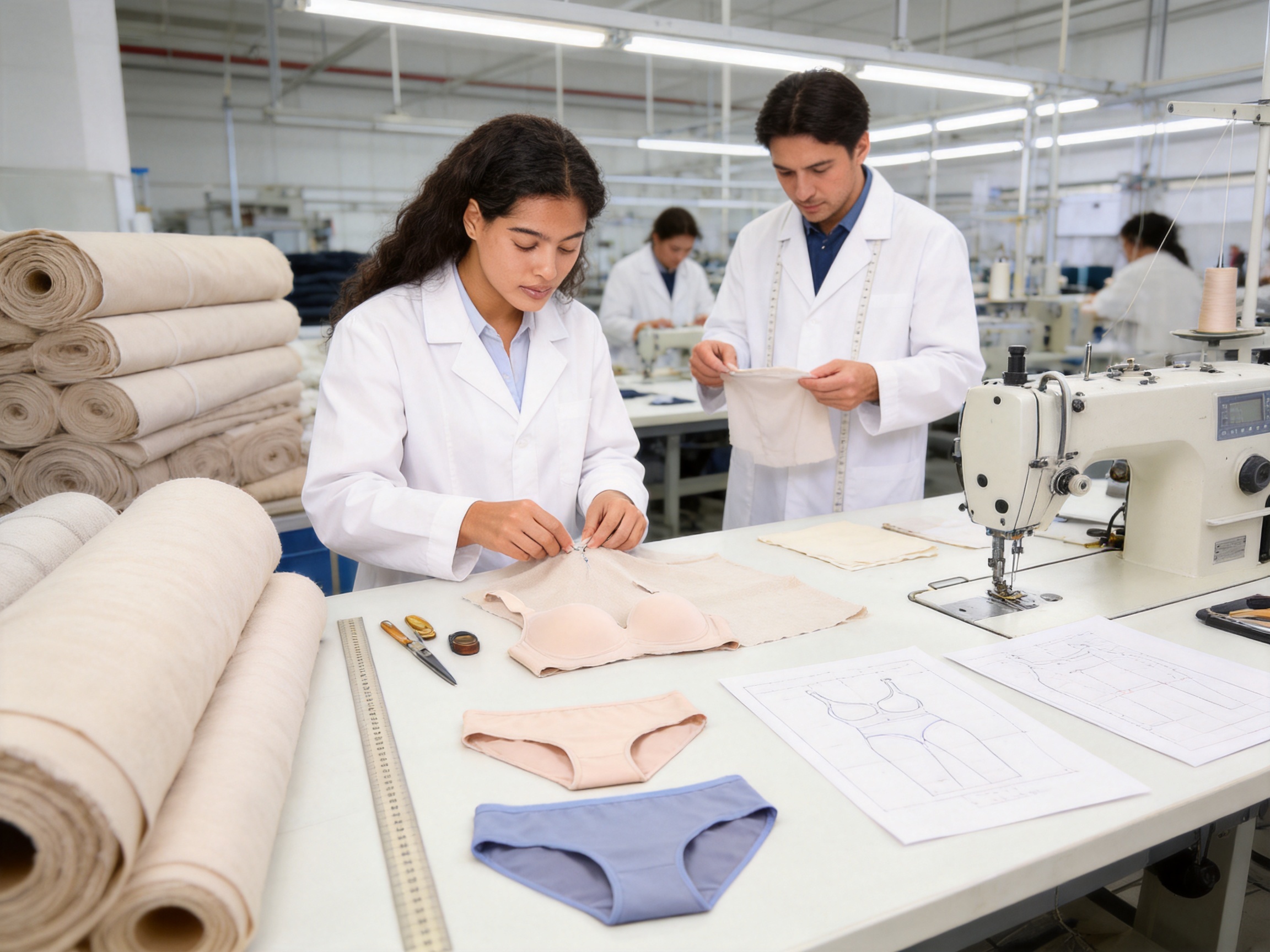
The underwear is made from 80% viscose made from bamboo, 15% polyamide, and 5% spandex. This blend provides softness, breathability, durability, and comfortable stretch.
Bamboo-derived viscose is valued for its smooth, soft, and breathable hand feel. It is comfortable for direct skin contact and helps create a premium wearing experience in intimate apparel.
Compared with ordinary cotton underwear, this product is designed to feel softer, stretchier, lighter, and more moisture-managing. Cotton can absorb moisture and feel damp, while the bamboo viscose blend supports breathable daily comfort.
The reduced-friction side and waistband construction helps create a smoother silhouette under outerwear. The bikini cut also provides moderate coverage without excessive bulk.
A tagless design eliminates the irritation that can be caused by sewn-in labels. This creates a cleaner interior surface and improves comfort during long hours of wear.
The double-layered crotch improves comfort, supports airflow, and provides better daily practicality. It helps the underwear feel fresh and reliable while maintaining a soft contact area.
Yes. Nantong Tianhong Textile Technology Co., Ltd. provides OEM and ODM services, allowing buyers to customize fabric details, colors, sizing, packaging, branding, and product specifications.
The company has experience in underwear research, manufacturing, quality control, functional fabric development, traceable supply chain management, and international client service. Its production process covers material selection, pattern development, cutting, sewing, finishing, and inspection.
The company works with standards and certifications such as FSC, OCS, OEKO-TEX 100, GOTS, WRAP, and BSCI, supporting responsible sourcing, textile safety, social compliance, and quality expectations.
It is designed for women who want soft, breathable, mid-rise bikini underwear for everyday wear. It is suitable for work, travel, home, warm weather, sleep, and fitted outfits.
The Women's Bikinis combine the comfort of bamboo-derived viscose, the durability of polyamide, and the flexibility of spandex in a thoughtfully engineered everyday underwear product. Its advantages are practical and consumer-focused: ultra-soft touch, breathable comfort, moisture-wicking performance, reduced friction, tagless wear, double-layered crotch construction, and a stable mid-rise fit.
In comparison with ordinary competitor products, this underwear offers a more balanced wearing experience. It is softer and more breathable than many basic cotton options, more natural-feeling than many low-cost synthetic options, and more carefully constructed than underwear that prioritizes price over comfort. These differences matter because underwear is worn for long hours and must perform consistently every day.
The product is also supported by the manufacturing capabilities of Nantong Tianhong Textile Technology Co., Ltd., a company established in 2001 with deep experience in underwear development, OEM/ODM service, sustainable textile direction, and global client cooperation. Its focus on functional fabrics, traceable supply chain management, quality control, and recognized standards makes it a strong partner for brands seeking premium breathable underwear or organic bamboo underwear programs.
For consumers, the product delivers comfort that can be felt from the first wear. For brands and buyers, it offers a reliable foundation for premium underwear collections. With its carefully selected fabric blend, comfort-driven design, and professional manufacturing support, this bamboo bikini underwear represents a strong combination of softness, function, sustainability awareness, and commercial value.

Copyright © Nantong Tianhong Textile Technology Co., Ltd. All Rights Reserved.
 Room 806, Building D, Jingyang Plaza, Chongchuan District, Nantong City, Jiangsu Province,china

 English
 Español
 русский
 عربى
عربى